Hard armour - soft heart

Article no: BZ-24474884

CHF 21.90

Stock: 0

Ready for dispatch in 1-3 days, delivery time 14 working days

Delivery between Thursday, 10 December and Friday, 11 December
Zahlungsarten
Product information "Hard armour - soft heart"

The turtle expert Thorsten Geier would like to inspire you as a turtle enthusiast to keep these special animals as close to nature as possible. Based on his almost 20 years of in-depth experience with European tortoises, he provides a wealth of practical advice and tips for practical use: using nature as a model, he explains that the animals should be spared a life in a terrarium. His guide contains over 180 pages of detailed suggestions for keeping animals close to nature. Thorsten Geier explains the design of outdoor enclosures and presents suitable and less suitable food plants. Other topics include: optimal nutrition, caring for hatchlings and young animals, winter torpor, animal health, successful reproduction, species protection, but also mistakes in keeping tortoises and much more. Over 200 photos of the animals' habitat, enclosure photos, plant pictures etc. make this book a particularly valuable read. In a separate chapter, the author addresses our youngest turtle friends. Thorsten Geier would like to encourage them (and their parents) in particular to treat turtles in a species-appropriate manner.

Composition
Feeding recommendation
Technical details
Size information

0 out of 0 reviews

Give us a rating!

Share your experience with the product with other customers.


Suggested products

Handbook of food plants for tortoises and other reptiles
Handbook of forage plants 2nd revised editionMarion Minch is not only a successful breeder of diverse tortoises for many years, but also an excellent connoisseur of native wild herbs. She founded and runs samenkiste.de, which is well known to many tortoise keepers and nature lovers. Her name is inextricably linked with reptile care and species-appropriate nutrition for tortoises. Her handbook of food plants summarises the most important native food plants for herbivorous and omnivorous reptiles. She not only considers tortoises, but also iguanas, spiny-tailed dragons and even chameleons. From the basics of plant biology to native wild herbs to suitable food plants for hardy tropical reptile species, this comprehensive work provides the basis for species-appropriate keeping. In the expanded and supplemented 2nd edition, the plant section is divided according to flower colour. This makes it even easier to identify wild herbs. The work has also been supplemented with a wealth of additional information and many pictures.

CHF 46.50

Geckos
Geckos in the terrarium by Astrid FalkThe book offers a comprehensive introduction to geckos and their species-appropriate keeping in terrariums. It explains what you need to think about before buying a gecko and what preparations should be made. The book describes in detail how the terrarium is technically equipped and set up. The care of the animals, their special features and behaviour, their diet, reproduction and rearing of young animals are described, as well as diseases and husbandry problems with tried and tested suggestions for prevention and treatment. Individual gecko species that are particularly suitable for keeping and breeding in terrariums are portrayed in detail in the second part of the book.

CHF 28.50

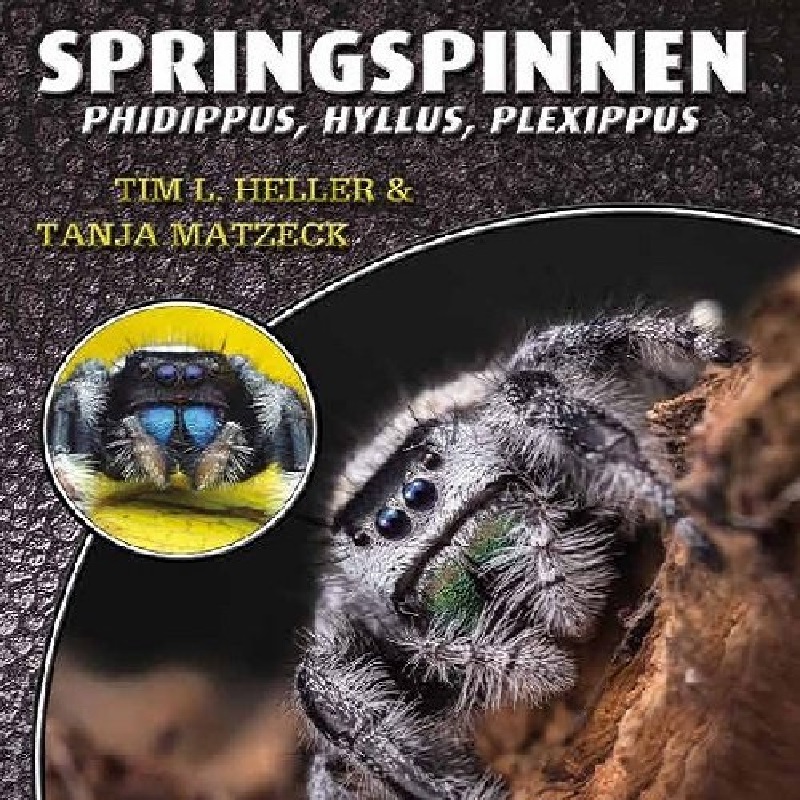
Jumping spiders Phidippus, Hyllus, Plexippus
Book Jumping Spiders - Phidippus, Hyllus & Plexippus A guide to keeping jumping spiders of the genera Phidippus, Hyllus & Plexippus. Who can resist the charm of jumping spiders? The childlike appearance of their expressive face simply leaves no one cold! In addition, their behavior is extremely exciting to observe, their colors are bright and their requirements for species-appropriate keeping are very easy to meet. No wonder these likeable jumpers are all the rage! This volume in the "Species by Species" series describes in detail what to look out for when buying and keeping them, introduces the most commonly kept species and color forms and provides plenty of tips on how to keep them successfully - so you can be sure they will breed well! Species by Species introduces you to the books in this series, which present the most popular terrarium animals. Each volume offers you detailed, practical care instructions and all the information you need to successfully breed your animals. All important questions from the required tank size to terrarium set-up, technical equipment, species-appropriate nutrition and disease prevention are answered with numerous tricks and tips. Experienced, long-standing breeders reveal how you can encourage the animals to reproduce and raise healthy young. All this in full color, generously illustrated and attractively designed - just about your terrarium animal - species by species

CHF 23.90

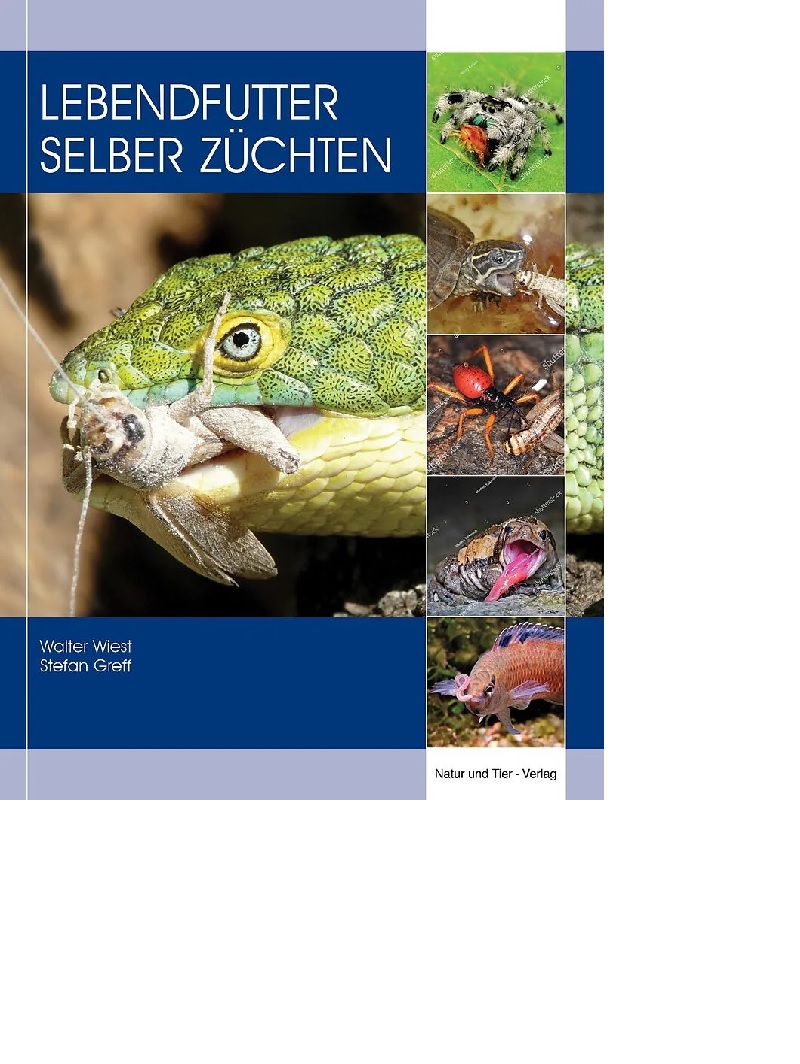
Book Breeding live food yourself
Book "Grow your own live food" - The perfect guide for pet owners Discover practical and detailed instructions on how you can easily breed food for your reptiles, birds, fish or other animals yourself in the book "Breeding live food yourself". With valuable tips on various food insects, their care and breeding, you can save money and ensure a species-appropriate diet for your pets. Contents of the book: Step-by-step instructions for breeding feeder insects Information on the best types of food for reptiles, birds and fish Care instructions and breeding conditions for various live food species Tips for sustainable and cost-effective food production Why breed your own live food? Get healthy, fresh food for your animals Save money and reduce dependence on pet shops Promote the health and well-being of your animals with species-appropriate food Whether you are a beginner or an experienced pet owner, this book provides you with everything you need to successfully breed live food yourself.

CHF 46.50

Marginata 69 - New Guinea tortoises
Marginata 69 - New Guinea tortoises – the genus ElseyaCover storyThe unrecognised beauties: New Guinea tortoises (Andreas S. Hennig)My experiences with Branderhorst's New Guinea tortoise, Elseya (Elseya) branderhorsti (Ouwens, 1914) (Andreas S. Hennig)Keeping and breeding of Rhodin's New Guinea tortoise, Elseya (Hanwarachelys) rhodini Thomson, Amepou, Anamiato & Georges, 2015 (Andreas S. Hennig)PortraitGeoemyda spengleri, Chinese serrated tortoise (Andreas S. Hennig)ReportageMacrochelys temminckii – Experiences and impressions with vulture tortoises part 2 (Reiner Praschag)KeepingAn alternative to year-round keeping of the Egyptian tortoise in the terrarium – my experiences with seasonal outdoor keeping of Testudo kleinmanni (Ricarda Schramm)EtymologySawbacks and living maps part 4: Graptemys gibbonsi, Pascagoula humpback tortoise (Holger Vetter)Classifieds & animal placement

CHF 16.50

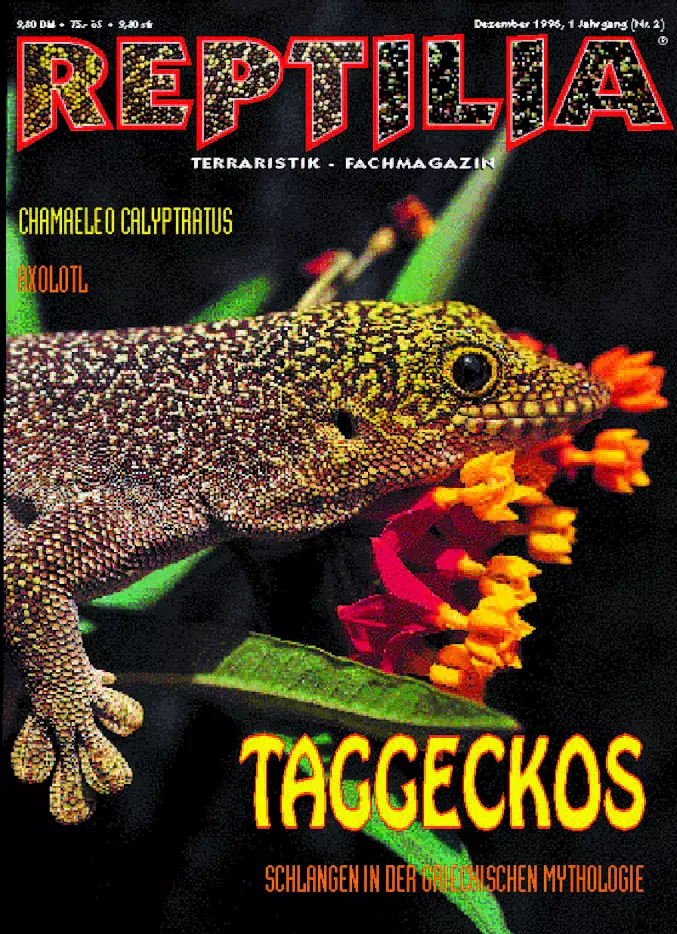
Reptilia 02 - Day geckos
Reptilia 02 - Day geckosChameleo caylptratusAxolotlSnakes in Greek mythologyContents:Page 2 - EditorialPage 3 - Letters to the editor and discussionPage 7 - MagazinePage 17 - Photo report: Phelsuma, by J. KrügerPage 23 - Keeping and reproduction: Phelsuma standingi, by G. HallmannPage 26 - Report: Phelsuma and species conservation: The Round Island project, by G. HallmannPage 29 - Herpetofauna: Diurnal geckos, by Dr M. MeyerPage 33 - Travelogue: Baja California Part 2: The island world in the Gulf of California, by H. WerningPage 39 - Portrait and poster: Anolis marmoratus marmoratus, by M. SchmidtPage 43 - Keeping and breeding: Axolotl, by J. WistubaPage 47 - Terraristics: Sex determination in reptiles, by Dr M. Bachs TabernerPage 47 - Terraristics: Sexual dimorphism in African spurred tortoises, by A. Romairone / I. Iglesias IzquierdoPage 53 - Herpetofauna: Horned frogs, by M. BatllePage 56 - Herpetology and culture: Mythology: The snakes of Olympus, by L. B. Carissimi-PrioriPage 61 - Keeping and reproduction: Chamaeleo calyptratus, by W. SchmidtPage 69 - Veterinary medicine: Internal parasites in reptiles and amphibians, by Dr C. López del CastilloPage 73 - LibraryPage 75 - Advice and actionPage 80 - Incubator: Glossary by H. Werning

CHF 9.80

Chimaira, Outdoor facilities for water and swamp turtles
Chimaira, Outdoor facilities for water and swamp turtles Practical guide The author knows how to combine his enthusiasm for a species-appropriate and beautifully designed outdoor facility with the care needed to bring the individual aspects of this complex subject closer to an interested audience. A must for anyone who keeps or would like to keep turtles in a garden pond.

CHF 25.90

Reptilia 105 - Successful breeding of Phelsumen
Reptilia 105 - Breeding Phelsumene successfullySouth AfricaChicken eaterNutrition-related diseases in tortoisesContents:The magnificent day geckos of the genus Phelsuma are among the classics in terraristics. They are particularly popular due to their attractive colouration and very good durability. However, this well-known group always has new surprises in store. We provide an overview of the Phelsuma successfully bred in our terrariums and offer something for beginners as well as advanced breeders in our breeding reports.EditorialMAGAZINEDATESWESTERN HERP PERSPECTIVESReptile laws in the so-called United StatesLovePHOTOREPORTAGEKeeping phelsums in the terrarium. A success story?P. BerghofKeeping and reproductionThe Madagascar Day Gecko, Phelsuma grandis: Distribution, Care and BreedingM. RognerKeeping and reproductionPhelsuma madagascariensis madagascariensis (Gray, 1831) – An old acquaintance offers surprisesH.-P. BerghofKeeping and reproductionCare and breeding of Phelsuma pronki Seipp, 1994 and Phelsuma vanheygeni Lerner, 2004H.-P. BerghofREPORTAGEThe Phelsuma interest group. An association of more than 200 day gecko specialistsP. KrauseKeeping and breedingChicken eaters - adorable beastsC. KässerHealthNutrition-related diseases in tortoises M. BaurArachnofaunaA portrait of African ground-dwelling tarantulasK. MannsLibraryServicesALSO NEAR YOUJourneySouth Africa. In search of reptiles along the Garden RouteP. SchoeneckerPREVIEWBRUTKASTEN Where love fallsH. Werning

CHF 12.00

Reptilia 98 - Sick due to reptiles? About the [alleged] danger of salmonella
Reptilia 98 - Sick due to reptiles? About the [alleged] danger of salmonella Drosophila food animal breedingUnderwoodisaurus miliiToad-headed tortoises Contents: EDITORIALMAGAZINEDATES AROUND THE WORLD IN 5 YEARSTree creepers instead of flowersA. Pachmann WESTERN HERP PERSPECTIVES   American herp problemsB. Love REPORTAGEAttack with bioweapons: Salmonella tactics against the terrarium hobbyH. Werning ReportageSalmonella in amphibians and reptiles. The importance of terrarium animals as sources of infection for humansF. Mutschmann HerpetofaunaPhrynops. The genus of toad-headed tortoisesH. - D. Philippen ReportageIn the land of the golden ants. Splendour to the end of the worldM. Freuding Keeping and breedingThe Australian fat-tailed gecko, Underwoodisaurus miliiS. Arth & S. Baus Terrarium practiceCursed in the kitchen, loved in the terrarium: fruit fliesU. Dost Terrarium displaysLa Ferme aux Crocodiles in Pierrelatte/Southern FranceM. Dieckmann LibraryTest runTips & tricksSUBSCRIPTION & SERVICEALSO NEAR YOU TRAVELDzanga-Sangha. In search of frogs between elephants and gorillasJ. M. Dehling & D. M. Dehling PREVIEWBRUTKASTENSpecies protection reportH. Werning

CHF 12.00

Thick-toed geckos
All about the fat-fingered geckos by Mirko Barts 61 pages 14.8 x 21 cm 45 colour photos 2nd edition Author Mirko Barts Publisher NTV Contents: Fat-fingered geckos have been on the rise for years. Their attractive appearance, their endearing nature and the low demands they place on keeping in the terrarium have quickly boosted their popularity. The experienced and successful terrarium keeper Mirko Barts covers in this book of the “Species by Species” series the species-appropriate keeping and care of fat-fingered geckos in every detail, from correct housing to healthy feeding. And of course, this guide also tells you how to breed your geckos, incubate the eggs and raise the tiny young. Systematics and body structure The fascinating biology: From the life of the fat-fingered geckos All information on species-appropriate keeping: from suitable terrarium to equipment and technology to feeding Successful breeding: Mating stimulation, incubation of the eggs and raising the young Problem solving: How to avoid the most common mistakes in care and how to help sick animals Brilliant photos

CHF 21.90

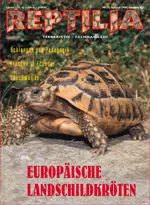
Reptilia 17 - European tortoises
Reptilia 17 - European tortoises Snakes and educationFrogs in EcuadorChuckwallas Contents: Page 2 - EditorialPage 3 - Letters to the editorPage 5 - MagazinePage 12 - Travelogue: Herpetological observations on the Peloponnese - Addendum, by L. Siegmund and B. TrappPage 14 - DatesPage 16 - Western Herp Perspectives: Road Cruising, by B. LovePage 18 - Photo report: European tortoises, by J. Soler Massana and M. SilvestrePage 24 - Keeping and breeding: European tortoises in an outdoor terrarium, by H. and T. HolfertPage 32 - Report: Feeding European tortoises - Part 1, by Dr C. DennertPage 40 - Travelogue: Mayotte - A herpetological treasure trove, by P. Krause, U.-J. Bartling and P. BaldamusPage 47 - Portrait and poster: Pogona vitticeps, by H. D. MüllerPage 51 - Keeping and breeding: Chuckwallas, by H. WölfelPage 60 - Keeping and breeding: On keeping the tree snuffle Ahaetulla nasuta, by O. WittePage 64 - Keeping and breeding: Poecilothera, by R. BaldwinPage 69 - Report: A small cross-section of the frog fauna of Ecuador, by S. Lötters and A. WidmerPage 73 - Herpetology and culture: Snakes go to school - Part 1, by M. HallmenPage 82 - Reptilia on the road: Rainforest house in the Botanical Garden of the University of Osnabrück, by M. SchmidtPage 85 - Advice and actionPage 91 - LibraryPage 96 - Glossary: Iguana à la carte - Part 2, by H. Werning

CHF 9.80

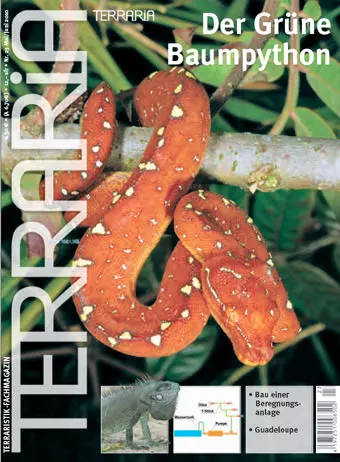
Terraria 23 - The green tree phyton
Terraria 23 - The Green Tree Python Construction of an irrigation systemGuadeloupe Contents: Hardly any other snake enjoys as much reverent enthusiasm as Morelia viridis, the Green Tree Python. Even die-hard snake haters can hardly escape the aesthetic fascination radiated by the beautifully green-coloured, elegantly “coiled” pythons on a branch. And then there are the brightly red, yellow or green coloured juveniles! This snake is correspondingly popular in terraristics, and although it is still not an easy species to keep, it has made an impressive triumphant advance in our terrariums in recent years. A good two decades ago, breeding itself was considered a sensation, but today a wide variety of targeted colour breeds are already circulating. The cover story of the upcoming TERRARIA reports on the latest developments in this giant snake – you can look forward to previously unpublished information as well as magnificent photos! Editorial Magazine El Niño to blame for snake bites?/Male toad on wrong routes/Legal matters/Snake conference/Marketplace TERRAglobal Camping in the Páramo Maik Dobiey Cover StoryThe Green Tree Python – Terrarium Set-up and Technology by Michèl Kroneis Outdoor enclosures for Morelia viridis by Joachim Bulian “And the further rearing went smoothly …”. Some notes on the rearing of the Green Tree Python (Morelia viridis) by Joachim Bulian A simple irrigation system for “small” money by Peter Maria Müller Between rubbish and mines: the Dalmatian tortoise Testudo hermanni hercegovinensis. Part 2 by Michael Wirth Butterflies in the house by Hans-Günther Kaiser Travel Herpetological impressions searching for iguanas in the French Antilles: Guadeloupe by Stefanie Schönecker & Patrick Schönecker New species New from New Guinea: two species and genera of narrow-mouthed frogs by Axel Kwet Two new species of agamas in the genera Pseudocalotes and Bronchocela by Jakob Hallermann Among researchers Biodiversity and species decline in Bolivia by Steffen Reichle Eye-catcher In the desert paradise – tortoises and iguanas among columnar cacti. A visit to Robert Blome in Arizona  by Heiko Werning Near you Subscription & Service Preview Incubator 80 mosquitoes for one frog. Part 1 by Heiko Werning

CHF 12.00