Main food parrots
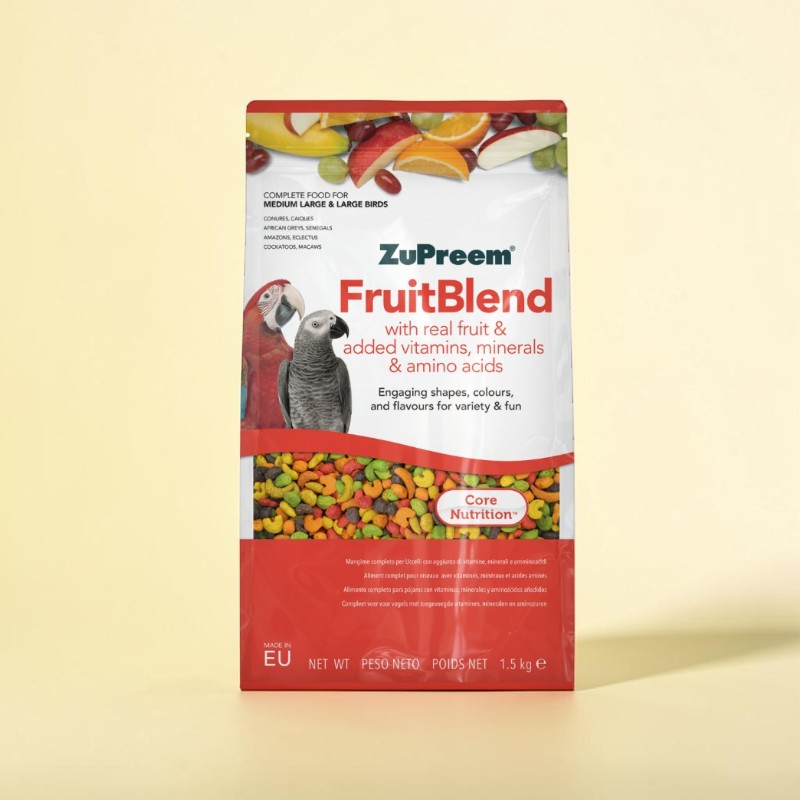
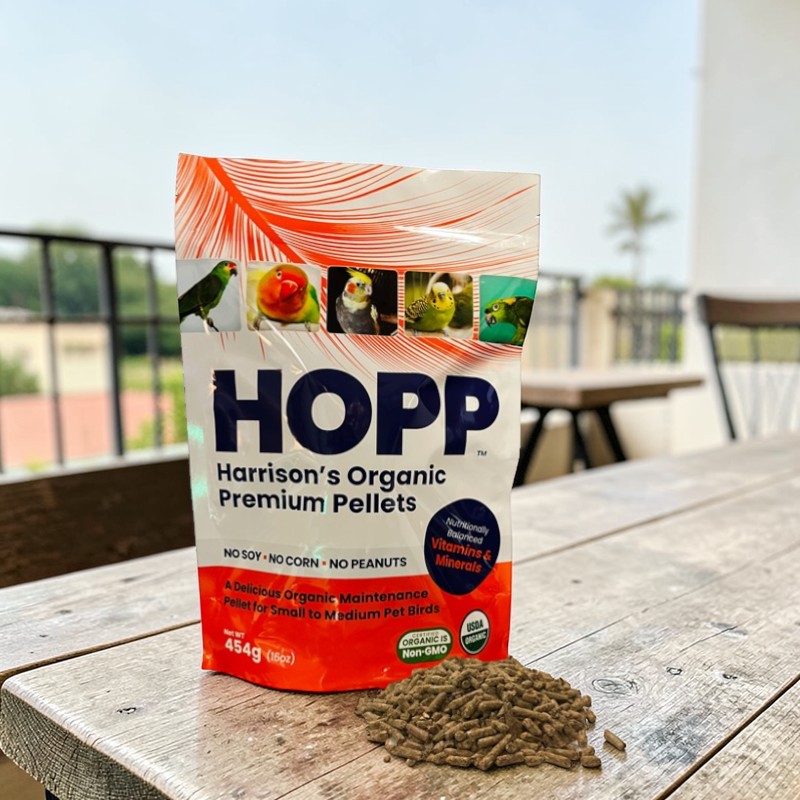
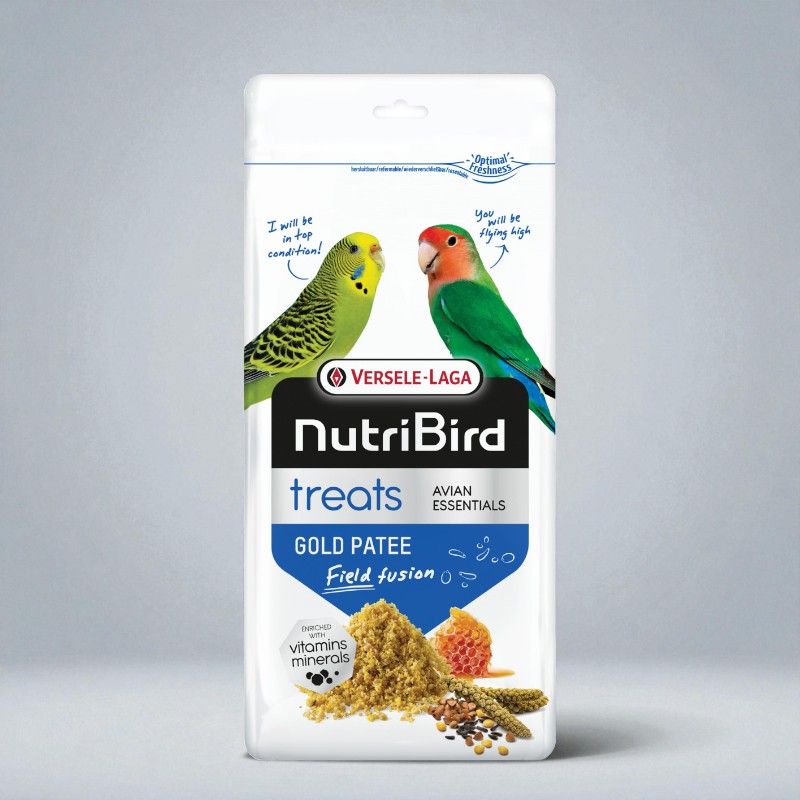
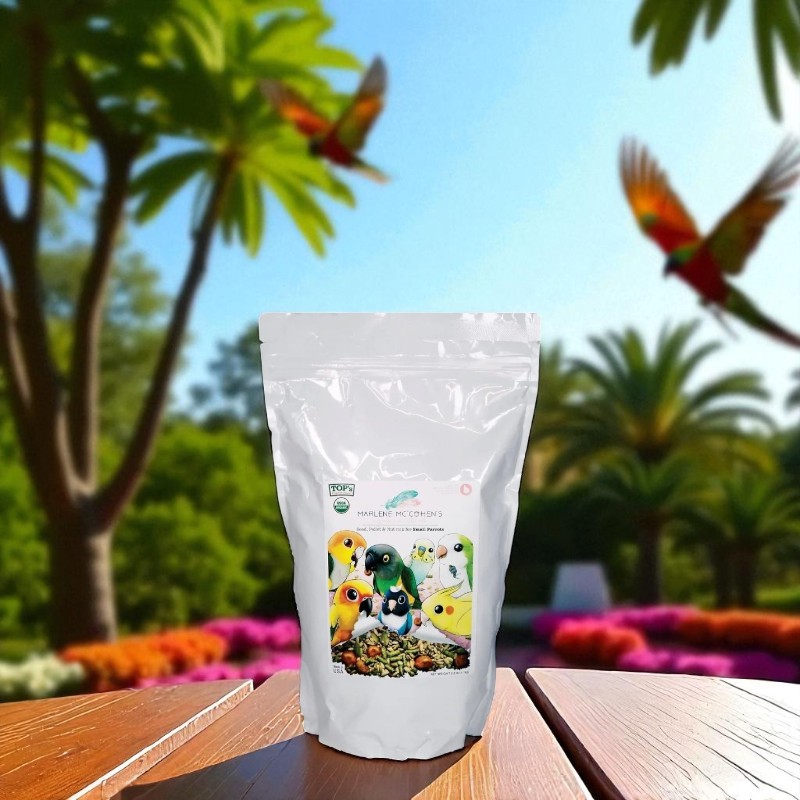
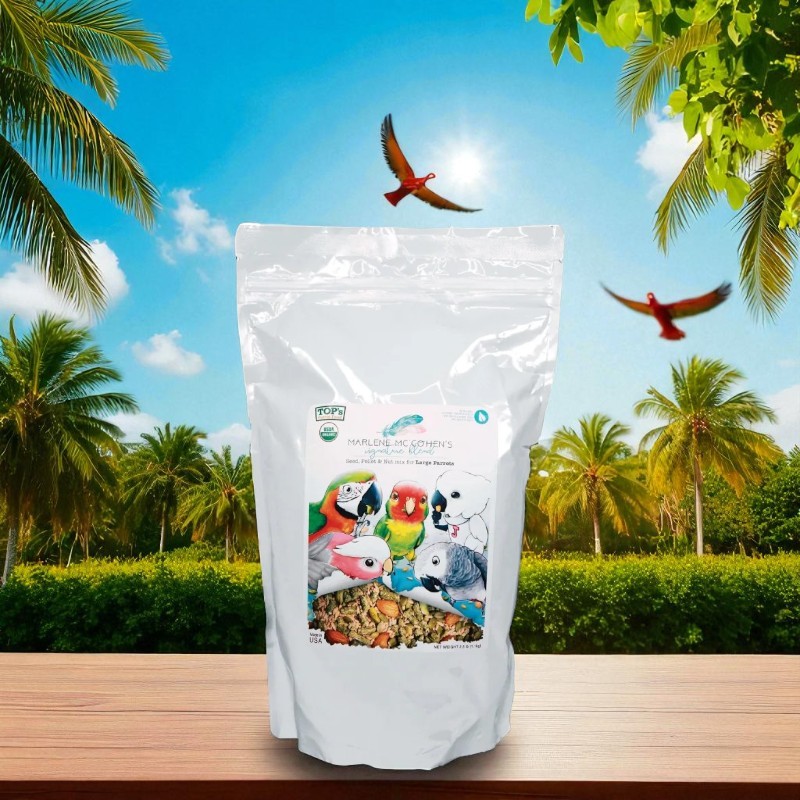


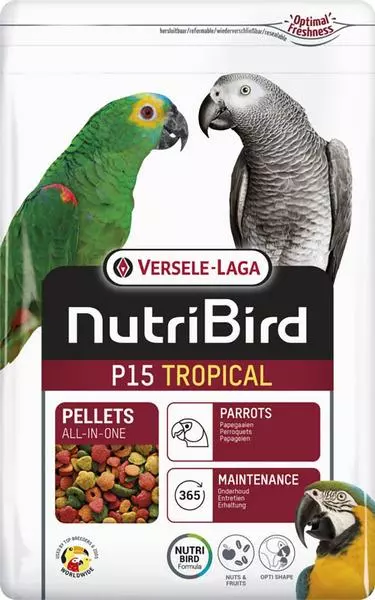
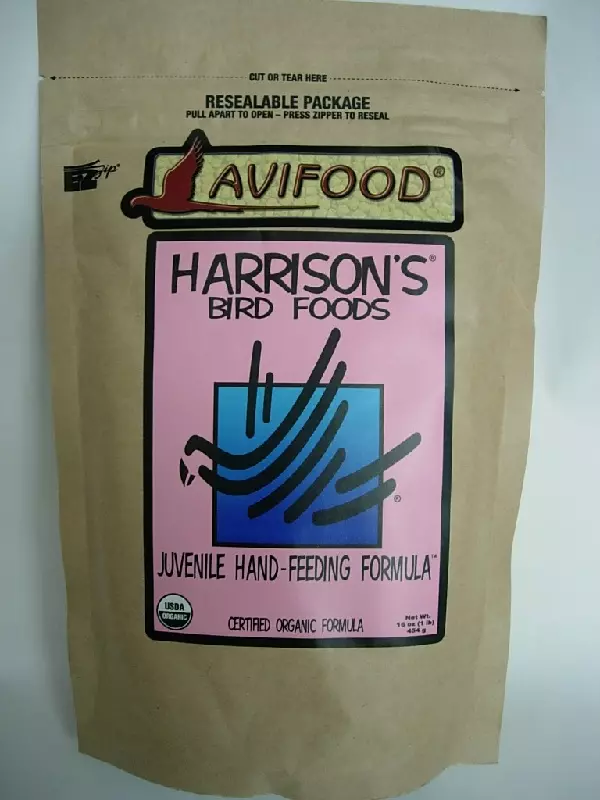

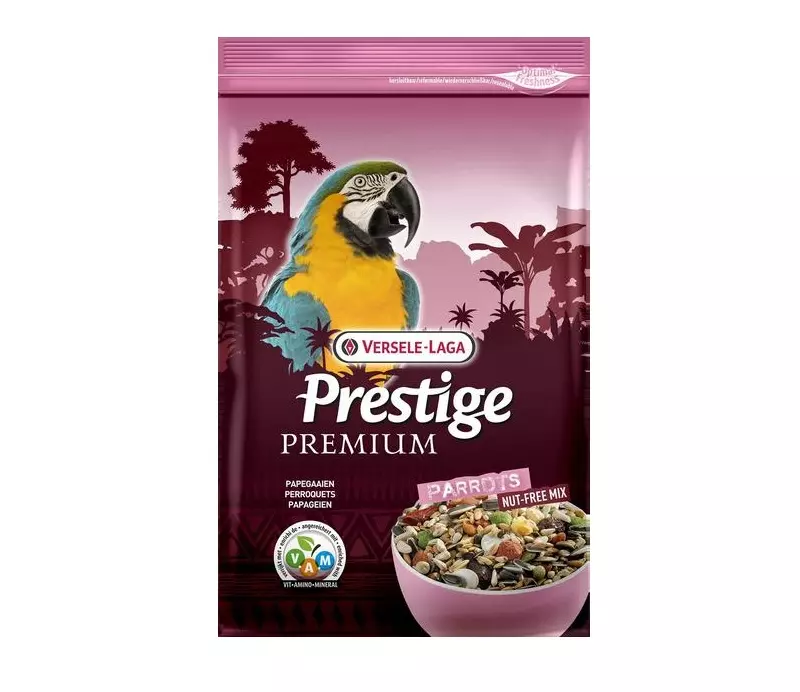

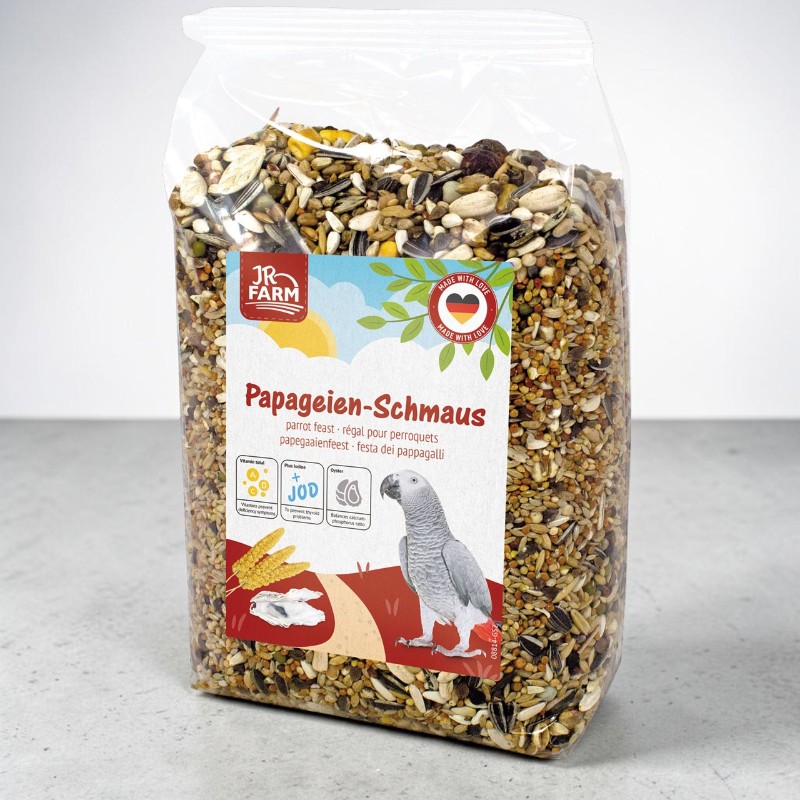


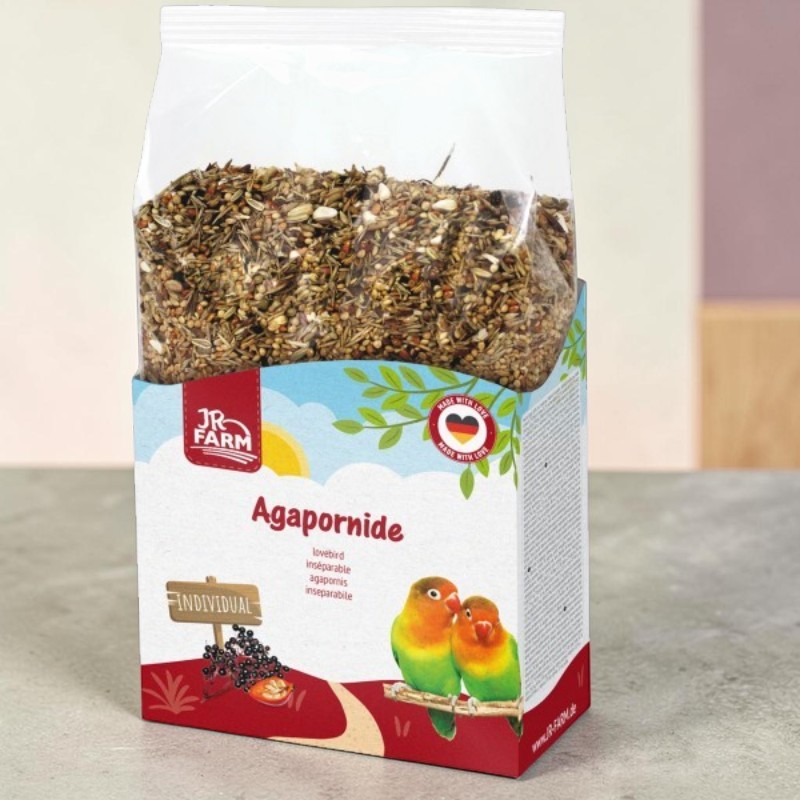


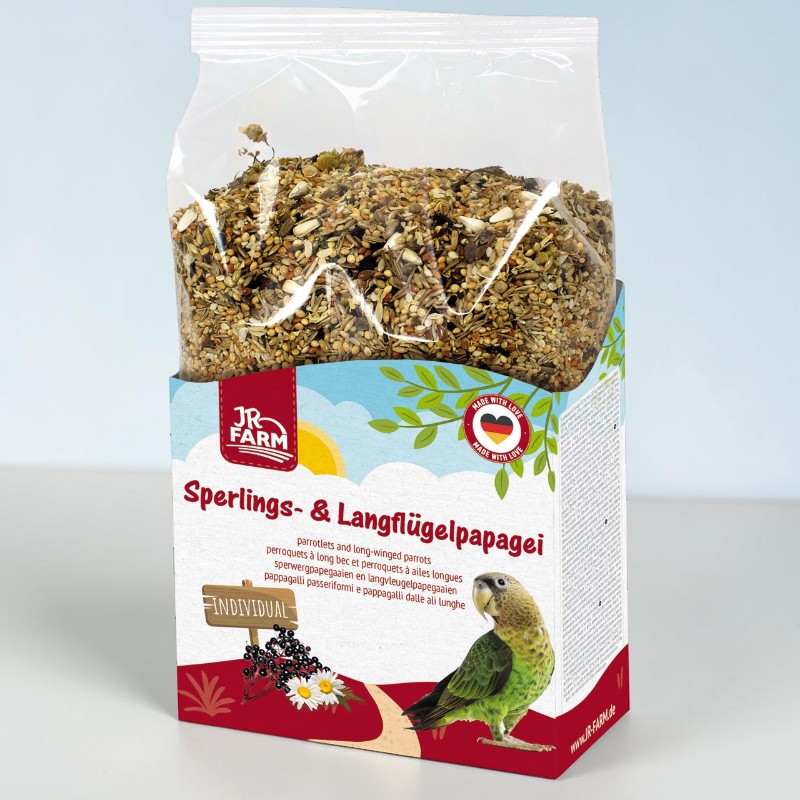


Everything you need to know about bird food for parrots at the Swiss Bird Shop
Parrots are intelligent, social and discerning birds. A high-quality staple diet for parrots forms the daily foundation for health, vitality, plumage quality and mental stimulation. Preferences vary significantly depending on the species of parrot: African grey parrots eat differently to Amazon parrots; lorikeets require a special nectar-based diet, whilst macaws and cockatoos prefer heartier seeds, nuts and coarser ingredients.
In Switzerland, parrots may generally only be kept in accordance with animal welfare regulations. Parrots must be kept in pairs at the very least; for the private keeping of large macaws and large cockatoos, a cantonal keeping licence and proof of expertise are required.
We would like to take this opportunity to list the most common species of parrot and, in addition to providing information on the correct staple diet, also inform you about the relevant regulations in Switzerland.
Parrot species in Switzerland – with and without a keeping licence
The following overview lists common species of parrots that may be kept in Switzerland, provided that requirements regarding husbandry, proof of origin, species conservation and animal welfare are met. It should not be regarded as an exhaustive legal list.
Parrots without a private keeping licence
For many small and medium-sized parrot species, no special keeping licence is required for private pet ownership. Nevertheless, there are minimum requirements regarding aviaries, social interaction, care, feeding, enrichment and hygiene. Parrots require fresh food, clean water, suitable sand or grit, and minerals every day.
African grey parrots
African grey parrots are very intelligent, sensitive birds with high demands for variety and mental stimulation. They can be fussy eaters and become very fixated on individual favourite ingredients. That is why a balanced staple diet is particularly important.
Preferences for the main diet: high-quality parrot mixes, vegetables, fruit in appropriate quantities, sprouted seeds, pellets, low-fat seeds, and sunflower seeds only in moderation.
Amazon parrots
Amazon parrots are active, vocal birds and are prone to becoming overweight if fed a diet that is too high in energy. Their main diet should therefore not contain too many sunflower seeds or nuts.
Preferences for the main diet: relatively low-fat parrot mixes, vegetables, herbs, berries, flowers, few nuts, and a tailored pellet diet.
Exotic parrots
Exotic parrots have a unique metabolism and benefit from a high proportion of fresh food. Seed mixes that are very high in fat are less suitable.
Preferences for the main diet: diets rich in fruit and vegetables, sprouted seeds, high-quality pellets for exotic parrots, and low-oil seeds.
Black-headed parrots and other long-winged parrots
Common long-winged parrots include African grey parrots, Meyer’s parrots and red-bellied parrots. They are robust, curious birds that enjoy eating grains, seeds and fresh ingredients.
Preferences for the main diet: medium-sized seeds, few sunflower seeds, vegetables, fruit, berries, the occasional nut, and pellets as a supplement.
Green-cheeked parrots and rust-capped parrots
These small to medium-sized parrots are playful, active and love to move around. They need a varied diet that isn’t too high in fat.
Preferences for the main diet: seed mixes for small parrots, pellets, vegetables, fruit, sprouted seeds, and a small amount of oil-rich seeds.
Lovebirds
Lovebirds, also known as agapornis, are among the smaller parrots. They are very social and must always be kept in pairs or groups. Their food can be finer in texture than that for larger parrots.
Preferences for the main diet: small seeds, millet, canary seed, grass seeds, a small amount of sunflower seeds, fresh green fodder and vegetables.
Parakeets
Parakeets are small, lively and have strong personalities. They prefer fine feed mixes and benefit from a relatively light diet.
Preferences for the main diet: fine seed mixes, millet, canary seed, grass seeds, herbs, vegetables, and low-fat seeds.
Loris and wedge-tailed loris
Loris have a specialised diet. In the wild, they eat a lot of nectar, pollen, flowers and soft fruits. A standard seed mix is not suitable as their main diet.
Preferences for the main diet: specialised lorikeet food or nectar-based food, soft fruits, flowers, and suitable supplementary foods.
Parrots with a keeping licence in Switzerland
In Switzerland, a cantonal licence is required for large macaws and large cockatoos. One of the requirements is proof of expertise. These birds have particularly high demands in terms of space, enrichment, noise tolerance, social interaction and feeding.
Large macaws
Large macaws include, for example, yellow-breasted macaws, green-winged macaws, scarlet macaws and hyacinth macaws. They have strong beaks, a high urge to move around and require a varied diet comprising suitable nuts, seeds and fresh plant-based food.
Preferences for the main diet: coarse parrot mixes, large seeds, nuts in controlled quantities, fruit, vegetables, palm nuts depending on the species, pellets and enrichment food.
Large cockatoos
The large cockatoos include, for example, white-crested cockatoos, yellow-crested cockatoos, Moluccan cockatoos and palm cockatoos. Cockatoos are very sociable, intelligent and enjoy interacting with food, branches and natural materials.
Preferences for the main diet: balanced parrot mixes, vegetables, fruit, nuts in moderation, sprouted seeds, pellets, plenty of activity food to crack open and work for.
Pink cockatoos and smaller cockatoo species
Pink cockatoos and smaller cockatoo species are also sometimes kept as pets. Whether a licence is required in individual cases should always be clarified with the cantonal veterinary service before purchase, as the classification may be relevant depending on the species and enforcement practices.
Preferences for the main diet: generally low-fat parrot mixes, grass seeds, vegetables, herbs, few sunflower seeds, few nuts.
Choosing the right staple diet for parrots
A good staple diet for parrots should be suited to the species, activity level and living conditions. Seed mixes are popular, but birds may be selective in what they eat. Pellets or extruded foods help to ensure a more balanced intake of nutrients. Many owners combine seed mixes, pellets, fresh food and enrichment food.
Carefully controlling fat content
Sunflower seeds, nuts and oil-rich seeds are popular with many parrots, but should not form the main part of their daily diet. Amazon parrots, African grey parrots and less active parrots in particular can quickly put on weight if their diet is too high in energy.
Offer fresh food every day
Depending on the species, parrots eat fruit, seeds, leaves, bark, flowers, roots and, in some cases, insect larvae. In captivity, their daily diet should therefore include fresh vegetables, suitable fruit, green fodder, sprouts, minerals and clean water.
Encouraging mental stimulation through food
Parrots are curious and use their beaks extensively. Food should therefore also serve as a form of enrichment: whole nuts for suitable species, food toys, fresh twigs, whole vegetables or hidden portions of food encourage natural behaviour and prevent boredom.
Buy main food for parrots online at Zoo Roco
Whether you have a African grey, Amazon, exotic parrot, black-headed parrot, lovebird, parakeet, lory, macaw or cockatoo – at Zoo Roco you’ll find the right staple food for parrots, tailored to different species and feeding requirements. Choose from high-quality seed mixes, pellets, lory food, minerals, snacks and supplementary feed for a varied and species-appropriate diet.
Zoo Roco – Your Swiss online shop for parrot food
Top Brands