Handbook of food plants for tortoises and other reptiles

  • Only available in German
Article no: BZ-15406491

CHF 46.50

Stock: 0

Ready for dispatch in 1-3 days, delivery time 14 working days

Delivery between Friday, 4 September and Monday, 7 September
Zahlungsarten
Product information "Handbook of food plants for tortoises and other reptiles"

Handbook of forage plants 

2nd revised edition

Marion Minch is not only a successful breeder of diverse tortoises for many years, but also an excellent connoisseur of native wild herbs. She founded and runs samenkiste.de, which is well known to many tortoise keepers and nature lovers. Her name is inextricably linked with reptile care and species-appropriate nutrition for tortoises. Her handbook of food plants summarises the most important native food plants for herbivorous and omnivorous reptiles. She not only considers tortoises, but also iguanas, spiny-tailed dragons and even chameleons. From the basics of plant biology to native wild herbs to suitable food plants for hardy tropical reptile species, this comprehensive work provides the basis for species-appropriate keeping. In the expanded and supplemented 2nd edition, the plant section is divided according to flower colour. This makes it even easier to identify wild herbs. The work has also been supplemented with a wealth of additional information and many pictures.
Composition
Feeding recommendation
Technical details
Size information

0 of 0 reviews

Give us a rating!

Share your experience with the product with other customers.


Customers also bought

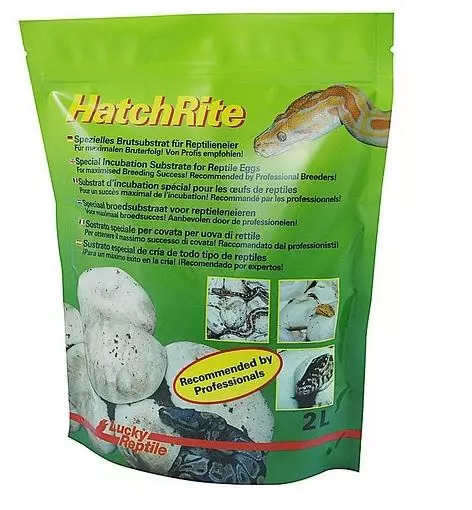
Lucky Reptile Hatch Rite 2 Liters
Lucky Reptile Hatch Rite - Incubation substrate for reptile eggs HatchRite is a specially developed breeding substrate for reptile eggs that already has the correct substrate moisture and can be used directly without moistening. for reptile eggs ready to use recommended by professionals 2 litres It has been used successfully for years by many professional American breeders, who have been able to significantly increase their hatching rates as a result. HatchRite is ready for immediate use and does not normally need to be moistened during the entire breeding process. It has already been used successfully for incubating bearded dragons, leopard geckos, corn snakes, king pythons, chondropythons and many more.

CHF 14.90

Neodymium Heat Spot
Variant: 75W
Broad spectrum reflector spot lampcontained neodymium realizes a more natural presentation of animals and plants in the terrariumcreates warm places for sunbathinginfrared radiation supports thermoregulation and digestionUV-A radiation stimulates natural behaviour and appetiteraises the ambient temperature in the terrariumavailable in 35W, 75W and 100W power ratings

CHF 13.90

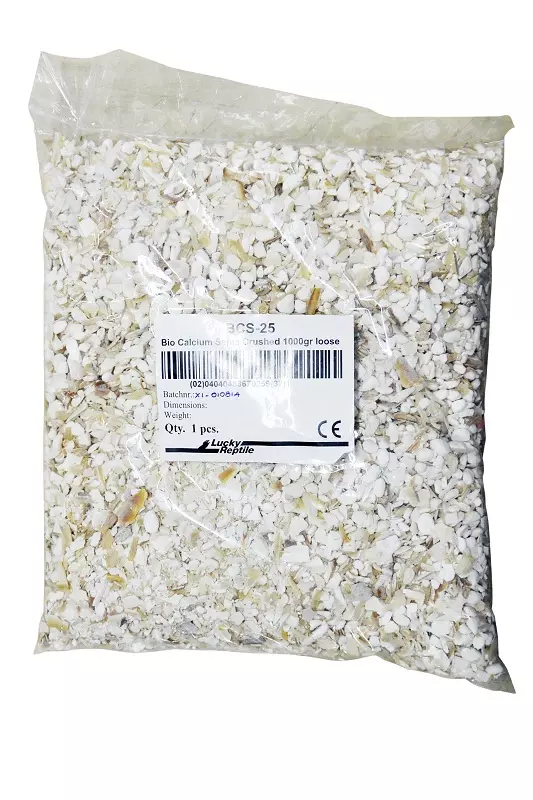
Cuttlefish crushed 1000gr
Crushed cuttlefish shellsLoosely crushed cuttlefish shells as a source of calcium for various animals. Several cuttlefish shells are generally considered an excellent source of calcium and are essential for animals such as turtles and birds. They help full young turtles with bone building and maintaining their shell. The size makes it easier for turtles to ingest the schoolp.Helps with bone building and bone healthSmaller shape of shells helps animals eatPure natural product full of calciumContains calcium and essential minerals

CHF 27.90

Suggested products

Geckos
Geckos in the terrarium by Astrid FalkThe book offers a comprehensive introduction to geckos and their species-appropriate keeping in terrariums. It explains what you need to think about before buying a gecko and what preparations should be made. The book describes in detail how the terrarium is technically equipped and set up. The care of the animals, their special features and behaviour, their diet, reproduction and rearing of young animals are described, as well as diseases and husbandry problems with tried and tested suggestions for prevention and treatment. Individual gecko species that are particularly suitable for keeping and breeding in terrariums are portrayed in detail in the second part of the book.

CHF 28.50

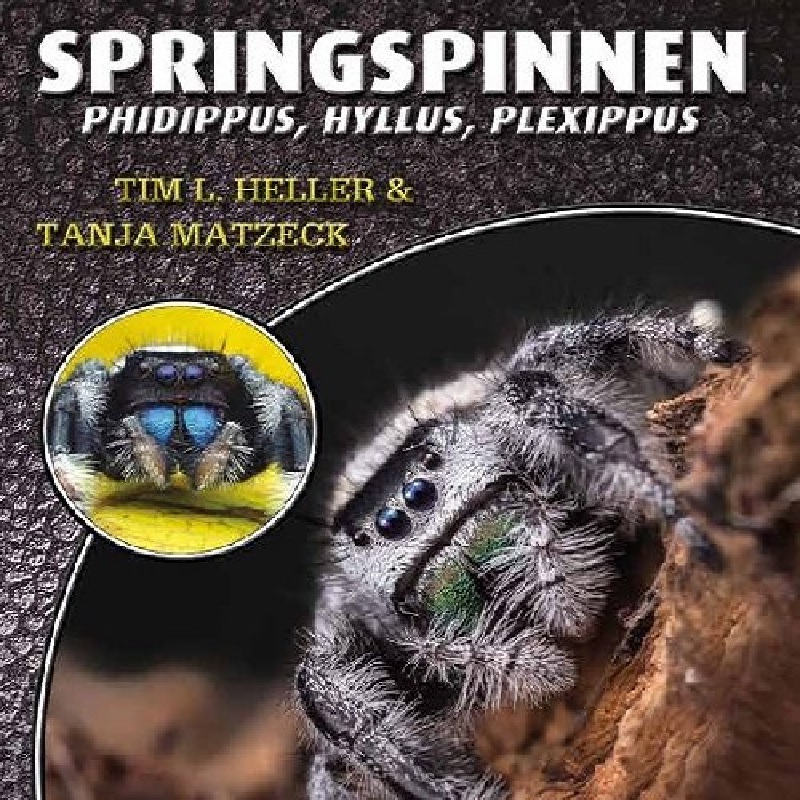
Jumping spiders Phidippus, Hyllus, Plexippus
Book Jumping Spiders - Phidippus, Hyllus & Plexippus A guide to keeping jumping spiders of the genera Phidippus, Hyllus & Plexippus. Who can resist the charm of jumping spiders? The childlike appearance of their expressive face simply leaves no one cold! In addition, their behavior is extremely exciting to observe, their colors are bright and their requirements for species-appropriate keeping are very easy to meet. No wonder these likeable jumpers are all the rage! This volume in the "Species by Species" series describes in detail what to look out for when buying and keeping them, introduces the most commonly kept species and color forms and provides plenty of tips on how to keep them successfully - so you can be sure they will breed well! Species by Species introduces you to the books in this series, which present the most popular terrarium animals. Each volume offers you detailed, practical care instructions and all the information you need to successfully breed your animals. All important questions from the required tank size to terrarium set-up, technical equipment, species-appropriate nutrition and disease prevention are answered with numerous tricks and tips. Experienced, long-standing breeders reveal how you can encourage the animals to reproduce and raise healthy young. All this in full color, generously illustrated and attractively designed - just about your terrarium animal - species by species

CHF 23.90

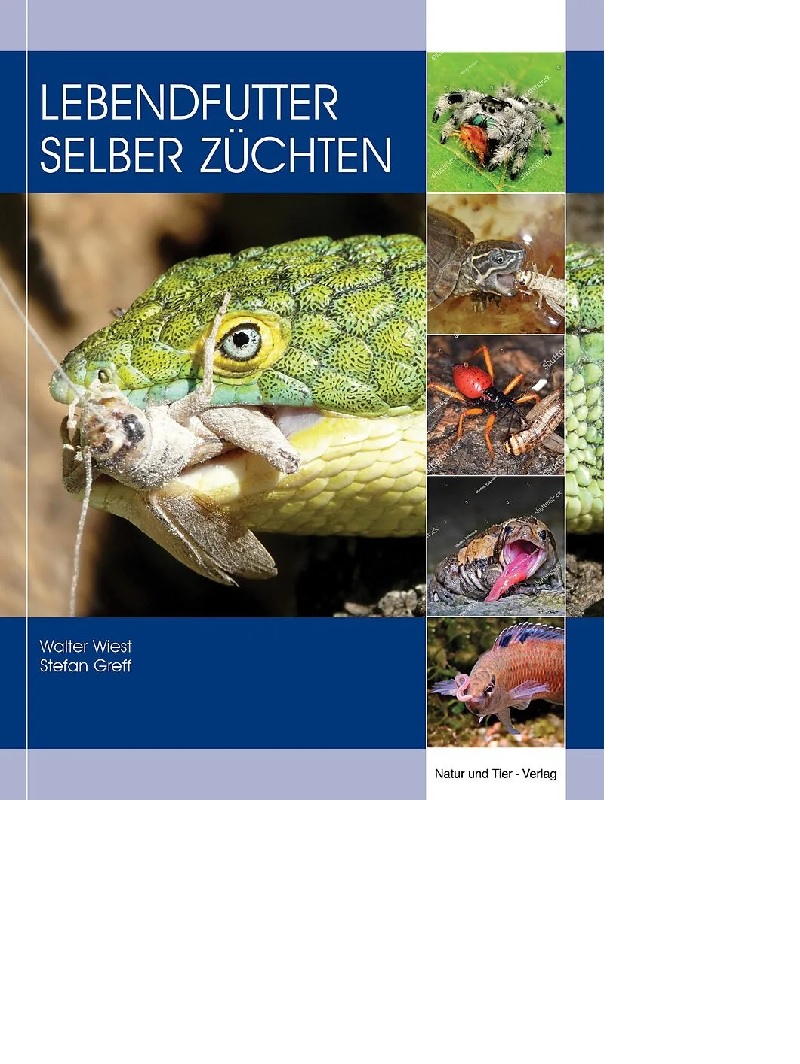
Book Breeding live food yourself
Book "Grow your own live food" - The perfect guide for pet owners Discover practical and detailed instructions on how you can easily breed food for your reptiles, birds, fish or other animals yourself in the book "Breeding live food yourself". With valuable tips on various food insects, their care and breeding, you can save money and ensure a species-appropriate diet for your pets. Contents of the book: Step-by-step instructions for breeding feeder insects Information on the best types of food for reptiles, birds and fish Care instructions and breeding conditions for various live food species Tips for sustainable and cost-effective food production Why breed your own live food? Get healthy, fresh food for your animals Save money and reduce dependence on pet shops Promote the health and well-being of your animals with species-appropriate food Whether you are a beginner or an experienced pet owner, this book provides you with everything you need to successfully breed live food yourself.

CHF 46.50

Marginata 69 - New Guinea tortoises
Marginata 69 - New Guinea tortoises – the genus ElseyaCover storyThe unrecognised beauties: New Guinea tortoises (Andreas S. Hennig)My experiences with Branderhorst's New Guinea tortoise, Elseya (Elseya) branderhorsti (Ouwens, 1914) (Andreas S. Hennig)Keeping and breeding of Rhodin's New Guinea tortoise, Elseya (Hanwarachelys) rhodini Thomson, Amepou, Anamiato & Georges, 2015 (Andreas S. Hennig)PortraitGeoemyda spengleri, Chinese serrated tortoise (Andreas S. Hennig)ReportageMacrochelys temminckii – Experiences and impressions with vulture tortoises part 2 (Reiner Praschag)KeepingAn alternative to year-round keeping of the Egyptian tortoise in the terrarium – my experiences with seasonal outdoor keeping of Testudo kleinmanni (Ricarda Schramm)EtymologySawbacks and living maps part 4: Graptemys gibbonsi, Pascagoula humpback tortoise (Holger Vetter)Classifieds & animal placement

CHF 16.50

The striped gecko
All about the striped gecko by Wolfgang Grossmann & Michael Kreuzer 64 pages Format: 14.8 x 21 cm Colour photos Paperback Author Wolfgang Grossmann & Michael Kreuzer Contents:  If you love large, attractively marked geckos, the striped gecko is just the thing for you. Gecko specialist Wolfgang Grossmann describes in this volume of the series "Species by Species" the lifestyle and fascinating behaviour of the lizards, which he has also studied in their natural habitat. And, of course, he reveals how to keep these elegant lizards in a species-appropriate way and how to breed them. Foreword The genus Gekko Description Distribution Biotope and habitat Lifestyle and behaviour Natural enemies Protection status – Legal regulations Where can I get striped geckos? Transport and quarantine The terrarium, its equipment and technology Socialisation and behaviour in the terrarium Nutrition, vitamins & co. Humidity and drinking water Annual rhythm, dry and rainy seasons Regular care tasks Diseases and their treatment Mating behaviour and pregnancy Egg laying and incubation Rearing Lifespan Thanks Further information Literature used and further reading

CHF 19.90

Marginata 48 - Turtles in animal protection
Marginata 48 - Turtles in animal welfarePeloponneseRarities from VietnamEuropean pond turtleTable of contents EditorialMagazineTOPIC"Chelonia" - Germany's largest turtle sanctuaryPatrick BoncourtTOPICSanctuary for tortoises in Stuttgart - a feel-good garden for tortoises Humans and animalsNicole Gehringer & Thomas SchällingTOPICTurtle animal welfare Supersize - the Phoenix Herpetological SocietyHeiko WerningPORTRAITEmys orbicularis (Linnaeus, 1758) European pond turtle, East Mediterranean pond turtleBenny Trapp TRAVELIn search of the "shy beauty" and the "Cave turtles" (2)Torsten Blanck, Sebastian Braun, Timothy McCormack, Hoang Van Ha, Nguyen Tai Thang, Nguyen Van Luc & Minh LeSCIENCETrachemys emolli or T. grayi in Honduras? Alexander GutscheTRAVELMorea - in search of turtles and other reptiles in the West the Peloponnese (2)Axel KwetSubscription & ServiceRegional guide

CHF 16.50

Marginata No. 29 - Madagascan ray turtle
Marginata No. 29 - Madagascan ray turtle Schildkrötenforschung in den TropenSternschildkrötenzwillingeGallaguar-Schildkrötenschutz in Indonesien Inhalt: Editorial Magazin Termine REPORTAGEMadagaskars Südwesten – Heimat einer gestreiften ExotinJutta Hammer REPORTAGE Village des Tortues. Auffangstation für gewilderte Schildkröten Jutta Hammer HALTUNG UND ZUCHT Haltung und Nachzucht der Madagassischen Strahlenschildkröte. Teil 1 Michael Wirth & Peter Fritz POSTER Sulawesi-Sumpfschildkröte Leucocephalon yuwonoi Hans-Dieter Philippen REPORTAGE Zur Situation von Meeresschildkröten in Sri Lanka Sascha Pawlowski REPORTAGE Erfolgreiches Jahr 2010 im Internationalen Zentrum für Schildkrötenschutz (IZS) im Allwetterzoo Münster Elmar Meier, Martina Raffel & Hans-Dieter Philippen REPORTAGE Die Papua-Weichschildkröte (Carettochelys insculpta) und ihre Nachzucht in „Down Under“ Egon Heiss REPORTAGE Conrad Gesner und die Schildkröten Kriton Kunz REPORTAGE Ein nicht alltäglicher Doppelschlupf von Zwillingen bei der Sternschildkröte (Geo­chelone elegans) im Allwetterzoo Münster Jochen Scholdei BuchtippKleinanzeigen Abo & Service Regionalführer

CHF 16.50

Reptilia 46 - Frogs in danger
Reptilia 46 - Frogs in danger Leopard geckosGarter snakes "Florida blue"Philippines Contents: 2 EDITORIAL 4 MAGAZINE 11 DATES 14 WESTERN HERP PERSPECTIVESSmall game in the sandby B. Love 16 PHOTO REPORTAGE Amphibian extinction: insight into the history and current researchby S. Lötters 24 REPORTAGENose frogs in danger - Hope for the semi-aquatic nose frog (Rhinoderma rufum)? by K. Busse & H. Werning 34 HERPETOFAUNAThe decline of frog populations in the high Andes of Venezuela by E. La Marca 39 REPORTAGEAmphibian extinction in African style by S. Schick 45 TRAVELClicking, ringing, whistling and shooting - the frogs of Panay by M. Gaulke 51 PORTRAIT AND POSTERTestudo hermanni boettgeriby B. Trapp 56 KEEPING AND BREEDINGThe leopard gecko - not just a beginner's animalKeeping and breeding of Eublepharis macularius in the terrariumby T. Wilms 63 HERPETOFAUNANot every blue garter snake is a "similis" - On distinguishing the blue forms of the common garter snake Thamnophis sirtalis sirtalis "florida blue" and the Florida garter snake Thamnophis sirtalis similisby M. Hallmen 70 KEEPING AND BREEDINGKeeping and breeding the red-eyed slender-headed turtle Emydura subglubosaby A. S. Hennig 74 HERPETOFAUNANorth America's king of rattlesnakes – Crotalus atrox – Part 2by D. Schmidt 80 REPORTAGEPlanning and construction of a reptile zoo: "Reptilium - Terrarium and Desert Zoo" in Landau - Part 1: The planning phaseby T. Wilms 86 SMALL ADVERTS 94 RAT & TAT 96 LIBRARY 104 GLOSSESThe Costa Cordalis of Weddingby H. Werning

CHF 11.20

Terraria 62 - Unusual food animals
Terraria 62 - Unusual Food Animals Campbell’s Tree Lizard Succulents Contents: Cover Story: Unusual Food Animals A healthy diet plays a decisive role in the successful care and breeding of our terrarium animals. The famous mealworm as a standard food is far from sufficient. Fortunately, specialist retailers now offer a wide range of suitable food insects such as house crickets, crickets, flies or cockroaches, which are available all year in any quantity. However, many pets also like to eat food animals outside the mainstream and some specialists are even dependent on a special diet for their well-being. In this issue of TERRARIA/elaphe, we take a closer look at some of these little-known, rather unusual food animals such as field slugs, woodlice, moth flies or a small-growing fruit fly variant. 3          Territorial 8          Herpetorama             Results of the 17th CITES Conference in Johannesburg – new regulations for some reptiles and amphibians             Synanthrope: Creeping Schnapps             Leaf Climber: Wasted “Time”             Thorny Devil: A Rural Keel-Tailed Iguana   Cover Story 14        Food Animals             A perennial topic in terraristics             Krition Kunz 20        Slippery Snacks             Breeding and use of the Mediterranean field slug as live food             Frank Täufer 25        Woodlice as Food Animals             Dominik Hoffses 30        A Small-Growing Variant of the Fruit Fly: Drosophila melanogaster “Ant”             Boris Stockmann 34        A Frog Farm for Feeding Reptiles and Amphibians: the Painted Disk-Tongued Frog (Discoglossus pictus)             Frank Pasmans, Sergé Bongaerts & An Martel 39        Moth Flies             A new food animal for small nocturnal hunters             Ingo Fritzsche   Panorama 42        Snake searching in the Ecuadorian Chocó rainforest             Daniel Jestrzemski   Research 50        New Species             A new slender boa from the Bahamas: the Conception Silver Boa (Chilabothrus argentum)             Axel Kwet             A new Borneo bush frog from Mt. Kinabalu             Axel Kwet 52        Among Researchers             The Comoros, a forgotten hotspot of diversity             Oliver Hawlitschek 56        Salamandra   Terraristics 60        Ant plants, leaf cacti and other succulent epiphytes for the terrarium             Beat Akeret   Nature and Species Conservation 70        Field Notes             Grass snake eating             Günther Vater             The feeding behaviour of the wall lizard Part 2             Malte Hornig 72        Project to protect the critically endangered tree lizard Abronia campbelli in eastern Guatemala             Brad Lock & Mónica Torres 84        Terrarino – the children’s page              The fire salamander – not a lucky animal             Alexa Sabarth   81        Subscription & Service 86        Also in your area 88        Preview 90        Incubator              No mercy for Mouse Z             Part 2             Heiko Werning

CHF 12.00

Reptilia 79 - Australian Pythons
Reptilia 79 - Australian PythonsRoyal tree frogFood breeding woodlicePrivate venomous snake zooContents:The unique herpetofauna of Australia is always at the centre of theInterest among terrarium keepers. This is particularly true of the giant snakes of the fifth continent. We report on them in detail, focussing on the rare forms Pilbara olive python (Liasis olivaceus barroni), Oenpelli's python (Morelia oenpelliensis) and the rough-scaled python (Morelia carinata).EDITORIALMAGAZINEDATES PHOTOSTORYPythons of Australiaby S. Winchell HERPETOFAUNARare and little-known pythons from Australia – Part 1: The rough-scaled python, Morelia carinataby S. Alcini HERPETOFAUNARare and little-known pythons from Australia – Part 2: The Pilbara olive python, Liasis olivacea barroniby S. Alcini HERPETOFAUNARare and little-known pythons from Australia – Part 3: The Oenpelli python, Morelia oenpelliensisby S. Alcini REPORTAGEThe most beautiful of them all – the leafhopper Ancylecha fenestrata von A. Schmidt PORTRAIT and posterChamaeleo hoehneliiby M. DobieyTRAVELIn the footsteps of Darwin through South America. Part 2: From Patagonia to Central Chileby H. Werning--> Literature on all three parts KEEPING AND REPRODUCTIONWoodlice as food animalsby J. Felka WESTERN HERP PERSPECTIVESHas the trade in reptiles and amphibians reached maturity?from B. Love KEEPING AND REPRODUCTIONThe King Tree Frog, Pseudacris regilla. Reintroduction of an old acquaintanceby R. Münzer TERRARIUM DISPLAYSThe serpentarium of the Snakeparadise in Eschlikon in Schweizerby H. Werning LIBRARYSUBSCRIPTION & SERVICEALSO NEAR YOUPREVIEW BRUTKASTEN Bear Country. Quasi live from Yellowstone National Parkby H. Werning

CHF 12.00

The african rose chafer
Not just food animals! Everything about keeping and caring for African rose chafer beetles at home. 64 pages Format: 14.8 x 21 cm numerous colour photos Author Uwe Schlüter Many terrarium keepers only know them as food animals: the larvae of rose chafer beetles. However, these beautiful insects are in turn fascinating, easy-to-keep terrarium animals. Uwe Schlüter presents tropical species of rose chafer beetles from Africa that are currently in vogue, including the impressive goliath beetles. Beetle care made easy! Contents: Foreword Classification Morphology of rose chafer beetles Imagines of the Cetoniinae Larvae of the Cetoniinae Rose chafer beetles in nature Lifestyle and behaviour Life cycle Care in the terrarium Acquisition and transport Terrarium equipment and climate Socialisation Feeding of imagines and larvae Reproduction in the terrarium Egg laying Rearing the larvae Pupation and hatching of imagines Descriptions of selected species Further information Further and used literature

CHF 19.90

NTV - Dyeing frogs
The 130-page book about dyer frogs describes the popular amphibians and shows the different colour variations. 130 pages many colour photos Hardcover Bestseller Authors Peter Janzen and Wolfgang Schmidt Publisher Herpeton The dyer frogs, Dendrobates tinctorius in Latin, are among the most popular frogs in the terrarium hobby. The book describes their way of life, care, breeding and colour varieties. The book is supplemented with many photos.

CHF 31.90