
.jpg "Six mini animal skulls")








Everything you need to know about terrarium caves – in your terrarium shop
for safe retreats in the terrarium
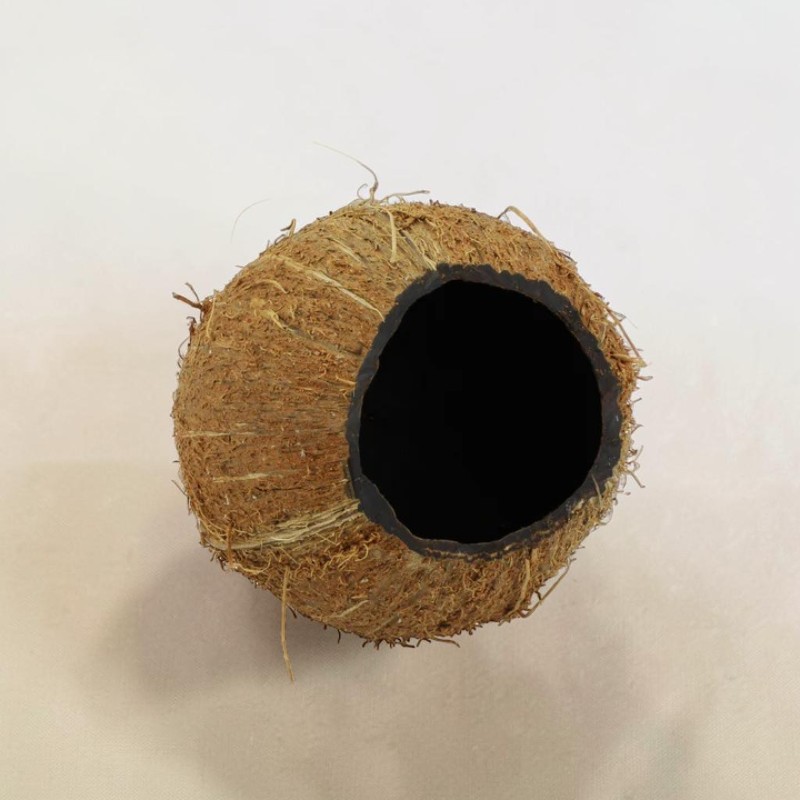
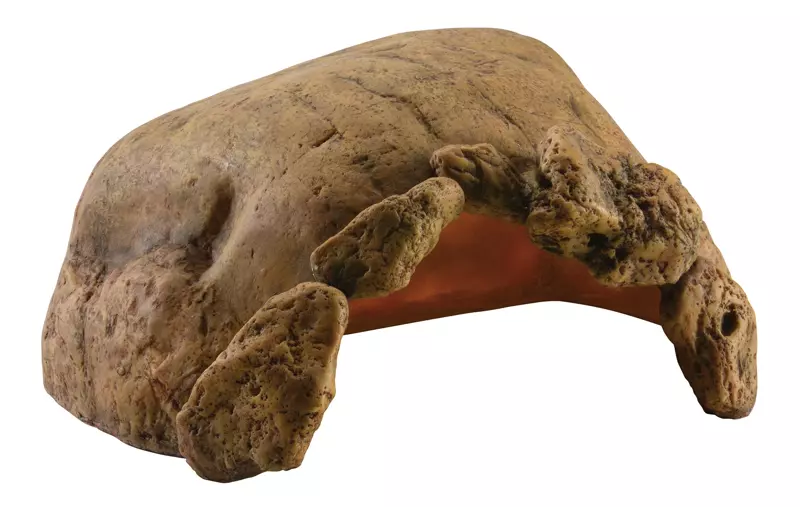
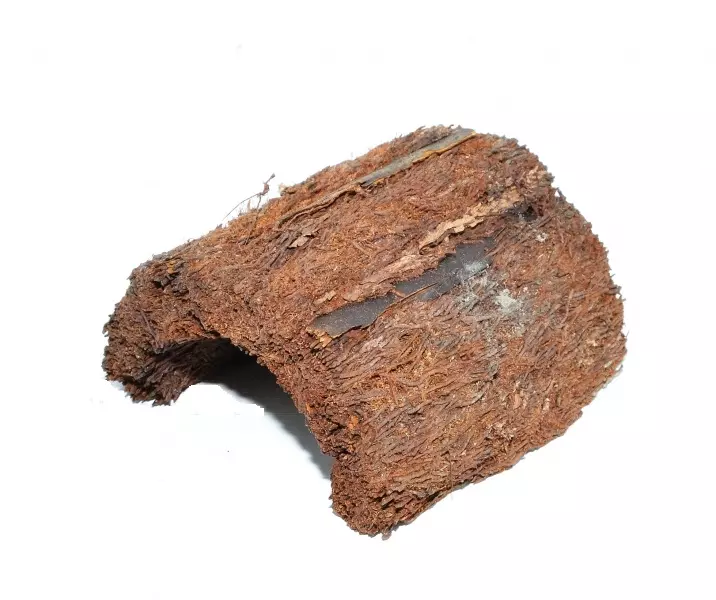
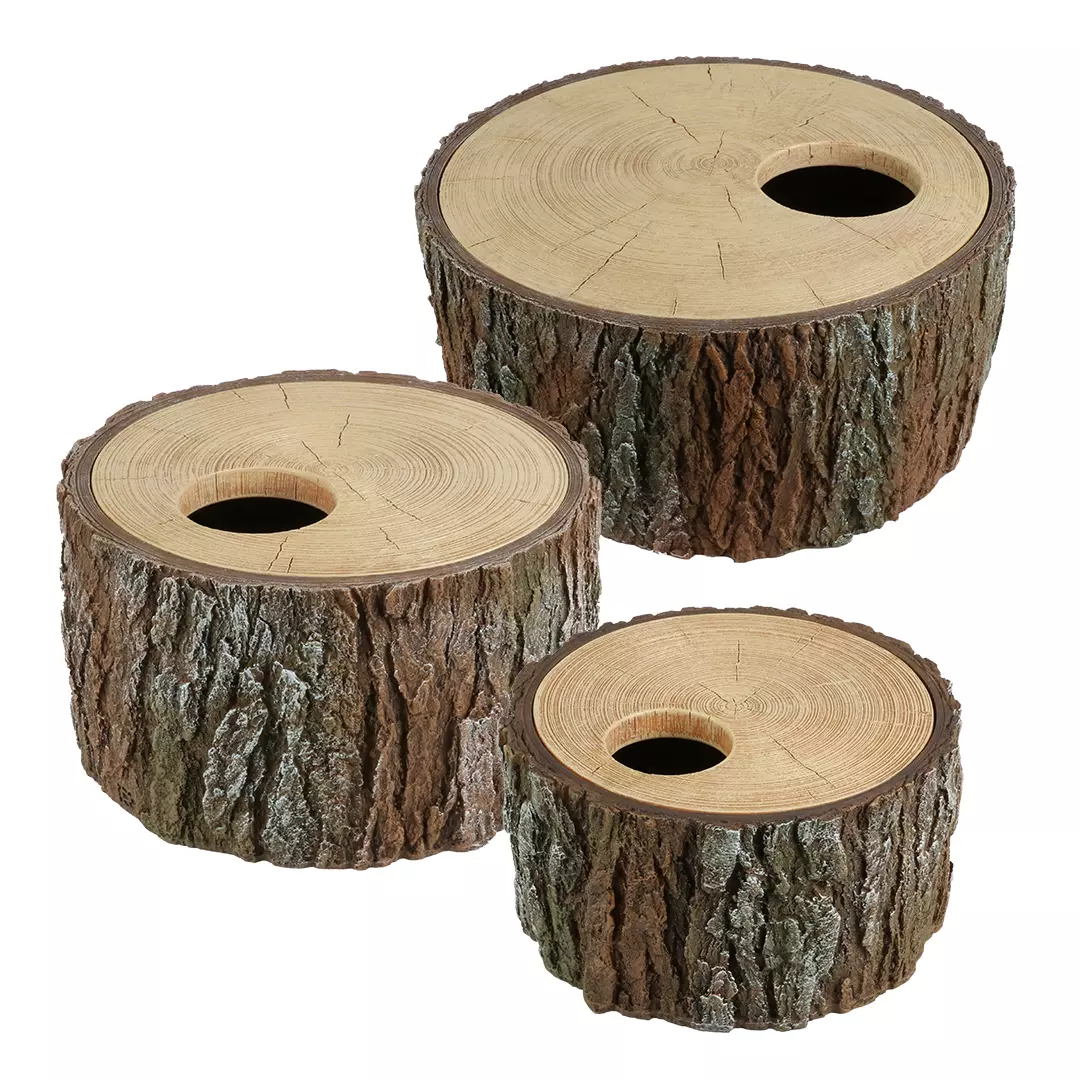
Terrarium caves are among the most important pieces of equipment. Many reptiles, amphibians and invertebrates need a protected place to reduce stress, rest or retreat during moulting. With a suitable cave for the terrarium, you can create structure, safety and species-appropriate retreat areas – whether in a desert, tropical or forest terrarium. In your terrarium shop, you will find caves in different sizes, shapes and materials – suitable for the animal species, terrarium size and furnishing style.
Why caves are so important in terrariums
A terrarium without hiding places can cause constant stress for many species. Caves offer:
- Safety and security – especially for shy or nocturnal animals
- clear territory and resting areas in the terrarium
- Support during moulting and regeneration
- Temperature and humidity zones, depending on placement
Especially for species that hide during the day or are active at dusk, it is advisable to provide at least one easily accessible cave per animal (or more, depending on their behaviour).
Which cave is right for your animals?
Not every cave is suitable for every animal. Pay particular attention to size, entrance and stability.
For geckos & smaller lizards
Compact caves with good grip are ideal – preferably with a rock-like appearance or made of cork. It is important that the entrance is not too large so that the cave is actually used as a shelter.
For snakes
Snakes prefer narrow, safe hiding places where they have physical contact with the sides. Stable caves or hiding places that look like rocks or roots have proven to be effective. Two hiding places are ideal: one in a warm area and one in a cooler area.
For bearded dragons & larger reptiles
Stability and sufficient space are particularly important here. Caves must be sturdy enough that they do not slip when the animal climbs on them or presses against them.
For amphibians and moisture-loving species
Caves that retain moisture or can be easily integrated into planted areas are suitable for tropical setups. They are often combined with moss to create a pleasant microclimate.
Materials & appearance: functional and natural
In your terrarium shop, you will find caves made from various materials – each with its own advantages:
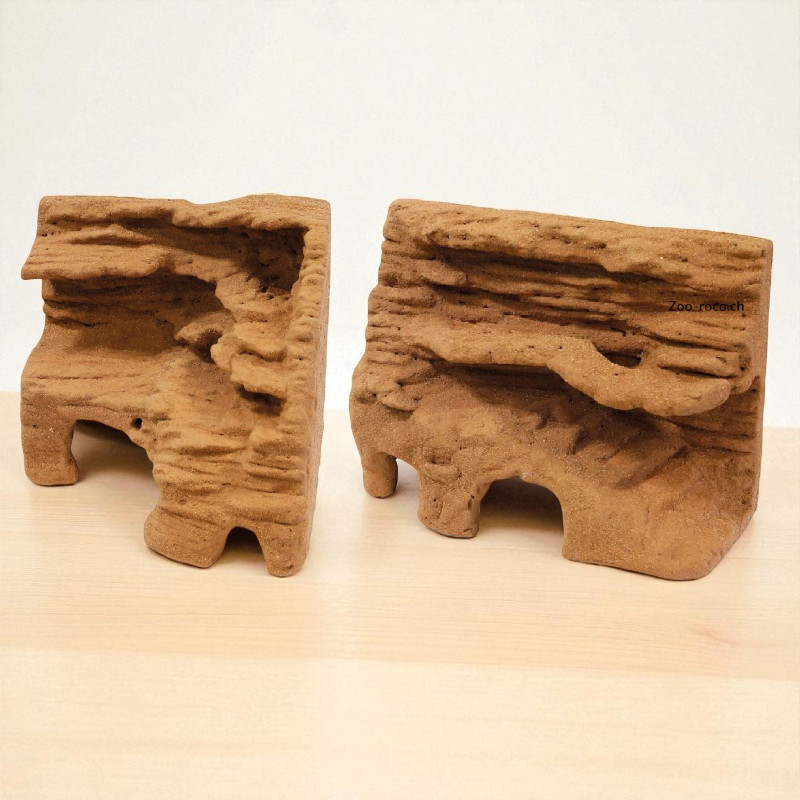
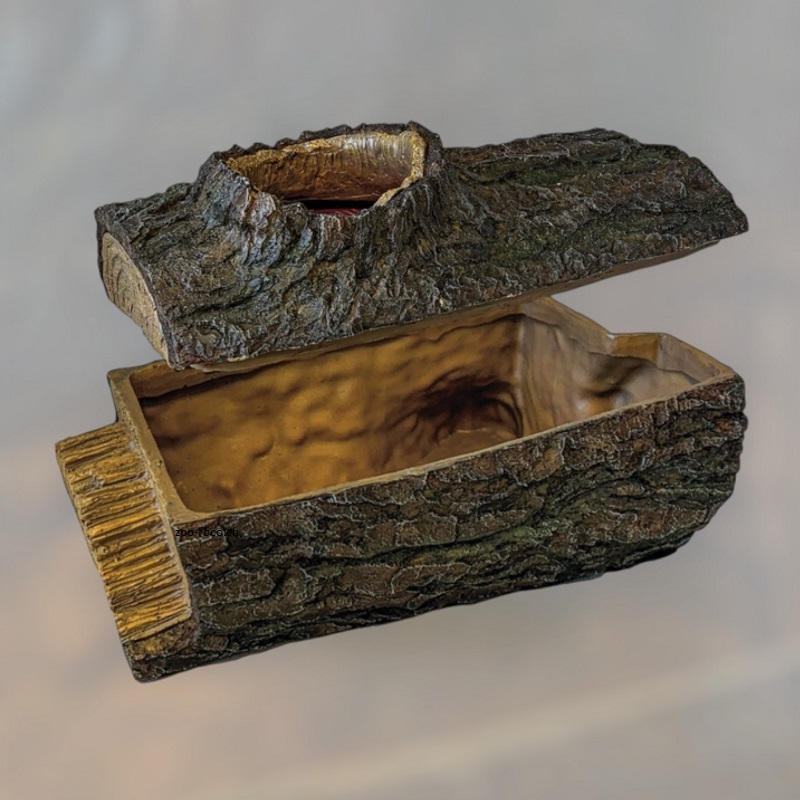
- Synthetic resin (rock look): durable, easy to clean, very natural
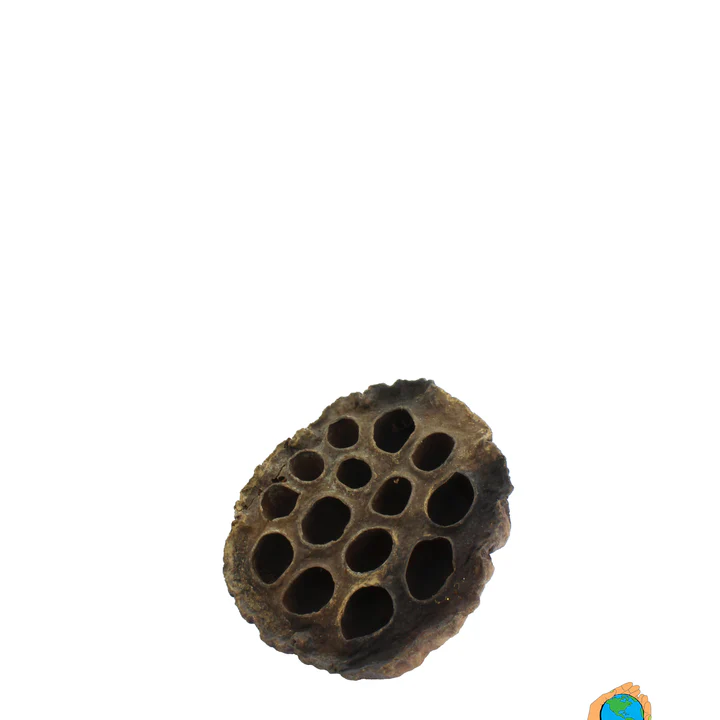
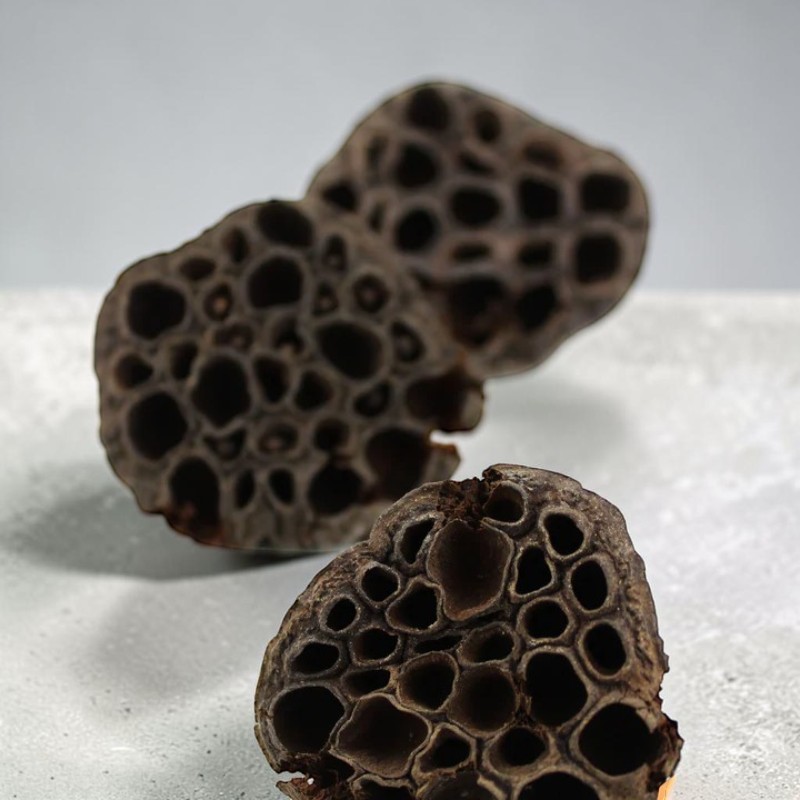
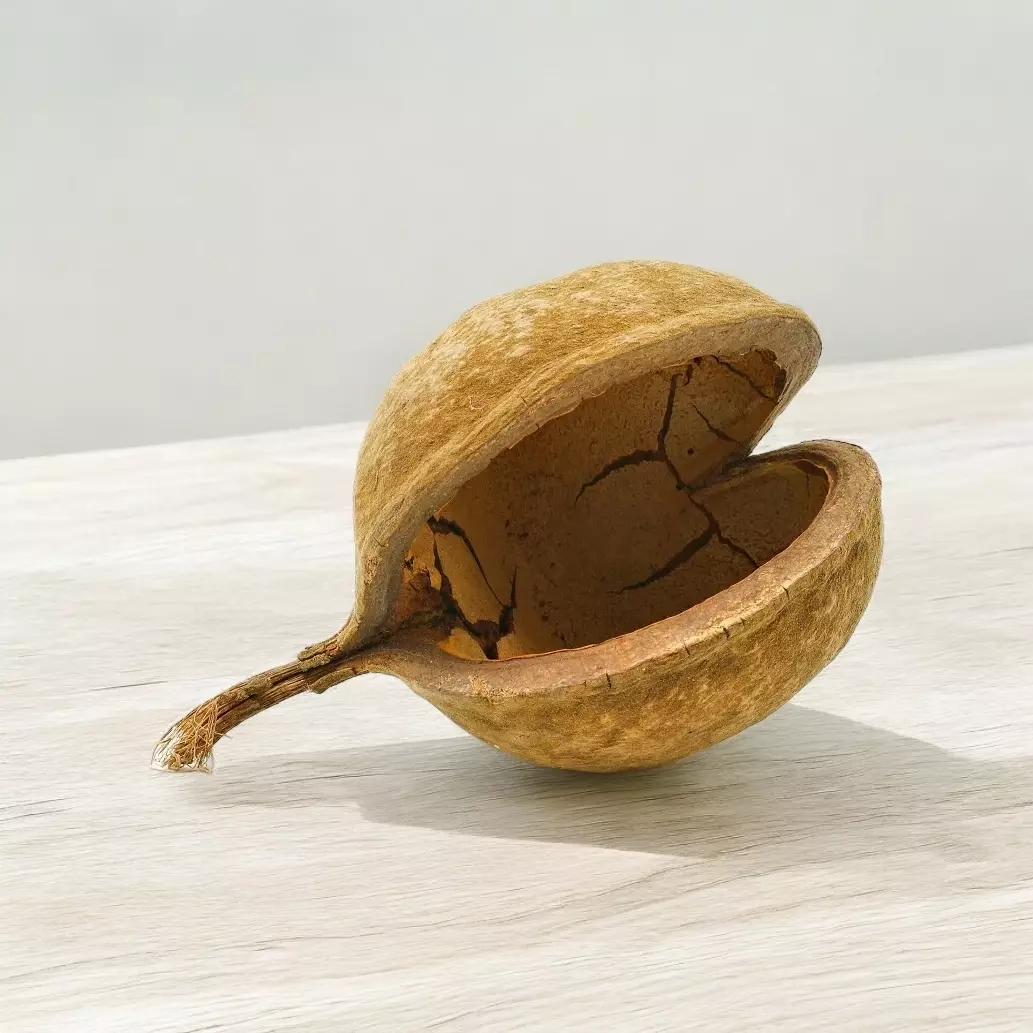
- Cork (cork tubes/pieces): natural, lightweight, ideal for climbing and hiding
- Ceramic or clay: can store moisture well, practical depending on setup
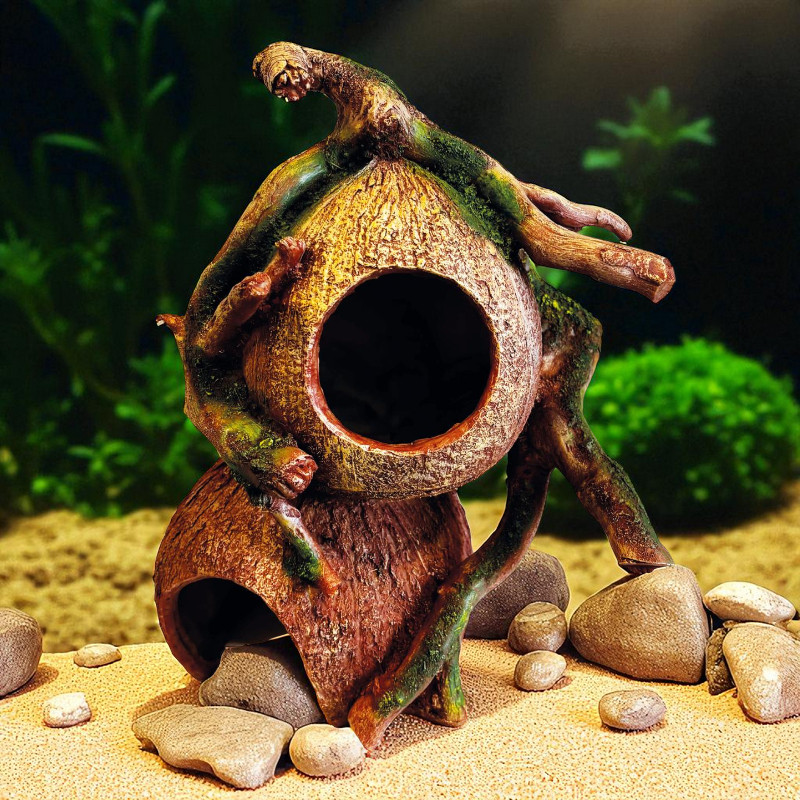
- Wood/root look: decorative, creates structure and privacy
Placement in the terrarium: how animals really use caves
For a cave to be accepted, its position is important: place caves in a partially sheltered location (not in the middle of an "open space"). Take advantage of temperature differences: warm hiding place + cool hiding place. In humid terrariums, a cave near moss or plants can provide a good microclimate. Make sure that the cave remains easily accessible – also for cleaning.
Care & Hygiene
Caves should be checked and cleaned regularly – especially if animals eat or defecate in them. Models with smooth inner surfaces are particularly easy to clean. With natural materials such as cork, it is worth checking for wear and tear from time to time.
With the right terrarium caves, you can create retreats that reduce stress, encourage natural behaviour and enhance the appearance of your terrarium. Discover suitable hiding places in your terrarium shop – for more structure, safety and well-being in the terrarium.