











Lighting in terrarium keeping
Everything you need to know about lighting in terrariums – providing the right light, keeping your pets healthy, creating an attractive display
The right lighting for your terrarium is crucial for the well-being, activity and, depending on the species, also for the health of your animals. Whether UV light for reptiles, heat lamps for basking spots or LEDs for plants and daylight optics: with the right lighting, you can create natural light conditions and support a stable climate in the terrarium.
What types of light bulbs are available – and what are they used for?
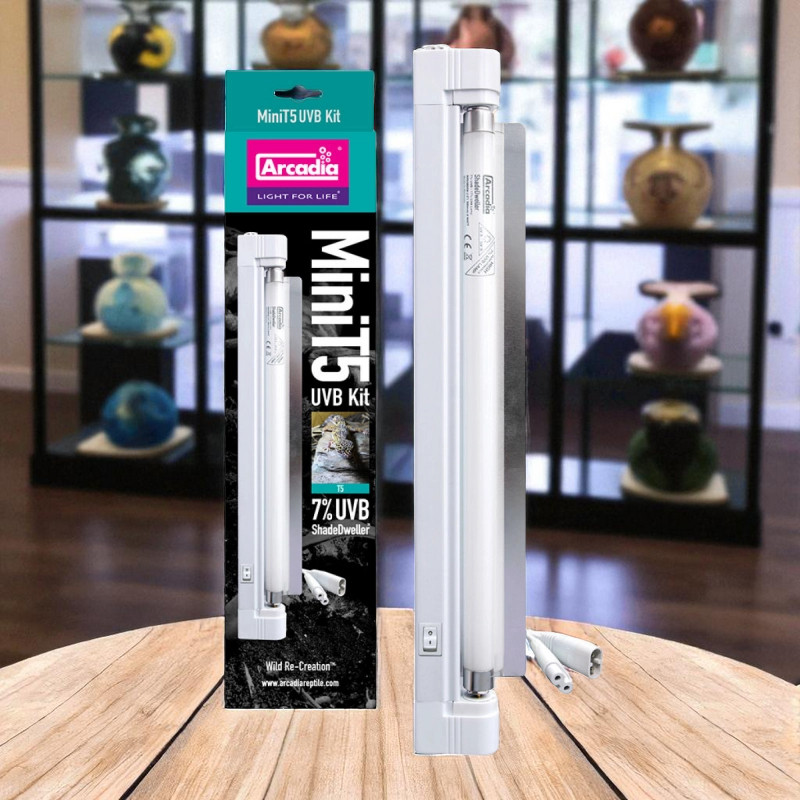
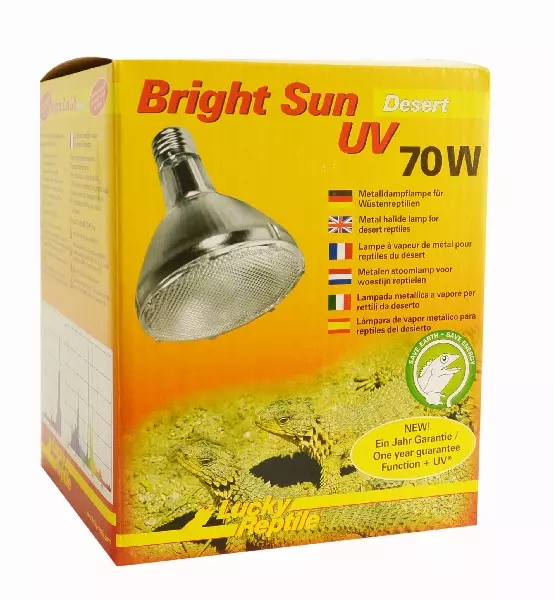
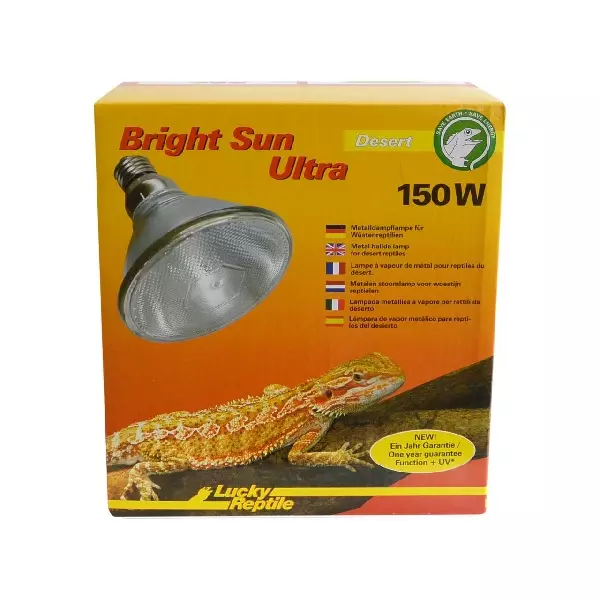
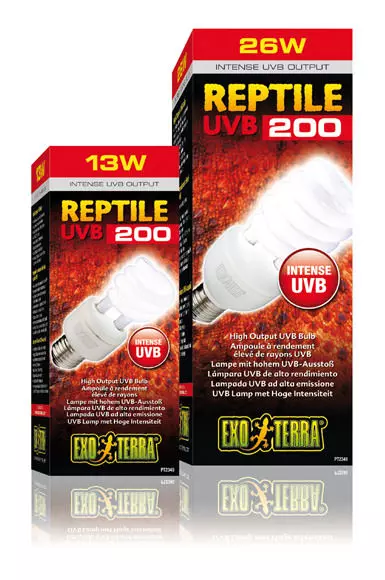
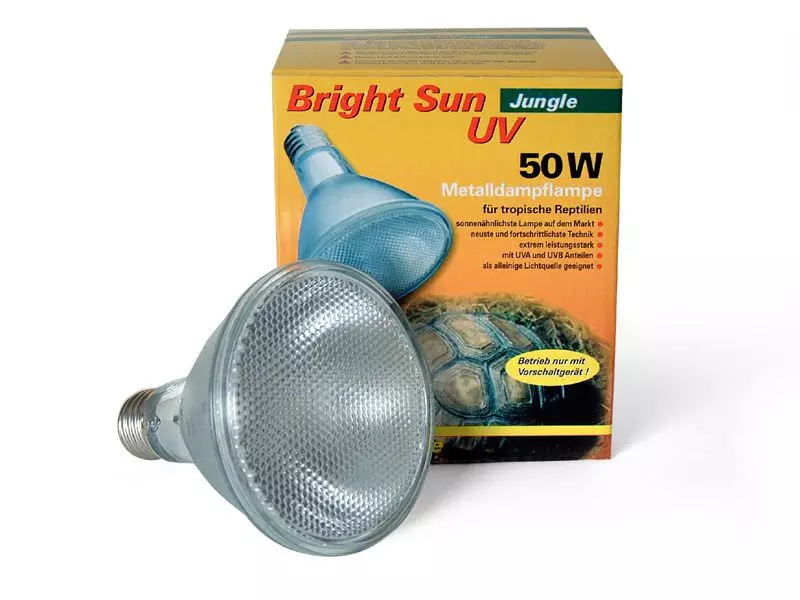
UV lamps (UVA/UVB)
Many reptiles need UVB to produce vitamin D3 and utilise calcium properly – this is important for bones, shells and metabolism. UVA also influences natural behaviour (e.g. activity, food intake).
Tip: UV requirements depend on the species – desert species usually need significantly more UV than many forest or twilight species.
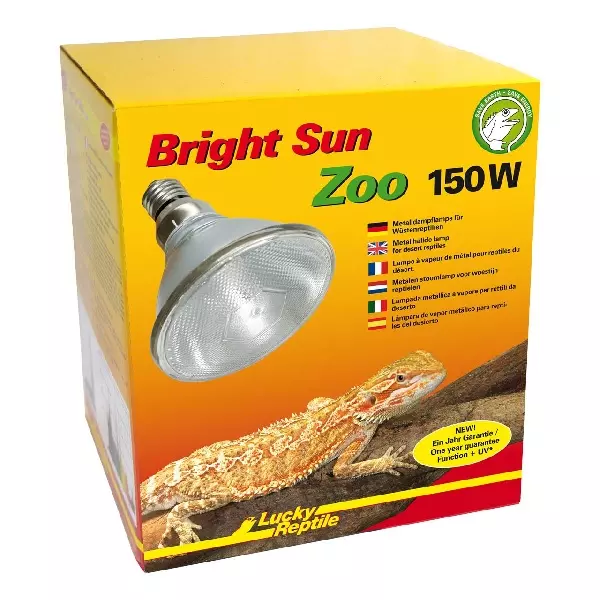
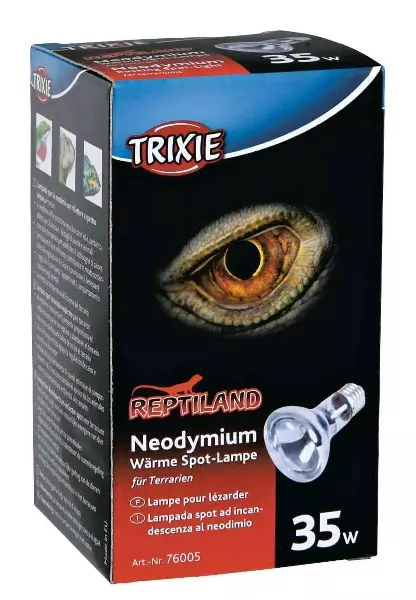
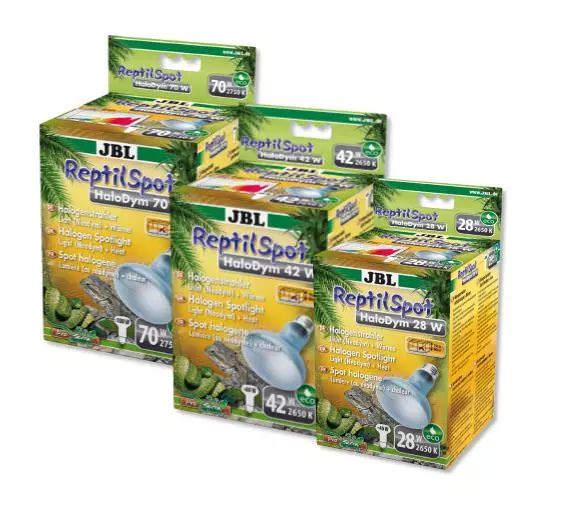
Heat lamps and spotlights
Heat spots are ideal for a clear sunny spot. This allows animals to regulate their body temperature in a targeted manner: warming up under the spot, cooling down in cooler areas. Ensure sufficient distance and suitable safety measures (e.g. lamp protection cage) to prevent the risk of burns.
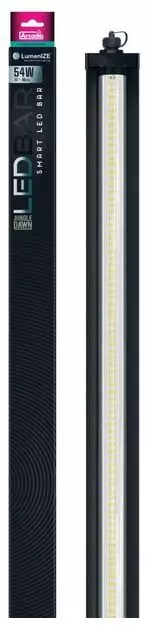
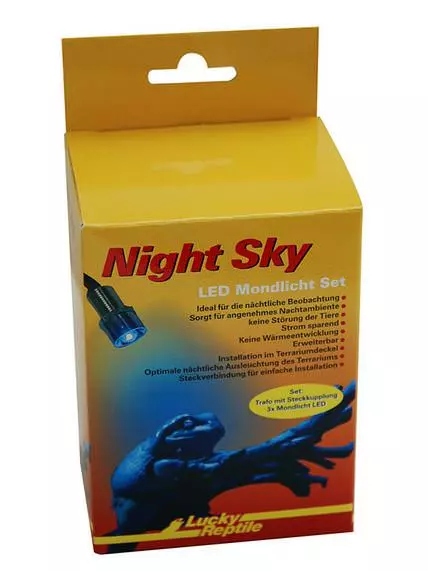
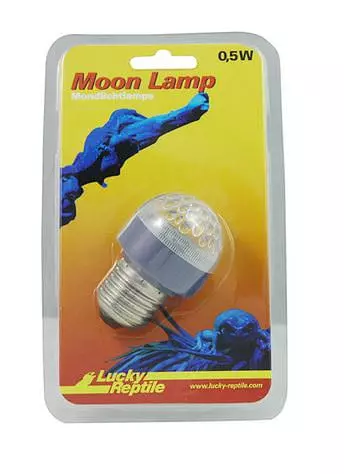
Daylight and LED lighting
LED lights provide bright, energy-efficient light and are particularly popular for: natural daylight appearance plant growth (depending on the spectrum) uniform illumination of larger terrariums LEDs do not usually replace UV – a separate UV light source is usually required for UV requirements.
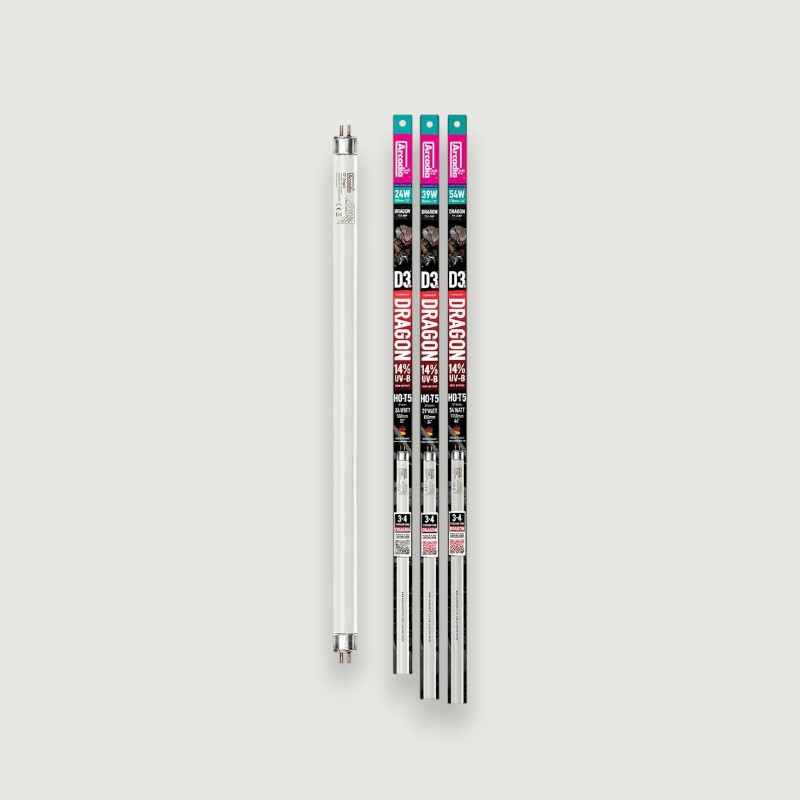
Fluorescent tubes (T5/T8) and compact lamps
Tubes are well suited for flat lighting and harmonious basic brightness. Depending on the model, there are variants with UV content or as pure daylight. Compact lamps are practical for smaller setups, but often cover less area than tubes or modern LED systems.
How to choose the right light bulb
1) Animal species and habitat
Desert, savannah, tropics or crepuscular inhabitants: the habitat determines UV intensity, brightness and heat requirements.
2) Terrarium size and structure
Tall terrariums require greater coverage (e.g. stronger UV or spotlight solutions), while shallow terrariums heat up more quickly and tend to require gentler power.
3) Combination instead of a "single-lamp solution"
In many terrariums, the best solution is a combination of: Basic lighting (LED or tube) Heat spot for sunbathing UV lighting suitable for the species
Practical tips for operation and safety
- Change light bulbs regularly: UV lamps in particular lose their effectiveness over time, even if they still shine.
- Use a timer switch: For a stable day-night rhythm (typically 10–14 hours, depending on the season/species).
- Distance & protection: Do not place spots too close to the animal; provide protective netting for climbing species.
- Measure temperature: Check sunny spots and cool areas – ideally with a reliable thermometer.
Zoo Roco – Your Swiss online shop for lighting equipment for terrariums