









Everything about terrarium sand, clay & gravel in the terrarium shop
Sand, clay and gravel are among the most important substrates in terrariums when it comes to natural and species-appropriate set-ups. Different materials are used depending on the animal species, habitat and terrarium climate. They not only influence the appearance of the terrarium, but also the behaviour of the animals, moisture regulation and the stability of the substrate. Choosing the right substrate creates an important basis for the well-being of reptiles, amphibians and invertebrates in the terrarium.
What are sand, clay and gravel used for in terrariums?
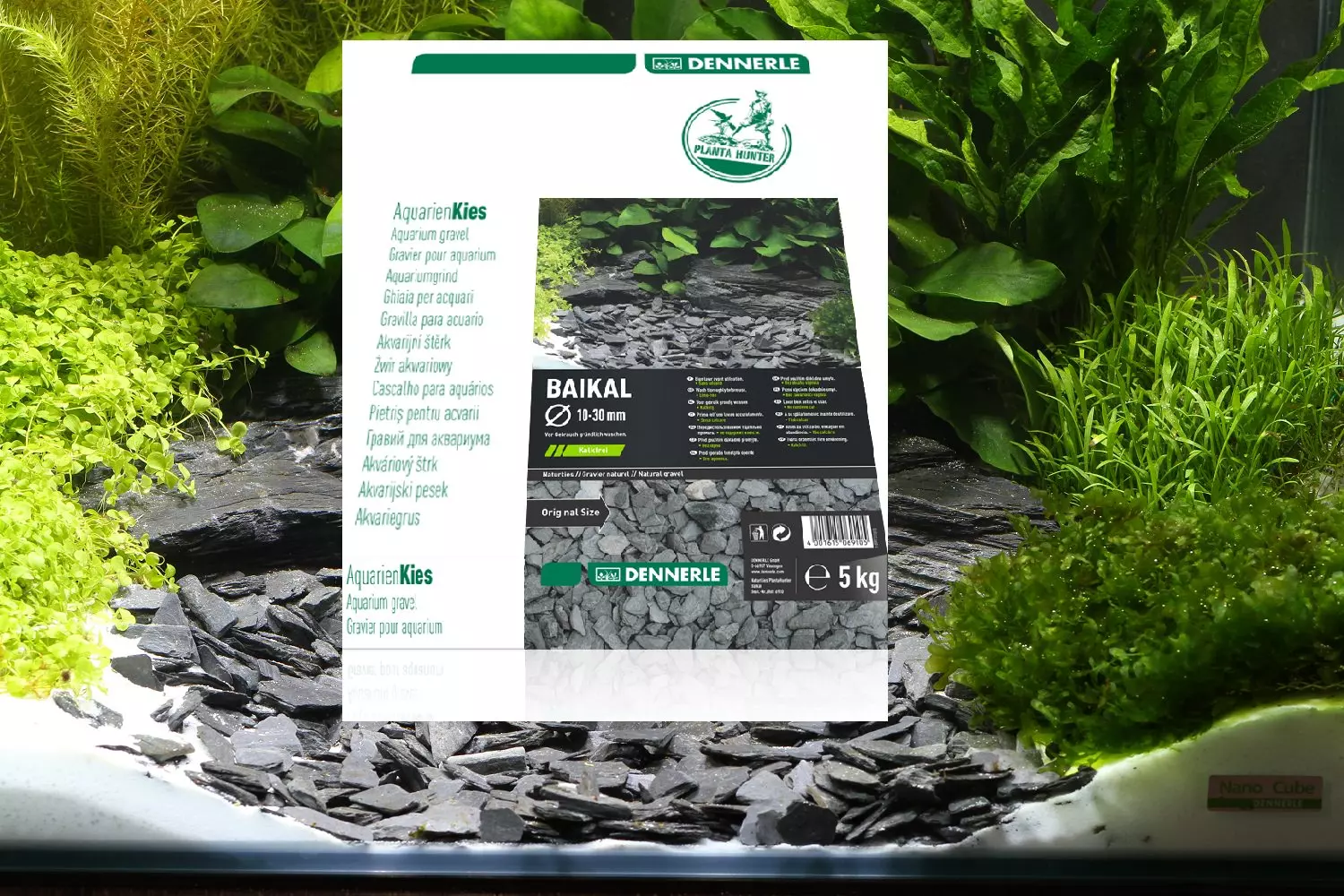
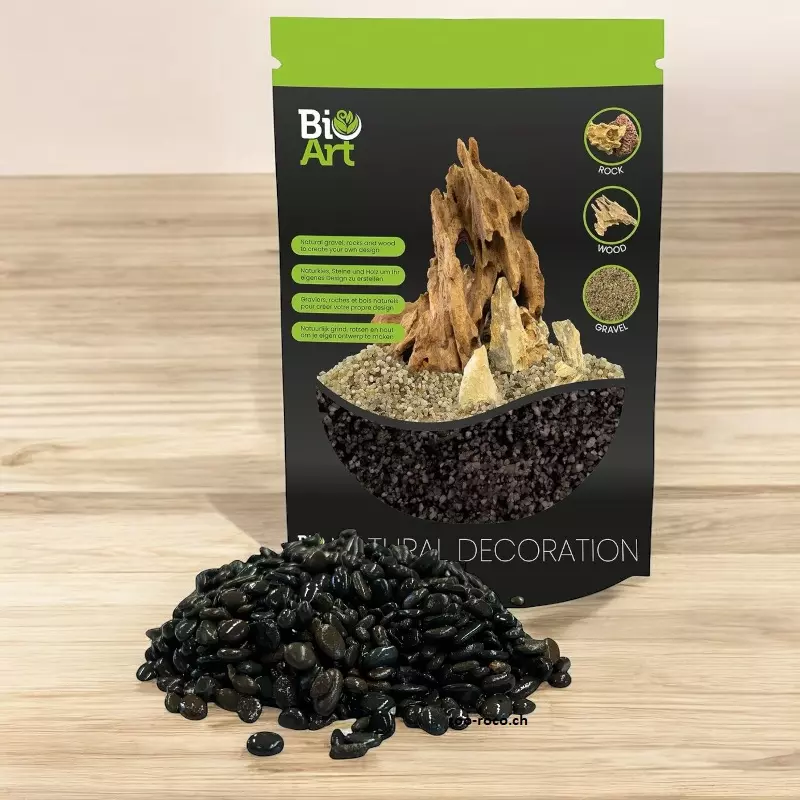
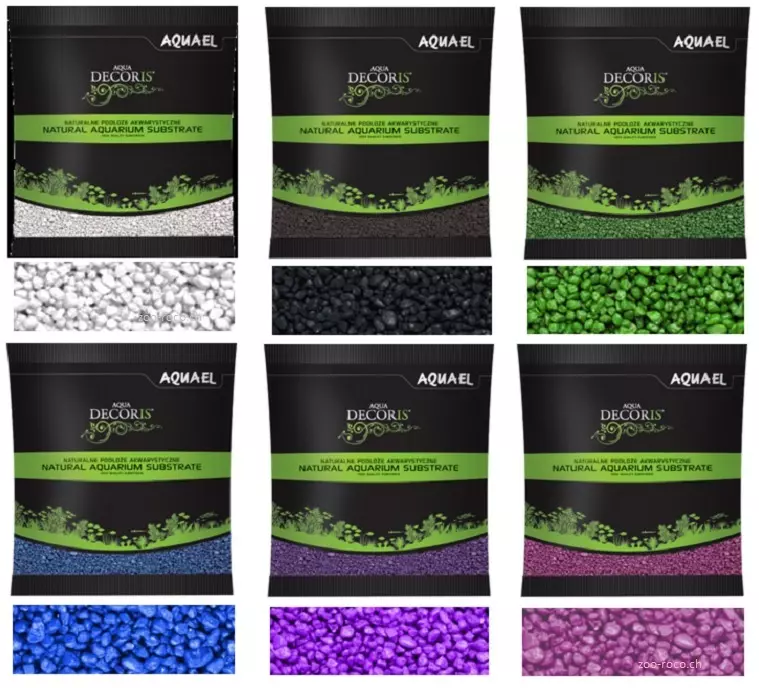
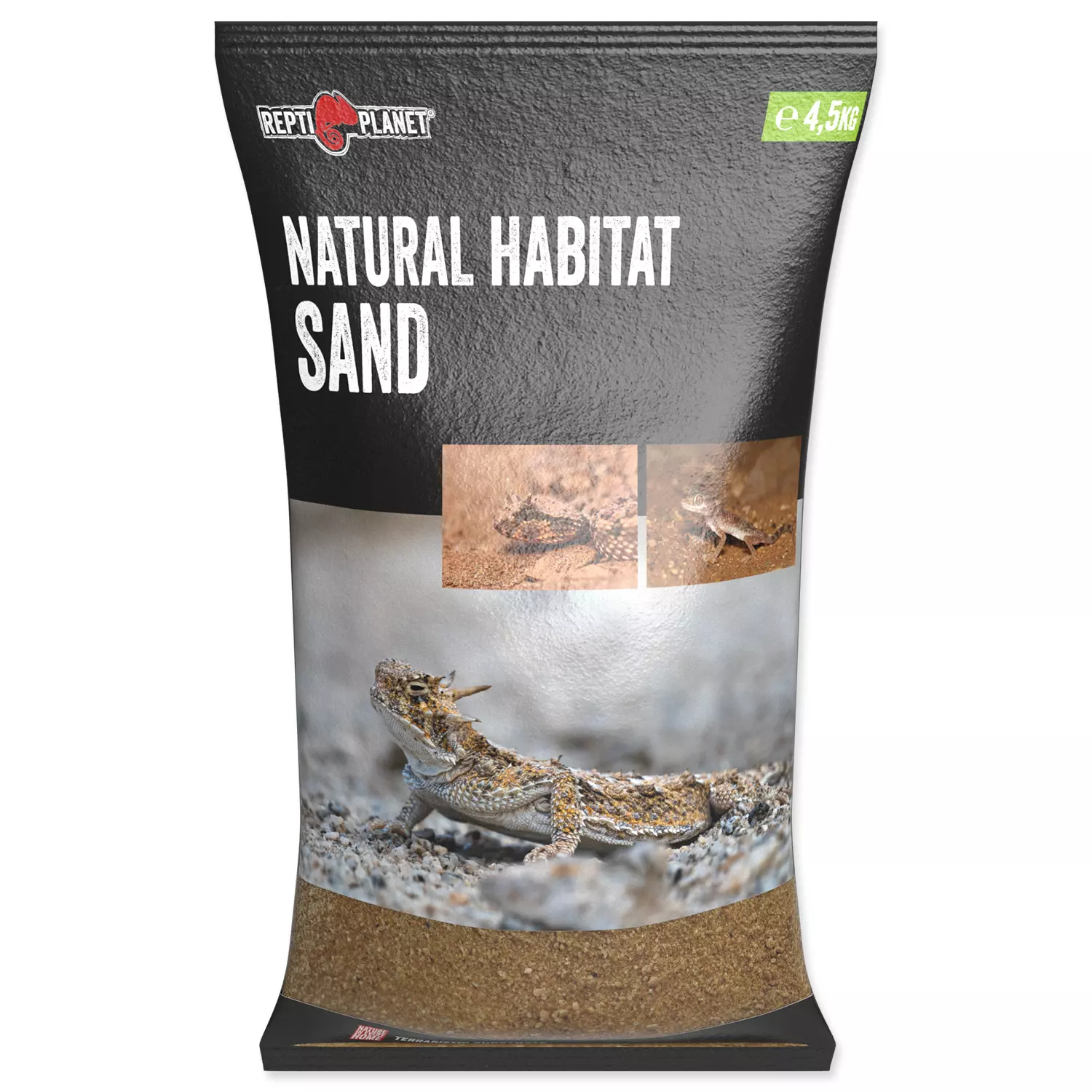
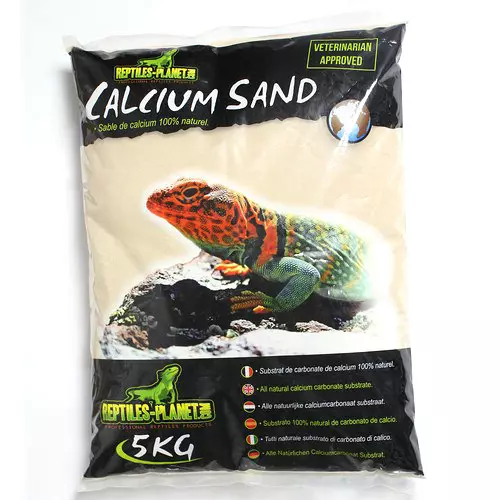
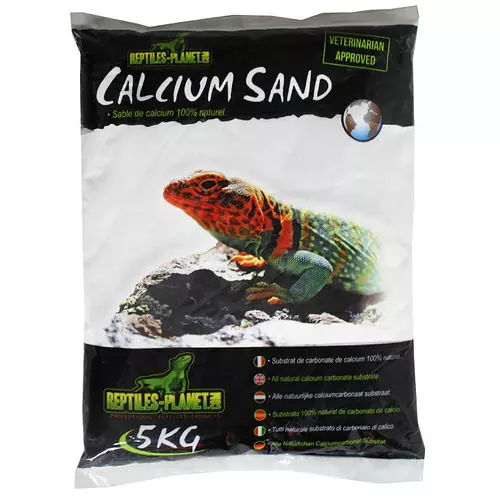
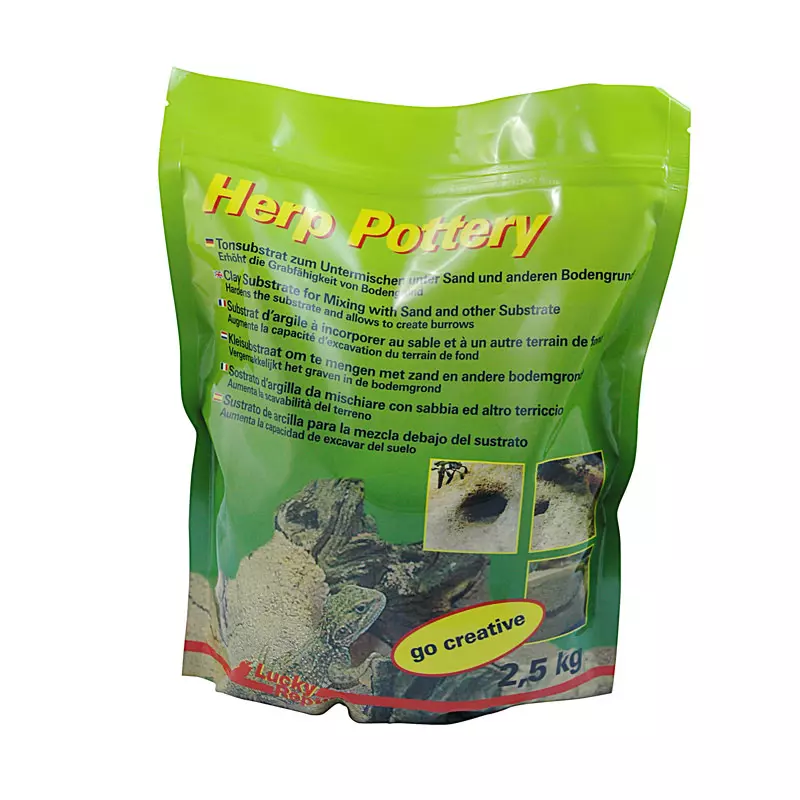
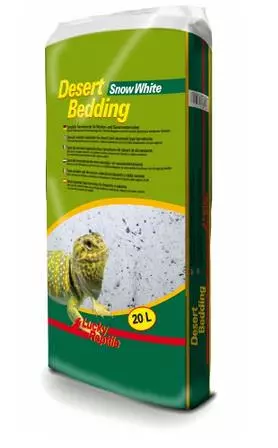
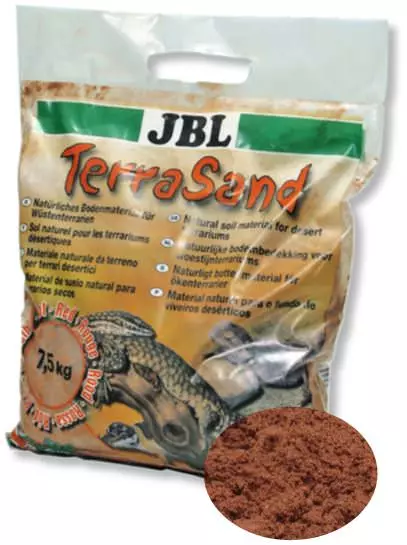
Terrarium sand is mainly used in dry and semi-dry terrariums. It provides a natural substrate that many desert and steppe dwellers are familiar with from their habitat. Sand is well suited for digging, running and creating open areas. Clay is often added to the terrarium or used as a separate component if a mouldable and firmer substrate is required. It improves the stability of the substrate and is particularly important for animals that dig burrows or create solid passages. Clay is also slightly better at retaining moisture than pure sand. Gravel is mainly used as a drainage layer, structural material or decorative element. It helps to drain excess water and can provide different soil structures in certain terrarium areas. Gravel is often a useful component in the bottom structure, especially in planted terrariums or in humid habitats.
When is which substrate needed?
Pure sand is particularly suitable for animals from dry regions where a loose and well-drained substrate is required. Sand-loam mixtures are used when the soil needs to be more stable and animals dig or create burrows. Gravel is mainly used where waterlogging must be avoided or a drainage layer is important, for example in tropical or planted terrariums. The choice of suitable substrate therefore always depends on the natural habitat of the animals kept. A desert terrarium places different demands on the substrate than a rainforest terrarium or a near-natural vivarium.
Which terrarium animals prefer which substrate?
Many bearded dragons, leopard geckos and other inhabitants of dry regions benefit from sandy or sandy substrates. Sand-loam mixtures are often the better choice for species that like to dig because they offer more stability.Uromastyx, some agamas and various skinks also prefer dry, firm and diggable soils with a clay content. Snakes that like to dig or burrow use loose to slightly compacted soil, depending on the species. Gravel is rarely used as the sole substrate for terrarium animals, but plays an important role for tropical terrariums, poison dart frogs, geckos or other inhabitants of humid habitats in the lower terrarium structure so that water can drain away better and the climate remains stable.
The right substrate for a species-appropriate terrarium
Sand, clay and gravel fulfil different but important tasks in terrariums. While sand provides a natural and loose substrate, clay brings stability and mouldability to the substrate. Gravel complements the terrarium where structure, drainage and water drainage are required. With the right substrate, you can create optimum conditions for your terrarium animals and design a terrarium that is both functional and close to nature.