NTV, Discover the Snakes

Article no: CZ-AB10917

CHF 23.90

Stock: 0

Ready for dispatch in 1-3 days, delivery time 14 working days

Delivery between Monday, 7 September and Tuesday, 8 September
Zahlungsarten
Product information "NTV, Discover the Snakes"

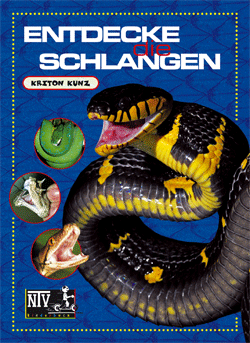
NTV, Discover the Snakes!

  • 48 pages
  • colour photos throughout
  • Large format: 20.7 x 28 cm, hardcover
  • Author Kriton Kunz
Contents:

Discover the Snakes!

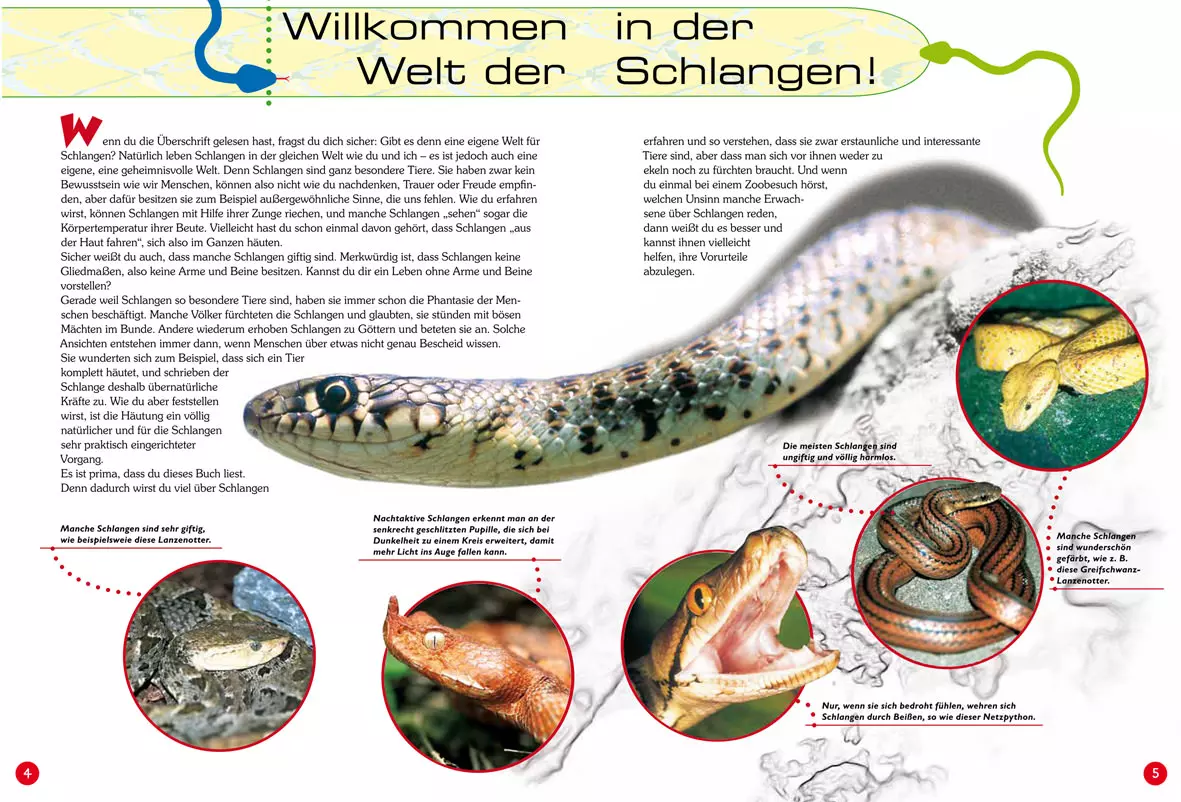
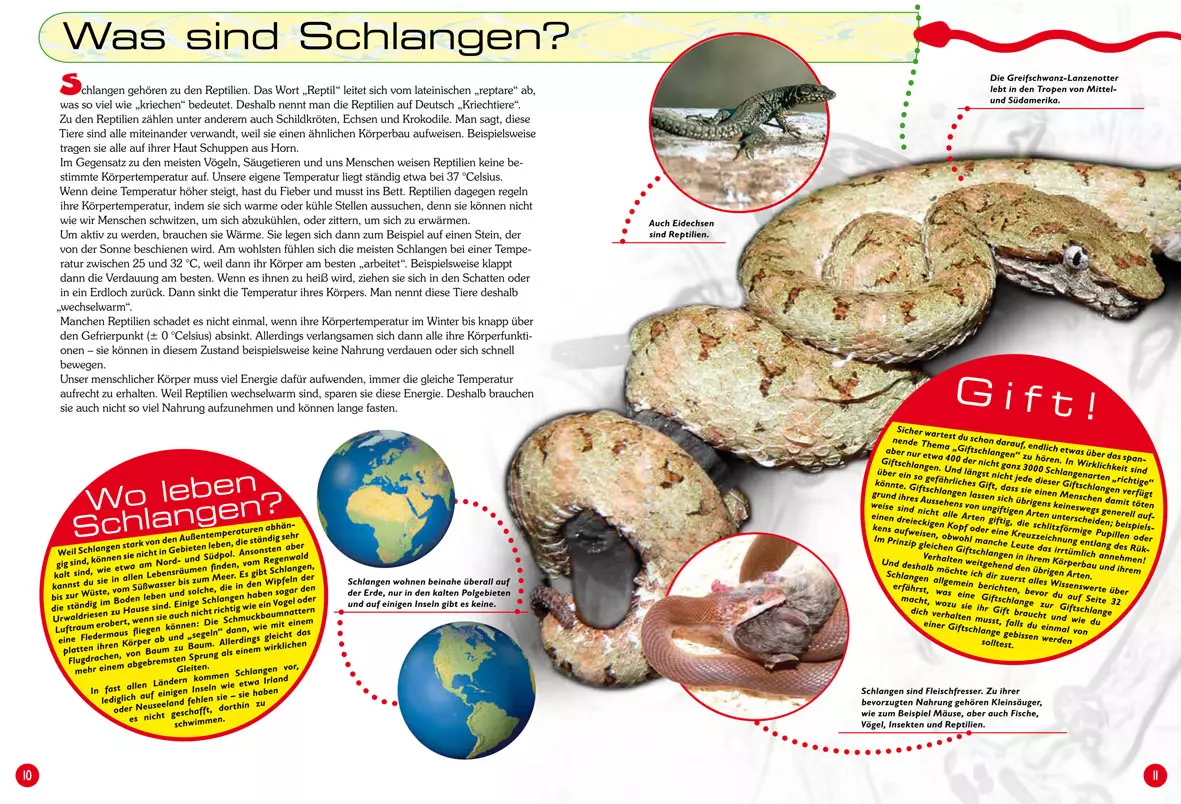
Snakes are fascinating animals. Children are particularly aware of this because they still have an unprejudiced view of the beauties and secrets of nature as well as an innate urge to explore and simply want to know everything about these mysterious and beautiful animals. REPTILIA editor Kriton Kunz is completely in tune with the views and needs of his young readers and conveys everything worth knowing about these animals in an exciting way that answers children's questions in an easily understandable and simply fun way. What are snakes, what species are there? How does their body work, why do they flick their tongues? Why do snakes shed their skin, how do they hunt and eat? Are all snakes poisonous? What can you do to protect snakes? And, of course, what particularly interests children: What records exist in the world of snakes, which is the longest, which is the most venomous, which has the most babies...?
The author not only deals with these and all other questions in detail and in a child-friendly way, but also offers two Extras on: Portraits of all native snake species to get to know and a big snake quiz in which the young experts can test their knowledge!
Conclusion: A highly valuable educational book with a high fun factor!

Composition
Feeding recommendation
Technical details
Size information

0 of 0 reviews

Give us a rating!

Share your experience with the product with other customers.


Suggested products

Handbook of food plants for tortoises and other reptiles
Handbook of forage plants 2nd revised editionMarion Minch is not only a successful breeder of diverse tortoises for many years, but also an excellent connoisseur of native wild herbs. She founded and runs samenkiste.de, which is well known to many tortoise keepers and nature lovers. Her name is inextricably linked with reptile care and species-appropriate nutrition for tortoises. Her handbook of food plants summarises the most important native food plants for herbivorous and omnivorous reptiles. She not only considers tortoises, but also iguanas, spiny-tailed dragons and even chameleons. From the basics of plant biology to native wild herbs to suitable food plants for hardy tropical reptile species, this comprehensive work provides the basis for species-appropriate keeping. In the expanded and supplemented 2nd edition, the plant section is divided according to flower colour. This makes it even easier to identify wild herbs. The work has also been supplemented with a wealth of additional information and many pictures.

CHF 46.50

Geckos
Geckos in the terrarium by Astrid FalkThe book offers a comprehensive introduction to geckos and their species-appropriate keeping in terrariums. It explains what you need to think about before buying a gecko and what preparations should be made. The book describes in detail how the terrarium is technically equipped and set up. The care of the animals, their special features and behaviour, their diet, reproduction and rearing of young animals are described, as well as diseases and husbandry problems with tried and tested suggestions for prevention and treatment. Individual gecko species that are particularly suitable for keeping and breeding in terrariums are portrayed in detail in the second part of the book.

CHF 28.50

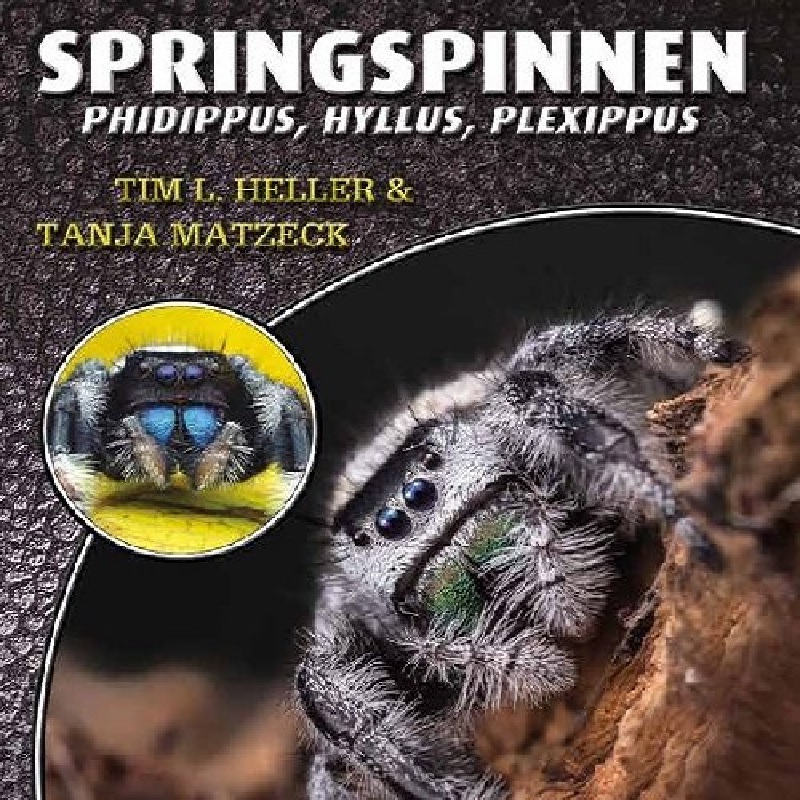
Jumping spiders Phidippus, Hyllus, Plexippus
Book Jumping Spiders - Phidippus, Hyllus & Plexippus A guide to keeping jumping spiders of the genera Phidippus, Hyllus & Plexippus. Who can resist the charm of jumping spiders? The childlike appearance of their expressive face simply leaves no one cold! In addition, their behavior is extremely exciting to observe, their colors are bright and their requirements for species-appropriate keeping are very easy to meet. No wonder these likeable jumpers are all the rage! This volume in the "Species by Species" series describes in detail what to look out for when buying and keeping them, introduces the most commonly kept species and color forms and provides plenty of tips on how to keep them successfully - so you can be sure they will breed well! Species by Species introduces you to the books in this series, which present the most popular terrarium animals. Each volume offers you detailed, practical care instructions and all the information you need to successfully breed your animals. All important questions from the required tank size to terrarium set-up, technical equipment, species-appropriate nutrition and disease prevention are answered with numerous tricks and tips. Experienced, long-standing breeders reveal how you can encourage the animals to reproduce and raise healthy young. All this in full color, generously illustrated and attractively designed - just about your terrarium animal - species by species

CHF 23.90

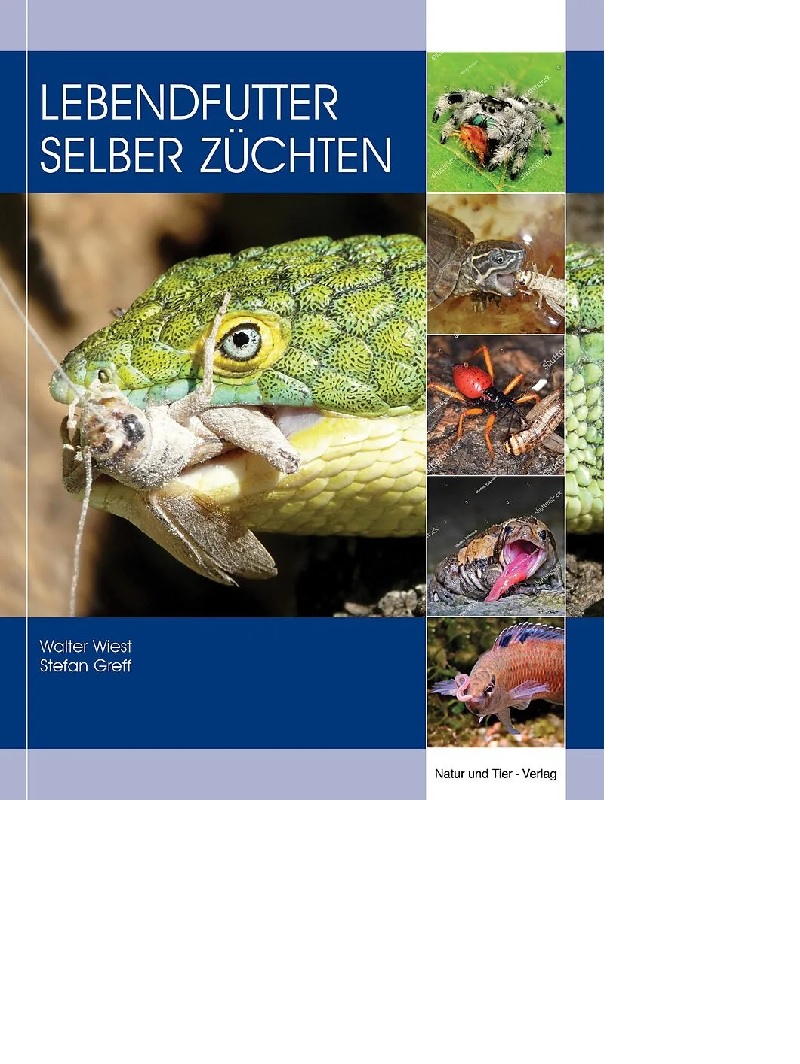
Book Breeding live food yourself
Book "Grow your own live food" - The perfect guide for pet owners Discover practical and detailed instructions on how you can easily breed food for your reptiles, birds, fish or other animals yourself in the book "Breeding live food yourself". With valuable tips on various food insects, their care and breeding, you can save money and ensure a species-appropriate diet for your pets. Contents of the book: Step-by-step instructions for breeding feeder insects Information on the best types of food for reptiles, birds and fish Care instructions and breeding conditions for various live food species Tips for sustainable and cost-effective food production Why breed your own live food? Get healthy, fresh food for your animals Save money and reduce dependence on pet shops Promote the health and well-being of your animals with species-appropriate food Whether you are a beginner or an experienced pet owner, this book provides you with everything you need to successfully breed live food yourself.

CHF 46.50

Marginata 69 - New Guinea tortoises
Marginata 69 - New Guinea tortoises – the genus ElseyaCover storyThe unrecognised beauties: New Guinea tortoises (Andreas S. Hennig)My experiences with Branderhorst's New Guinea tortoise, Elseya (Elseya) branderhorsti (Ouwens, 1914) (Andreas S. Hennig)Keeping and breeding of Rhodin's New Guinea tortoise, Elseya (Hanwarachelys) rhodini Thomson, Amepou, Anamiato & Georges, 2015 (Andreas S. Hennig)PortraitGeoemyda spengleri, Chinese serrated tortoise (Andreas S. Hennig)ReportageMacrochelys temminckii – Experiences and impressions with vulture tortoises part 2 (Reiner Praschag)KeepingAn alternative to year-round keeping of the Egyptian tortoise in the terrarium – my experiences with seasonal outdoor keeping of Testudo kleinmanni (Ricarda Schramm)EtymologySawbacks and living maps part 4: Graptemys gibbonsi, Pascagoula humpback tortoise (Holger Vetter)Classifieds & animal placement

CHF 16.50

Bird spiders in the terrarium
Alles über Vogelspinnen im Terrarium von Martin Meinhardt 136 Seiten 123 Farbfotos, mit Karte und 4 grafischen Darstellungen Format: 16,8 x 21,8 cm 3. Auflage Taschenbuch Autor Martin Meinhardt Verlag NTV Inhalt: Vogelspinnen sind traumhafte Terrarientiere! Ihr attraktives Äusseres und das spannende Verhalten lassen sie in der Gunst der Spinnenfreunde ganz oben stehen. Der langjährige und versierte Züchter Martin Meinhardt erläutert in dieser überarbeiteten und um viele Artporträts erweiterten Auflage seines Praxis-Ratgebers alles, was Sie für die artgerechte Pflege und die erfolgreiche Nachzucht der Tiere wissen müssen. Systematik – die Verwandtschaft der Vogelspinnen Körperbau – so funktioniert eine Vogelspinne Gift und Brennhaare – warum Vogelspinnen trotzdem nicht gefährlich sind Verhalten – Beuteerwerb, Balz und Fortpflanzung Artgerechte Pflege – Einrichten und Klimatisieren geeigneter Terrarien; Vogelspinnen richtig füttern Erfolgreich nachzüchten – Geschlechtsunterschiede, Verpaarung, Aufzucht der Jungtiere Detaillierte Artporträts – ausführliche Informationen zu besonders geeigneten Arten Faszinierende Farbfotos

CHF 33.50

Reptilia 99 - Saving energy in terraristics
Reptilia 99 - Saving energy in terraristics Red-backed spiderIncubation of monitor lizard eggsHind Indian hinged tortoise Contents: EDITORIALMAGAZINE AROUND THE WORLD IN 5 YEARSWaiting with turtlesA. Pachmann DATES WESTERN HERP PERSPECTIVESAgainst winter depressionB. Love PHOTOREPORTAGEEnergy revolution in the terrarium. Ideas and suggestions on how to reduce power consumption and energy costs when keeping terrarium animalsB. Akeret REPORTAGEAmphibians and reptiles in the energy-saving house. Opportunities and possibilities of the Renewable Energy Sources Act for terrarium husbandryT. Eisenberg REPORTAGELarge terrariums for giant snakes and saving energy – a contradiction?S. Müller KEEPING AND BREEDINGKeeping and breeding the red-backed spider (Latrodectus hasselti)M. Schmidt HERPETOFAUNAFringed-finger lizards (Acanthodactylus) in the wild and in the terrarium. Part 6: The Acanthodactylus-boskianus groupU. Schlüter REPRODUCTIONOn the incubation of clutches of Varanus kingorum, King's dwarf monitorR. Vitt REPORTAGELooking for snakes on a family holiday. A drama in three actsT. Schmidt REPORTAGEThe tortoises of Kalogria (Peloponnese)M. Rogner ANIMALS OF OUR HOMEThe grass frogR. Leptien Test runLibrarySUBSCRIPTION & SERVICEALSO NEAR YOU TRAVELVisiting Cuora galbinifrons on Hainan, ChinaT. Blanck PREVIEW BRUTKASTEN I would even let myself be locked up for REPTILIA – Part 1H. Werning

CHF 12.00

Reptilia 01 - Crocodiles
Reptilia 01 - CrocodilesBearded dragonsFire SalamandersBaja californiaGAUDÍ and herpetologyContents:2 - Editorial6 - Magazine14 - Keeping and breeding: Bearded crocodiles, by J. Bergadá and J. Pether23 - Travelogue: Crocodiles in Ghana, by S. Zwernemann26 - Report: Hamburger made from crocodile meat, by M. Schmidt29 - Terraristics: Keeping guidelines for crocodiles30 - Pros and cons: keeping crocodiles33 - Travelogue: Baja California, by H. Werning39 - Portrait and poster: Hyla meridionalis, by M. Aresté and J. L. Farriols43 - Terraristics: Sexing of snakes, by Dr M. Bachs46 - Keeping and reproduction: Acrantophis dummeriliby W. Wengler49 - Herpetofauna, Fire Salamanders, by X. Rivera and A. de Saint Paul58 - Herpetology and culture: Gaudí and herpetology, by E. Filella64 - Veterinary medicine - Shell necrosis in turtles, by C. Lopez del Castillo71 - Report: Species conservation in the jungle of French Guiana, by S. Alviani73 - Library77 - Advice and action80 - Incubator: Glossary by H. Werning

CHF 9.80

The prairie garter snake
All about the Prairie Garter Snake by Martin Hallmen 64 pages Format: 14.8 x 21 cm numerous colour photos Contents: The prairie garter snake has a very alert nature. It is usually particularly active and interested in the terrarium. It remains very calm when handled and does not tend to bite.This volume from the "Species by Species" series is intended to provide the basic knowledge for keeping them in a species-appropriate way and shows how easy the prairie garter snake makes it for you if you decide to keep it. Systematics and body structure The fascinating biology: From the life of the prairie garter snake All information on species-appropriate keeping: from suitable terrariums to equipment and technology to feeding Successful breeding: Mating stimulation and rearing young animals Solutions to problems: How to avoid the most common mistakes in care and how to help sick animals Brilliant photos

CHF 16.90

Reptilia 85 - Snake-necked tortoises
Reptilia 85 - Snake-necked tortoisesCrocodile-tailed crested lizardBreeding of the king pythonPristidactylus valeriaeContents:The snake-necked turtles include such popular species for the aquaterrarium as the Australian representatives of the genus Chelodina or the pointed-headed turtles of the genus Emydura, but also the bizarre Mata-Mata from the waters of Amazonia or the funny toad-headed turtles of the genus Phrynops. In our cover story, we introduce you to this exciting family of turtles with lots of brilliant photos and portray some particularly interesting species in detail.Table of contentsEDITORIALMAGAZINEEcotourism de luxe: End of the chameleon conservation project in the Peloponnese?H. WerningSancho, the illegal immigrant - what to do when exotic animals are found?S. SchletchSkin-eating blind worms bred for the first timeA. Kupfer & S. ReinhardWESTERN HERP PERSPECTIVESConfusing species protectionBill LovePHOTOSTORY Snake-necked tortoises J. ValverdeKEEPING AND REPRODUCTIONThe Argentine snake-necked tortoise(Hydromedusa tectifera) - observations in biotope and terrarium D. FabiusKEEPING AND REPRODUCTION Keeping and breeding of the broad-breasted snapping turtle, Myuchelys latisternum(Elseya latisternum) H. ProkopTRAVEL Cave dwellers in the PhilippinesM. GaulkePORTRAIT AND POSTER Telescopus fallax (Fleischmann 1831). European cat snakeK. Ehrlich & B. TrappHERPETOFAUNA A conservation project for the Valeria large-headed iguana, Pristidactylus valeriae - with the support of REPTILIA B. CamousseigtKEEPING AND REPRODUCTION Versatile favourites. Experiences with Royal PythonsM. BorerKEEPING AND REPRODUCTION News on sex determination of the crocodile-tailed humpback lizard, Shinisaurus crocodilurus M. ZollwegHERPETOFAUNA Basking sites on mangrove biotopes of Phelsuma robertmertensi Meier, 1980 on the Comorian island of Mayotte P. KrauseANIMALS OF OUR HOMEA snake that is not a snake: the slow wormR. LeptienLIBRARYSUBSCRIPTION & SERVICEALSO NEAR YOUPREVIEWBRUTKASTENBag magicM. ZawadzkiDATESHeiko WerningWESTERN HERP PERSPECTIVESConfusing species protectionB. Love

CHF 12.00

Reptilia 04 - Bird spiders
Reptilia 04 - Tarantulas SkinkThailandMysticism & superstition Contents: Page 2 - EditorialPage 3 - Letters to the editorPage 6 - MagazinePage 17 - Photo reportage: Tarantulas, by P. KlaasPage 23 - Keeping and reproduction: Keeping and breeding tarantulas, by P. KlaasPage 26 - Terraristics and law: Legal issues in keeping spiders and scorpions, by D. RösselPage 27 - Report: A feast of tarantulas, by R. WestPage 30 - Psychology: Arachnophobia, by L. HogebackPage 33 - Travelogue: Thailand - Mecca of herpetological tourism, by J. BergadáPage 37 - Travelogue: The snake farm of Bangkok, by J. ViaderPage 39 - Portrait and poster: Chondropython viridis, by M. Aresté and J. L. FarriolsPage 43 - Herpetofauna: Skinks, by P. Gassner and A. HauschildPage 50 - Reptilia on the road: Terrarium displays, by H. WerningPage 54 - Terraristics and law: Snake keeping in residential property and tenancy law, by D. RösselPage 57 - Herpetology and Culture: Magic and Superstition, Part 1: Turtles and Amphibians, by L. B. Carissimi-PriorPage 62 - Terraristics: Egg-laying problems with tortoises, by E. MeierPage 69 - Supplement: Venomous snakesPage 74 - Advice and actionPage 76 - LibraryPage 80 - Incubator: Glossary by H. Werning

CHF 9.80

Marginata 11 - Serrated Earth Turtles
Marginata 11 - Serrated Earth Turtles Food plants 6The tortoises of SyriaCumberland tortoise Contents: 2 EDITORIAL 3 MAGAZINE 8 DATES 10 PHOTO REPORTAGEThe Spiked Tortoise Geoemyda spengleri (Gmelin, 1789) - A fascinating speciesHans - Dieter Philippen 16 REPORTAGE Natural diet of the serrated earth turtle(Geoemyda spengleri) Ingo Schaefer 21 BREEDING IN HUMAN CARENatural and behaviourally appropriate acclimatisation,Keeping and breeding of the serrated tortoise(Geoemyda spengleri) (Gmelin, 1789) Irmtraud Jasser-Häger & Andrea Saus 31 PORTRAITBurmese star tortoiseGeochelone platynota (Blyth, 1869)Irmtraud Jasser-Häger & Hans - Dieter Philippen 35 REPORTAGE Food plants for tortoises part 6Susanne Vogel 42 TRAVEL Turtles bring luckIn search of turtles in Syria Sebastian Fischer 50 REPORTAGE Article on the Cumberland box turtle Trachemys scripta troostii (Holbrook 1836)Andreas S. Hennig 58 SHORT REPORT Encounter with a snapping turtle(Chelydra serpentina) in Upper BavariaSusanne Vogel 60 BOOK TIP 61 CLASSIFIEDS 62 REGIONAL GUIDE

CHF 14.70