Reptilia 52 - Maci frogs

Article no: reptilia52

CHF 11.20

Stock: 0

Ready for dispatch in 1-3 days, delivery time 7 working days

Delivery between Monday, 9 November and Tuesday, 10 November
Zahlungsarten
Product information "Reptilia 52 - Maci frogs"

Reptilia 52 - Maci frogs

Wrath snakes
Snake procession
Fishing spiders

Contents:

    • 2 EDITORIAL
    • 6 MAGAZINE
    • 16 DATES
    • 20 PHOTO REPORTAGE
      The fairies of the forest
      The Maci frogs of the genus Phyllomedusa
      by E. Biggi
    • 31 HERPETOFAUNA
      The Brazilian Maci frog Phyllomedusa burmeisteri by J. Bertoluci, P. S. Santos, M. A. S. Canelas & J. Cassimiro
    • 35 KEEPING AND BREEDING
      The breeding of the giant Maci frog, Phyllomedusa bicolor by S. Soden
    • 41 TRAVEL
      The emerald lizard forest of Caorle
      Herpetological observations between Venice and Trieste by S. Meyer
    • 51 PORTRAIT AND POSTER
      Leiocephalus carinatus
      by K. Kunz
    • 56 HERPETOFAUNA
      The wrath snakes of North Africa by U. Schlüter
    • 66 KEEPING AND BREEDING
      A pirate's life
      Keeping and breeding the fishing spiders Ancylometes - Part 1
      by K. Kunz
    • 72 HERPTOCULTURE
      The snake procession of Cocullo
      by M. Meyer
    • 79 REPTILIA ON THE ROAD
      The South America rainforest house in Krefeld Zoo
      by A. Hauschild
    • 86 LIBRARY
    • 90 CLASSIFIEDS
    • 95 WESTERN HERP PERSPECTIVES
      A lovely herping place
      by B. Love
  • 104 GLOSS
    Spider webs – spider life
    by H. Werning
Composition
Feeding recommendation
Technical details
Size information

0 of 0 reviews

Give us a rating!

Share your experience with the product with other customers.


Suggested products

Handbook of food plants for tortoises and other reptiles
Handbook of forage plants 2nd revised editionMarion Minch is not only a successful breeder of diverse tortoises for many years, but also an excellent connoisseur of native wild herbs. She founded and runs samenkiste.de, which is well known to many tortoise keepers and nature lovers. Her name is inextricably linked with reptile care and species-appropriate nutrition for tortoises. Her handbook of food plants summarises the most important native food plants for herbivorous and omnivorous reptiles. She not only considers tortoises, but also iguanas, spiny-tailed dragons and even chameleons. From the basics of plant biology to native wild herbs to suitable food plants for hardy tropical reptile species, this comprehensive work provides the basis for species-appropriate keeping. In the expanded and supplemented 2nd edition, the plant section is divided according to flower colour. This makes it even easier to identify wild herbs. The work has also been supplemented with a wealth of additional information and many pictures.

CHF 46.50

Geckos
Geckos in the terrarium by Astrid FalkThe book offers a comprehensive introduction to geckos and their species-appropriate keeping in terrariums. It explains what you need to think about before buying a gecko and what preparations should be made. The book describes in detail how the terrarium is technically equipped and set up. The care of the animals, their special features and behaviour, their diet, reproduction and rearing of young animals are described, as well as diseases and husbandry problems with tried and tested suggestions for prevention and treatment. Individual gecko species that are particularly suitable for keeping and breeding in terrariums are portrayed in detail in the second part of the book.

CHF 28.50

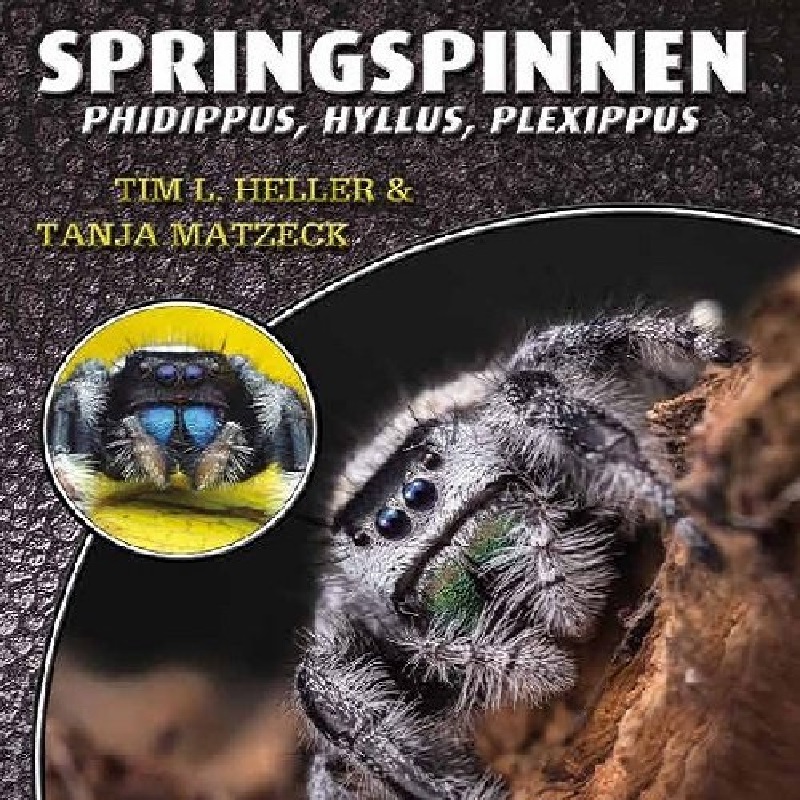
Jumping spiders Phidippus, Hyllus, Plexippus
Book Jumping Spiders - Phidippus, Hyllus & Plexippus A guide to keeping jumping spiders of the genera Phidippus, Hyllus & Plexippus. Who can resist the charm of jumping spiders? The childlike appearance of their expressive face simply leaves no one cold! In addition, their behavior is extremely exciting to observe, their colors are bright and their requirements for species-appropriate keeping are very easy to meet. No wonder these likeable jumpers are all the rage! This volume in the "Species by Species" series describes in detail what to look out for when buying and keeping them, introduces the most commonly kept species and color forms and provides plenty of tips on how to keep them successfully - so you can be sure they will breed well! Species by Species introduces you to the books in this series, which present the most popular terrarium animals. Each volume offers you detailed, practical care instructions and all the information you need to successfully breed your animals. All important questions from the required tank size to terrarium set-up, technical equipment, species-appropriate nutrition and disease prevention are answered with numerous tricks and tips. Experienced, long-standing breeders reveal how you can encourage the animals to reproduce and raise healthy young. All this in full color, generously illustrated and attractively designed - just about your terrarium animal - species by species

CHF 23.90

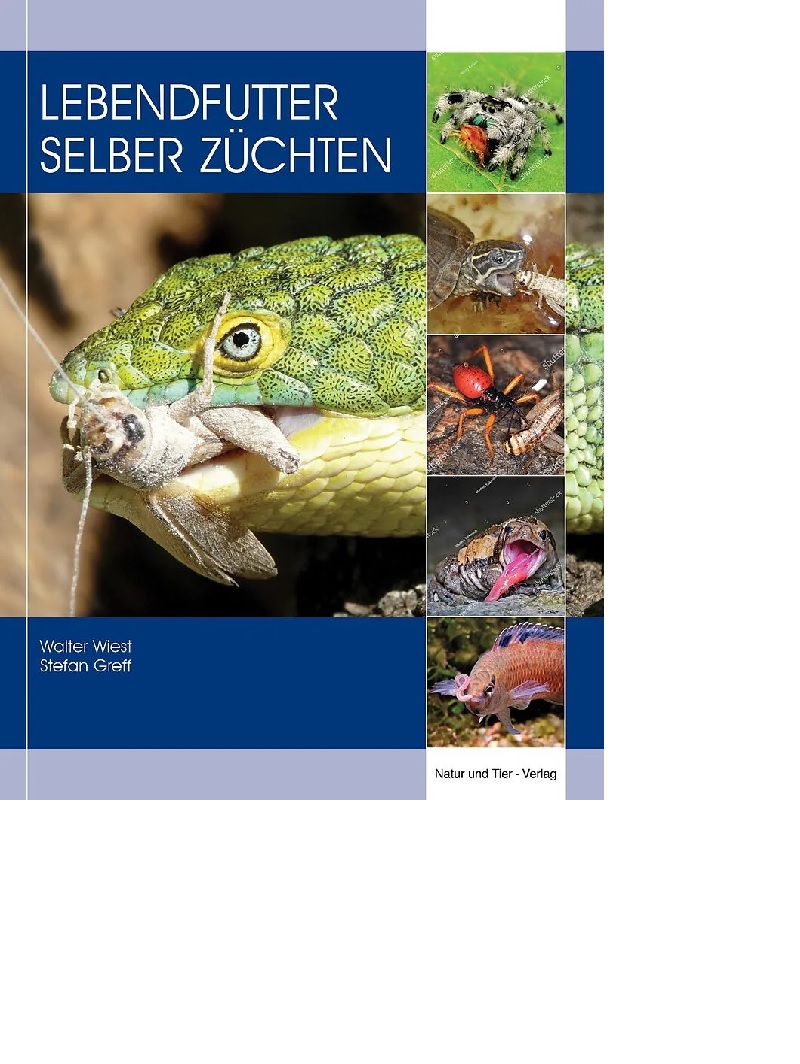
Book Breeding live food yourself
Book "Grow your own live food" - The perfect guide for pet owners Discover practical and detailed instructions on how you can easily breed food for your reptiles, birds, fish or other animals yourself in the book "Breeding live food yourself". With valuable tips on various food insects, their care and breeding, you can save money and ensure a species-appropriate diet for your pets. Contents of the book: Step-by-step instructions for breeding feeder insects Information on the best types of food for reptiles, birds and fish Care instructions and breeding conditions for various live food species Tips for sustainable and cost-effective food production Why breed your own live food? Get healthy, fresh food for your animals Save money and reduce dependence on pet shops Promote the health and well-being of your animals with species-appropriate food Whether you are a beginner or an experienced pet owner, this book provides you with everything you need to successfully breed live food yourself.

CHF 46.50

Marginata 69 - New Guinea tortoises
Marginata 69 - New Guinea tortoises – the genus ElseyaCover storyThe unrecognised beauties: New Guinea tortoises (Andreas S. Hennig)My experiences with Branderhorst's New Guinea tortoise, Elseya (Elseya) branderhorsti (Ouwens, 1914) (Andreas S. Hennig)Keeping and breeding of Rhodin's New Guinea tortoise, Elseya (Hanwarachelys) rhodini Thomson, Amepou, Anamiato & Georges, 2015 (Andreas S. Hennig)PortraitGeoemyda spengleri, Chinese serrated tortoise (Andreas S. Hennig)ReportageMacrochelys temminckii – Experiences and impressions with vulture tortoises part 2 (Reiner Praschag)KeepingAn alternative to year-round keeping of the Egyptian tortoise in the terrarium – my experiences with seasonal outdoor keeping of Testudo kleinmanni (Ricarda Schramm)EtymologySawbacks and living maps part 4: Graptemys gibbonsi, Pascagoula humpback tortoise (Holger Vetter)Classifieds & animal placement

CHF 16.50

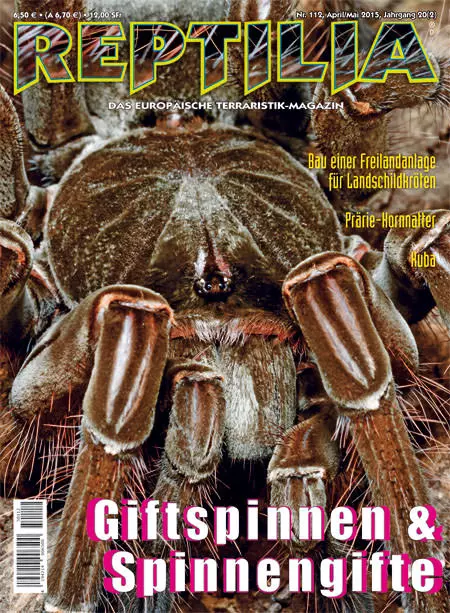
Reptilia 112 - Poison spiders & spider poisons
Reptilia 112 - Venomous Spiders & Spider Venoms Building an outdoor enclosure for tortoisesPrairie horned snakeCubaContents: Cover story: Venomous spiders & spider venomsAll spiders are venomous, including tarantulas, which are particularly popular in terrariums. Nevertheless, they are largely harmless to humans, but are often considered dangerous. This becomes a problem when legislators believe they need to protect the public from these “dangerous animals”. But how dangerous are venomous spiders really? We provide an overview, take a tour of the spider fauna in Australia, the kingdom of all venomous animals, and cover the keeping of venomous spiders in terrariums, from tarantulas to black widows. EditorialMAGAZINEDATES WESTERN HERP PERSPECTIVESFrog paradise EuropeB. Love Photo story“Venomous spiders” in terraristicsK. Kunz ReportageQueensland’s spiders and their venoms Part 1: The mygalomorph spidersT. J. Hauke Bibliography Keeping and breedingVenomous yet harmless – the genera Loxosceles and Sicarius in the terrariumG. Ackermann & A. Leetz ReportageStung by a tarantula? The South Russian tarantula (Lycosa singoriensis) in BurgenlandH.-J. Luef TERRARIUM PRACTICEOutdoor enclosure for tortoises 2.0M. Hallmen KEEPING AND BREEDINGRediscovering an old acquaintance: the Prairie Corn Snake (Pantherophis emoryi emoryi)K. Kessler Animals of our homelandThe smooth newtR. Leptien ServiceLibraryALSO NEAR YOU JourneyCuba all inclusive. Beaches, cocktails, anoles and roll-tailed iguanasI. Kober PREVIEW BRUTKASTEN Chuckwalla anecdotes Part 1H. Werning

CHF 12.00

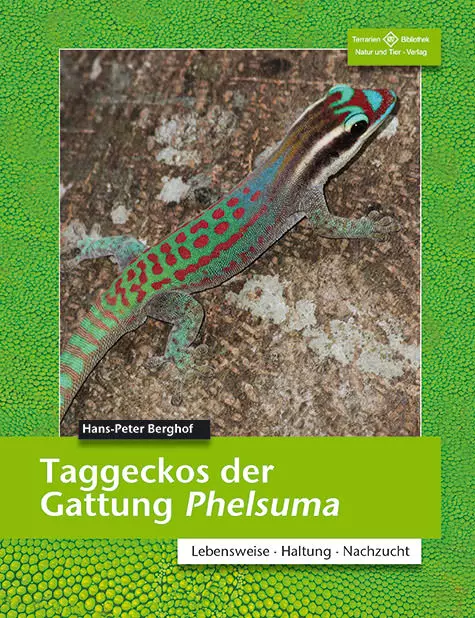
NTV Taggeckos of the genus Phelsuma
NTV day geckos of the genus Phelsuma - the absolute favourites of terrarium keepers. Hans-Peter Berghof 192 pages many illustrations Format: 16.8 x 21.8 cm 3rd revised and extended edition Contents: The day geckos of the genus Phelsuma with their bright colours and interesting behaviour are among the absolute favourites of terrarium keepers.Hans-Peter Berghof has been successfully breeding these lizards for a long time and shares his accumulated knowledge about keeping and breeding these beautiful geckos here.The special section presents all species in detail with their care requirements in words and pictures and indicates which animals are easier and which are more difficult to keep.The ideal supplement to the standard work by Hallmann et. al. from 1997, supplemented by all species discovered since then and newly published literature. ForewordsIntroductory words for the first editionIntroductory words for the revised 3rd editionThanksBiologyWhat is a Phelsuma?PhysiqueDistributionHabitats and way of lifeNotes on the age of PhelsumaColourationSexual dichromatism and dimorphismDiffering colouration of the juveniles Protection statusThreatened in habitatThreatened by trade and keeping in terrariumsInternational and national species protectionWhich official requirements must I observe when keeping and breeding Phelsuma? Procurement and handlingWild-caught or captive bred?Before purchaseDealing with the InternetWhere to buy?Sex differences in PhelsumaHow do I recognise healthy animals?TransportQuarantineCapturing and handlingPhotographing Phelsuma Terrarium technologyTypes of terrarium and container sizesWhich terrarium for which species?VentilationLightingUV lightHumidityTemperatures FurnishingSubstrateClimbing opportunitiesRear and side wall designPlanting CareAcclimatisationFeeding with animal foodFeeding with plant foodYoghurt and other dairy productsArtificial food mixturesMinerals and vitaminsWatering and humidityTemperaturesWinter dormancyStocking density and socialisationIndoor keepingOutdoor keeping Diseases and other problemsRicketsBent tailInjuriesMoulting and moulting difficultiesLaying problemsMites ReproductionMatingEgg layingIncubationRaising the juveniles Species sectionList of all known PhelsumaAll species at a glance Species that are good to very good to keepPhelsuma abbottiPhelsuma astriataPhelsuma dubiaPhelsuma dorsivittataPhelsuma grandisPhelsuma klemmeriPhelsuma kochiPhelsuma laticaudaPhelsuma lineataPhelsuma madagascariensisPhelsuma nigristriataPhelsuma ornataPhelsuma ravenalaPhelsuma standingiPhelsuma sundbergiSpecies that are easy to keep but rarely bredPhelsuma comorensisPhelsuma guttataPhelsuma hielscheriPhelsuma hoeschiPhelsuma mutabilisPhelsuma pusillaPhelsuma quadriocellataPhelsuma robertmertensiPhelsuma parvaPhelsuma pasteuriPhelsuma seippiPhelsuma v-nigra Rare or more difficult to keep speciesPhelsuma andamanensePhelsuma barbouriPhelsuma borbonicaPhelsuma brevicepsPhelsuma cepedianaPhelsuma flavigularisPhelsuma guimbeauiPhelsuma inexpectataPhelsuma modestaPhelsuma serraticauda Very rare or hitherto not kept speciesPhelsuma antanosyPhelsuma berghofiPhelsuma boraiPhelsuma gouldiPhelsuma guentheriPhelsuma kelyPhelsuma malamakiboPhelsuma masohoalaPhelsuma ocellataPhelsuma parkeriPhelsuma pronkiPhelsuma roesleriPhelsuma rosagularisPhelsuma vanheygeni Species considered extinct or lostPhelsuma edwardnewtoniPhelsuma gigas Forms not yet described or not clearly classifiedPhelsuma cf. parvaPhelsuma cf. dorsovittataPhelsuma lineata cf. elanthanaPhelsuma madagascariensis cf. madagascariensis (small island form from Nosy Boraha) AppendixGlossaryFurther literature on the genus Phelsuma

CHF 42.90

Reptilia 108 - Manless
Reptilia 108 Unlabelled AmazonasPraying mantisMotorised brooderContents:Cover story: Masterless! – About animal shelters, rescue centres and fire brigade operationsWith the increasing popularity of terrarium keeping, problems have also arisen that were previously only known from classic pets. Overburdened owners abandon animals or let them fall into neglect, and when personal circumstances change, there is suddenly no space for a terrarium. Traditional animal shelters are overwhelmed, and animal welfare activists use this as an argument against the keeping of wild animals. We examine the issue, show solution approaches, present the largest German reptile rescue centre in Munich along with its spectacular new project “Chelonia”, and see how firefighters prepare to rescue a snake as well as a cat. EditorialMAGAZINEEVENTS WESTERN HERP PERSPECTIVESNew horizonsB. Love ReportageTerrarium animals – a problem for animal shelters?K. Kunz REPORTAGENot just home, but a home for a while. The reptile rescue centre MunichH. Werning ReportageExotic emergency call. How the professional fire brigade equips itself for operations with reptilesS. Müller          ReportageDifferent continents – similar problems:? About the work of a reptile rescue centre in ArizonaS. Kalopp HUSBANDRYThe praying mantis Mantis religiosa. An insect of superlativesU. & J. Schimmelpfennig PracticeConcept and construction of a motorised brooderP. Schönecker ALSO IN YOUR AREA ANIMALS OF OUR HOMEThe tree frogR. Leptien Service TravelAlong the mighty Amazonas. In the herpetological paradiseK.-H. Switak PREVIEW INCUBATOR Television is coming – Part 1H. Werning

CHF 12.00

Marginata 8 - Panther tortoises
Marginata 8 - Panther tortoises Food plants 3Pakistani tortoisesEuropean pond turtles Contents: 2 EDITORIAL 3 READER LETTERS 5 MAGAZINE 9 DATES 10 PHOTO REPORTAGE Panther tortoises (Stigmochelys pardalis (Bell, 1828)) Hans - Dieter Philippen 16 BREEDING IN HUMAN CARE Breeding of the South African panther tortoise (Stigmochelys p. pardalis (Bell, 1828)) at Prague Zoo (Czech Republic) – Initial findings Petr Velensky & Natasha Velenska 21 BREEDING IN HUMAN CARE Biotopes of the panther tortoises (Stigmochelys pardalis (Bell, 1828)) as well as information on the care and breeding of the subspecies S. pardalis babcocki (Loveridge, 1935) Bernd Wolff 31 PORTRAIT Three-keeled black-bellied tortoise, (Melanochelys tricarinata) (Blyth, 1856) Hans - Dieter Philippen 36 FIELD RESEARCH Comments on the morphology, biology and distribution of the Baluch tortoise (Agrionemys horsfieldii baluchiorum (Annandale, 1906)) Muhammad Sharif Khan 43 REPORT Albino Marginated Tortoise (Testudo marginata) Hans - Dieter Philippen 44 REPORT Harriet – at 175 years old, probably the oldest vertebrate on earth Alf Jacob Nilsen 46 REPORT Food plants for tortoises part 3 Susanne Vogel 52 REPORTAGE The last pond turtles in the east of Slovakia? Stanislav Danko 58 BOOK TIP 61 CLASSIFIEDS 62 REGIONAL GUIDE 64 AGATHA MARGINATA

CHF 14.70

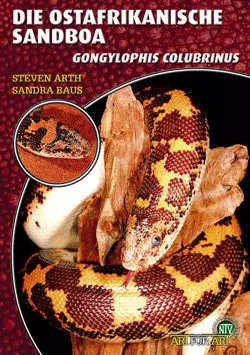
The East African sand boa
All about the East African Sand Boa 64 pages Format 14.5 x 21 cm Colour photos Author Steven Arth & Sandra Baus Contents: Foreword Description of the species Relationship Behaviour and lifestyle Colour variations Legal regulations Considerations before acquisition Acquisition of the animals Transport and quarantine Socialisation Keeping in the terrarium Terrarium and terrarium design Terrarium technology and climate Keeping in the "rack" Care work Feeding Breeding Sexual differences and sexual maturity Mating trigger Pregnancy and birth of the young animals Housing, feeding and further rearing of the young animals Diseases Thanks Further information Literature used and further reading

CHF 19.90

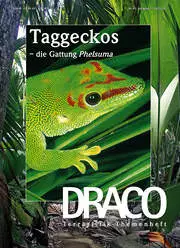
Draco 43 - Day geckos
Draco 43 - Day geckos The genus Phelsuma Contents: Madagascar is the first place one associates with phelsumas – and indeed, the majority of known day gecko species are at home on this large island in the Indian Ocean, the fourth largest in the world. Two recognised Madagascar specialists, Philip-Sebastian Gehring and Frank Glaw, inform us about the "state of affairs" in the genus Phelsuma and provide exciting insights into current research topics on the "Darwin’s finches of the Indian Ocean", as the two biologists call them. Madagascar is also the focus of three further articles in this issue. Patrick and Stefanie Schönecker, who have been travelling to the island for many years, take us on an exciting search for phelsumas in Madagascar, introducing worthwhile destinations for beginners and advanced enthusiasts. Additionally, the authors discuss a day gecko in a detailed husbandry and breeding report – one that has risen from a "very little known Phelsuma species" to one of the most popular at present: the cross-striped day gecko, Phelsuma standingi. Hans-Peter Berghof, who has cared for phelsumas for many years, on the other hand, describes first experiences with an extremely rare and scarcely kept species from southern Madagascar: Phelsuma malamakibo. You can read this and much more in this issue. EditorialColourful diversity in modern light – day geckos of the genus PhelsumaPhilip-Sebastian Gehring & Frank Glaw Biology, husbandry and breeding of the cross-striped day gecko – Phelsuma standingi Methuen & Hewitt, 1913Patrick Schönecker & Stefanie Schönecker Colour-spraying beauties on dream islands – the day geckos of the Inner SeychellesMichael Wirth Day geckos of the island of MauritiusSilvia Budzinski & Ralph-M. Budzinski First experiences in the care and breeding of Phelsuma malamakibo Nussbaum, Raxworthy, Raselimananam & Ramanamanjato, 2000Hans-Peter Berghof The day geckos of the genus Phelsuma from the Comoros island of MayotteHans-Peter Berghof Phelsuma search in Madagascar – recommended destinations for nature experiences with day geckos Patrick Schönecker & Stefanie Schönecker Experiences in the care and reproduction of the small Seychelles day gecko, Phelsuma astriata astriata Tornier,1901Silvia Budzinski & Ralph-M. Budzinski

CHF 18.40

NTV Green snakes
NTV - Grass snakes Thorsten Schmidt 88 pages 17 x 0.9 x 22.3cm many colour photos The splendidly green-coloured, diurnal and completely harmless grass snakes are much sought-after terrarium animals. The fact that they can be easily fed with insects and other invertebrates is another plus point in favour of keeping these lively snakes.This guide tells you everything you need to know to keep and breed grass snakes successfully.Thorsten Schmidt explains here from his rich experience with the animals that properly cared for grass snakes are not at all problematic, but can be easily cared for and also bred. The author explains what to look out for and gives specific tips on setting up and equipping species-appropriate terrariums.

CHF 33.50