Reptilia 37 - Jackson's chameleons

Article no: reptilia37

CHF 11.20

Stock: 0

Ready for dispatch in 1-3 days, delivery time 7 working days

Delivery between Tuesday, 7 July and Wednesday, 8 July
Zahlungsarten
Product information "Reptilia 37 - Jackson's chameleons"

Reptilia 37 Jackson's chameleons

Kenya
school vivarium
Turtle trade in Cambodia

Content:

2 EDITORIAL

4 READER'S LETTERS

6 MAGAZINE

12 DATES

16 PHOTO REPORTAGE
three-horned chameleons
from P. Necas

36 HUSBANDRY AND BREEDING
Chamaeleo (Trioceros)bitaeniatus and its relatives - With comments on the keeping and reproduction of a representative of the Grupee
by N. Lutzmann
44 HERPETOFAUNA
Chamaeleo (Trioceros)jacksonii and its subspecies
by N. Lutzmann
51 PORTRAIT AND POSTER
Eryx jaculus
by B. Trapp

55 TRAVEL
On Herpeto Safari in Kenya
from I. Schürkes, V. Wasanga & S. Lötters

62 REPORT
Studies on the turtle trade in Cambodia
by E. Lehr & R. Holloway

71 HUSBANDRY AND BREEDING
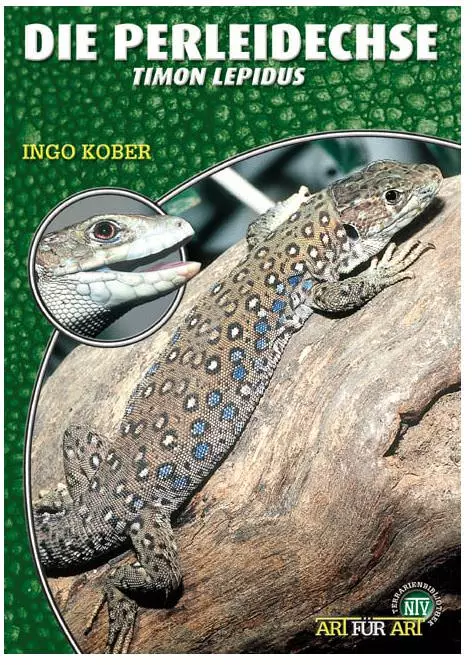
One of Europe's most beautiful lizards in a terrarium: the pearl lizard
from S. Bania

76 WESTERN HERP PERSPECTIVES
Exotic poisonous snakes - the charm of something special
from B. Love

79 REPORT
The school vivarium
Part 2: Example Franziskaner-Gymnasium Kreuzberg
by M. Hallmen

90 CLASSIFIEDS

95 LIBRARY

104 GLOSSE
Big autumn extra: you have mail!
by H. Werning

The October/November issue of your terraristic magazine REPTILIA makes the hearts of all lizard fans and aesthetes beat faster with the title theme "Threehorned Chameleons": In this photo story, which is even more sumptuous than usual, chameleon expert Petr Necas not only gives a general overview of these fascinating animals from the subgenus Trioceros, but he also introduces you to no less than all species in detail!

Chamaeleo (Trioceros) bitaeniatus and his relatives are then described in detail by the expert par excellence in this field, namely Nicolá Lutzmann. He reports about the biology of the small dragons, brings clarity into the confused systematics and not least describes their keeping and breeding vividly - for all terrarists interested in these beautiful lizards an absolute "must".
Just like the next article on the title theme of Nicolá Lutzmann, who deals with the popular Chamaeleo (Trioceros) jacksonii and its relatives. Here, too, the author knows how to write expertly about the field biology of the animals, clears up the subspecies confusion and gives detailed tips for the successful care and breeding of the primeval lizards.

We stay in Africa and go on Herpeto Safari in Kenya with I. Schürkes, V. Wasanga and S. Lötters. This dreamlike nature destination has not only the "big five" to offer, but is also herpetologically the very first cream, of which you can convince yourself with brilliant photos and a highly interesting expedition report.

Unfortunately, the fatal situation of the Asian turtle fauna is a long runner in the REPTILIA, and if we together with you, dear readers, could contribute significantly to the construction of the conservation breeding station in the all-weather zoo Münster, the situation on site is still dramatic. This is proven by the drastic pictures and shattering experiences that Edgar Lehr and Rohan Hollowy bring back from investigations into the turtle trade in Cambodia.

Sandra Bania takes care of one of the most beautiful lizards in Europe in her terrarium: the pearl lizard. Therefore she knows how to describe enthusiastically that these magnificent and trustful animals are not only an optical delight, but also show a very varied and interesting behaviour, which makes the lizards together with their relatively unproblematic keeping to best suitable fosterlings, whose keeping and breeding after the reading of this detailed contribution certainly no problems, but however much joy prepares.

In the second part of his report on Das Schulvivarium, Martin Hallmen presents a practical example, namely the vivarium at the Franziskaner-Gymnasium Kreuzberg, which he initiated and praised highly. Here you can learn concretely what you have to consider during the planning and expansion phase and how everyday life with the vivarium works, how it is integrated into lessons and what publicity effect can be achieved with it. Certainly a thing worth imitating!

Also in this REPTILIA we offer you of course again the full spectrum of our service: In the magazine, for example, you will read curiosities about a reptilian flower pot and get to know an interesting and up-to-date approach to the labelling of tank lizards. Dates, classifieds and the poster (this time with the Western Sandboa Eryx jaculus) are not missing in the incubator, as is Heiko Werning's infamous gloss: "This time, some people will certainly be very happy about caring mail. Will you also be there?

Composition
Feeding recommendation
Technical details
Size information

0 of 0 reviews

Give us a rating!

Share your experience with the product with other customers.


Suggested products

Handbook of food plants for tortoises and other reptiles
Handbook of forage plants 2nd revised editionMarion Minch is not only a successful breeder of diverse tortoises for many years, but also an excellent connoisseur of native wild herbs. She founded and runs samenkiste.de, which is well known to many tortoise keepers and nature lovers. Her name is inextricably linked with reptile care and species-appropriate nutrition for tortoises. Her handbook of food plants summarises the most important native food plants for herbivorous and omnivorous reptiles. She not only considers tortoises, but also iguanas, spiny-tailed dragons and even chameleons. From the basics of plant biology to native wild herbs to suitable food plants for hardy tropical reptile species, this comprehensive work provides the basis for species-appropriate keeping. In the expanded and supplemented 2nd edition, the plant section is divided according to flower colour. This makes it even easier to identify wild herbs. The work has also been supplemented with a wealth of additional information and many pictures.

CHF 46.50

Geckos
Geckos in the terrarium by Astrid FalkThe book offers a comprehensive introduction to geckos and their species-appropriate keeping in terrariums. It explains what you need to think about before buying a gecko and what preparations should be made. The book describes in detail how the terrarium is technically equipped and set up. The care of the animals, their special features and behaviour, their diet, reproduction and rearing of young animals are described, as well as diseases and husbandry problems with tried and tested suggestions for prevention and treatment. Individual gecko species that are particularly suitable for keeping and breeding in terrariums are portrayed in detail in the second part of the book.

CHF 28.50

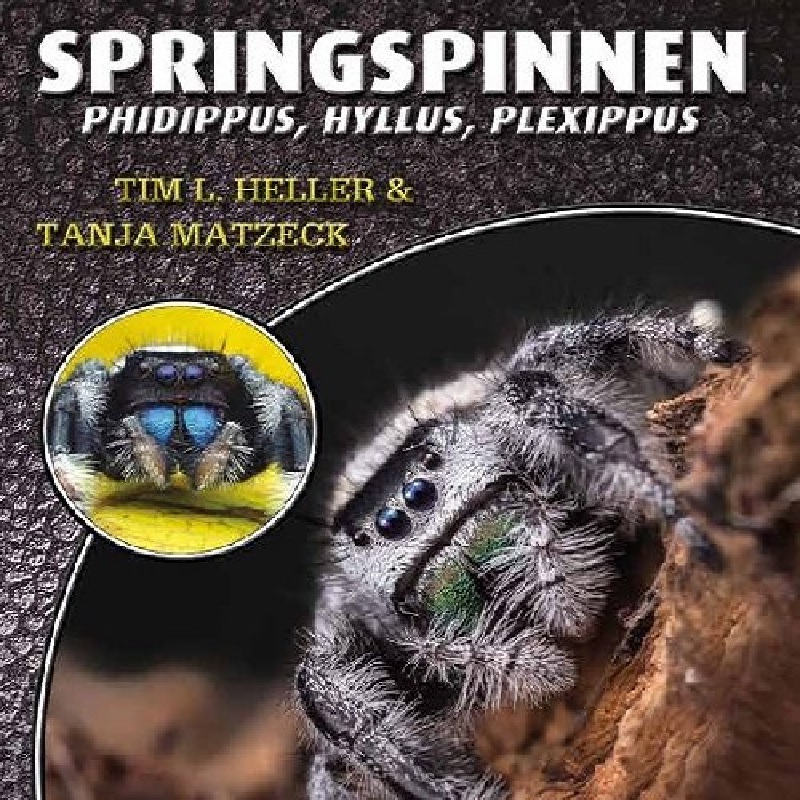
Jumping spiders Phidippus, Hyllus, Plexippus
Book Jumping Spiders - Phidippus, Hyllus & Plexippus A guide to keeping jumping spiders of the genera Phidippus, Hyllus & Plexippus. Who can resist the charm of jumping spiders? The childlike appearance of their expressive face simply leaves no one cold! In addition, their behavior is extremely exciting to observe, their colors are bright and their requirements for species-appropriate keeping are very easy to meet. No wonder these likeable jumpers are all the rage! This volume in the "Species by Species" series describes in detail what to look out for when buying and keeping them, introduces the most commonly kept species and color forms and provides plenty of tips on how to keep them successfully - so you can be sure they will breed well! Species by Species introduces you to the books in this series, which present the most popular terrarium animals. Each volume offers you detailed, practical care instructions and all the information you need to successfully breed your animals. All important questions from the required tank size to terrarium set-up, technical equipment, species-appropriate nutrition and disease prevention are answered with numerous tricks and tips. Experienced, long-standing breeders reveal how you can encourage the animals to reproduce and raise healthy young. All this in full color, generously illustrated and attractively designed - just about your terrarium animal - species by species

CHF 23.90

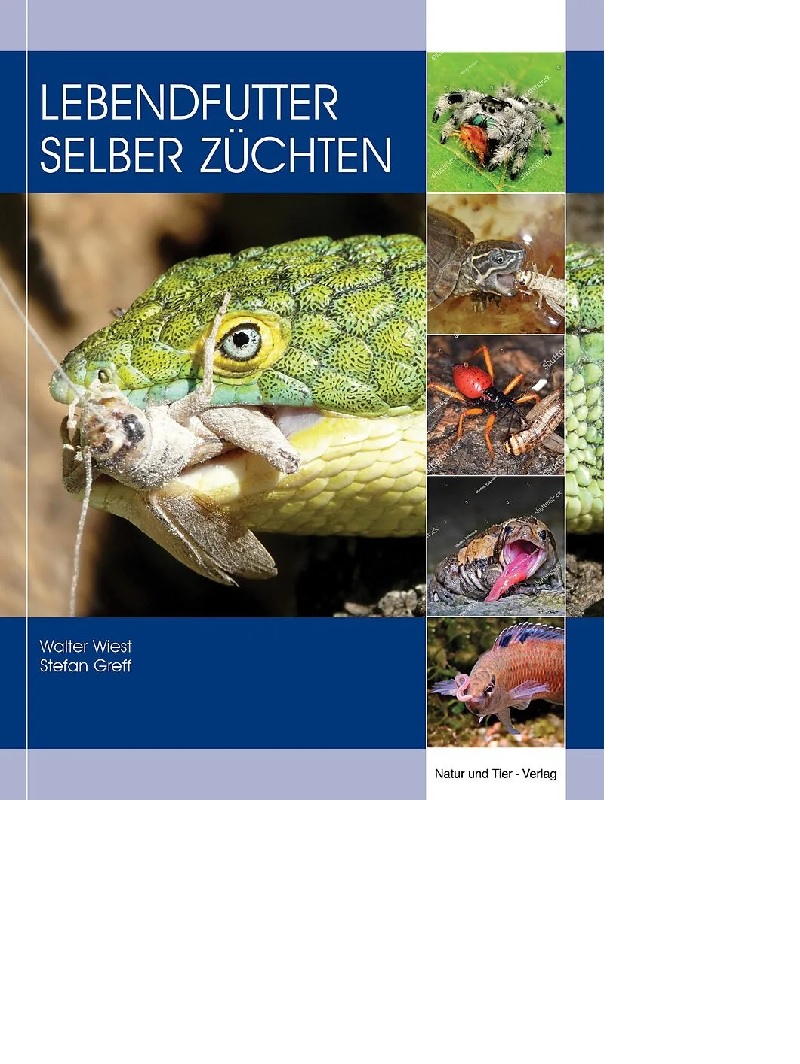
Book Breeding live food yourself
Book "Grow your own live food" - The perfect guide for pet owners Discover practical and detailed instructions on how you can easily breed food for your reptiles, birds, fish or other animals yourself in the book "Breeding live food yourself". With valuable tips on various food insects, their care and breeding, you can save money and ensure a species-appropriate diet for your pets. Contents of the book: Step-by-step instructions for breeding feeder insects Information on the best types of food for reptiles, birds and fish Care instructions and breeding conditions for various live food species Tips for sustainable and cost-effective food production Why breed your own live food? Get healthy, fresh food for your animals Save money and reduce dependence on pet shops Promote the health and well-being of your animals with species-appropriate food Whether you are a beginner or an experienced pet owner, this book provides you with everything you need to successfully breed live food yourself.

CHF 46.50

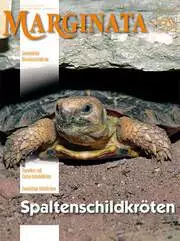
Marginata 69 - New Guinea tortoises
Marginata 69 - New Guinea tortoises – the genus ElseyaCover storyThe unrecognised beauties: New Guinea tortoises (Andreas S. Hennig)My experiences with Branderhorst's New Guinea tortoise, Elseya (Elseya) branderhorsti (Ouwens, 1914) (Andreas S. Hennig)Keeping and breeding of Rhodin's New Guinea tortoise, Elseya (Hanwarachelys) rhodini Thomson, Amepou, Anamiato & Georges, 2015 (Andreas S. Hennig)PortraitGeoemyda spengleri, Chinese serrated tortoise (Andreas S. Hennig)ReportageMacrochelys temminckii – Experiences and impressions with vulture tortoises part 2 (Reiner Praschag)KeepingAn alternative to year-round keeping of the Egyptian tortoise in the terrarium – my experiences with seasonal outdoor keeping of Testudo kleinmanni (Ricarda Schramm)EtymologySawbacks and living maps part 4: Graptemys gibbonsi, Pascagoula humpback tortoise (Holger Vetter)Classifieds & animal placement

CHF 16.50

Marginata 9 - Ornate tortoises
Marginata 9 - Ornate tortoises Food plants 4Breeding of spider tortoisesFlorida gopher tortoise Contents: 2 EDITORIAL3 MAGAZINE7 READERS' LETTERS8 DATES10 PHOTO REPORTAGE Lettered ornate tortoises, Trachemys scripta (Schoepff, 1792) Hans - Dieter Philippen16 BREEDING IN HUMAN CARE Keeping and breeding of the red-cheeked tortoise, Trachemys srcipta elegans (Wied, 1839) Hubert Felsner22 BREEDING IN HUMAN CARE The yellow-cheeked tortoise, Trachemys scripta scripta (Schoepff, 1792) – a fascinating keeper Iris Mörs31 PORTRAIT Siebenrock's snake-necked tortoise, Macrochelodina siebenrocki (Werner, 1902) Hans - Dieter Philippen35 REPORTAGE Food plants for tortoises part 4 Susanne Vogel42 BREEDING IN HUMAN CARE Keeping and successful reproduction of the Madagascan spider tortoise (Pyxis arachnoides arachnoides) Part 1 Peggy Ahr51 REPORTAGE In search of Florida gopher tortoises, Gopherus polyphemus (Daudin, 1802) Hans - Dieter Philippen58 SHORT REPORTAGE The ingestion of an unusually large "stomach stone" by a female of the broad-margined tortoise (Testudo marginata) Heinz Frühauf60 BOOK TIP61 CLASSIFIEDS62 REGIONAL GUIDE64 AGATHA MARGINATA

CHF 14.70

Terraria No. 26 - Snakes of South America
Terraria No. 26 - Snakes of South America Peru-BuntleguanTheloderma leporosum > Inhalt: Südamerika ist Heimat einer überwältigenden Vielfalt an Schlangen. Einige davon zählen zu den begehrtesten, aber auch geheimnisvollsten Terrarienpfleglingen überhaupt, allen voran die Grünen Hundskopfschlinger der Gattung Corallus. Über sie berichtet einer der profiliertesten Züchter dieser faszinierenden Tiere, Harald Quirmbach. Weitere Einblicke in die reiche Schlangenfauna des Kontinents bietet Experte Christian Neumann, und TERRARIA-Redakteur Kriton Kunz porträtiert die Gattung Xenodon, zu der mit der bis vor kurzem als Lystrophis pulcher geführten Südamerikanischen Hakennasennatter einer der aktuellen Shootingstars der Terraristik gehört. EditorialMagazinGondwanaland – ein zukunftsweisendes Projekt im Zoo Leipzig. Teil 2: Bepflanzung und BaufortschritAndreas S. Hennig Neue Taxonomie für Gefleckte WalzenskinkeUwe Schlüter 15 Jahre HammKritón Kunz Erstimport des Pazifischen Schmuckhornfroschs, Ceratophrys stolzmanniKriton Kunz Rechtliches, Fehlende Sachkunde: Gewerbsmäßige Zucht und Handel mit Tieren können untersagt werden!Dietrich Rössel Mäuse-Bombardement gegen Braune NachtbaumnatterKriton Kunz „Most Wanted“ – die Suche nach 100 verschwundenen AmphibienartenAxel Kwet TERRAglobalIm Zauberwald der Anden Maik Dobiey TitelthemaVon Froschfressern und Schlangenjägern – Biogeografie und Anpassung südamerikanischer Schlangen Christian Neumann Die Königinnen Südamerikas: Corallus batesii und Corallus caninus Harald Quirmbach Südamerikanische Hakennasennattern und ihre Verwandten Kriton Kunz Erstnachzucht des Moosfroschs Theloderma leporosum Alexei A. Evsyunin, Sergei A. Ryabov & Kriton Kunz Der Peruanische Buntleguan, Polychrus peruvianus (Noble, 1924) Uwe Schlüter Zoropsis spinimana im Terrarium Reinhard Hübers Reise Die Herpetofauna auf Samos – außergewöhnliche Artenvielfalt auf einer InselHans-Jürgen Luef Neue ArtenWinzling in KannenpflanzenAxel Kwet Neue Blindschleichen in EuropaAxel Kwet Unter Forschern Herpetologie im Untergrund: globale Feldforschungen an Blindwühlen Alexander Kupfer Blickfang Von Halbaffen, Pfeilgiftfröschen und Geckos. Zu Gast bei Ute Thut und Dennis Peukert Teil 2Michael Wirth In Ihrer NäheAbo & ServiceVorschau Brutkasten Nächte mit Charlene Ludger Hogeback

CHF 12.00

The magnificent tortoise of splendor
The magnificent tortoise impresses with its behaviour and body shape 64 pages Format: 14.8 x 21 cm numerous colour photos Author Maik Schilde Contents: There are species of tortoises that impress not only with their behaviour and body shape, but especially with their splendid colouring.These striking colours, combined with a size that is comfortable for keeping, make the magnificent tortoise an attractive purchase.However, this species of tortoise is very demanding when it comes to terrarium conditions – and yet it is a very pleasant pet, the keeping of which is great fun and enables a meaningful engagement with nature.Tortoise expert Maik Schilde provides the reader in this volume with all the important fundamentals for the successful keeping and, if required, breeding of this fascinating species of tortoise. Systematics and body structure The fascinating biology: From the life of the magnificent tortoise All information on species-appropriate keeping: From suitable terrarium, equipment and technology to feeding Successful breeding: Mating stimulation, incubation of the eggs and rearing of the young Problem solving: How to avoid the most common mistakes in care and how to help sick animals Brilliant photos

CHF 19.90

Draco 57 - Snakes: Colour and drawing breeding
Draco 57 - Snakes: Colour and markings breedingsContents:Editorial Variety is the trump cardHans - Dieter Philippen Colour forms in garter snakes. A look into the past, the present and the trends of tomorrowDaniel GrübnerHurricane Season Hans-Jörg WinnerSturdy beauties. Colour and pattern variations in PituophisBernd SkubowiusThe latest trends in breeding the green tree python Marcel HoffmannChoose the diamond! Colour and pattern types of diamond pythonsMarc Mense A look at colour breeding in Pantherophis guttatusStephan Drees Colour and pattern forms in the western hook-nosed snakeFilip LonghitanoReal rarities: Colour varieties of the grey-banded king snake Malte Hornig

CHF 32.00

Reptilia 62 - Gopher tortoises
Reptilia 62 - Gopher tortoises Giant crab spiderAgalychnis moreletiiAmeives Contents: 2 EDITORIAL 3 MAGAZINE 16 DATES 18 WESTERN HERP PERSPECTIVESHerp Art - a sign of maturityBy B. Love 20 PHOTO REPORTAGEThe tortoises of North AmericaAn overview of the genus GopherusBy S. Winchell 28 HERPETOFAUNAGopherus flavomarginatus, the Mexican gopher tortoiseBy R. Gonzáles Trápaga & G. Aguirre León 35 HERPETOFAUNAThe gopher tortoise (Gopherus polyphemus) – a civil engineerBy H. R. Mushinsky & E. D. McCoy 41 REPORTAGEScrew trees (Pandanaceae) as microhabitats for reptiles and amphibians in MadagascarBy P.-S. Gehring 43 TRAVELHerpetological excursion to YbbstalBy S. Fallend 51 PORTRAIT AND POSTERRhacophorus pardalisBy M. Gaulke 56 PRACTICEThe diet of ameives and monitor tegus inthe wild and in captivityBy U. Schlüter 63 KEEPING AND BREEDINGKeeping and breeding of Morelet’s leaffrog, Agalychnis moreletii (Duméril, 1853)By T. Eisenberg 72 PRACTICE North American aquatic turtles in the outdoor terrarium Part 3: Description of an outdoor enclosure for the seasonal keeping of North American aquatic turtlesBy A. S. Hennig & D. Symanski 76 KEEPING AND BREEDINGEight-eyed hunters of the nightBrief remarks on the keeping and breeding of Heteropoda venatoria and Holconia sp.By K. Kunz 86 FAQ - FREQUENTLY ASKED QUESTIONSQuestions about purchasing and keeping snakesBy D. Schmidt 92 TERRARIUM EXHIBITSParque "Reptilandia" near Dominical, Costa RicaBy T. Eisenberg 95 LIBRARY 104 INCUBATORHigh mountain hallucinationsBy H. Werning

CHF 11.20

Reptilia 77 - Moss frogs - the genus Theloderma
Reptilia 77 - Moss frogs - the genus Theloderma Travelling antsStar tortoiseAnolis roquet summus Contents: The fantastic masters of camouflage of the Asian frog genus Theloderma (moss or lichen frogs) are highly sought-after, extremely attractive terrarium inhabitants. Several species are endangered and urgently require conservation breeding projects – another reason to strive for their propagation. And the fact that their representatives also display many interesting behaviours, such as waving with the hind legs or “toe-twitching” in the context of catching prey, makes working with them even more exciting.REPTILIA editor Kriton KUNZ, who maintains one of the world’s most species-rich Theloderma collections, along with the Russian Theloderma experts Sergei RYABOV and Ivan ARININ, present these remarkable frogs in detail in the feature topic of this REPTILIA. Table of contents: EDITORIAL MAGAZINEBreakthrough in REPTILIA’s nose frog project: opening of a research and breeding station in Conceptión/Chile in collaboration with Leipzig Zoovby H. Werning DATES WESTERN HERP PERSPECTIVESThe hidden value of reptile excursions vby B. Love PHOTOSTORYMarvellous masters of camouflage. The moss frogs of the genus Thelodermaby K. Kunz KEEPING AND BREEDINGKeeping and breeding of Theloderma gordoni in the terrarium vby I. Arinin KEEPING AND BREEDING Experience with the first breeding of paddle frogs of the species Theloderma horridum in the Exotic Terrarium of the City of Tula vby A. A. Evsyunin TRAVEL EPiece of paradise. The Pouso Alegre in the Brazilian Pantanal from the perspective of a reptile friend. Part 2by M. Hallmen PORTRAIT and posterKinabalu bamboo viper. Parias malcolmiby J. M. Dehling KEEPING AND BREEDING The banded hook-nosed snake of the genus Lystrophis. Keeping and breeding a little beauty by A. Hutwalker REPORT First confiscated, then bred: Star tortoises (Geochelone elegans) at Allwetterzoo Münster vby J. Scholdei REPORTTravelling ants. Predatory nomads of the tropics vby D. J. C. Kronauer KEEPING AND BREEDINGBeauty has a name: Anolis roquet summus (Lazell, 1972) vby H. Herfurth LIBRARY ALSO IN YOUR AREA SUBSCRIPTION & SERVICE PREVIEW INCUBATOR In wild Wedding. An Eastern in two parts for three young men of “southern appearance”, a reptile researcher and a cockroach – Part 2 vby H. Werning

CHF 12.00

NTV, Discover the amphibians
NTV, Discover the amphibians and learn all about these animals. 56 pages colour photos throughout Large format: 20.7 x 28 cm Hardcover Author Kriton Kunz Contents: Every child knows a frog that swims around in its pond and croaks cheerfully, or the black and yellow fire salamander. But how do these friendly animals live? What do they eat, how do they survive the winter? How does a tadpole become a small frog? And what other amazing amphibians are there? "Entdecke die Amphibien" explains what amphibians are, their special features and their incredible abilities in an entertaining and child-friendly way. Fantastic records from the world of frogs, salamanders and the like are included, as well as an exciting quiz about these colourful survival artists. Including 20 great stickers 

CHF 17.90