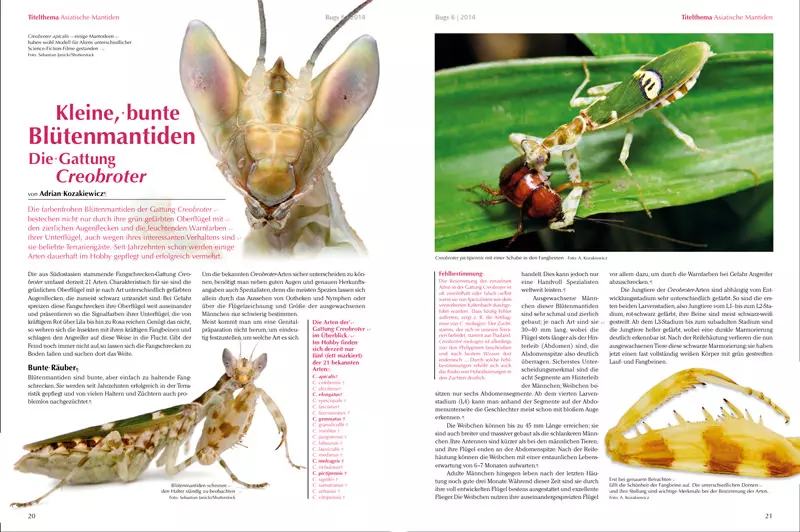
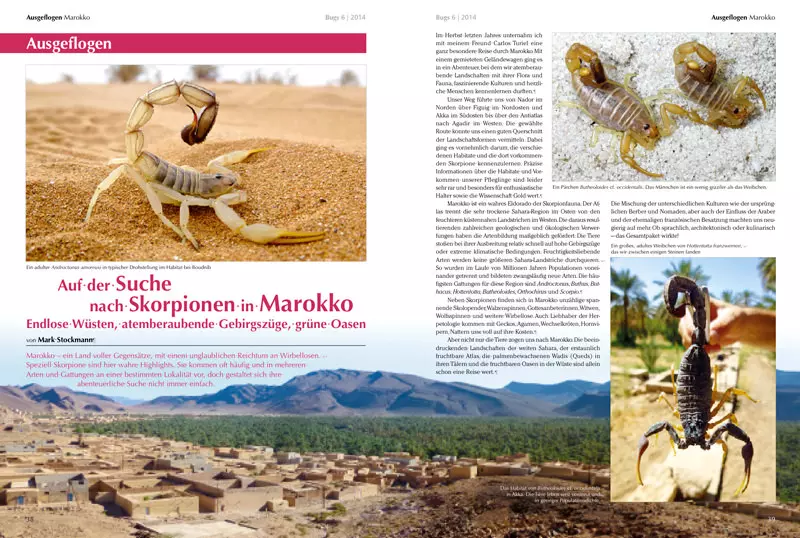
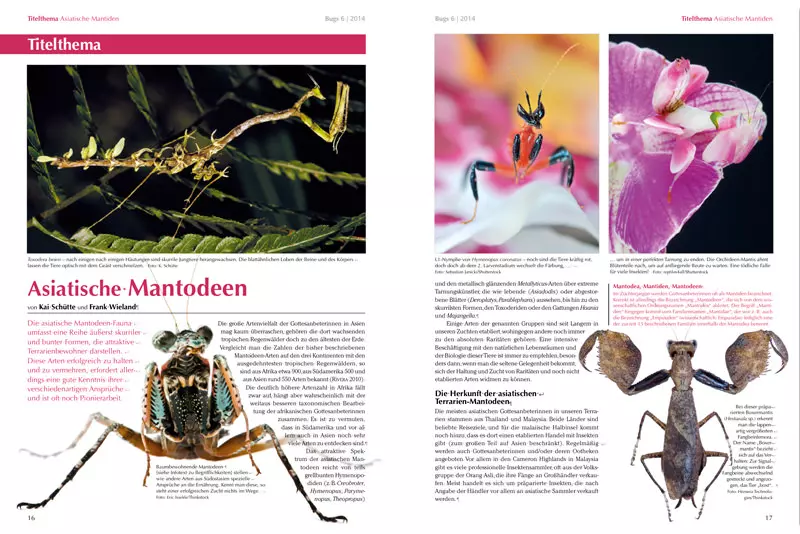
Bugs No. 06 - Asian Mantids

Article no: bugs06

CHF 12.00

Stock: 0

This article is currently not available

Product information "Bugs No. 06 - Asian Mantids"

Bugs No. 06 - Asian Mantids

African Harlequin Cockroach
Red Hainan crab
Thailand

Contents:

The cover story of Bugs No. 6 is full of beauties, but they all have only three things on their minds: Eat, hide and reproduce. They are beautiful in their own right, but their perfect camouflage makes them hard to spot in their habitat - mantids from Asia! Find out new and interesting facts about species that live in mosses and lichens and read detailed breeding reports.

Table of contents

Editorial
Facets
Dates
Flown in     

Cover story
Asian mantids

Cover story
Small, colourful flower mantises

Cover story
Demanding Dwarfs

Reportage
Native ‘tigers’ on a slimy trail 

In the crosshairs
Blood-red freshwater crab from China 

Fledged
In search of scorpions in Morocco

Keeping & Breeding
Successful breeding of a roller spider

Culture
Cuisine from Laos

Showcase
The State Zoological Collection, Munich

Kids Corner
What’s crawling about in May?

Potter bee
Handling tarantulas

Book scorpion
Also in your neighbourhood
Service & Imprint
Preview

Metamorphoses
The Very Hungry Caterpillar

Composition
Feeding recommendation
Technical details
Size information

0 out of 0 reviews

Give us a rating!

Share your experience with the product with other customers.


Customers also bought

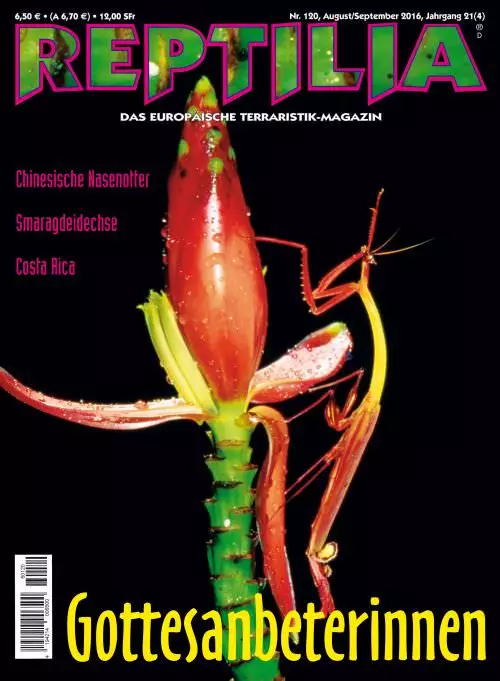
Reptilia 120 - Praying Mantises
Reptilia 120 - Praying Mantises Chinese viperEmerald lizardCosta Rica Contents: Cover story: Praying MantisesNobody can escape the fascination of praying mantises. These predatory insects with their alien appearance and martial mating habits have long secured a permanent place in terrariums. We offer an overview of mantids in breeding, the classics, and the latest trends. We also feature an unusual species from the Philippines and look to eastern Germany, where Mantis religiosa has spread. EditorialMAGAZINEDATES Photo storyThe fascination of praying mantisesK. Kunz Keeping and breedingPraying mantises. The basics of keeping in terrariumsC. J. Schwarz REPORTAGEPraying mantises on the advance in eastern GermanyN. von Lettow-Vorbeck BiologyPraying mantis, change your tune. On the challenge of identifying praying mantises using the Philippine species Creobroter meleagris as an exampleC. J. Schwarz ReportageThe Chinese viper (Deinagkistrodon acutus): a herpetological and cultural phenomenonDr. T. Eimermacher Keeping and breedingThe banded fire salamander (Salamandra salamandra terrestris).  Distribution, habits and breedingM. Rogner RreportageA display terrarium for fire salamandersR. Hoppe Animals of our homelandThe emerald lizardR. Leptien SERVICE WESTERN HERP PERSPECTIVESBut it’s a dry heatB. Love ALSO NEAR YOU TravelCosta Rica – Paradisiacal biodiversity between the Atlantic and the PacificN. Weinbeer PREVIEW INCUBATOR The breakH. Werning

CHF 12.00

Reptilia 49 - Food animal breeding
Reptilia 49 - Food animal breedingScorpion crust lizardSpotted pythonChinese mountain dragonContents: 2 EDITORIAL 4 READER LETTERS 5 MAGAZINE 14 DATES 18 WESTERN HERP PERSPECTIVESHurricane Sale in Floridaby B. Love 20 PHOTO REPORTAGE Breeding food animals yourself - a problem?by F. Bruse & H. Werning 27 REPORTAGEEfficient and productive cricket breeding by F. Bruse 33 REPORTAGEBreeding the chocolate cockroach (Shellfordella tartara) by F. Bruse 36 REPORTAGEA simple Drosophila breeding project by F. Bruse 40 HERPETOFAUNANotes on the Motagua lizard (Cnemidophorus motaguae) by U. Schlüter 43 TRAVELHerpetological observations and more from Gambia by U. Thieme 51 PORTRAIT AND POSTERGeoclemys hamiltoniby H. - D. Philippen 56 KEEPING AND BREEDINGKeeping and Breeding the Chinese Mountain Agame (Japalura splendida) by H. Schradin 68 HERPETOFAUNADendrobates pumilioThe strawberry frog on the Bocas Islands by B. Schwarz 72 KEEPING AND BREEDING The black Mexican chain snake (Lampropeltis getula nigrita in the terrariumby M. Thums 79 REPORTAGEAntaresia maculosa (PETERS, 1873)Spotted pythonby D. Hasselberg 85 CLASSIFIED ADS 90 RAT & TAT 93 LIBRARY 104 GLOSSESIn search of Uracentron azureumPart 1by H. Werning

CHF 11.20

Suggested products

Handbook of food plants for tortoises and other reptiles
Handbook of forage plants 2nd revised editionMarion Minch is not only a successful breeder of diverse tortoises for many years, but also an excellent connoisseur of native wild herbs. She founded and runs samenkiste.de, which is well known to many tortoise keepers and nature lovers. Her name is inextricably linked with reptile care and species-appropriate nutrition for tortoises. Her handbook of food plants summarises the most important native food plants for herbivorous and omnivorous reptiles. She not only considers tortoises, but also iguanas, spiny-tailed dragons and even chameleons. From the basics of plant biology to native wild herbs to suitable food plants for hardy tropical reptile species, this comprehensive work provides the basis for species-appropriate keeping. In the expanded and supplemented 2nd edition, the plant section is divided according to flower colour. This makes it even easier to identify wild herbs. The work has also been supplemented with a wealth of additional information and many pictures.

CHF 46.50

Geckos
Geckos in the terrarium by Astrid FalkThe book offers a comprehensive introduction to geckos and their species-appropriate keeping in terrariums. It explains what you need to think about before buying a gecko and what preparations should be made. The book describes in detail how the terrarium is technically equipped and set up. The care of the animals, their special features and behaviour, their diet, reproduction and rearing of young animals are described, as well as diseases and husbandry problems with tried and tested suggestions for prevention and treatment. Individual gecko species that are particularly suitable for keeping and breeding in terrariums are portrayed in detail in the second part of the book.

CHF 28.50

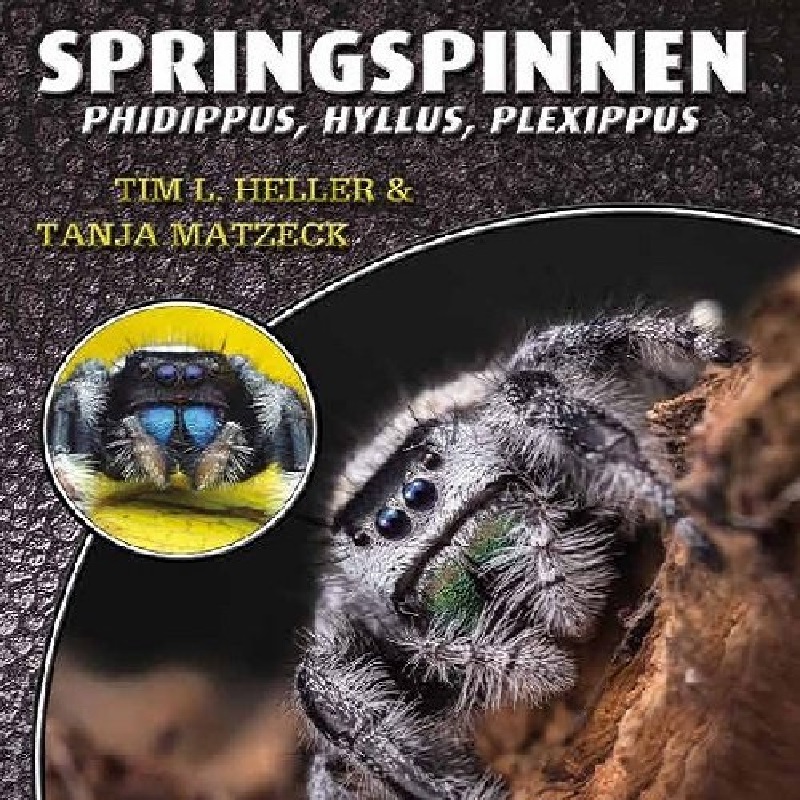
Jumping spiders Phidippus, Hyllus, Plexippus
Book Jumping Spiders - Phidippus, Hyllus & Plexippus A guide to keeping jumping spiders of the genera Phidippus, Hyllus & Plexippus. Who can resist the charm of jumping spiders? The childlike appearance of their expressive face simply leaves no one cold! In addition, their behavior is extremely exciting to observe, their colors are bright and their requirements for species-appropriate keeping are very easy to meet. No wonder these likeable jumpers are all the rage! This volume in the "Species by Species" series describes in detail what to look out for when buying and keeping them, introduces the most commonly kept species and color forms and provides plenty of tips on how to keep them successfully - so you can be sure they will breed well! Species by Species introduces you to the books in this series, which present the most popular terrarium animals. Each volume offers you detailed, practical care instructions and all the information you need to successfully breed your animals. All important questions from the required tank size to terrarium set-up, technical equipment, species-appropriate nutrition and disease prevention are answered with numerous tricks and tips. Experienced, long-standing breeders reveal how you can encourage the animals to reproduce and raise healthy young. All this in full color, generously illustrated and attractively designed - just about your terrarium animal - species by species

CHF 23.90

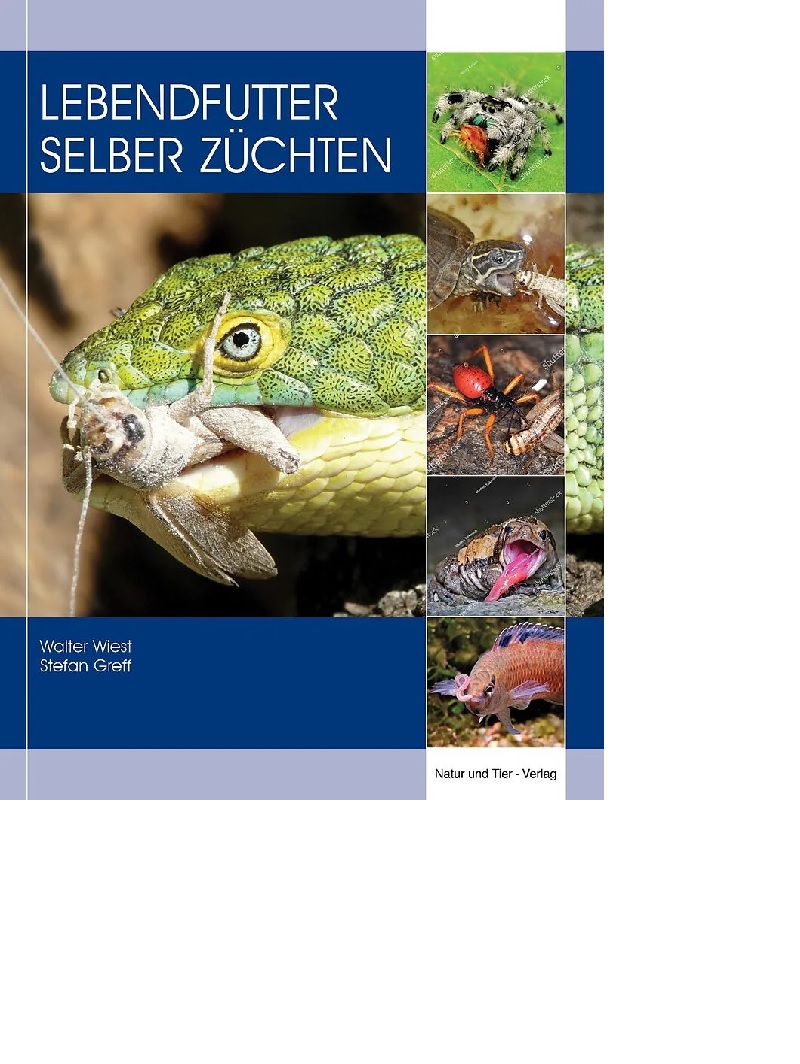
Book Breeding live food yourself
Book "Grow your own live food" - The perfect guide for pet owners Discover practical and detailed instructions on how you can easily breed food for your reptiles, birds, fish or other animals yourself in the book "Breeding live food yourself". With valuable tips on various food insects, their care and breeding, you can save money and ensure a species-appropriate diet for your pets. Contents of the book: Step-by-step instructions for breeding feeder insects Information on the best types of food for reptiles, birds and fish Care instructions and breeding conditions for various live food species Tips for sustainable and cost-effective food production Why breed your own live food? Get healthy, fresh food for your animals Save money and reduce dependence on pet shops Promote the health and well-being of your animals with species-appropriate food Whether you are a beginner or an experienced pet owner, this book provides you with everything you need to successfully breed live food yourself.

CHF 46.50

Marginata 69 - New Guinea tortoises
Marginata 69 - New Guinea tortoises – the genus ElseyaCover storyThe unrecognised beauties: New Guinea tortoises (Andreas S. Hennig)My experiences with Branderhorst's New Guinea tortoise, Elseya (Elseya) branderhorsti (Ouwens, 1914) (Andreas S. Hennig)Keeping and breeding of Rhodin's New Guinea tortoise, Elseya (Hanwarachelys) rhodini Thomson, Amepou, Anamiato & Georges, 2015 (Andreas S. Hennig)PortraitGeoemyda spengleri, Chinese serrated tortoise (Andreas S. Hennig)ReportageMacrochelys temminckii – Experiences and impressions with vulture tortoises part 2 (Reiner Praschag)KeepingAn alternative to year-round keeping of the Egyptian tortoise in the terrarium – my experiences with seasonal outdoor keeping of Testudo kleinmanni (Ricarda Schramm)EtymologySawbacks and living maps part 4: Graptemys gibbonsi, Pascagoula humpback tortoise (Holger Vetter)Classifieds & animal placement

CHF 16.50

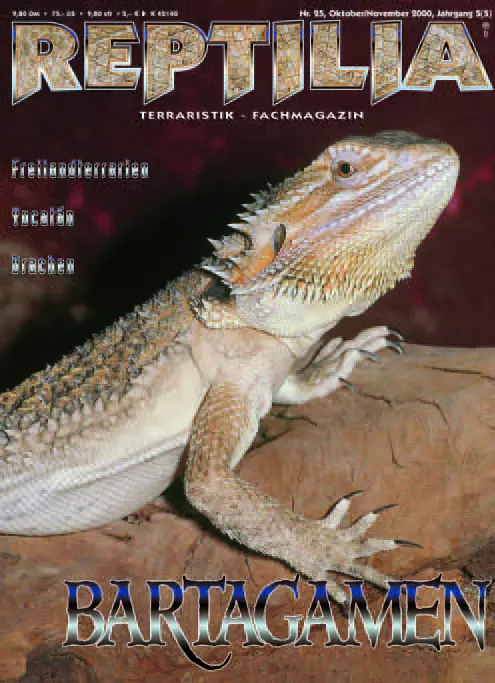
Reptilia 25 - Bearded dragons
Reptilia 25 - Bearded dragons Outdoor terrariumsYucatánDragons Contents: 2 Editorial 4 Letters to the Editor 8 Magazine 16 Dates 20 Western Herp Perspectives: Road Cruising - in search of reptiles and amphibians by car 22 Photo report: The bearded dragons, by A. Hauschild 28 Keeping and breeding: An evergreen: Bearded dragons in the terrarium, by A. Hauschild 33 Herpetofauna: Behaviour and interaction of my bearded dragons (Pogona vitticeps) in the terrarium, by R. Kohlmeyer 39 Report: Bearded dragon fever, by B. Love 43 Journey: Travelling in the realm of the Maya, by L. Barkam and H. Werning 51 Portrait and poster: Trapelus pallidus, by L. Rifai and D. Modry 56 Herpetofauna: Notes on Boiga nigriceps(GÜNTHER, 1863) 62 Report: To Madagascar - for the turtles?, by W. Schmidt and K. Liebel 68 Keeping and breeding: Dendrobates azureus, a blue jewel in the terrarium, U. Dost 73 Terraristics: Building a snake enclosure, Part 1: Basic considerations, by M. Hallmen 78 Herpetology and culture: 'In caves lives the dragon's old brood', a look at the ideas of dragons in East and West, Part 1, by K. Kunz 87 Advice and action 91 Library 104 Gloss: Dead texts don't talk, by L. Hogeback

CHF 9.80

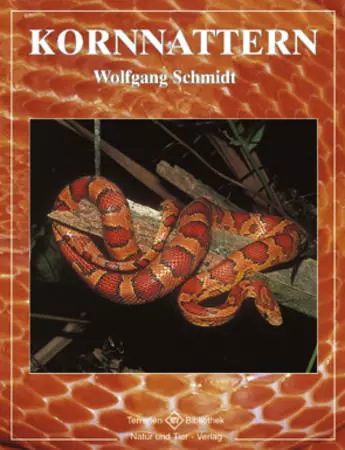
NTV corn snakes
All about corn snakes 88 Seiten 62 Abbildungen Format: 16,8 x 21,8 cm Autor Wolfgang Schmidt Inhalt: Kornnattern gehören schon seit jeher zu den beliebtesten Terrarientieren. Nahezu jeder engagierte Terrarianer hat sie schon kennen gelernt. Doch woher kommt das starke Interesse gerade an dieser Kletternatter? Die Antwort liegt sicherlich in erster Linie im Wesen der Schlange begründet. Als besonders friedfertige Natur ist sie daher nicht nur dem fortgeschrittenen Terrarianer zu empfehlen, sondern sie eignet sich auch ausgezeichnet für den Einstieg in die Terraristik.Der Autor geht intensiv auf die Pflege und Zucht der Tiere ein, spart aber auch Themen wie Krankheiten und deren Behandlung nicht aus. Neben den drei Unterarten stellt er Farbformen vor, die sich mittlerweile auch hierzulande grosser Beliebtheit erfreuen.

CHF 21.90

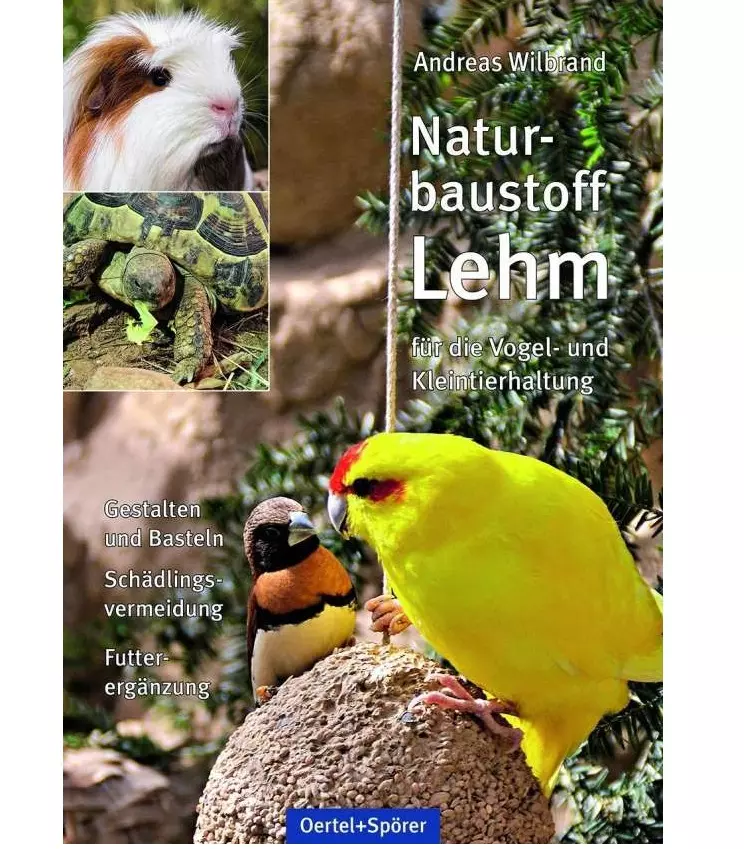
Natural building material clay for keeping birds and small animals
Natural building material clay for keeping birds and small animals The first clay DIY book for animal lovers - a practical guide with simple instructions, new ideas and health tips! Designing and crafting Pest prevention Feed supplement Clay is the oldest and most universal building material in the world. The animal world has been demonstrating for millions of years how it can be used to build safe dwellings. And humans also utilised this building material a long time ago and even created huge and artistic buildings from it. Clay can also be used perfectly for our pets. Building projects for animal housing of all kinds, landscaping in terrariums, soil construction for aquariums, pest control in aviaries, pigeon coops and stables - this book will show you how to do all this and what you need for it.Clay is not only a building material that can almost always be reused, but also contributes to the health of humans and animals. Clay binds toxins, displaces pests and is suitable as a fertiliser. For this reason, the health maintenance of our protégés through clay is also described in detail

CHF 27.90

Reptilia 99 - Saving energy in terraristics
Reptilia 99 - Saving energy in terraristics Red-backed spiderIncubation of monitor lizard eggsHind Indian hinged tortoise Contents: EDITORIALMAGAZINE AROUND THE WORLD IN 5 YEARSWaiting with turtlesA. Pachmann DATES WESTERN HERP PERSPECTIVESAgainst winter depressionB. Love PHOTOREPORTAGEEnergy revolution in the terrarium. Ideas and suggestions on how to reduce power consumption and energy costs when keeping terrarium animalsB. Akeret REPORTAGEAmphibians and reptiles in the energy-saving house. Opportunities and possibilities of the Renewable Energy Sources Act for terrarium husbandryT. Eisenberg REPORTAGELarge terrariums for giant snakes and saving energy – a contradiction?S. Müller KEEPING AND BREEDINGKeeping and breeding the red-backed spider (Latrodectus hasselti)M. Schmidt HERPETOFAUNAFringed-finger lizards (Acanthodactylus) in the wild and in the terrarium. Part 6: The Acanthodactylus-boskianus groupU. Schlüter REPRODUCTIONOn the incubation of clutches of Varanus kingorum, King's dwarf monitorR. Vitt REPORTAGELooking for snakes on a family holiday. A drama in three actsT. Schmidt REPORTAGEThe tortoises of Kalogria (Peloponnese)M. Rogner ANIMALS OF OUR HOMEThe grass frogR. Leptien Test runLibrarySUBSCRIPTION & SERVICEALSO NEAR YOU TRAVELVisiting Cuora galbinifrons on Hainan, ChinaT. Blanck PREVIEW BRUTKASTEN I would even let myself be locked up for REPTILIA – Part 1H. Werning

CHF 12.00

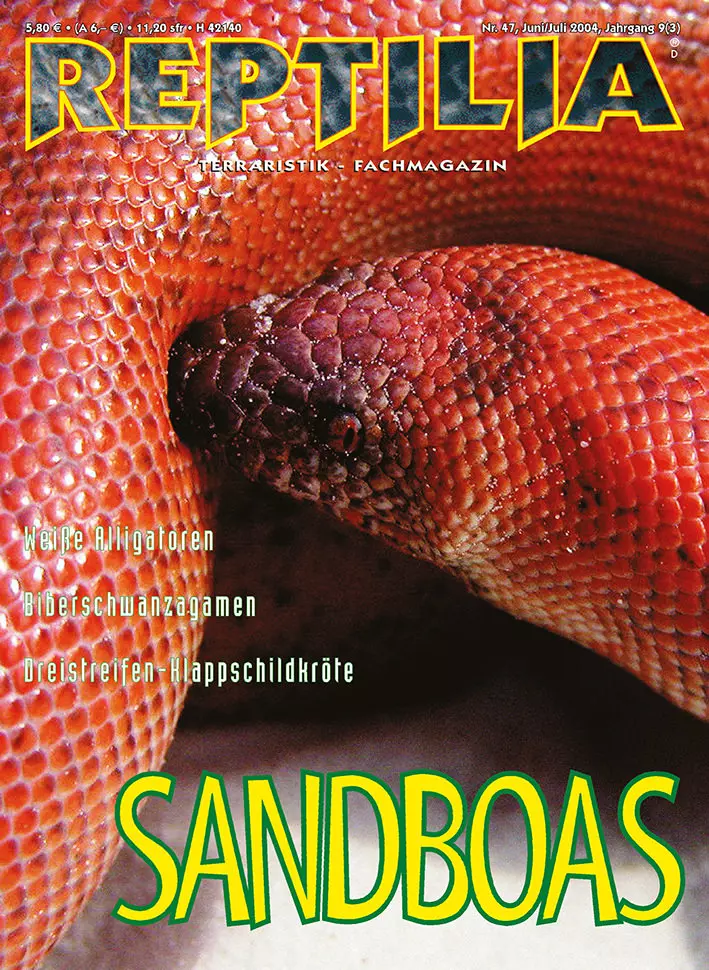
Reptilia 47 - Sand boas
Reptilia 47 - Sandboas White alligatorsBeavertail dragonsThree-striped folding tortoise Contents: 2 EDITORIAL 3 MAGAZINE 16 DATES 18 WESTERN HERP PERSPECTIVESThe Mecca of a reptile photographerby B. Love 20 PHOTO REPORTAGE Sandboasby C. Jones 31 KEEPING AND BREEDINGOn keeping and caring for sandboas by C. Jones 35 KEEPING AND BREEDINGOn breeding Eurasian sandboas: Eryx jaculus, Eryx miliaris and Eryx tataricus by C. Jones 42 REPORTFascination record snakePart 3: Don't let them bite you… by Henry Bellosa 45 TRAVELThe white alligators of the MississippiOf ancient Indian trails, bald cypresses and crocodiles by W. Ise 51 PORTRAIT AND POSTERLialis burtonisby U. Schlüter 56 KEEPING AND BREEDINGThe Three-striped Box Turtle Kinosternon baurii) – A turtle for small aquariums?by A. M. Glaser 64 HERPETOFAUNAKeeping and breeding some Andean keel-tailed iguanas Stenocercus from the Peruvian highlandsPart 4: Observations on behaviour, sexual dimorphism and ecology of Stenocercus melanopygus BOULENGER, 1900by U. Schlüter 72 KEEPING AND BREEDINGExperiences in keeping and breeding Xenagama batillifera (VAILLANT, 1882), with observations on the behaviour of Xenagama taylori (PARKER, 1935)by M. Barts 78 REPORTAGEPlanning and building a reptile zoo: "Reptilium - Terrarien- und Wüstenzoo" in Landau is being built - Part 2: The construction phaseby T. Wilms 87 CLASSIFIED ADS 91 RAT & TAT 94 LIBRARY 104 GLOSSA family story. Part 1by H. Werning

CHF 11.20

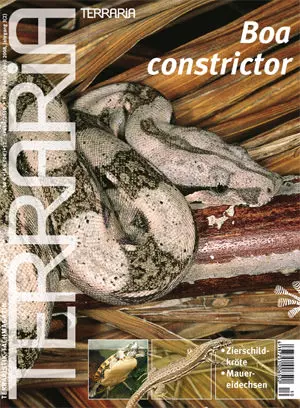
Terraria 10 - Boa Constrictor
Terraria 10 - Boa ConstrictorOrnamental turtleWall LizardContents:2 EditorialKriton KunzTOPIC4 Boa babies - Tips and tricksErika & Hermann Stöckl 14 "imperator" versus "constrictor" - On the ecology and distribution of selected local forms of Boa constrictor in VenezuelaChristian Neumann 20 Inclusion Body Disease,IBD, "Boa-Aids") of the giant snakes Udo Hetzel 24 Leopard Boa, Stars & Stripes and Co - The colour and pattern variations of the dark Mexican boa Boa constrictor imperator Hans-Jörg Winner SCIENCE29 new speciesAxel Kwet40 The fern stick insect Oreophoetes peruana (Saussure, 1868)?and their diet in the terrarium, special terrariums and plantingTimm Adam54 The princess among the turtles is asking for it:Keeping and breeding the southern ornamental turtle Chrysemys picta dorsalisAndreas S. Hennig63 Wall lizards in the Ruhr areaUwe SchlüterTRAVEL69 On the road in the south of the PhilippinesMaren GaulkeTERRARIUM PRACTICE83 Test runBug Stop/Kricket KeeperKriton Kunz85 Prelude Care and breeding of Asian house geckosMatthias Jurczyk89 Eye-catcherAn ark for native amphibians and reptilesAxel Kwet93 Also near you 96 TERRAnetTerrarium constructionKriton Kunz98 TERRAglobalLife underground ... until the rain comesMirco SoléLima - or: All beginnings are difficultMaik Dobiey104 TERRAwinn

CHF 12.00

The steppe turtles
All about the fascinating steppe turtles 64 Seiten 14,8 x 21 cm zahlreiche Farbfotos Autor Thomas Wilms Inhalt: Schildkröten sind die Sympathieträger unter den Reptilien. Urtümliches Äusseres gepaart mit liebenswertem Wesen und sprichwörtlicher Gemütlichkeit machen sie bei allen Altersgruppen beliebt. Die Steppenschildkröte bildet da keine Ausnahme, ganz im Gegenteil: Ihr „handliches“ Format und die einfach zu erfüllenden Haltungsanforderungen machen sie zu einem äusserst geeigneten Terrarientier. Thomas Wilms, DRACO-Redakteur und Leiter des „Reptiliums“, schildert aus seiner langjährigen erfolgreichen Haltungspraxis sämtliche Aspekte rund um Haltung und Pflege dieser attraktiven Schildkröten. Ausserdem lesen Sie, wie Sie Ihre Tiere zur Paarung stimulieren, die Eier ausbrüten und die niedlichen Jungen aufziehen können. Systematik und Körperbau Die faszinierende Biologie: Aus dem Leben der Steppenschildkröte Alle Informationen zur artgerechten Haltung: Vom geeigneten Terrarium über Einrichtung und Technik bis hin zur Fütterung Erfolgreich nachzüchten: Paarungsstimulation, Inkubation der Eier und Aufzucht der Jungtiere Problemlösungen: Wie man die häufigsten Fehler bei der Pflege vermeidet, und wie man kranken Tieren helfen kann Brillante Fotos

CHF 24.90