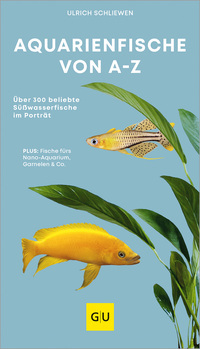
Ob Jung oder Alt, Anfänger oder Fortgeschrittene: Aquarianer liebäugeln immer wieder mit neuen Fischarten. Denn die tropischen Süsswasserfische mit ihren schillernden Farben und faszinierenden Verhaltensweisen machen das Aquarium zum spannenden Naturerlebnis. Doch das sollte nicht dazu verführen, zu viele Fische in ein Becken zu setzen oder gar Fische zu vergesellschaften, die unterschiedliche Ansprüche haben. Der Fische-Experte Dr. Ulrich Schliewen bietet im Grossen GU Kompass Aquarienfische von A bis Z kompaktes Wissen zu rund 300 Fischarten - Einsteiger gerecht sortiert nach deutschen Artnamen. Jedes Fisch-Porträt beinhaltet alle wichtigen Infos - von der Lebensweise in der Natur, über die Haltungsansprüche im Aquarium bis hin zu Pflege- und Vergesellschaftungstipps. Farbige Buttons zeigen auf einen Blick die benötigte Beckengrösse und Wassertemperatur. In einem Extra-Kapitel werden die beliebtesten Garnelen, Krebse, Krabben und Schnecken fürs Aquarium in Porträts vorgestellt.
Composition
Feeding recommendation
Technical details
Size information
0 of 0 reviews
Leave a review!
Share your experiences with other customers.
Login
No reviews found. Share your insights with others.
JBL GH Test - GH quick test to determine the total hardness in freshwater aquariums and ponds
Simple and reliable control of water values in ponds/aquariums. Determines the ideal total hardness for freshwater aquariums and ponds
Colour change test: fill plastic cuvette with sample water, add reagent drop by drop until colour changes from red to green. Number of drops = level of GH (total hardness)
When to use: for setting up a new aquarium: once a week
Online Laboratory: regular control for a healthy aquarium/pond with conditions close to nature. JBL has water tests in the form of quick tests or colour change tests for every water analysis. Testing aquarium water for healthy, clear water
Package contents: 1 quick test, GH Test. Incl. reagent and plastic vial. Refill reagent avaiable separately
Healthy aquarium/healthy pond with conditions close to natureThe right water values are dependent on the fish stock and the plants in the aquarium/pond. Even if the water looks clear it can be contaminated. With bad values diseases or algae can appear in the aquarium/pond. To maintain a healthy aquarium/pond with conditions close to nature it is important to check and adapt the water values regularly.For each water analysis JBL provides water tests in the form of quick tests or colour change tests. These determine a certain value or several values in one go. With these water tests you can recognise algae problems and negative nitrate, nitrite, potassium, magnesium values etc.Why test?Depending on origin and consistency of the subsoil, water may contain varying quantities of alkaline earth salts, usually in the form of calcium and magnesium salts. General hardness, by definition, is the sum of calcium and magnesium ions suspended in the water. Most fish and plants thrive well at a general hardness of between roughly 8 and 20°dH. Excessive total hardness values, should, however, be counteracted by the appropriate measures.JBL Online LaboratoryRegular control for a healthy aquarium/pond with conditions close to nature. Enter your water values into the JBL Online Laboratory and get an in-depth analysis of your values within seconds.Recommended general hardness values:Freshwater aquarium (community aquarium): 8-25 °dGHLake Malawi/Lake Tanganyika aquarium: 5-20 °dGHPlant aquarium with few fish (aquascaping): 3-10 °dGHMarine aquarium: not measurable with GH test because GH too high. Please test calcium and magnesium separatelyPond: 6-20 °dGH
JBL Biotopol - Water conditioner for freshwater aquariums
for setting up new aquariums, for water change and for the strengthening fish after diseases, for freshwater aquariums and for turtle tanks
Binds dangerous substances in tap water - neutralises copper, lead and zinc, as well as chlorine and chloramine
protection of mucous membrane, gills, skin and fins with aloe vera
Protection against stress and strengthening of the immune system thanks to vitamin B complex
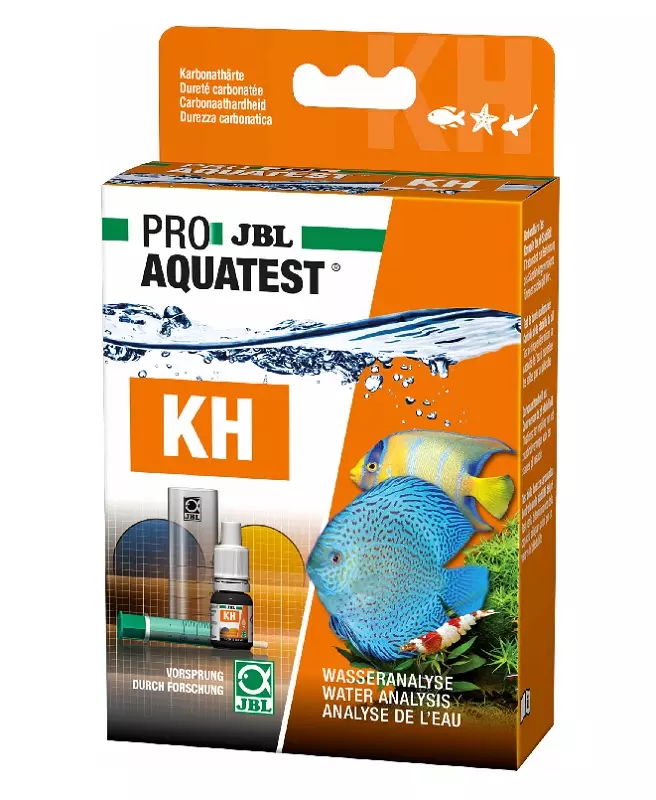
JBL KH Test - Quick test to determine the carbonate hardness in freshwater and saltwater aquariums and ponds
Simple and reliable control of water values in aquariums and ponds.
Determination of the optimal carbonate hardness for freshwater and saltwater
Colour change test: Fill plastic cuvette with water sample, add reagent drop by drop until colour changes from blue to yellow. Number of drops = level of carbonate hardness
When to use: when setting up a new aquarium: once a week
1 quick test, KH Test. Incl. reagent and plastic vial. Refill reagent avaiable separately
Healthy aquarium/healthy pond with conditions close to natureThe right water values are dependent on the fish stock and the plants in the aquarium/pond. Even if the water looks clear it can be contaminated. With bad values diseases or algae can appear in the aquarium/pond. To maintain a healthy aquarium with conditions close to nature it is important to check and adapt the water values regularly.
For each water analysis JBL provides water tests in the form of quick tests or colour change tests. These determine a certain value or several values in one go. With these water tests you can recognise algae problems and negative nitrate, nitrite, potassium, magnesium values etc.
Why test?The well-being of aquarium and pond dwellers and the growth of aquatic plants depend to a large extent on the KH level being kept as constant as possible. The carbanate hardness is one of the most important water values since it keeps the pH level stable. The KH should never drop below 4 °dKH.
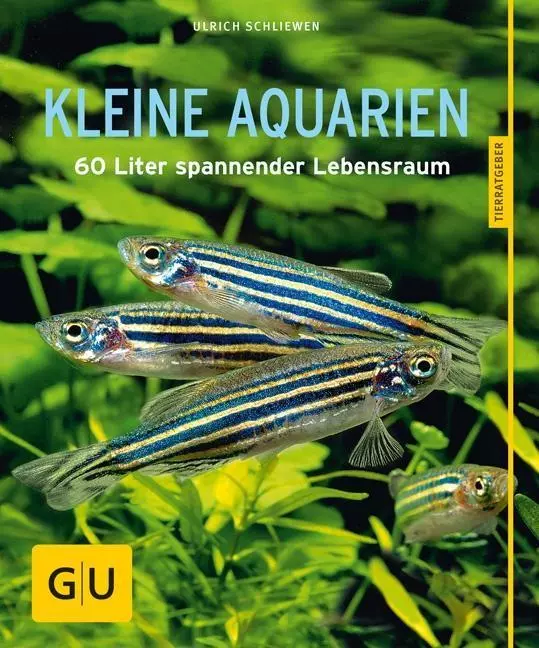
Small aquariums - Underwater world in miniature format
64 pages
color illustrations
practical tips
Author Ulrich Schliewen
Publisher GU
Underwater world in miniature: Small aquariums are particularly popular because they also fit into the smallest apartment. The first guide on this topic shows which fish and plants are suitable for small pools of up to 60 cm in length and are comfortable together. With many practical tips on the right equipment of the aquarium and the proper care of its inhabitants.
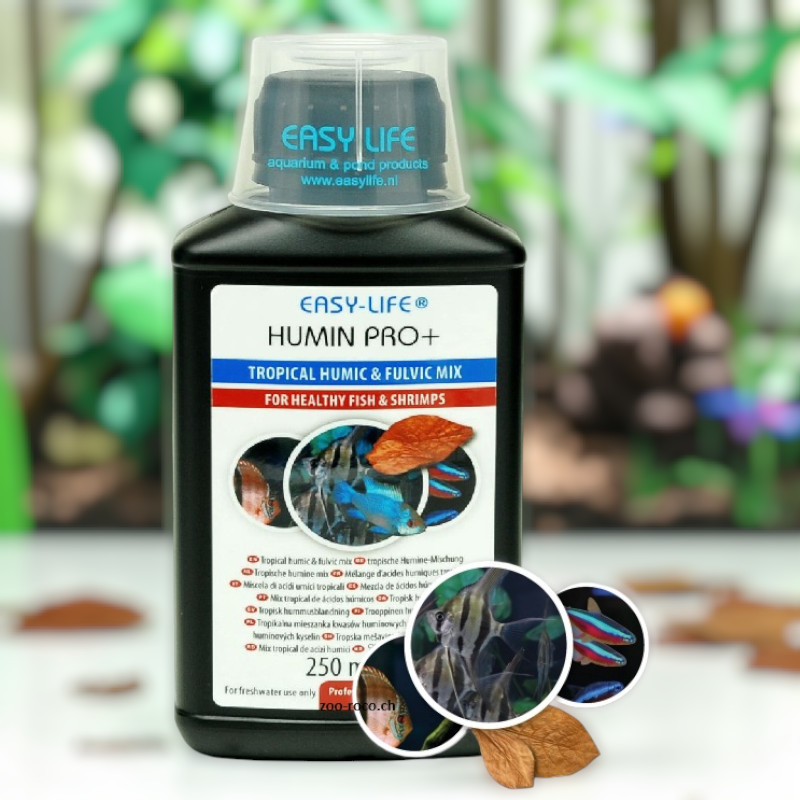
Easy-Life Humin Pro+
Easy-Life Humin Pro+ is a high-quality water conditioner for freshwater aquariums. The combination of humic acids and fulvic acids ensures natural water conditions, such as those found in tropical habitats. The product promotes vitality, colorfulness and health in fish, shrimps, snails and plants and at the same time supports the biological balance in the aquarium.
Advantages at a glance
Promotes intense colors and natural vitality
Strengthens the immune system and increases resistance
Reduces stress during fish stocking and transportation
Improves breeding and rearing success
Supports the biological balance in the aquarium
Increases the nutrient uptake of plants
No unwanted brown coloration of the water
Product details
Water conditioner with humic acids and fulvic acids
Suitable for all freshwater aquariums
Ideal for discus, angelfish, shrimps and other sensitive species
Available in sizes: 250 ml, 500 ml and 1000 ml
Dosage: 10-20 ml per 50 liters of aquarium water, use weekly
Free from artificial additives and colorants
Zoo Roco tip
Use Easy-Life Humin Pro+ regularly after every water change to soothe your aquarium inhabitants and strengthen the natural protective barrier of their mucous membranes. Ideal in combination with Easy-Life Filter Medium for a stable, healthy aquarium environment.
Natural care for healthy water and vital aquarium inhabitants - with Easy-Life Humin Pro+.Difference to the product Catappa:Below you will find some information to help you better understand the differences between Catappa-X and Humin Pro+: Catappa-X is made from a special blend and extract of catappa leaves.
It has strong antioxidant properties that protect cells from stress and inflammation, promoting fish health. Catappa leaves also contain natural plant dyes that provide more intense and vibrant fish colors. Catappa-X therefore focuses primarily on color enhancement and health promotion. Humin Pro+ is a combination of fulvic and humic acids - organic molecules formed from the decomposition of plant and animal material found in soil, peat, streams and natural waters. Humic acids can replicate the tropical water conditions found in the natural habitat of many aquarium fish. Humin Pro+ is particularly recommended for tropical fish, while Catappa-X is suitable for all fish species. In addition, humic substances stimulate enzyme activity not only in fish, but also in plants and microorganisms in the aquarium. Aquatic plants can absorb nutrients more efficiently, while beneficial microorganisms continue to thrive - ensuring a healthy and stable ecosystem in the aquarium.
Customers also searched for:
Easy Life Humin Pro+, water conditioner aquarium, humic acid aquarium, fulvic acid water, freshwater aquarium care, aquarium vitality, fish health, aquarium colors, aquarium care Switzerland, water treatment aquarium, Easy Life Switzerland, aquarium additive
JBL pH Test 3.0-10.0 - Quick test to determine the acidity in ponds as well as in freshwater and marine aquariums
Easy and reliable monitoring of the water values of aquariums and ponds.
Determines the ideal pH values for freshwater and seawater
Quick test: fill plastic vial with sample water, add reagent, read value of the sample off colour chart
When to use: for setting up a new aquarium: daily for one week, afterwards weekly
1 quick test, pH Test 3-10 Test for approx. 80 measurements
Healthy aquarium/healthy pond with conditions close to natureThe right water values are dependent on the fish stock and the plants in the aquarium/pond. Even if the water looks clear it can be contaminated. With bad values diseases or algae can appear in the aquarium/pond. To maintain a healthy aquarium/pond with conditions close to nature it is important to check and adapt the water values regularly.
For each water analysis JBL provides water tests in the form of quick tests or colour change tests. These determine a certain value or several values in one go. With these water tests you can recognise algae problems and negative nitrate, nitrite, potassium, magnesium values etc.
Why test?The well-being of aquarium and pond dwellers and the growth of aquatic plants depend to a large extent on the pH level being kept as constant as possible. The pH level can also affect many substances dissolved in the water. Fluctuations in the pH level are definitely to be avoided.
Urzeitkrebs FibelBereits vor den Dinosauriern lebten die Urzeitkrebse auf unserer Erde. Sie haben damit die Faszination lebendiger Fossilien. Die rasante Entwicklung vom unscheinbaren Ei aus trockener Erde zum archaisch aussehenden Lebewesen begeistert Kai Alexander Quante seit seiner Kindheit. Heute ist der Aquarianer ein anerkannter Fachmann und erfahrener Praktiker im Bereich Ökologie, Aquarieneinrichtung, Aufzucht, Pflege, Vermehrung und Vergesellschaftung von Urzeitkrebsen im Aquarium. Neben den (auch als Fischfutter) bekannten Salinenkrebsen Artemia, über Triops, Feenkrebse und Muschelschaler zeigt der Autor in diesem praktischen Handbuch die Haltung, Zucht und Fütterung von Urzeitkrebsen in einer Aquarienwelt, die Jung und Alt begeistern wird.
Praxishandbuch AquariumGut gepflegte Aquarien geben uns Einblick in die faszinierende Welt unter Wasser. Damit in den "Minibiotopen" alles problemlos funktioniert und sich die Bewohner wohlfühlen, berichtet der Aquarienexperte Ulrich Schliewen im Standardwerk Praxishandbuch Aquarium kompetent über die natürlichen Lebensräume und das interessante Verhalten der Fische. Alles Wichtige zu Wasser und Technik wird leicht verständlich erläutert. Themen wie Dekoration und Bepflanzung, Einrichtung und Pflege, Vergesellschaftung von Fischen sowie Vermehrung und Zucht lassen keine Fragen offen. Der umfassende Porträtteil mit über 400 Fischarten, Amphibien und Wirbellosen bietet einen hervorragenden Überblick und eröffnet vielfältige Kombinationsmöglichkeiten fürs Traumaquarium. Als Extras: "Nano-Aquarien - Kleinstfische im Minibecken" sowie "Einstieg in die Meerwasseraquaristik - ein Zuhause für Nemo". Viele praxisorientierte Tipps, Checklisten, Tabellen, Tests und Sonderelemente wie der Quickfinder (Wissen von A bis Z im Überblick, mit themenbezogenen Kapitelverweisen), Frage-und-Antwort-Seiten (praxisbezogene Wissensvermittlung), Wissenschaft-und-Praxis-Seiten (aktuelles Fachwissen, praktisch genutzt für alle Aquarianer, ob Anfänger oder Fortgeschrittene) sowie die Rubrik "Was tun, wenn ..." (kompetente Hilfe bei Alltagsproblemen) machen das Buch zum unentbehrlichen Standardwerk für jeden Aquarianer.
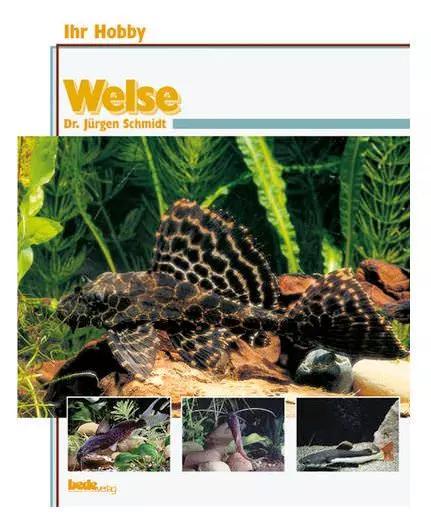
Ihr Hobby Welse von Dr. Jürgren SchmidtUnter den Welsen gibt es viele klein bleibende Arten, die zum Teil gegenwärtig im Fachhandel angeboten werden. Darunter findet sich eine Vielzahl hochinteressanter Arten. Die bei den Fütterungen und vor allem nachts richtig Leben ins Aquarium bringen. Der interessierte Aquarianer wird es nicht verpassen, wenn abends das Licht ausgeht. Welse sind einfach faszinierend. Dem Inhalt: -Das Welsaquarium -Die Fortpflanzung der Welse -Artenteil.
Buch Schneckenbuntbarsch-Fibel
Alles über die interessanten Buntbarschen aus dem Tanganjikasee von Wolfgang Staeck.
96 Seiten
180 Abblidungen
gebunden
Autor Wolfgang Staeck
Verlag Dähne Verlag
Schneckenbuntbarsche - die kleinen Buntbarsche aus dem Tanganjikasee sind zum Überleben auf leere Schneckenhäuser angewiesen. Durch das ungewöhnliche Verhalten, die unproblematische Pflege und Zucht wurden sie zu den idealen Aquarienfischen. Das Buch zeigt die bekanntesten Arten und beschreibt die Lebensweisen, das Sozialverhalten, die Brutpflege und die Ansprüche an das Aquarium.
AQUALOG - Alle Lebendgebärenden
352 Seiten
2000 Farbfotos
Hardcover
Standardwerk
deutsch / englisch
Autoren Michael Kempkes und Dipl. Biol Frank Schäfer
Das Buch zeigt alles Lebendgebärenden Zahnkarpfen wie zum Beispiel die Guppys, Mollys, Schwertträger, Platys ect. Alle Wild- und Zuchtformen, Farbvarianten und die Halbschnabelhechte.
Die perfekte Anleitung zur Diagnose, Kontrolle, Therapie und Aufbereitung Ihres Wassers.
128 Seiten
28 Farbbilder
gebunden
6. erweiterte und überarbeitete Auflage
Autor Hanns-Jürgen Krause
Verlag Bede Verlag
In diesem umfassenden Nachschlagewerk stecken über 50 Jahre aquaristische Erfahrung. Anfänger und "alte Hasen" finden hier klare Antworten auf praktisch alle Fragen der Wasserchemie.Aus dem Inhalt:
Welche Stoffe sind im Wasser gelöst?
Welche biologische Bedeutung haben sie im Aquarium?
Wie analysiere ich das Wasser fehlerfrei?
Wie finde ich die richtigen Wassertests?
Welches Mass ist richtig: Säurekapazität oder Karbonathärte?
Welche Grenzwerte gelten für Fische und Pflanzen?
GU Book - Aquarium fun for kids
Many great observation tips and explanations about the behavior of the fish make children feel like having their own aquarium and make it easier for them to get into the aquarium.
In exciting and vividly structured chapters, the hobby aquarium with this animal guide is made palatable to children. The fish expert Ingo Koslowski prepares only the theoretical background before it goes into practice. A pool, a little technology and you're ready to go. The educated pedagogue answers all important questions: What is the basic equipment? How and which plants do I choose? Which fish swim in which basin? Which species go well together? How is it to keep up with the care? In addition, a whole chapter is dedicated to the behavior of the fish. Small experiments invite you to find out more about the animals and their behavior. Colorful guppies, bright neon fish and filigree shrimps make you want to have your own aquarium.
Ihr Hobby Harnischwelse - 80 spanndende Seiten über die Harnischwelse
80 Seiten
70 Farbbilder
gebunden
Autor Dr. Jürgen Schmidt
Verlag Bede bei Ulmer
Die Familie Loricariidae ist eine der 35 Welsfamilien. Die über 700 beschriebene Arten lassen sich in fünf Unterfamilien gliedern. Das rege aquaristische Interesse hat seit 1988 dafür gesorgt, dass über 400 Formen der Loricariiden als neu oder scheinbar neu importiert wurden. Zahlreichen verschiedenen Gattungen und Unterfamilien gehören diese Welse an, doch die meisten fallen allerdings in die aquaristisch beliebte Unterfamilie Ancistrinae.
Guppy-Fibel - Handbuch
Guppy-Fibel - Alles über den sogenannten Millionenfisch wird in diesem Buch von den beiden Autoren beschrieben.
96 Seiten
160 Fotos
gebunden
Autoren H.Hieronimus und Ch. Lukhaup
Verlag Dähne Verlag
Guppys sind durch ihre Farben- und Formenpracht sehr beliebt geworden und sie zählen zu den meistverkauften Aquarienfischen. Im Buch wird alles über eine erfolgreiche Haltung im Aquarium beschrieben.
Kampffisch-Fibel - Die wichtigsten Grundlagen der Haltung von Kampffischen werden hier beschrieben.
96 Seiten
150 Farbfotos
gebunden
Bestseller
Autor Peter Bärwald
Verlag Dähne Verlag
Die Kampffische wurden durch die verschiedenen Flossenformen, Farben, ihr Verhalten und die interessante Fortpflanzung immer beliebter. Das Buch beschreibt die wichtigsten Grundlagen der Haltung und der Zucht der tollen Fische. Der Autor hat seit seiner Jugend Kampffische gepflegt und züchten heute sehr erfolgreich.
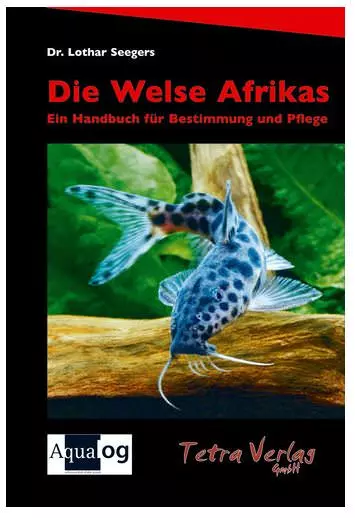
Die Welse Afrikas - Handbuch für Bestimmung und Pflege
In dem Buch Die Welse Afrikas werden diese Fische in einer Übersicht vorgestellt und es vermittelt viele Informationen über die Pflege und Zucht der Welse.
608 Seiten
mehr als 1108 Farbfotos
Zeichnungen
Verbreitungskarten
Hardcover
Standardwerk
Autor Dr. Lothar Seegers
Verlag Tertra Verlag
Nun liegt mit "Die Welse Afrikas" erstmals ein Buch vor, das alle afrikanischen Welse in einer Übersicht vorstellt. Viele Fotos zeigen die jeweils abgebildete Fischart überhaupt zum ersten Mal. Manche beschreibt der Autor Dr. Lothar Seegers in diesem Buch erstmals und gibt ihnen einen gültigen Namen. Das umfangreiche Buch stellt nicht nur eine systematische Übersicht der afrikanischen Welse dar, sondern es gibt auch Hinweise für Pflege und Zucht der aquaristisch bekannten Arten. Besonders wertvoll sind zudem viele Details über die Lebensräume dieser Fische, die der Autor, selbst eifriger Freilandforscher in Afrika, in akribischer Arbeit zusammengetragen und erstmals zu einer so vollständigen, beeindruckenden Übersicht zusammen getragen hat.
IceFree Thermo ice-free holder Keep your garden pond reliably ice-free
The IceFree Thermo 330 protects your garden pond in winter by preventing it from freezing over completely. This allows foul gases produced by the decomposition of plant matter to escape and the oxygen exchange is maintained. This protects fish, plants and the entire pond biology even at low temperatures.
Main features
Automatic thermal switch: Switches the device on and off again at freezing point
Cable length 10 m: Flexible positioning in the pond
For temperatures down to -20 °C: Reliable protection even in harsh winters
Silent operation: Does not disturb the natural rhythm of life of plants and animals
Local water heating: Efficient, energy-saving and only in the required area
How it works
The size of the ice-free area depends on the output and ambient temperature, not the size of the pond. This keeps the IceFree Thermo 330 particularly efficient and easy to use.
Technical data
Output: Thermo-controlled
Temperature range: down to -20 °C
Cable length: 10 m
Noiseless
Advantages for your pond
Prevents oxygen deficiency
Reduces foul gases in winter
Protects fish, plants and microorganismsLow maintenance and energy efficient
CHF 139.00
❅
❆
❅
❆
❅
❆
❅
❆
❅
❆
❅
❆
This website uses cookies to ensure the best experience possible. More information...