Keeping goats on small areas is becoming increasingly popular. This is not only because goat's milk and its products are high-quality foods with a delicate flavour and are increasingly appreciated. Goats are also extremely lovable farm animals that become very trusting and can also be used wonderfully for landscape maintenance. In this book, you will learn how to keep and care for these friendly farm animals in a species-appropriate way with relatively little effort, even on small areas.
Anatomy, physiology and behaviour of goats
Correct feeding, important feed plants and feed components
Year-round and seasonal husbandry
the optimal design of a goat shed
Grazing and pasture management
Prevention and treatment of diseases
Breeding as well as milk and meat production
Legal principles and funding opportunities for goat farming
Breed portraits in words and pictures of 20 goat breeds, which are particularly popular in our country, round off the book and offer the reader an overview of the many different types of appearance and at the same time a decision-making aid when choosing the right breed(s).
Composition
Feeding recommendation
Technical details
Size information
0 out of 0 reviews
Give us a rating!
Share your experience with the product with other customers.
Log in
No reviews found. Go ahead and share your findings with others.
Pre Alpin Fibre for tortoises
The diet of wild tortoises always depends on the natural conditions of the vegetation. In their original habitats, the actual growing season is usually limited to a short period, which is replaced by drought and heat from midsummer to fall. In spring, the crude fiber content of the plants is relatively low and the protein content is high. Over the course of the summer, the herbs and grasses "age". The crude fiber content therefore increases in midsummer, whereas the protein content then drops sharply.In order to meet the needs of the organism, the composition of the diet should be adapted to the season.Tortoises are herbivores that require food of impeccable quality. Observing tortoises living in the wild and studying their physique and digestive tract reveals which food is most suitable for tortoises. The animals' well-developed appendix enables them to obtain sufficient nutrients from grasses and herbs rich in crude fiber and low in protein. The content of agricultural meadows, which are usually heavily fertilized, is too rich for tortoises and can lead to a variety of diseases. The food available to tortoises in their natural biotope is similar to the species-rich rough pastures of the Alpine foothills. With a natural, herb-rich diet and good husbandry, tortoises reach an advanced age.
Feeding PRE ALPIN Testudo Herbs and PRE ALPIN Testudo Fibre provides the animals with species-appropriate food that is adapted to the digestive system of tortoises.
PRE ALPIN Testudo Herbs and Testudo Fibre are therefore a valuable main component of the daily feed ration. The combination of fresh rough pasture plants, with over 60 different types of grasses and herbs, provides the animal with a rich and balanced diet.
PRE ALPIN Testudo Herbs and Testudo Fibre for all tortoises ...
offer a diet adapted to the natural habitats of tortoises
provide an optimal supply of raw fibers and thus ensure the maintenance of a healthy intestinal flora
contain no grain or animal ingredients
offer an ideal calcium-phosphorus ratio
can be offered for free intake at any time
are free from flavorings and preservatives
are recommended by the Institute of Zoology in Munich
Green, glazed ceramic feeding dishA stylish feeding dish for wild birds. But it can also be used for hamsters, rabbits, guinea pigs, mice, rats, chickens, insects or hedgehogs.For wild birds: Enrich your garden with our elegant, green feeding plate made of high-quality ceramic. This glazed plate is not only an attractive accessory, but also provides a practical feeding place for wild birds. For rodents: This feeding dish is also suitable for feeding fruit and vegetables in rodent enclosures, for exampleFor chickens: The green feeding dish can be used for feeding grit, seeds or vegetables and fruit. It looks pretty and is easy to clean.For hedgehogs: Simply put hedgehog food in the feeding dish and place it in the hedgehog house or outside.For insects: Place larger stones in the ceramic bowl and pour water over them - this way the insects can drink safely.High-quality ceramic: The feeding dish is made of robust ceramic, which is weatherproof and durable so that you can use it outdoors all year round. Attractive design: The green glaze gives the plate a modern touch and blends harmoniously into any garden landscape. Versatile use: Ideal for feeding seeds, fruit or other treatsAvailable in four sizes:S = ⌀ 9 cm / H 1.9 cm M = ⌀ 12 cm / H 2.5 cm L = ⌀ 15 cm / H 3.1 cm XL = ⌀ 25 cm / H 3.7 cm
Pre Alpin Testudo Herbs for tortoises
Feeding PRE ALPIN Testudo Herbs provides the animals with species-appropriate food that is customised to the digestive system of tortoises.
offer a diet adapted to the natural habitats of tortoises
provide an optimal supply of raw fibres and thus ensure the maintenance of healthy intestinal flora
contain no grain or animal ingredients
offer an ideal calcium-phosphorus ratio
can be offered freely at any time
are free from flavourings and preservatives
are recommended by the Institute of Zoology in Munich
The diet of wild tortoises is always based on the natural conditions of the vegetation. In their original habitats, the actual growing season is usually limited to a short period, which is replaced by drought and heat from midsummer to autumn. In spring, the crude fibre content of the plants is relatively low and the protein content is high. Over the course of the summer, the herbs and grasses "age". The crude fibre content therefore increases in midsummer, whereas the protein content then drops sharply.In order to meet the needs of the organism, the composition of the feed should be adapted to the seasonal cycle.
Tortoises are herbivores that require food of impeccable quality. By observing tortoises living in the wild and studying their physique and digestive tract, it becomes clear which food is most suitable for tortoises. The animals' well-developed appendix enables them to obtain sufficient nutrients from grasses and herbs rich in crude fibre and low in protein. The content of agricultural meadows, which are usually heavily fertilised, is too rich for tortoises and can lead to a variety of diseases. The food available to tortoises in their natural biotope is similar to the species-rich rough pastures of the Alpine foothills. With a natural, herb-rich diet and good husbandry, tortoises reach an advanced age.
Feeding PRE ALPIN Testudo Herbs and PRE ALPIN Testudo Fibre provides the animals with species-appropriate food that is adapted to the digestive system of tortoises.
PRE ALPIN Testudo Herbs and Testudo Fibre are therefore a valuable main component of the daily feed ration. This is because the combination of fresh rough pasture plants, with over 60 different types of grasses and herbs, provides the animal with a rich and balanced diet.
PRE ALPIN Testudo Herbs and Testudo Fibre for all tortoises.
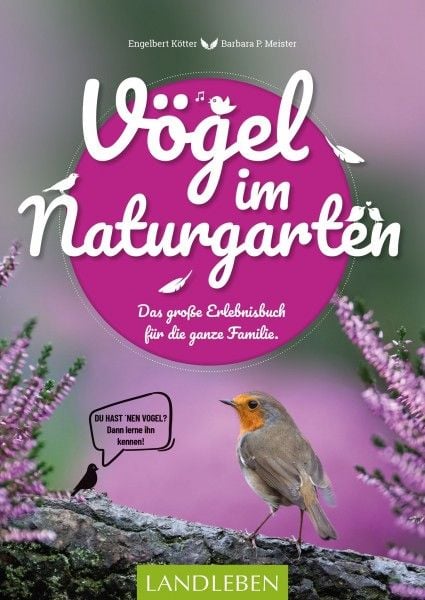
Birds in the natural gardenBlurbGet involved! Do something for the endangered bird world! You've never been this close to birds before! This unique bird experience book for the whole family helps you to observe and identify garden birds, to better understand their fascinating way of life and to protect and effectively support them with targeted practical measures all year round. With bonus pack: lots of additional tips and a large community of like-minded people on the website (birds.cadmos.de), print templates and interactive games. Did you know, for example, that songbirds are excellent astronomers? They know without calculation when the sun will rise and announce it daily with their song. Listen carefully - their morning concert will set the mood for your day. Do you know the song of the bullfinch? Or do you know how to tell swifts and swallows apart? Maybe you want to write with a quill like Harry Potter, build a bird bath or simply spend a morning watching the songbirds in your garden from your own willow tepee? Why not keep your own birdwatcher's diary? In this book and on the associated website (birds.cadmos.de) you can also find out which birds are best fed and when. We have put together a variety of interesting ideas for you and your family. Of course, you will also find instructions in this book and on its website on how to turn your garden into a natural bird sanctuary.
Table of contents
From the contents Birds - totally exciting! The bird clock Window alarm: When fluttering birds fly against the window Bird protection score calculator Orchard playground Birding and organic lessons - birds in the school garden Bird portraits Bird bingo Feeding birds - all year round The bird buffet Family workshop: Build, set up and care for helpful things for birds yourself
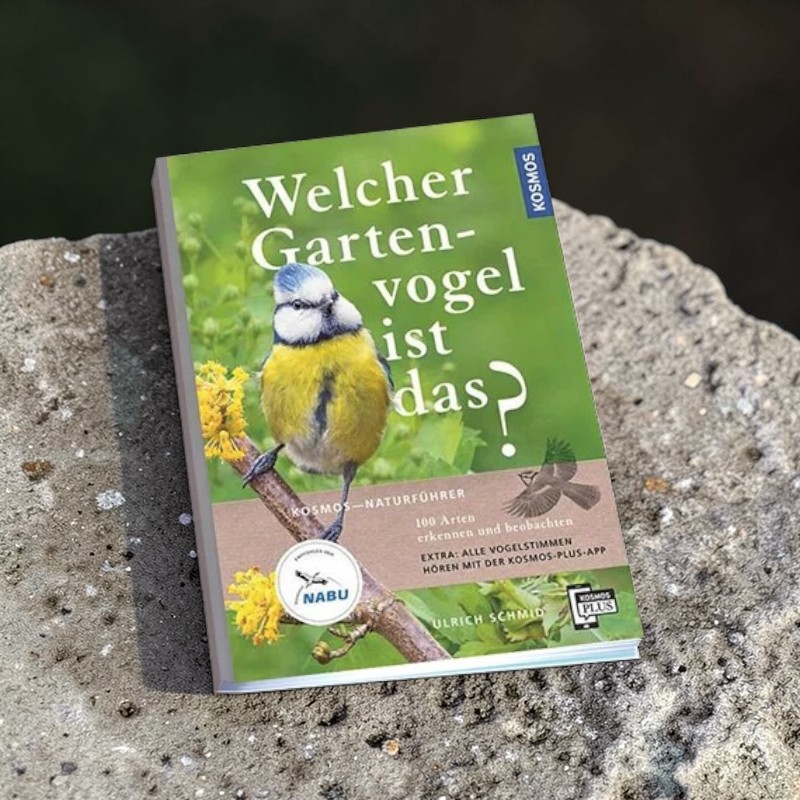
Which garden bird is this?Author: Ulrich SchmidPublisher: KosmosPublisher
4th edition 2018Cover/equipment: 295 colour photosThis book introduces 100 bird species with voices (with the KOSMOS Plus APP) – from regular garden visitors to winter guests and overfliers. In addition, the compact guide offers lots of interesting facts about the way of life of our feathered guests and gives tips on nesting aids, feeding and observation.Recommended by NABU.
Handbook of forage plants 2nd revised editionMarion Minch is not only a successful breeder of diverse tortoises for many years, but also an excellent connoisseur of native wild herbs. She founded and runs samenkiste.de, which is well known to many tortoise keepers and nature lovers. Her name is inextricably linked with reptile care and species-appropriate nutrition for tortoises. Her handbook of food plants summarises the most important native food plants for herbivorous and omnivorous reptiles. She not only considers tortoises, but also iguanas, spiny-tailed dragons and even chameleons. From the basics of plant biology to native wild herbs to suitable food plants for hardy tropical reptile species, this comprehensive work provides the basis for species-appropriate keeping. In the expanded and supplemented 2nd edition, the plant section is divided according to flower colour. This makes it even easier to identify wild herbs. The work has also been supplemented with a wealth of additional information and many pictures.
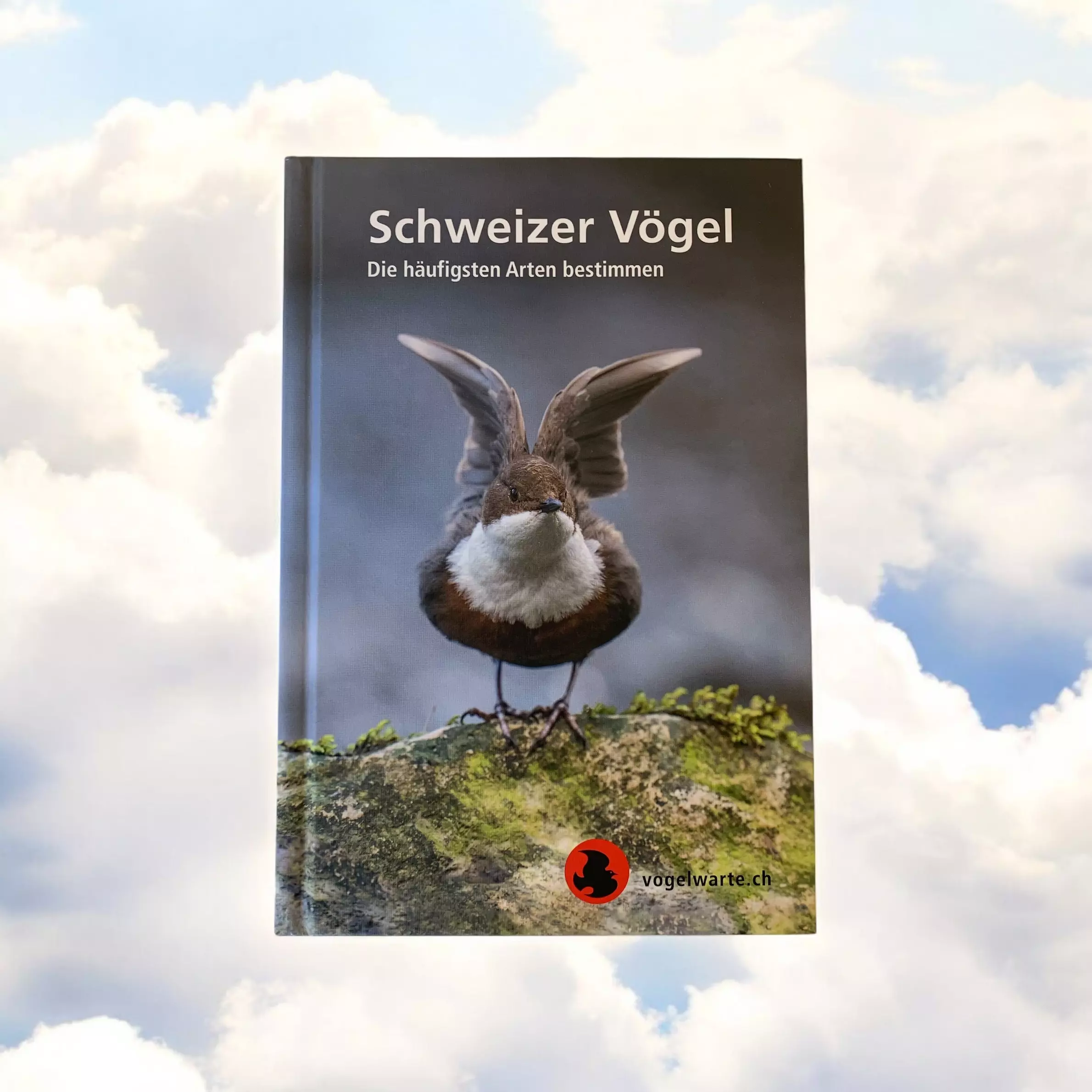
Swiss birdsThe book "Swiss Birds" by the Swiss Ornithological Institute offers a comprehensive overview of the most common and best-known bird species in Switzerland.Author: Rey LivioHardcover
Mini pigsHighly intelligent, cuddly, funny, easy to train: Mini pigs, the ideal pets. The lovingly designed gift book: choosing, caring for, feeding and keeping mini pigs busy. With quotes from celebrity pig fans from Winston Churchill to George ClooneydetailsISBN/GTIN: 978-3-8354-1833-2Type of binding: Hard coverPublisher: BLVYear of publication: 2018Pages: 96 pagesLanguage: GermanDimensions: width 202 mm, height 202 mm, thickness 14 mmWeight440 g
Chickens Love – GU GuideThis comprehensive book on chicken keeping, chicken feed, diseases, with tips and many other important topics relating to chickens, is the ultimate guide. The book is suitable for beginners in chicken keeping as well as for more experienced keepers – after all, you never stop learning.Wonderful as a gift or to acquire specialised knowledge from the expert.A chicken rarely stays alone, because these trusting, very busy, easy-care and clever pets are winning more and more hearts and are now even populating urban gardens. This is not surprising, as chickens are frugal, inexpensive and very uncomplicated and provide us with an egg every day.The devoted chicken mum Katharina von der Leyen shows in this all-encompassing practical guide how to truly make your feathered friends happy and keep them healthy. She shares her extensive knowledge about chickens, including special methods such as rose petals in the litter to deter pests and tips for chicken wellness and entertainment. With many fascinating background stories about this new favourite pet.Extensive chicken knowledge: All the important information on chicken keeping, chicken breeds, chicken coops, free-range and diseasesGuide to happy chickens: favourite feed, chicken wellness and entertainmentBackground information on the anatomy of the animals and the miracle eggNumerous tried-and-tested and delicious recipes for using eggs quickly and in a variety of waysSummaryThe emotional chicken guide by GU bestselling author and passionate chicken mum Katharina von der Leyen. With many new insights – even for experienced chicken keepers – showing what truly makes chickens happy
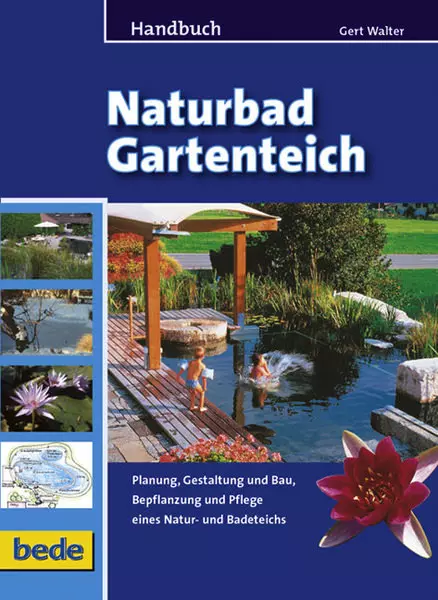
Bede at Ulmer - Natural Swimming Garden Pond
In this practice-orientated workbook you will learn which requirements and which building materials you need for a natural pool in your garden.
The construction process is explained step by step. The author deals in particular detail with planting, the animals in and around the swimming pond, the biology of the swimming pond and its maintenance.
• Planning and design• Planting• Animals in and around the garden pond• Biology in the garden pond• Care of the swimming pond• Moving water• Examples of self-build ponds
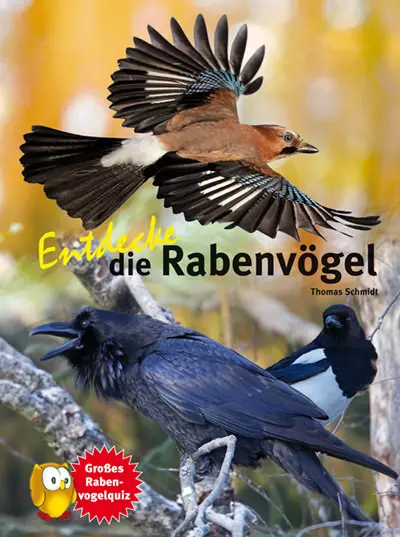
NTV, Discover the corvids by Thomas Schmidt
56 pages
colour photos throughout
Large format: 20.7 x 28 cm, hardcover
Contents:
Raven, magpie, jay & co: corvids are among the most intelligent birds, indeed the smartest animals of all! They use tools, find a solution to every problem and are very social. Some even learn to speak.
"Discover the corvids" presents these feathered companions of humans in detail. Young readers learn all about their amazing feats and exciting behaviour. There are also portraits of our native species and a quiz on corvids.
Knowledge that's fun!
Including 20 great stickers
Hibernation in European tortoises
Natural preparation and successful hibernation. Guide to keeping European tortoises, Volume 1 (2nd edition)
A challenge for tortoise lovers, a necessity for their pets: the annual hibernation. This guide is aimed at readers who are looking for basic information as well as experienced keepers. It provides clear and concise information on the fundamental importance of hibernation for the species and their health. A separate chapter also deals with naturalised keeping in outdoor enclosures, which is a prerequisite for successful hibernation. Preparing for, carrying out and ending hibernation, including associated problems and mistakes, are described in detail. There is also important information from vet Frank Mittenzwei, a monthly overview of hibernation and lots of helpful illustrations. A really helpful guide for tortoise lovers.
NTV, amphibians at the garden pond
André de Saint-Paul, Ingo Brand & Wolfgang Schmidt
104 pages
96 photos
Format: 16,8 x 21,8
With references to"Chemistry in the garden pond""Safety at the garden pond""Design"
Content:
You will not only get a beautifuland interesting small biotope to theown property, but can also be usedmake an important contribution to nature conservation!
Everything you need to know in order for amphibians to settle in your pond
The amphibian-friendly garden pond
Large species part with splendid pictures
With "amphibian calendar" for the garden pond
Press commentaries:
Following a taste of the time more and more garden pond friends lay themselves ponds, many of them become so-called natural ponds. Surely, only the fewest investors consider thereby, what they can cause. For these a book appeared, which can answer each question, which they could ask, exhaustively, if it refers to the topic: Amphibien at the garden pond . Who knows them all, toads, toads, frogs and newts? All animal species that before man had settled in the places of today's ponds had long been resident and indigenous and had been suppressed for the time being. What to do when they return suddenly and inconspicuously? Many gardeners are aware of the fact that this can happen in well-designed gardens and have been described in some articles (...). So what should we do to get to know these new citizens of the garden better and, if possible, to help them even more? Very simple: Buy and read the book discussed here!Rarely has a book summarized so much worth knowing about this topic so succinctly and comprehensibly.Some garden friends, who are not quite firm with the determination, will use the many clear photos beside the text, in order to determine its pond inhabitants correctly. The text leaves also no wish open, there are chapters about the animal species themselves and such, which have apparently secondary meaning, but for a longer existence of pond and animal are extremely important: "Nature as a model", "Legal regulations", "Settlement of amphibians", "Water supply", "Pond technology" and "Safety at the garden pond" are just a few examples. Everything is presented very clearly and comprehensibly for zoological laymen and is also exciting to read.Conclusion: A 5-star book!Walther Rohdich in The Aquarium 08/2002Recommended(...)Altogether (...) a recommendable book for garden owners who are interested in amphibians, as well as for all amphibian friends and those who want to become one.Petra Kölle in DATZ 9/2002(...)(This book) is intended to serve those who want to create a garden pond in their garden that is as close to nature as possible.The book first of all examines the question of whether the garden pond can be a Noah's ark for amphibians and what position amphibians occupy in the biotope garden pond. The next chapter gives a brief overview of amphibians: evolution, systematics, way of life, catching prey, breathing, voice, reproduction, from egg to lurch, migrations and enemies and diseases. This gives everyone the basic knowledge they need to better understand amphibians. (...)In the following kind descriptions all amphibian-types native with us are introduced except for two (...) in text and picture. Thereby, distribution, way of life and reproduction are discussed in detail. The garden ponds for amphibians are taken into account afterwards, whereby also the remaining garden is included in the discussion. The question "Fish and amphibians in a body of water - is that possible?", which is important for many people, is answered as well as questions about legal regulations, settlement in one's own garden and the construction and maintenance of a garden pond. (...)The last part of the book is about safety at the garden pond, care tips and an "amphibian calendar", which gives an overview of important events in the course of the year of the native species. At the end there is a glossary, a bibliography and an index.The book can be considered as quite successful and gives also the interested layman the possibility of making itself fast familiar with the topic. (...) Altogether a recommendable reading for "newcomers" or advanced readers who are interested in this topic.Peter Janzen, DGHT-AG Anuren, in elaphe 3/2002A feel-good garden for frogsA beautiful garden pond is not just a piece of quality of life. It can also make a contribution to nature and species conservation, according to André de Saint-Paul, Ingo Brand and Wolfgang Schmidt in the book "Amphibien am Gartenteich", published by Natur und Tier - Verlag. Location, pond type, water supply, planting and technology - nothing is left out. In addition the Artenteil equipped like the entire book with excellent color photos presents all domestic tail and frog through species with detailed information and refers also to their special needs.Review in Dresdner newest News of 30.05.2002(...)The book shows the right way. More and more garden owners want to create a piece of nature with frogs, toads and newts.One is also reasonably informed about the work involved in setting up and maintaining such a watercourse. The care of the small water is also important, and here the author gives many care tips.Also the amphibian calendar is valuable, which clearly tells each owner of a garden pond what is happening at which time of the year in his water and when he can find which kind of amphibian there.Get a beautiful and interesting small biotope on your own property. Well informed you can make an important contribution to nature conservation!
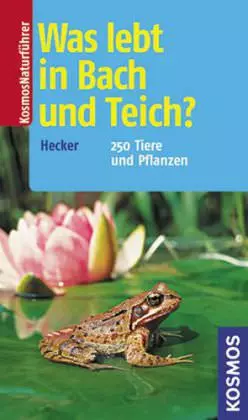
Kosmos - What lives in streams and ponds?Discover the abundance of species in our streams and rivers, ponds and lakes! Otters and beavers, grey herons and white-tailed eagles, trout and salmon, damselflies and yellow burnet beetles, pond lilies and reeds or frogspoons and irises. And many more species... 250 animals and plants in their natural habitat. 320 brilliant colour photos for reliable identification. Appendix on tracks: frogspawn, shells of dragonfly larvae, beaver lodges etc. Extra: simple instructions for determining the water quality. So you can become an expert pond diver! The nature guide in a practical plastic cover - can be used in any weather!
AQUALOG - All goldfish and veiltails
160 pages
690 colour photos
Hardcover
German / English
Author Karl-Heinz Bernhardt
Publisher AQUALOG
The book shows all existing breeding varieties of goldfish on 160 pages and with 690 colour pictures. The book is in German and English.
CHF 39.90
❅
❆
❅
❆
❅
❆
❅
❆
❅
❆
❅
❆
This website uses cookies to provide the best possible experience. More information ...