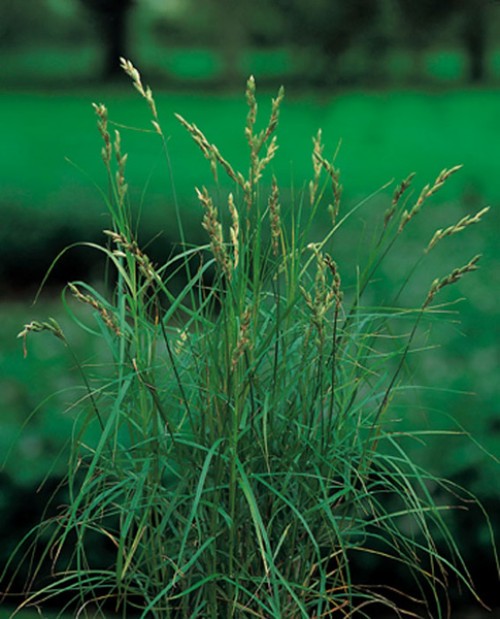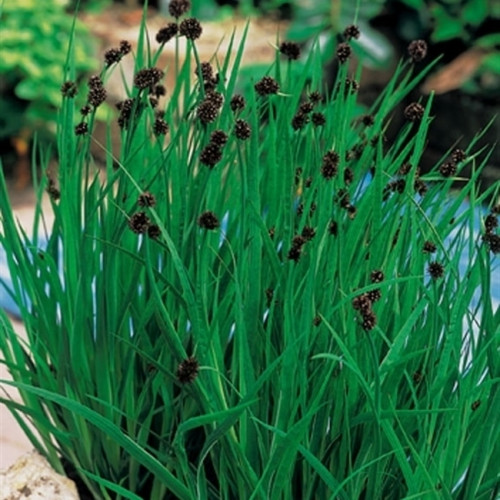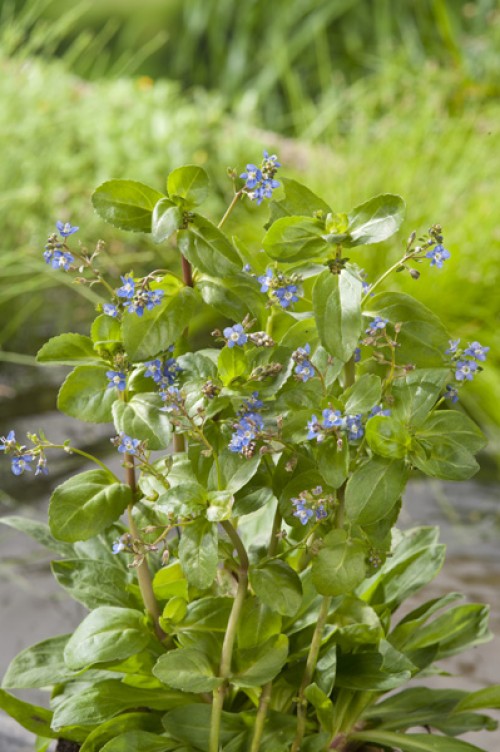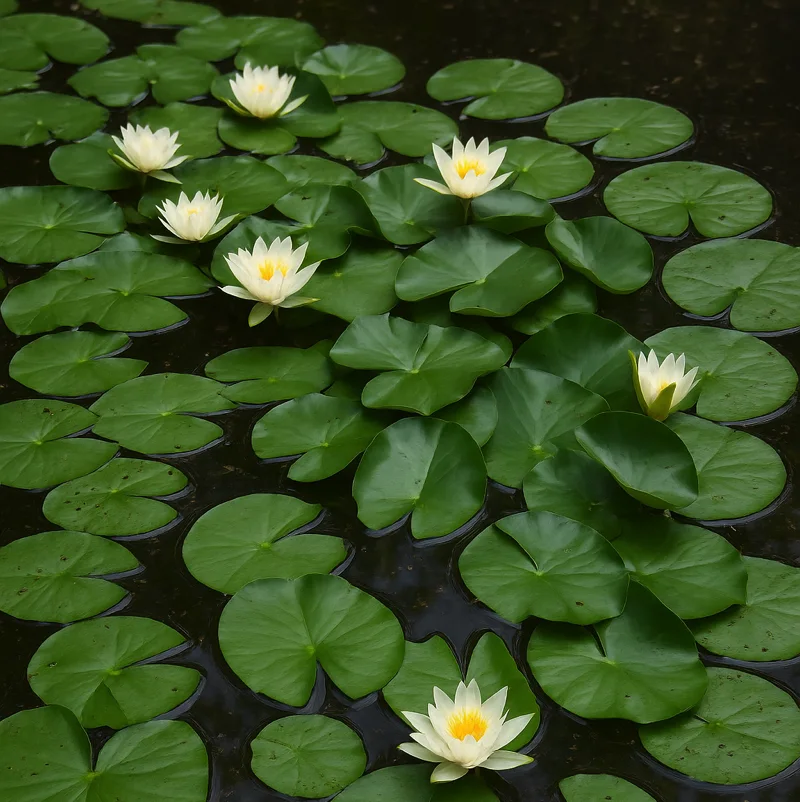
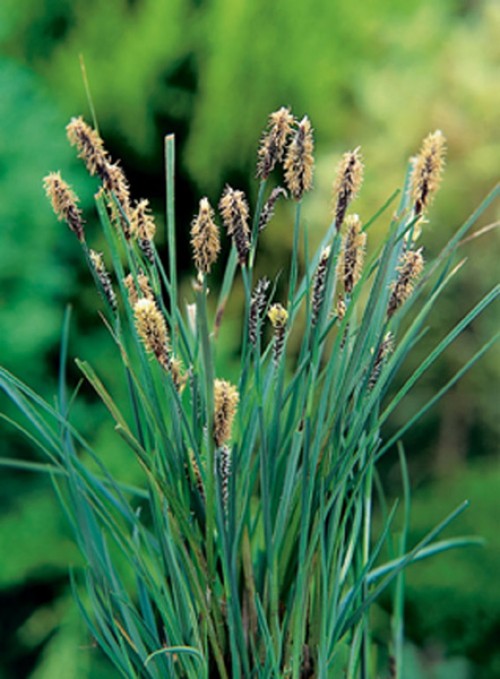
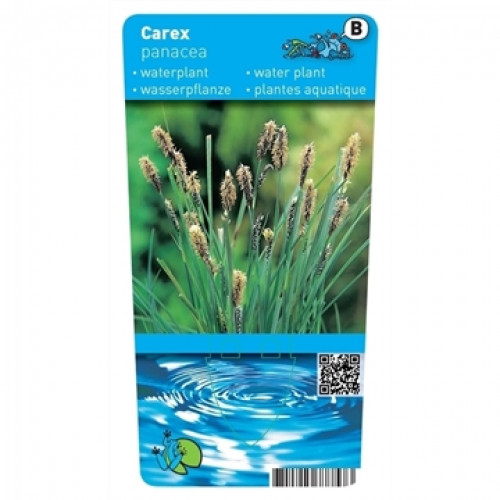
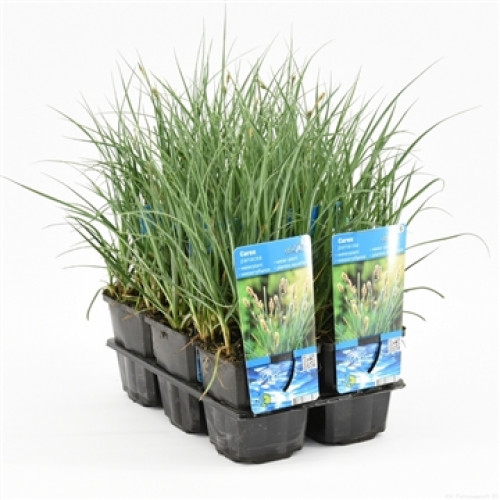
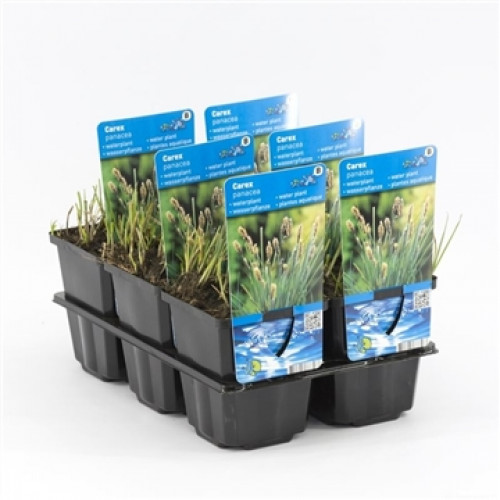
Sedge (9 cm) – Carex panacea

  • Pond edges and shallow water
  • Flowering period: June to July
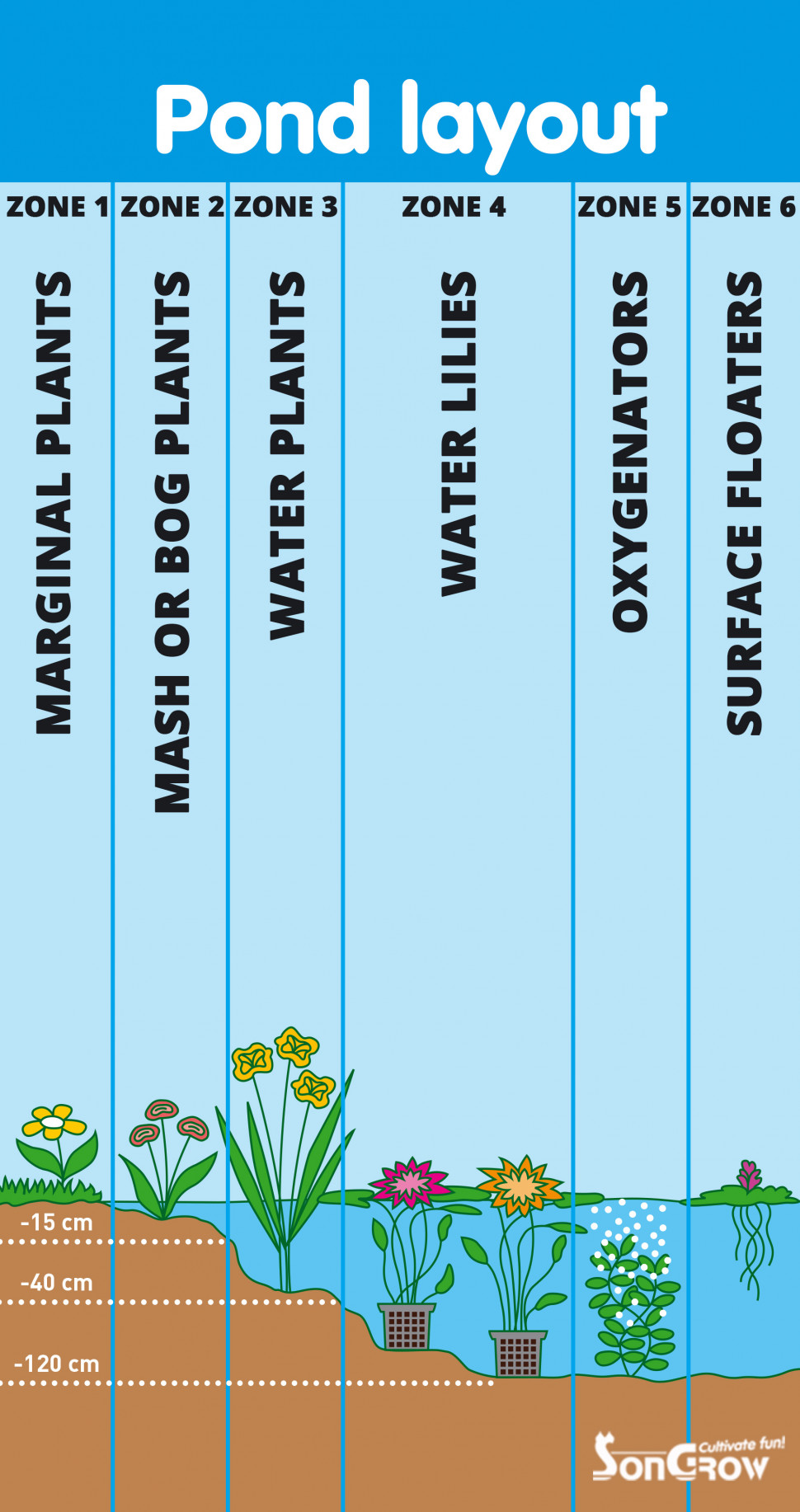
  • Planting depth up to 15 cm


Article no: SG-V10137

CHF 7.90

Stock: 0

This article is currently not available

Product information "Sedge (9 cm) – Carex panacea"

Carex panacea – sedge for pond edges & shallow water


Carex panacea is a hardy sedge for damp banks and the shallow water edge zone of garden ponds. With a height of 60–80 cm, it brings a calm, natural structure to the planting scheme. The flowering period is from June to July (VI–VII), it is suitable for a planting depth of 0 to –15 cm and is hardy in zone 1–2.


  • Flowering period: VI–VII (June to July)
  • Height: approx. 60–80 cm
  • Planting depth: 0 to –15 cm
  • Pot size: approx. 9cm


Product specifications:

  • They provide a stable, natural-looking structure at the pond edge and visually "frame" the shoreline neatly.
  • Thanks to a planting depth of 0 to –15 cm, the sedge can be flexibly positioned on the damp edge or in very shallow water.
  • With zone 1–2, Carex panacea is suitable for perennial, low-maintenance pond planting.


Technical data:

  • Botanical name: Carex panacea
  • Common name: sedge 
  • Height (cm): 60 / 80 cm
  • Planting depth: 0 / –15 cm
  • Flowering period: VI–VII
  • Winter hardiness zone: Zone 1 / 2
  • Pot size: 9 cm

With Carex panacea, you choose a reliable structural grass for the garden pond, which permanently organises the bank zone and visually embeds the pond. Especially at pond edges, it is helpful to use plants that not only flower in specific spots, but also create a calm, natural line with their growth habit. Sedges are particularly well suited for this: they look neat, can be combined in various ways and add stability to the edge planting.

With a height of approx. 60 to 80 cm, Carex panacea fits ideally into the middle to background of the pondside planting. It can serve as a green frame that structures the pond edge, while lower groundcovers and flowering shallow water plants in the foreground soften the transition to the water. The flowering period from June to July (VI–VII) falls in the early summer phase and complements the season, even if with sedges the focus is usually on foliage and structure.

The recommended planting depth of 0 to –15 cm makes the plant flexible in use: directly in damp bank soil or in very shallow water. Depending on the pond layout, you can decide whether the sedge should act more as a marginal plant or as a shallow water element.

The 9-cm pot is particularly suitable if you want to plant several plants to quickly achieve an even, natural bank line. For a neat pond edge and better control, a planting basket can be useful – this keeps the plant stable and makes it easier to move if necessary. Thanks to zone 1–2, Carex panacea is winter hardy and therefore well suited for perennial pond schemes. A good choice if you are looking for a calm, low-maintenance structural plant for the garden pond, one that blends harmoniously into natural-looking bank designs.


Note on shipping: We make every effort to ensure that our plants arrive healthy and undamaged at your address. Despite utmost care, it is possible for plants to be slightly damaged during postal delivery or other unforeseen events. This includes brown leaves just as much as bent branches. We accept no liability for this. Do not plant in open water such as lakes or biotopes.


 Zoo-Roco tip: Plant sedges at the pond edge in small groups, slightly staggered, rather than in a straight line – this makes the shoreline appear more natural. If you want to keep the edge very neat, place Carex panacea in a planting basket at a depth of 0 to –15 cm and combine a low ground cover at the front for a soft finish.


Composition
Feeding recommendation
Technical details
Size information

0 out of 0 reviews

Give us a rating!

Share your experience with the product with other customers.


Customers also bought

Palm-leaved sedge (18 cm) – Carex muskingumensis
Carex muskingumensis – Palm-leaf sedge for pond edgeCarex muskingumensis is an ornamental grass for damp locations and the edge of garden ponds, known for its umbrella-like arranged leaves. With a height of 60–80 cm, it brings a calm structure to the shore and shallow water zone. It is suitable for a planting depth of 0 to –15 cm, with the flowering period from June to August (VI–VIII).Flowering period: VI–VIII (June to August)Height: approx. 60–80 cmPlanting depth: 0 to –15 cmPot size: approx. 18 cmPlant specifications: They create a calm, natural structure at the pond edge – ideal as a “frame” for flowering shoreline plants.Thanks to the planting depth 0 to –15 cm, the palm-leaf sedge can be flexibly placed in shoreline and shallow water areas.The 18-cm pot gives the plant a stable start and makes it easier to plant in the desired spot.Technical data:Botanical name: Carex muskingumensisGerman name: Palm-leaf sedgeHeight (cm): 60 / 80 cmPlanting depth: 0 / –15 cmFlowering period: VI–VIIIWinter hardiness zone: Zone 1 / 2Pot size: 18 cmWith Carex muskingumensis (Palm-leaf sedge / Umbrella Flat Sedge) you are choosing a structural grass that looks particularly elegant at the garden pond edge. The leaves are arranged like umbrellas and visually resemble small palm fronds – creating a clear, yet still natural, shape, instantly enhancing pond edges. Especially where there are many soft-growing plants around the pond, this sedge provides a calm counterpoint and brings order to the overall picture.With a height of approx. 60 to 80 cm, Carex muskingumensis is ideal for the middle to background of the shoreline planting. It can visually “frame” pond edges without completely covering the water surface. It is particularly harmonious in small groups or as a recurring element along the bank – this creates a natural rhythm that makes the pond look as if it were all of a piece. The flowering period from June to August (VI–VIII) complements the seasonal cycle; for this plant, however, the attractive leaf structure is usually the main focus.The recommended planting depth of 0 to –15 cm makes the palm-leaf sedge suitable for the shore and shallow water zone. Plant it in moist bank soil or place it in a very shallow water area – depending on how your pond is laid out.The delivery in an 18-cm pot makes planting easier and gives the plant a good root volume for a secure start. If you prefer a tidy, easily controlled pond edge, a planting basket is a practical solution: this keeps the plant stable in the desired place and makes it easy to move if necessary.Thanks to zone 1–2, Carex muskingumensis is suitable for perennial pond installations in many regions and is a low-maintenance choice if you want to combine structure, height and a natural appearance.Note on shipping: We make every effort to ensure that our plants arrive healthy and undamaged. Despite the greatest care, plants may be slightly damaged during postal shipping or other unforeseen events. These include brown leaves as well as bent branches. We accept no liability for this. Do not plant in open waters such as lakes or biotopes. Zoo-Roco tip: Plant the palm-leaf sedge so that from your main viewing axis it “frames the pond” – for example, on the left and right of a seating area view of the water. At a depth of 0 to –15 cm it looks especially natural, and in a planting basket its shape stays neat and can be corrected at any time.

CHF 19.90

Dwarf rush (18cm) - Juncus ensifolius
Juncus ensifolius - dwarf rush for the garden pondThe dwarf rush is a compact, grass-like pond edge plant that gives banks and shallow water zones a clean visual structure. At 30-40 cm tall, it is ideal for the edge without obscuring the view of the water. It flowers from June to August (VI-VIII) and is hardy in zones 1-2.Flowering period: VI-VIII (June to August)Flower colour: rust redWinter hardiness: Zone 1 - 2Pot: approx. 18 cmPlant specifications:They give the pond edge a calm, natural structure and neatly fill gaps between stones or plant baskets.The planting depth of 0 to -15 cm allows the dwarf rush to be placed flexibly in marginal and shallow water zones.Thanks to zone 1-2, it is suitable for perennial, low-maintenance pond planting.Technical data:Botanical name: Juncus ensifoliusGerman name: Dwarf rushPlanting depth: up to -15 cmFlowering time: VI-VIIWinter hardiness: Zone 1/2Pot: approx. 18 cmWith Juncus ensifolius (dwarf rush), you can choose a plant for your garden pond that impresses with its clear, grass-like structure. Such "calming elements" are particularly important around ponds: they bring order to the bank planting, make transitions look more natural and prevent the edge area from appearing visually restless.Thanks to its compact height of approx. 30 to 40 cm, the dwarf rush is ideal for the foreground to midground - where you want structure but want the water surface to remain visible. The dwarf rush can be used very flexibly as it is suitable for a planting depth of 0 to -15 cm. This makes it perfect for the bank and shallow water zone: directly in moist marginal soil or standing slightly in the water.It looks particularly attractive when planted in small groups or as a recurring element along the edge of the pond. This creates a natural rhythm that visually "captures" the pond. The flowering period is from June to August (VI-VIII). Even if the flowers are often not the centre of attention with rushes, the seasonal indication gives you a good orientation for the development over the summer.Due to its hardiness (zone 1-2), Juncus ensifolius is suitable for perennial pond installations and is an easy-care addition to naturalised, permanent shoreline areas. For a clean, controllable pond design, we recommend using it in a plant basket, depending on the design. This ensures that the plant remains stable in the desired position and you can easily move or divide it if necessary.Shipping note: We make every effort to ensure that our plants arrive healthy and undamaged. Despite the greatest care, it can happen that plants are slightly damaged by the post or other unforeseen events. This includes brown leaves as well as broken branches. We accept no liability for this. Do not plant in open bodies of water such as lakes or biotopes. Zoo Roco tip: Use the dwarf rush as a "framing plant": place it along the edge of the pond at a depth of 0 to -15 cm to make transitions between stones, the edge of the liner and higher-growing shore plants appear calmer. The line remains particularly clean and easy to maintain in plant baskets.

CHF 19.90

Bachbunge (9 cm) – Veronica beccabunga
Veronica beccabunga – Brooklime for pond edge & banksVeronica beccabunga (Brooklime) is a low-growing pond-edge plant for damp banks and the shallow water zone. It is suitable for a planting depth of 0 to –15 cm and remains pleasantly compact at a height of 10–20 cm. The flowering period runs from May to September (V–IX).Flowering period: V–IX (May to September)Hardiness/Zone: Zone 1–2Height: approx. 10–20 cmPot size: approx. 9cmSpecifications for the plant:They visually green pond edges and stream courses softly and naturally, without obstructing the view of the water. Thanks to the long flowering period V–IX, the border zone remains lively for many weeks.With zone 1–2, brooklime is suitable for perennial, low-maintenance pond plantings.Technical data:Botanical name: Veronica beccabungaGerman name: BrooklimeFlowering period: V–IXWinter hardiness zones: Zone 1 / 2Height: approx. 10–20 cmPlanting depth: 0 to –15 cmWith Veronica beccabunga (Brooklime) you are choosing a compact, natural-looking plant for garden ponds, streams and damp banks. Especially at pond edges there are often transitions that can quickly appear ‘harsh’ – for example at stones, liner edges or between plant baskets. Brooklime helps to visually connect these areas: it grows low, has a calm appearance, and provides a natural finish without overloading the pond edge.A major advantage is the long flowering period from May to September (V–IX). This keeps the edge zone attractive for much of the season and gives a well-maintained appearance. Thanks to the low growth height of approx. 10 to 20 cm, Veronica beccabunga is particularly suitable for the foreground of bank plantings or as a ‘filler plant’ in the shallow water zone. It can be excellently combined with taller structural plants that may stand behind, while the brooklime in the foreground softly outlines the edge visually.The recommended planting depth of 0 to –15 cm makes the plant very flexible: place it directly in moist bank soil or in a very shallow water area, depending on the pond layout. For a neat pond edge and easy care, a planting basket is often helpful, especially if you want to reposition the plant later. For growth, a consistently moist location is crucial. Thanks to zone 1–2, Veronica beccabunga is suitable for perennial pond installations and is a good choice if you are looking for a low-growing, uncomplicated plant for damp areas that integrates harmoniously into a natural pond design.Note on shipping: We do our utmost to ensure that our plants arrive healthy and undamaged. Despite the greatest care, plants may be slightly damaged by postal delivery or other unforeseen events. This includes brown leaves as well as broken twigs. We do not accept liability for this. Do not plant in open waters such as lakes or biotopes.Zoo-Roco tip: Place brooklime along the shore where you want to fill gaps – it looks especially natural when it ‘grows into’ stones. In very shallow areas (up to –15 cm), a planting basket is practical so that the plant stands stably and you can keep design control easily.

CHF 7.90

Dwarf water lily – Nymphaea Pygmaea Alba (18cm)
Nymphaea pygmaea ‘Alba’ – dwarf water lily white-yellowThe dwarf water lily Nymphaea pygmaea ‘Alba’, with its white-yellow flowers, adds a serene, elegant touch to the water’s surface. Thanks to its compact growth habit, it is particularly suitable for smaller garden ponds or basins where a classic water lily would be too vigorous. Ideal if you want a delicate floral effect without the pond looking ‘overcrowded’.Dwarf water lily – suitable for smaller pondsFlower colour: white-yellowGrowth habit: compact, with a modest foliage and flower displaySuitable for: garden pond, mini-pond, pot/tank (depending on the setup)Technical dataBotanical name: Nymphaea pygmaea ‘Alba’Common name: Dwarf water lilyFlower colour: white-yellowPlanting depth: between -10 and -40 cmFlowering period: from June to September Pot size: approx. 18 cmWith the dwarf water lily Nymphaea pygmaea ‘Alba’, you can create particularly stylish water features – even if your garden pond is rather small or you wish to plant in a mini-pond . Dwarf water lilies are designed to create the classic water lily effect in a limited space: the leaves float on the surface, whilst the delicate water lilies emerge from them.The ‘Alba’ variety impresses with a white-yellow flower colour, which has a very calming effect and can be easily combined with various pond and border plants. The choice of plants is particularly crucial in smaller ponds: water lilies that grow too vigorously can quickly dominate the surface. The dwarf water lily remains comparatively more compact and is therefore ideal if you want to keep the water’s surface deliberately open. At the same time, water lilies create a pleasant pond atmosphere: the flowers draw the eye to the water, and the floating leaves give the pond a natural ‘centre’. For good establishment, a stable position is important – ideally in a planting basket or a suitable container, so that the substrate and rhizome are securely in place and you can adjust the position if necessary.If you’re looking for subtle, high-quality blooms and want to opt for a compact water lily, Nymphaea pygmaea ‘Alba’ is a suitable choice for a well-maintained, natural-looking pond design. Note on dispatch: We do our utmost to ensure that our plants arrive at your address healthy and undamaged. Despite taking the utmost care, plants may occasionally sustain minor damage during postal delivery or due to other unforeseen circumstances. This includes brown leaves as well as snapped stems. We accept no liability for this. Do not plant in open waters such as lakes or biotopes.Zoo-Roco tip: With dwarf water lilies, it’s worth placing the plant a little higher to begin with and then lowering it later if necessary – this usually helps it to grow more quickly. If you’re planting in a pot/mini-pond, make sure the water lily gets enough sun and isn’t shaded by plants around the edge.

CHF 35.00

Vesicularia montagnei in-vitro
Vesicularia montagnei - In-Vitro max. growth height - 5 cm Country of origin Southeast Asia Suitability NanoCube, aquascaping, community aquarium Type  Epiphyte Family Hypnaceae Genus Vesicularia Propagation Division Growth rate slow pH 5 - 8 Water hardness 10 - 20 °dh Notes   This beautiful moss comes from the Sunda Islands in Indonesia. It is also known commercially as "Christmas moss". This name is derived from the downward hanging shoots and is reminiscent of the branches of a Christmas tree. Very easy to grow and care for, it can be trimmed into shape at any time. Like all mosses, V. montagnei likes to grow on roots and stones. This also has the advantage of being able to reshape a landscape with just a few simple steps.

CHF 11.90

Narrow-leaved cattail (9 cm) – Typha angustifolia
Narrow-leaved cattail (Typha angustifolia)The narrow-leaved cattail brings a natural, tranquil pond appearance to banks and shallow planting areas. With its good winter hardiness (zone 2–3), it is suitable for permanently planted pond edges and marsh zones. The flowering period is from July to September. Aquatic and marsh plant for pond edge and shallow water areasFlowering period: VII–IX (July to September)Winter hardiness: Zone 2–3Height: approx. 80–120 cmPot size: approx. 9 cmSpecifications for the plant:Creates a natural bank design and clear structure at the pond edgeRobust and winter-hardy – suitable for perennial plantingIdeal as screening and border planting in marsh zones and shallow areasTechnical dataBotanical name: Typha angustifoliaEnglish name: Narrow-leaved cattailFlowering period: VII–IXWinter hardiness zone: 2 / 3Height: 80 / 120 cmPlanting depth: 0 to –40 cmWith Typha angustifolia (narrow-leaved cattail), you can design pond edges and marsh zones naturally and with structure. The plant is particularly well suited to shallow banks, where its upright growth ensures clear lines and creates a harmonious transition between water and garden. Thanks to its winter hardiness (zone 2–3), it is suitable for permanently designed pond areas and – in the right location – can remain part of your pond planting for many years.The flowering period from July to September makes the narrow-leaved cattail an attractive companion in the summer and late season. It is especially attractive in group plantings or as a calm background for flowering marsh plants. Thanks to the recommended planting depth of 0 to –40 cm, you can use it flexibly – directly on the edge or in shallow planting baskets in the water.The plant is supplied in an approx. 9 cm pot (basket/ready-grown culture) and with a growth height of approx. 80–120 cm (depending on development stage). For good establishment, it is advisable to place the plant securely after planting and choose the location so that it has enough space to develop.Important note: Please do not plant this plant in open waters such as lakes or biotopes, as aquatic plants can spread depending on the environment. We pack your plants with great care to ensure they arrive healthy. Nevertheless, minor transport damage may occasionally occur during postal shipping (e.g. brown leaves or bent shoots). Such cosmetic damage is generally not critical for establishment.Zoo-Roco tip: If you are planting cattails in the pond, place them in a planting basket and limit the root area. This keeps the bank area neat, and you can easily move or divide the plant if required.

CHF 7.90

Suggested products

Japanese orchid (9 cm) – Bletilla striata Alba
Bletilla striata Alba – Japanese orchid for the watersideBletilla striata is a garden-suitable orchid for damp locations at the edge of ponds and in natural-style beds. It is ideal for planting along the banks above the waterline and brings elegant flowers to areas near the pond.Flower colour: whiteHeight (cm): approx. 30–40 (depending on location)Planting depth: approx. 5–8 cm (guide)Flowering period: Spring to early summer (depending on the climate)Key benefitsVisually connects the pond and garden with a delicate, natural effectIdeal for semi-shaded banks with consistent soil moistureCombines well with ferns, grasses and shade perennials at the edge of the pondTechnical dataBotanical name: Bletilla striata AlbaCommon name: Japanese orchidHeight (cm): approx. 30–50 (depending on location)Planting depth: approx. 5–8 cm (guide)Flowering period: Spring to early summer (depending on the climate)Winter hardiness: depends on location; best protected when pottedPot size: 9 cmPond zone: Pond edge / shore area above the waterline (not zone 1)Bletilla striata Alba, the Japanese orchid, is a special ‘ Wahl ’ for anyone wishing to create a natural yet elegant pond area. Unlike traditional aquatic plants, it does not belong in the water, but thrives particularly well at the pond’s edge in moist, humus-rich soil. Precisely where the soil receives regular moisture but is not permanently flooded, it can establish itself well and enhance the visual transition between the bank and the garden.A semi-shaded spot is ideal, for example at the edge of a copse near a pond or in a waterside planting scheme with perennials and ferns. Ensure the soil is well-drained and free from waterlogging. During dry spells, regular watering helps to ensure the plant remains evenly supplied with moisture. If Bketilla is grown in a pot, good drainage is essential; in winter, a sheltered spot may be advisable.Note on shipping: We make every effort to ensure that our plants arrive at your address healthy and undamaged. Despite our utmost care, plants may occasionally sustain minor damage during postal delivery or due to other unforeseen circumstances. This includes brown leaves as well as snapped stems. We accept no liability for this. Do not plant in open waters such as lakes or biotopes.Zoo Roco tip: If you wish to plant Bletilla striata Alpa by a pond: plant it above the waterline in moist, loose soil. A small distance from the water’s edge prevents the roots from being permanently waterlogged – this is the most common reason why perennials planted near a pond fail to thrive.

CHF 7.90

Japanese orchid (9 cm) – Bletilla striata
Bletilla striata – Japanese orchid for the watersideBletilla striata is a garden-suitable orchid for damp locations at the edge of ponds and in natural-style beds. It is ideal for planting along the banks above the waterline and brings elegant flowers to areas near the pond.Flower colour: pinkHeight (cm): approx. 30–50 (depending on location)Planting depth: approx. 5–8 cm (guide)Flowering period: Spring to early summer (depending on the climate)Key benefitsVisually connects the pond and garden with a delicate, natural effectIdeal for semi-shaded banks with consistent soil moistureCombines well with ferns, grasses and shade perennials at the edge of the pondTechnical dataBotanical name: Bletilla striataCommon name: Japanese orchidHeight (cm): approx. 30–50 (depending on location)Planting depth: approx. 5–8 cm (guide)Flowering period: Spring to early summer (depending on the climate)Winter hardiness: depends on location; best protected when pottedPot size: 9 cmPond zone: Pond edge / shore area above the waterline (not zone 1)Bletilla striata, the Japanese orchid, is a special ‘ Wahl ’ for anyone wishing to create a natural yet elegant pond area. Unlike traditional aquatic plants, it does not belong in the water, but thrives particularly well at the pond’s edge in moist, humus-rich soil. Precisely where the soil receives regular moisture but is not permanently flooded, it can establish itself well and enhance the visual transition between the bank and the garden.A semi-shaded spot is ideal, for example at the edge of a copse near a pond or in a bankside planting with perennials and ferns. Ensure the soil is well-drained and free from waterlogging. During dry spells, regular watering helps to ensure the plant remains evenly supplied with moisture. If Bletilla is grown in a pot, good drainage is essential; in winter, a sheltered spot may be advisable.Note on shipping: We do our utmost to ensure that our plants arrive at your address healthy and undamaged. Despite our utmost care, plants may occasionally be slightly damaged during postal delivery or due to other unforeseen circumstances. This includes brown leaves as well as snapped stems. We accept no liability for this. Do not plant in open water such as lakes or biotopes.Zoo Roco tip: If you wish to plant Bletilla striata by a pond: plant it above the waterline in moist, loose soil. A small gap from the water’s edge prevents the roots from being permanently waterlogged – this is the most common reason why perennials planted near a pond struggle.

CHF 7.90

Six-pack – Fragrant
Mixed basket of pond plants “Sixpack – Fragrant” (height 20–30 cm) Aromatic variety for the garden pond – with fragrant pond plants Give your pond a new sensory dimension!The mixed basket "Sixpack – Fragrant" combines six aromatic aquatic and marsh plants that are not only visually stunning, but also captivate with their natural scent. Ideal for pond edges, shallow water zones, mini-ponds and natural garden design. Pre-planted in the basket – simply place in the water Growth height approx. 20–30 cm – compact & versatile Equally suitable for fragrance lovers and insect enthusiasts Included plant species: Acorus calamus (calamus – aromatic foliage) Geranium palustris (marsh cranesbill – delicately scented flower)Houttuynia cordata 'Chameleon' (Fragrant & colourful) Mentha aquatica (water mint – intense mint scent) Preslia cervina (musk plant – fragrant herb species) Zantedeschia aethiopica (Calla – elegant appearance, light fragrance) Please note that the individual plants may vary. It is possible that you may not receive exactly the plants listed - this depends on availability. This plant mix turns your pond into a place of relaxation – with natural fragrance, flowering accents and ecological benefits. Fragrant pond plants – an experience for all the senses!We make every effort to ensure that our plants arrive healthy and undamaged. Despite the utmost care, it may happen that plants are slightly damaged during postal delivery or due to other unforeseen events. This includes brown leaves as well as bent stems. We accept no liability for this. Do not plant in open waters, such as lakes or biotopes.

CHF 39.00

Six-pack – Purifying
Mixed basket of pond plants “Sixpack – Purifying” (height 20–30 cm)Natural filtration system for your pond – with purifying plant species Improve the water quality in your garden pond without any technology!The mixed basket "Sixpack – Purifying" contains six high-performance marsh and aquatic plants that absorb excess nutrients, prevent algae growth and ensure a biological balance in the pond. Ideal for shallow water and bank zones as well as for mini-pondsReady planted – simply place it in, effective immediatelyNatural pond care through root-active plants Included plant species: Acorus calamus (calamus – binds pollutants in the water) Carex riparia (shore sedge – strong root system for filtering effect) Hippuris vulgaris (mare's-tail – oxygenating & purifying)Iris pseudacorus (yellow flag iris – strong-growing & nutrient-consuming)Sparganium erectum (bur-reed – ideal for bank stabilisation & purification) Typha angustifolia (narrow-leaved cattail – biological nutrient filter)Please note that the individual plants may vary. It is possible that you may not receive exactly the plants listed - this depends on availability. With a compact height of 20–30 cm, this mixed basket is particularly versatile and also suitable for smaller ponds. Ecological, effective and decorative – for a clean, healthy pond!We make every effort to ensure that our plants arrive with you healthy and undamaged. Despite the greatest care, it can happen that plants are slightly damaged by postal delivery or other unforeseen events. This includes brown leaves just as much as bent branches. We accept no liability for this. Do not plant in open waters, such as lakes or biotopes.

CHF 39.00

Dwarf water lily – Pygmaea Helvola (18 cm)
Nymphaea ‘Pygmaea Helvola’ – pale yellow flowers for small ponds/mini pondsThe dwarf water lily Nymphaea ‘Pygmaea Helvola’ brings delicate yellow flowers and decorative floating leaves to your mini pond or water tub. Thanks to its compact growth habit, it is particularly suitable for smaller water areas and shallower zones.Product benefits:Dwarf water lily with pale to soft yellow flowersSuitable for small ponds, mini-ponds and containersRecommended water depth: approx. 10–30 cm (shallow zone)Prefers a sunny position (for good flowering)Supplied in a 3 L planting basket Compact: ideal if you don’t have much space in your pondCreates shade and a quiet zone at the water’s surface (ideal for many ponds)Handy in a basket: easy to place and reposition as neededNote on shipping: We make every effort to ensure that our plants arrive at your address healthy and undamaged. Despite taking the utmost care, plants may occasionally be slightly damaged during postal delivery or due to other unforeseen circumstances. This includes brown leaves as well as snapped branches. We accept no liability for this. Do not plant in open water such as lakes or biotopes.

CHF 35.00

Six-pack – Edible
Six-pack of edible pond plants – decorative, aromatic and close to natureWith this six-pack, you can bring a varied selection of edible pond and bank plants into your garden. The plants are ideal for pond edges, marsh areas, wet areas, mini-ponds or plant baskets.They provide fresh greenery, interesting leaf textures and, depending on the variety, aromatic leaves for salads, tea or creative cooking.The selection may vary depending on availability and contains selected species from the range of edible aquatic and shore plants.Acorus calamusCommon name: CalamusBotanical name: Acorus calamusFlower colour: yellow-green, rather inconspicuousFlowering period: June to JulyHeight: approx. 60–100 cmPlanting depth: approx. 0–30 cmWater level Winter hardiness: hardy, approx. USDA Zones 4–9Usage: The roots are traditionally used as a dietary supplement.Mentha aquaticaCommon name: Water mint Botanical name: Mentha aquatica Flower colour: pink to violet Flowering period: July to September Height: approx. 15–60 cm Planting depth: moist soil to shallow marsh area, approx. 0–10 cm water level Winter hardiness: hardy, approx. USDA Zones 5–9 Usage: The aromatic leaves are suitable for tea, drinks and various dishes.Nasturtium officinaleCommon name: Watercress / garden cress Botanical name: Nasturtium officinaleFlower colour: whiteFlowering period: May/June to JulyHeight: approx. 15–80 cmPlanting depth: moist soil to shallow water, approx. 0–10 cm water levelWinter hardiness: hardy, approx. USDA Zones 6–9Usage: The fresh leaves are spicy and ideal for salads, sandwiches or as a garnish.Oenanthe aquaticaCommon name: Water fennelBotanical name: Oenanthe aquaticaFlower colour: whiteFlowering period: June to SeptemberHeight: approx. 30–120 cmPlanting depth: approx. 0–30 cm water levelWinter hardiness: hardy, approx. USDA Zones 5–9Usage: Described on the label as a salad plant.Important note: Oenanthe species can be confused with poisonous species and are sometimes described as poisonous. Rumex sanguineusCommon name: Blood sorrel / red-veined sorrelBotanical name: Rumex sanguineusFlower colour: greenish to reddishFlowering period: June to AugustHeight: approx. 30–70 cmPlanting depth: moist soil up to approx. 0–5 cm water levelWinter hardiness: hardy, approx. USDA Zones 4–8Usage: Young leaves can be used in salads and are particularly decorative because of the red leaf veins.Tulbaghia violaceaCommon name: Indoor garlic / Cape garlic / garlic lilyBotanical name: Tulbaghia violaceaFlower colour: purple to pink-violetFlowering period: June to October, sometimes longer depending on the locationHeight: approx. 30–60 cmPlanting depth: slightly moist to normal soil, not a permanent deep-water plantWinter hardiness: only partially hardy, approx. USDA Zones 7–10; overwinter protected or frost-free in cold regionsUsage: The leaves have a fine garlic flavour and can be used in various dishes like chives.Veronica beccabungaCommon name: Water speedwell / brooklimeBotanical name: Veronica beccabungaFlower colour: blueFlowering period: May to August/SeptemberHeight: approx. 20–40 cmPlanting depth: moist soil to shallow water, approx. 0–20 cm water levelWinter hardiness: hardy, approx. USDA Zones 4–8Usage: The leaves can be used in salads and have a strong flavour.Zoo Roco Tip: For best results, plant edible pond plants in plant baskets with nutrient-poor pond soil. This keeps the plants well under control, is easy to care for, and allows them to be easily moved or harvested if necessary. Only healthy, clean leaves should be harvested for culinary use and washed thoroughly before use. Only use plants from controlled cultivation and not from ponds with fish medications, fertiliser residues or unknown water quality.

CHF 39.00

Water lily Aurora (18cm) - copper
Nymphaea 'Aurora' - Copper-colored water lily in a 3-litre basket (18 cm)Color-changing blooms for large garden ponds.Nymphaea 'Aurora' is an impressive variety for garden ponds that creates fascinating color accents on the surface of the water with its changeable flowers in delicate shades of yellow, orange and copper. Its colorful effect is particularly effective in large ponds.Flower color: Copper-colored with natural color gradientPlanting depth: -30 to -60 cmFlowering time: June to September (VI-IX)Hardiness zone: Zone 4 - absolutely hardyLarge 3-liter basket (18 cm diameter) - for vigorous growth & secure hold in deep waterThis water lily is ideal for ponds and natural ponds, where it not only has a decorative effect with its lush leaves, but also reduces algae growth and supports the pond climate.Robust, hardy variety with exceptional flower color - perfect for large water landscapes.We make every effort to ensure that our plants arrive at your doorstep healthy and undamaged. Despite the utmost care, it is possible that plants may be slightly damaged during postal delivery or due to other unforeseen circumstances. This includes brown leaves as well as broken branches. We accept no liability for this. Do not plant in open waters such as lakes or biotopes.

CHF 59.00

Dwarf water lily – Nymphaea Pygmaea Rubra
Dwarf water lily Nymphaea pygmaea ‘Rubra’ red (18cm)The dwarf water lily Nymphaea pygmaea ‘Rubra’ brings an elegant splash of colour to the water’s surface with its red flowers. Thanks to its compact form, it is particularly suitable for smaller garden ponds as well as mini ponds and bowls. Ideal if you want a water lily that doesn’t take up too much space.Dwarf-form water lily – suitable for small water areasFlower colour: redGrowth: compact, for a controlled leaf areaArea of application: Garden pond, mini pond, tub/bowlTechnical dataBotanical name: Nymphaea pygmaea ‘Rubra’English name: Dwarf water lilyFlower colour: redPlanting depth: -10 to -40cmFlowering period: June to September Pot size: approx. 18 cmWith the dwarf water lily Nymphaea pygmaea ‘Rubra’ you bring the typical water lily atmosphere into the garden – even if your pond is rather small or you want to plant in a mini pond or tub. Dwarf water lilies are designed to unfold a harmonious effect in a limited space: Floating leaves on the surface and an attractive blossom, without the water area being quickly completely covered. The ‘Rubra’ variety creates an elegant, easily visible splash of colour with its red flowers.Especially with smaller garden ponds, balanced planting is crucial. Water lilies that grow too vigorously can quickly dominate the surface and “close” the water effect. In comparison, a dwarf water lily remains more compact and is therefore a good choice if you want a calm, well-kept look and nevertheless do not want to do without the classic water lily eye-catcher. ‘Rubra’ is particularly effective when positioned so that you have a good view of the flowers from your seat or terrace – as the red shades clearly stand out against the water and greenery.For establishing, stable placement is important, ideally in a planting basket or a suitable container. This way the rhizome lies undisturbed, and you can adjust the position if necessary. If you are looking for a compact water lily with a strong colour, Nymphaea pygmaea ‘Rubra’ is a fitting choice for a natural yet controlled pond design.Note: We make every effort to ensure that our plants arrive healthy and undamaged. Despite the greatest care, it may occur that plants are slightly damaged during postal delivery or by other unforeseen events. This includes both brown leaves and bent branches. We accept no liability for this. Do not plant in open waters such as lakes or biotopes. Zoo-Roco tip: Put dwarf water lilies in a planting basket so you can easily adjust their position. If the plant is still small at first, start out higher (shallower) and lower them later – this often encourages quicker growth and flowering.

CHF 35.00

Pond rose Lutea (18cm) - yellow
Nuphar lutea - Yellow pond mummel (Brandy Bottle) in a 3-liter basket (18 cm)Bright yellow flowers & strong growth for deeper pond zones.Nuphar lutea, also known as yellow pond rose or brandy bottle, is a robust and hardy aquatic plant with striking yellow flowers. It is ideal for larger ponds and is supplied in a sturdy 3-liter planting basket (18 cm) - perfect for secure rooting in deep water areas.Flower color: Bright yellowPlanting depth: -40 to -120 cmFlowering time: June to September (VI-IX)Hardiness zone: Zone 4 - frost-hardy & reliableSupplied in a large 3-liter basket for vigorous growthThe large floating leaves not only provide shade for fish, but also help to reduce algae growth. The eye-catching yellow flowers exude a subtle fragrance and make the Nuphar lutea an eye-catcher in any pond landscape.Easy to care for, decorative and ecologically valuable - the perfect deep-water plant for natural and ornamental ponds.We make every effort to ensure that our plants arrive at your doorstep healthy and undamaged. Despite the utmost care, it is possible that plants may be slightly damaged during postal delivery or due to other unforeseen circumstances. This includes brown leaves as well as broken branches. We accept no liability for this. Do not plant in open waters such as lakes or biotopes.

CHF 49.00

Water lily Chormatella (18cm) - yellow
Nymphaea 'Chromatella' - Yellow water lily in a 3-liter basket (18 cm)Bright yellow flowers for sunny accents in the garden pond.Nymphaea 'Chromatella' is a proven and extremely popular variety among the yellow-flowering water lilies. Its large, fragrant flowers appear from June to September and provide bright color accents on the surface of the water. Thanks to its high adaptability, it is ideal for medium to large garden ponds.Flower color: yellowPlanting depth: -30 to -100 cmFlowering time: June to September (VI-IX)Hardiness zone: Zone 4 - hardy & reliable perennialIn a large 3-liter basket (18 cm) - vigorous growth & stable developmentThe strong floating leaves of Nymphaea 'Chromatella' shade the water surface, reduce algae growth and create a natural balance in the pond. It not only impresses with its bright color, but also with its vigorous growth and longevity.A classic, low-maintenance water lily with a sunny character - ideal for permanent pond greening.We make every effort to ensure that our plants arrive at your doorstep healthy and undamaged. Despite the utmost care, it is possible that plants may be slightly damaged during postal delivery or due to other unforeseen circumstances. This includes brown leaves as well as broken branches. We accept no liability for this. Do not plant in open waters such as lakes or biotopes.

CHF 59.00

Water lily Carnea (18cm) - pink
Nymphaea 'Carnea' - Pink water lily for garden pondsDelicate pink flowers - ideal for medium-sized to large ponds.Nymphaea 'Carnea' is a classic, pink water lily with elegant flowers and decorative floating leaves. Its delicate pink flowers appear reliably from June to September and create a romantic, natural pond look. Suitable for planting depths from -40 to -120 cm, it is particularly flexible in pond design and unfolds its full effect in larger garden ponds.Flower color: pinkPlanting depth: -40 to -120 cmFlowering time: June to September (VI-IX)Hardiness zone: Zone 4 - frost-resistant & reliably hardySupplied in a 3-liter basket (18 cm) - for stable growthThe Nymphaea 'Carnea' not only brings color into play, but also contributes to algae reduction and pond shading with its large floating leaves - a plus for water quality and biological balance.Easy to care for, harmonious in color and ideally suited for near-natural water landscapes.We make every effort to ensure that our plants arrive at your doorstep healthy and undamaged. Despite the utmost care, it is possible that plants may be slightly damaged during postal delivery or due to other unforeseen circumstances. This includes brown leaves as well as broken branches. We accept no liability for this. Do not plant in open waters such as lakes or biotopes.

CHF 59.00

Dwarf water lily – Nymphaea Pygmaea Alba (18cm)
Nymphaea pygmaea ‘Alba’ – dwarf water lily white-yellowThe dwarf water lily Nymphaea pygmaea ‘Alba’, with its white-yellow flowers, adds a serene, elegant touch to the water’s surface. Thanks to its compact growth habit, it is particularly suitable for smaller garden ponds or basins where a classic water lily would be too vigorous. Ideal if you want a delicate floral effect without the pond looking ‘overcrowded’.Dwarf water lily – suitable for smaller pondsFlower colour: white-yellowGrowth habit: compact, with a modest foliage and flower displaySuitable for: garden pond, mini-pond, pot/tank (depending on the setup)Technical dataBotanical name: Nymphaea pygmaea ‘Alba’Common name: Dwarf water lilyFlower colour: white-yellowPlanting depth: between -10 and -40 cmFlowering period: from June to September Pot size: approx. 18 cmWith the dwarf water lily Nymphaea pygmaea ‘Alba’, you can create particularly stylish water features – even if your garden pond is rather small or you wish to plant in a mini-pond . Dwarf water lilies are designed to create the classic water lily effect in a limited space: the leaves float on the surface, whilst the delicate water lilies emerge from them.The ‘Alba’ variety impresses with a white-yellow flower colour, which has a very calming effect and can be easily combined with various pond and border plants. The choice of plants is particularly crucial in smaller ponds: water lilies that grow too vigorously can quickly dominate the surface. The dwarf water lily remains comparatively more compact and is therefore ideal if you want to keep the water’s surface deliberately open. At the same time, water lilies create a pleasant pond atmosphere: the flowers draw the eye to the water, and the floating leaves give the pond a natural ‘centre’. For good establishment, a stable position is important – ideally in a planting basket or a suitable container, so that the substrate and rhizome are securely in place and you can adjust the position if necessary.If you’re looking for subtle, high-quality blooms and want to opt for a compact water lily, Nymphaea pygmaea ‘Alba’ is a suitable choice for a well-maintained, natural-looking pond design. Note on dispatch: We do our utmost to ensure that our plants arrive at your address healthy and undamaged. Despite taking the utmost care, plants may occasionally sustain minor damage during postal delivery or due to other unforeseen circumstances. This includes brown leaves as well as snapped stems. We accept no liability for this. Do not plant in open waters such as lakes or biotopes.Zoo-Roco tip: With dwarf water lilies, it’s worth placing the plant a little higher to begin with and then lowering it later if necessary – this usually helps it to grow more quickly. If you’re planting in a pot/mini-pond, make sure the water lily gets enough sun and isn’t shaded by plants around the edge.

CHF 35.00

Customers also saw

Variegated reed grass (9 cm) – Phalaris ‘Picta’
Phalaris ‘Picta’ – Colourful ribbon grass for the pond edgePhalaris arundinacea ‘Picta’ is a decorative ornamental grass with striped foliage that visibly brightens the edge of the garden pond. With a height of 60–80 cm, it adds structure to the bank zone without completely obscuring the water surface. It is suitable for a planting depth of 0 to –15 cm, with a flowering period from June to August (VI–VIII)..Flowering period: VI–VIII (June to August)Height: approx. 60–80 cmPlanting depth: 0 to –15 cmPot size: approx. 9cmProduct specifications:They provide lasting splashes of colour at the pond edge via their foliage – attractive even outside the flowering season.Thanks to a planting depth of 0 to –15 cm, ribbon grass fits perfectly into damp banks and marginal shallow-water areas.With zone 1, the plant is winter-hardy and suitable for perennial pond bank designs.Technical data:Botanical name: Phalaris arundinacea ‘Picta’Common name: Colourful ribbon grass (also: Reed canary grass ‘Picta’)Height (cm): 60 / 80 cmPlanting depth: 0 / –15 cmFlowering period: VI–VIIIWinter hardiness zone: Zone 1Pot size: 9 cmWith Phalaris arundinacea ‘Picta’, you are choosing a ribbon grass that impresses at the garden pond above all with its striped leaf markings. Around ponds, plants are required that are not only attractive during short blooming periods but structure the border zone throughout the whole season. This is exactly where ‘Picta’ comes into its own: The light, colourful-looking foliage brings freshness to the bank zone and forms a beautiful contrast to darker green plants, stones or the water surface.With a height of approx. 60 to 80 cm, ribbon grass is suitable for the middle to background area of pond edge planting. It “frames” the bank line without completely taking away the view into the water, and brings a calm, tidy effect. Phalaris ‘Picta’ appears particularly harmonious when planted in small groups or placed as a recurring element along a pond edge. This creates a natural rhythm that embeds the pond harmoniously.The recommended planting depth of 0 to –15 cm makes the plant ideal for the damp bank zone and very shallow areas. Plant it directly in damp marginal soil or place it in the shallow-water border area – depending on the pond layout. Delivered in a 9-cm pot, ribbon grass can easily be integrated into planting plans, especially if you want to plant several specimens for an even edge effect. For a particularly neat pond edge, a plant basket can be useful to ensure the plant stays stable and so you can simply adjust its position as required.With winter hardiness zone 1, Phalaris ‘Picta’ is suitable for perennial pond installations and is a good choice if you want to combine structure with a bright foliage effect at your garden pond.Note on shipping: We make every effort to ensure that our plants arrive healthy and undamaged. Despite the utmost care, it is possible that plants may be slightly damaged by postal delivery or other unforeseen events. This includes brown leaves as well as bent stems. No liability is accepted for this. Do not plant in open waters such as lakes or biotopes. Zoo-Roco tip: Use Phalaris ‘Picta’ to visually brighten dark corners at the pond edge – for example, next to stones or in front of evergreen plants. If you wish to keep a clear shape, plant the ribbon grass in a plant basket (0 to –15 cm) and cut it back to ground level in spring so that it sends up fresh shoots again.

CHF 7.90

Narrow-leaved cattail (18cm) - Typha angustifolia
Narrow-leaved cattail (Typha angustifolia)The narrow-leaved cattail brings a natural, tranquil pond appearance to banks and shallow planting areas. With its good winter hardiness (zone 2–3), it is suitable for permanently planted pond edges and marsh zones. The flowering period is from July to September. Aquatic and marsh plant for pond edge and shallow water areasFlowering period: VII–IX (July to September)Winter hardiness: Zone 2–3Height: approx. 80–120 cmPot size: approx. 18 cmSpecifications of the plant:Provides a near-natural bank design and clear structure at the pond edgeRobust and hardy – suitable for perennial plantingIdeal as a screen and border planting in marsh zones and shallow areasTechnical dataBotanical name: Typha angustifoliaEnglish name: Narrow-leaved cattailFlowering period: VII–IXHardiness zone: 2 / 3Height: 80 / 120 cmPlanting depth: 0 to –40 cmWith Typha angustifolia (narrow-leaved cattail) you can create a natural and structured pond edge and marsh zone. The plant is particularly well suited to shallow bank areas, where its upright growth provides clear lines and creates a harmonious transition between water and garden. Thanks to its winter hardiness (zone 2–3), it is suitable for permanently designed pond areas and can – in the right place – remain part of your pond planting for many years.The flowering period from July to September makes the narrow-leaved cattail an attractive companion in the summer and late season. It looks particularly beautiful in group planting or as a tranquil backdrop for flowering marsh plants. Thanks to the recommended planting depth of 0 to –40 cm, you can use it flexibly – directly at the edge or in shallow planting baskets in the water.The plant is supplied in an approx. 18 cm pot (basket/pre-cultivated) and with a growth height of approx. 80–120 cm (depending on stage of development). For good establishment, it is advisable to place the plant securely after planting and to choose a location that provides enough space for its development.Important note: Please do not plant this species in open water such as lakes or biotopes, as aquatic plants can spread depending on the environment. We pack your plants with great care so they arrive healthy. However, there may occasionally be slight transport damage during postal shipping (e.g. brown leaves or bent shoots). Such visual impairments are usually not critical for establishment.Zoo-Roco tip: If you plant cattails in the pond, it is best to place them in a planting basket and restrict the root area. This keeps the bank zone tidy, and you can easily move or divide the plant if necessary.

CHF 19.90