Reptilia 40 - Terrarium Planting

Article no: reptilia40

CHF 11.20

Stock: 0

Ready for dispatch in 1-3 days, delivery time 7 working days

Delivery between Tuesday, 7 July and Wednesday, 8 July
Zahlungsarten
Product information "Reptilia 40 - Terrarium Planting"

Reptilia 40 - Terrarium Planting

Marajó
Copperhead
Frogs of Costa Rica

Contents:

    • 2 EDITORIAL
    • 3 READER LETTERS
    • 7 MAGAZINE
    • 17 DATES
    • 20 WESTERN HERP PERSPECTIVES
      A juvenile snake hunting fiasco
      by B. Love
    • 22 PHOTO REPORTAGE
      Terrarium planting
      by B. Akeret
    • 31 REPORTAGE
      Planting of desert terrariums by B. Akeret
    • 36 REPORTAGE
      Planting an epiphyte branch for the terrarium by B. & W. Schwarz
    • 40 REPORTAGE
      Carnivorous plants in the terrarium by A. Glück
    • 47 HERPETOFAUNA
      Biology and distribution of Podocnemis vogli in Venezuela
      by M. Merchán, A. M. Fidalgo & C. Pérez
    • 51 PORTRAIT AND POSTER
      Wrestling match in the rainforest
      by M. Ruckgaber
    • 56 HUSBANDRY AND BREEDING
      The copperhead (Agkistrodon contortrix) – a “beginner's” snake?
      by D. Schmidt
    • 65 HUSBANDRY AND BREEDING
      Husbandry and breeding of Sind rock geckos, Cyrtopodion kachhensis (STOLICKA, 1872)
      by U. Schlüter
    • 69 REPTORTAGE
      In search of frogs in Costa Rica
      by T. Eisenberg
    • 75 TRAVEL
      Marajó – Hot and humid Amazon paradise
      by L. Dirksen
    • 84 CLASSIFIEDS
    • 90 TIPS & TRICKS
    • 93 LIBRARY
  • 104 GLOSSE
    Living in scales
    by L. Hogeback
Composition
Feeding recommendation
Technical details
Size information

0 of 0 reviews

Give us a rating!

Share your experience with the product with other customers.


Customers also bought

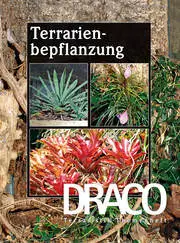
Draco 41 - Terrarium planting
Draco 41 - Terrarium plantingContents:EditorialTerrarium plantsBeat AkeretPlants in aquaterrariumsBeat SchmitterA touch of the Mediterranean - planting outdoor enclosures for Mediterranean tortoisesMichael WirthSucculents and other plants for the dry terrariumBeat AkeretClimbing plants and epiphytes - character plants in the forest terrariumBeat AkeretArtificial plants in the terrariumRoger AeberhardHerbs, grasses, houseplants, whatever is beautiful should grow in the tank - selected examples of planted terrariumsBeat Akeret

CHF 18.40

Oak leaves decorative foliage 1 liter
The Pet Factory - Decorative foliage The Pet Factory decorative foliage - holm oak leaves for natural decoration of terrariums. Oak leaves for terrariums pH lowering in aquariumsFood for shrimps for rearing poison dart frog tadpoles has an antifungal and disinfecting effect also as decoration for small mammal terrariums 1 liter corresponds to approx. 15 grams When used in aquariums, the pH-reducing properties must be taken into account and the foliage can also be used for breeding poison dart frog tadpoles. Decorative foliage has an antifungal and disinfecting effect. Tip:It is also ideal as decoration for small mammal terrariums, as it is only gnawed on a little. It simply does not taste good!

CHF 4.60

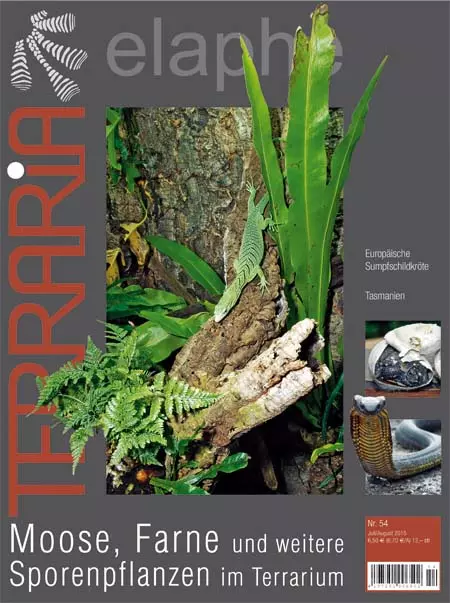
Terraria 54 - Mosses, ferns and further spore plants in the terrarium
Terraria 54 - Mosses, ferns and other spore plants in the terrariumEuropean pond turtleTasmaniaContents:Cover story: Mosses, ferns and other spore plants in the terrariumIn 1892, the English physician Dr N.B. Ward realised that ferns could be cultivated in closed glass containers. This gave rise to Victorian plant display cases planted with ferns and mosses - the forerunners of today's terrariums. However, mosses, ferns and other spore plants are more than just decorative accessories in humid terrariums. Their reproduction by means of alternation of generations, which can also be observed in the terrarium, is particularly interesting. In addition to many interesting aspects of spore plants, the next issue will also contain numerous tips and tricks on how these plants can thrive in the terrarium and how they can best be kept together with reptiles and amphibians.ContentsTerritorialHerpetoramaNew study by the Federal Agency for Nature Conservation: What really jeopardises biodiversity in Germany LookupThorn Devil: The Variable Rain FrogCultural successors: tortoises in ViennaWhat did the first snakes look like?Leafhoppers: In the NewsCover storyWitnesses of the dinosaur era - about terrarium plants with generational changeBeat AkeretMosses - unrecognised dwarfs among terrarium plantsBeat AkeretEpiphytic ferns in the terrariumBeat AkeretNeither moss nor fern. Lycopodiopsida as terrarium plantsBeat AkeretPanoramaTiger otters: an invitation to get to know the reptiles of Tasmania Guillaume GomardResearchNew speciesIn wild Kurdistan - a spectacular large monitor lizard from the Zagros MountainsAxel KwetAmong researchersThe miracle black toad, one of the rarest amphibian species in the worldLuis Fernando Marin da FonteSalamandraTerraristicsMany years of experience in keeping and breeding the European pond turtle. Part 2: Egg laying, incubation, rearing the young, hibernation, husbandry problemsBernd WolffFirst herpetological assistance from Cologne at Saigon ZooThomas Ziegler & Anna RauhausNature and species conservationField notesLate finds of yellow-bellied toad and natterjack toad larvaeJürgen GebhartMysterious deaths of frogs and newtsAxel KwetAlso in your neighbourhoodSubscription & ServicePreviewIncubator The danger seekersHeiko Werning 

CHF 12.00

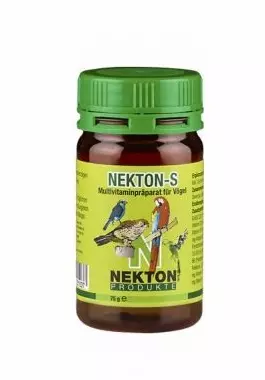
Nekton S - Multivitamin preparation
Weight: 35g
Nekton S - Multivitamin supplement for all bird species Supports the development of metabolic processes Increases the utilisation of all ingested nutrients Promotion of general health Strengthens the body's defences For daily supplementation This basic supplement for all bird species contains all the essential vitamins, amino acids, minerals and trace elements required for a long and healthy life. Daily supplementation is strongly recommended as a preventative measure, as a deficiency in these nutrients is usually difficult to detect in birds or is identified too late. With Nekton S, you can counteract nutrient deficiencies and a large proportion of all illnesses. Composition:Dextrose, calcium carbonate, silicic acid Feeding guide:1g = 1 level measuring spoon Nekton S to 250ml water or 100g soft food. Nekton S is given as a dietary supplement to be added daily to the drinking water. The balanced mixture is readily and happily accepted by birds.

CHF 7.80

Reptilia 117 - Amphibian Rarities
Reptilia 117 - Amphibian raritiesFlooridaNight lizardIberian adderContents: Cover story: Amphibian raritiesIn all amphibian groups there are species which, for various reasons, are not kept as frequently in terrariums as fire salamanders, dyer frogs etc.: some species are only imported rarely and in small numbers, some have no lobby, others are highly sought after but not easy to breed.In the cover story of this issue of REPTILIA, we present such rarities in detail - with captivating photos and detailed reports on extremely pleasing breeding successes. We also visit a project in South America in which species sought after by terrarists are selectively propagated - and which simultaneously promotes science, nature conservation and environmental education.EditorialMAGAZINEDATES WESTERN HERP PERSPECTIVESThe fate of books, part 1B. LovePhoto storyAmphibian raritiesK. KunzKeeping and breedingCharming little fellows: Keeping and breeding Riobamba pouched frogs (Gastrotheca riobambae)D. SchmidtKeeping and breedingBreeding a Ryabov’s Phantom Moss Frog (Theloderma ryabovi) in a terrariumE. RyboltovskyReportageSustainable marketing of frogs for terraristics in EcuadorS. CondeKeeping and breedingKeeping and breeding the Iberian viper (Vipera seoanei)A. SchmidServicesKeeping and breedingCare and breeding of the night lizard Lepidophyma smithiG. KöhlerReportageTuataras. The living fossils of New ZealandO. DrewesAlso in your neighbourhoodJourneyThe great trek. Part 1: Melting Pot South FloridaH. WerningPreviewIncubatorNobody warns you about this before you have childrenH. Werning

CHF 12.00

Nekton Rep Calcium + D3
Rep Calcium +D3 Nekton Rep Calcium + D3 is a high-quality calcium supplement for reptiles and amphibians that supports optimal bone and muscle development. Enriched with vitamin D3, it promotes the absorption of calcium in the body and thus contributes to a healthy skeletal structure and an intact metabolism. Especially for reptiles kept in terrariums, a regular supply of calcium and vitamin D3 is crucial to avoid deficiency symptoms such as bone softening or deformities. The powder is easy to dose and can be sprinkled directly over the food or added to the drinking water. Nekton Rep Calcium + D3 is an ideal supplement for all reptile species that have an increased need for calcium, such as tortoises, geckos and agamas. Advantages: Optimum calcium supply: Promotes healthy bone and skeletal development and supports the muscular system. Enriched with vitamin D3: Improves calcium absorption in the body and ensures optimum utilization. Prevents deficiency symptoms: Reduces the risk of calcium deficiencies that can lead to health problems. Easy to use: The powder is easy to dose and can be added directly to the feed or drinking water. High-quality composition: Specially developed for the needs of reptiles and amphibians. Zoo Roco tips: Correct dosage: Pay attention to the recommended dosage depending on the species and age of the animal to avoid overdosing. Combine with UVB lighting: Vitamin D3 needs UVB radiation to be optimally processed. So provide good UVB lighting in the terrarium to maximize the effect of Nekton Rep Calcium + D3. Feeding frequency: Sprinkle the calcium supplement 2-3 times a week on the food or in the drinking water, depending on the animal's needs. Combination with other supplements: In some cases, it may be useful to combine Nekton Rep Calcium + D3 with other nutrients your pet needs, especially if a special diet is required.

From CHF 5.90

Suggested products

Handbook of food plants for tortoises and other reptiles
Handbook of forage plants 2nd revised editionMarion Minch is not only a successful breeder of diverse tortoises for many years, but also an excellent connoisseur of native wild herbs. She founded and runs samenkiste.de, which is well known to many tortoise keepers and nature lovers. Her name is inextricably linked with reptile care and species-appropriate nutrition for tortoises. Her handbook of food plants summarises the most important native food plants for herbivorous and omnivorous reptiles. She not only considers tortoises, but also iguanas, spiny-tailed dragons and even chameleons. From the basics of plant biology to native wild herbs to suitable food plants for hardy tropical reptile species, this comprehensive work provides the basis for species-appropriate keeping. In the expanded and supplemented 2nd edition, the plant section is divided according to flower colour. This makes it even easier to identify wild herbs. The work has also been supplemented with a wealth of additional information and many pictures.

CHF 46.50

Geckos
Geckos in the terrarium by Astrid FalkThe book offers a comprehensive introduction to geckos and their species-appropriate keeping in terrariums. It explains what you need to think about before buying a gecko and what preparations should be made. The book describes in detail how the terrarium is technically equipped and set up. The care of the animals, their special features and behaviour, their diet, reproduction and rearing of young animals are described, as well as diseases and husbandry problems with tried and tested suggestions for prevention and treatment. Individual gecko species that are particularly suitable for keeping and breeding in terrariums are portrayed in detail in the second part of the book.

CHF 28.50

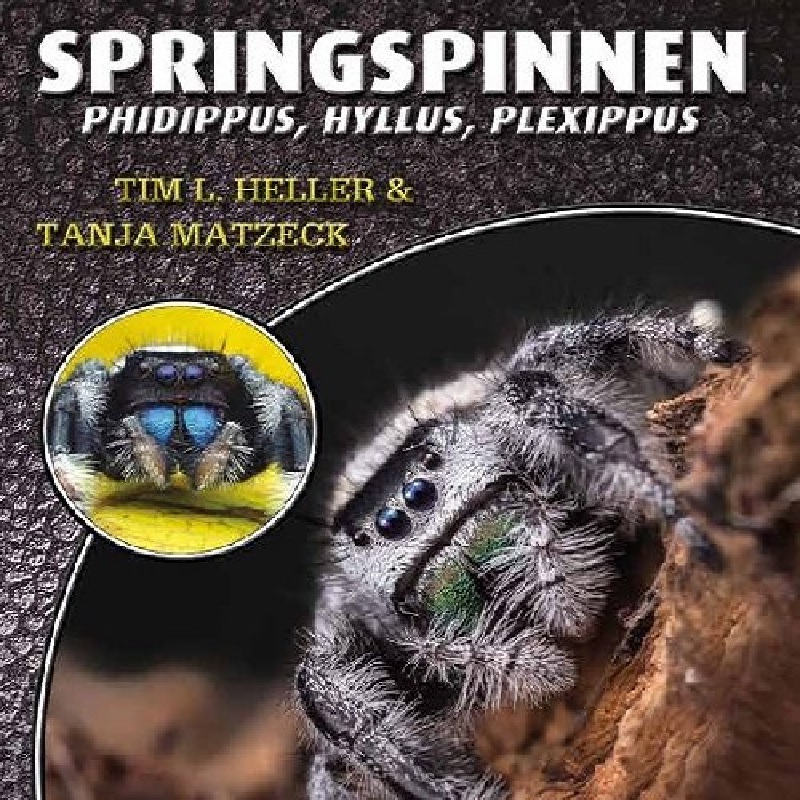
Jumping spiders Phidippus, Hyllus, Plexippus
Book Jumping Spiders - Phidippus, Hyllus & Plexippus A guide to keeping jumping spiders of the genera Phidippus, Hyllus & Plexippus. Who can resist the charm of jumping spiders? The childlike appearance of their expressive face simply leaves no one cold! In addition, their behavior is extremely exciting to observe, their colors are bright and their requirements for species-appropriate keeping are very easy to meet. No wonder these likeable jumpers are all the rage! This volume in the "Species by Species" series describes in detail what to look out for when buying and keeping them, introduces the most commonly kept species and color forms and provides plenty of tips on how to keep them successfully - so you can be sure they will breed well! Species by Species introduces you to the books in this series, which present the most popular terrarium animals. Each volume offers you detailed, practical care instructions and all the information you need to successfully breed your animals. All important questions from the required tank size to terrarium set-up, technical equipment, species-appropriate nutrition and disease prevention are answered with numerous tricks and tips. Experienced, long-standing breeders reveal how you can encourage the animals to reproduce and raise healthy young. All this in full color, generously illustrated and attractively designed - just about your terrarium animal - species by species

CHF 23.90

Book Breeding live food yourself
Book "Grow your own live food" - The perfect guide for pet owners Discover practical and detailed instructions on how you can easily breed food for your reptiles, birds, fish or other animals yourself in the book "Breeding live food yourself". With valuable tips on various food insects, their care and breeding, you can save money and ensure a species-appropriate diet for your pets. Contents of the book: Step-by-step instructions for breeding feeder insects Information on the best types of food for reptiles, birds and fish Care instructions and breeding conditions for various live food species Tips for sustainable and cost-effective food production Why breed your own live food? Get healthy, fresh food for your animals Save money and reduce dependence on pet shops Promote the health and well-being of your animals with species-appropriate food Whether you are a beginner or an experienced pet owner, this book provides you with everything you need to successfully breed live food yourself.

CHF 46.50

Marginata 69 - New Guinea tortoises
Marginata 69 - New Guinea tortoises – the genus ElseyaCover storyThe unrecognised beauties: New Guinea tortoises (Andreas S. Hennig)My experiences with Branderhorst's New Guinea tortoise, Elseya (Elseya) branderhorsti (Ouwens, 1914) (Andreas S. Hennig)Keeping and breeding of Rhodin's New Guinea tortoise, Elseya (Hanwarachelys) rhodini Thomson, Amepou, Anamiato & Georges, 2015 (Andreas S. Hennig)PortraitGeoemyda spengleri, Chinese serrated tortoise (Andreas S. Hennig)ReportageMacrochelys temminckii – Experiences and impressions with vulture tortoises part 2 (Reiner Praschag)KeepingAn alternative to year-round keeping of the Egyptian tortoise in the terrarium – my experiences with seasonal outdoor keeping of Testudo kleinmanni (Ricarda Schramm)EtymologySawbacks and living maps part 4: Graptemys gibbonsi, Pascagoula humpback tortoise (Holger Vetter)Classifieds & animal placement

CHF 16.50

The East African sand boa
All about the East African Sand Boa 64 pages Format 14.5 x 21 cm Colour photos Author Steven Arth & Sandra Baus Contents: Foreword Description of the species Relationship Behaviour and lifestyle Colour variations Legal regulations Considerations before acquisition Acquisition of the animals Transport and quarantine Socialisation Keeping in the terrarium Terrarium and terrarium design Terrarium technology and climate Keeping in the "rack" Care work Feeding Breeding Sexual differences and sexual maturity Mating trigger Pregnancy and birth of the young animals Housing, feeding and further rearing of the young animals Diseases Thanks Further information Literature used and further reading

CHF 19.90

NTV Green snakes
NTV - Grass snakes Thorsten Schmidt 88 pages 17 x 0.9 x 22.3cm many colour photos The splendidly green-coloured, diurnal and completely harmless grass snakes are much sought-after terrarium animals. The fact that they can be easily fed with insects and other invertebrates is another plus point in favour of keeping these lively snakes.This guide tells you everything you need to know to keep and breed grass snakes successfully.Thorsten Schmidt explains here from his rich experience with the animals that properly cared for grass snakes are not at all problematic, but can be easily cared for and also bred. The author explains what to look out for and gives specific tips on setting up and equipping species-appropriate terrariums.

CHF 33.50

Reptilia 73 - Photography of reptiles and amphibians
Reptilia 73 - Photographing reptiles and amphibians Slowinski's corn snakeBlack monitor lizardNamibia Contents: 2     EDITORIAL3     MAGAZINE13   DATES16   FOTOSTORY       Photographing reptiles and amphibians       by A. Kwet32   REPORTAGE       Tips and tricks from the professional       by B. Trapp44   REPORTAGE       Small animal really big       A few words about the use of        lens converters in macro photography       by K. Kunz48   WESTERN HERP PERSPECTIVES       Tips for terrarium photography       by B. Love51   PORTRAIT and poster       Bombina variegata       by M. Dobiey56   TRAVEL       Herpetological travel sketches from Namibia       by K. Hirschfeld64   KEEPING AND REPRODUCTION       Experience with care and breeding        of Varanus (Odatria) tristis orientalis       with notes on Varanus (Odatria)       tristis tristis       by T. Hörenberg74   KEEPING AND REPRODUCTION       Slowinski's corn snake in nature and terrarium       Observations of occurrences in Texas and        Louisiana       by K.J. & K. Lodrigue81   KEEPING AND REPRODUCTION       Amphibian ark       A dream or a realistic endeavour?       Part 1       by B. Akeret91   LIBRARY104 BRUTKASTEN        Wild living room       by L. Hogeback

CHF 12.00

Reptilia 104 - King Pythons
Reptilia 104 - King PythonsFlagellate spidersDiamondback terrapinWraptail skinkContents:What a rise! From an eccentric that was almost impossible to feed to an almost domesticated animal bred hundreds of thousands of times in just two decades - the royal python has had an unparalleled terrarium career. We offer a colourful overview of the breeding varieties of this giant snake, present the latest new breeds, take a close look at possibly the most expensive morph and discuss the controversial issue of rack keeping in this species.EditorialMAGAZINEDATESPHOTOREPORTAGEFrom problem animal to superstarK. KunzTERRARIUM PRACTICENot animal-friendly? Comments on the rack keeping of royal pythonsS. BroghammerKEEPING AND REPRODUCTIONNew colours for the kingS. BroghammerKEEPING AND REPRODUCTION"Not without a Yellowbelly"S. BroghammerREPORTAGEChampagneS. BroghammerKEEPING AND REPRODUCTIONBreeding the diamondback terrapin, Malaclemys terrapinX. WapelhorstReportageWraptail skinks - or: Some are the same, others are more equalM. ZollwegKEEPING AND BREEDINGKeeping and breeding the African whip spider Damon variegatusE. BruinsKEEPING AND BREEDINGLong-tailed lizards from Okinawa. Terrarium keeping and breeding of Takydromus smaragdinusA. DanierLibraryWESTERN HERP PERSPECTIVESThe white magicB. LoveServicesJourneyHerpetological impressions on safaris in East AfricaM. HeartALSO NEAR YOUPREVIEWBRUTKASTEN Sexual dimorphismM. Zawadzki

CHF 12.00

Terraria 49 - Caudates in the terrarium
Terraria 49 - Tail amphibians in the terrarium EvergladesPhelsuma barbonica Contents: Cover story: Tail amphibians in the terrarium Newts and salamanders are among the less favoured terrarium animals. Yet these urodeles offer a wide variety of shapes and an often surprising blaze of colour, not to mention fascinating observation opportunities. We take a detailed look at the famous “father of newts”, Willy Wolterstorff, who was born 150 years ago, and in further articles we present the tiger salamander, the Vietnamese warty newt and, with the lungless salamanders of Central America, a little-known group of urodeles with an even more surprising biology. TerritorialHerpetorama Cover storyKeeping and breeding the tiger salamander Ambystoma tigrinum, A. mavortium and A. californienseJens Benthien With webbed feet and sling tongue. Neotropical lungless salamanders in the wild and in the terrariumThomas Bille F2 offspring of the Vietnamese warty newt (Paramesotriton deloustali) after six years of rearingPaul Bachhausen PanoramaField notes from the Everglades National ParkGuillaume Gomard Research Among researchersThe poison dart frogs at the Rio CristalinoJonas Benner New speciesNews on the Iberian wall lizards aroundPodarcis hispanicusAxel Kwet Vipers of north-eastern Turkey: Gene flow and environmental factors among the taxa of the Vipera-barani-kaznakovi-darevskii complexKonrad Mebert, Nasit Igci, Bayram Göçmen & Sylvain Ursenbacher Salamandra TerraristicsPhelsuma borbonica agalegae. An often overlooked beautyJosua Wohler Subscription & Service Nature and species conservation Field notesRare meal for aspisvipersAxel Kwet The consequences of a horned adder biteHans Pichler Observations of giant green lizards, (Lacerta trilineata polylepidota), in CreteWerner & Yvonne Lantermann Also in your neighbourhoodPreview Incubator Mr. Obama, please take over!Heiko Werning

CHF 12.00

Reptilia 51 - Tree agamas
Reptilia 51 - Tree dragons Drakensberg armadilloGreen night tree snakeChin spotted tortoise Contents: 2 EDITORIAL 6 READER LETTERS 8 MAGAZINE 16 DATES 18 PHOTO REPORTAGE With horns, crests and gliding membranesThe bizarre arboreal dragonsby J. Hallermann 26 KEEPING AND BREEDINGMantheyus phuwuanensis (MANTHEY & NABHITABHATA, 1991) – from capture to breeding in the terrarium by S. & U. Manthey 32 HERPETOFAUNAOn the variability and biology of the Philippine angular-headed dragon Gonocephalus sophiae) by M. Gaulke & A. Demegillo 41 REPORTAGEThe lyre-headed dragon Lyriocephalus scutatus by U. Bartelt, H. & M. de Bitter 51 PORTRAIT AND POSTERCaiman yacareby H. Werning 56 TRAVELPulau Tioman – Pearl in the South China Sea; Part 2 by W. Grossmann & F. Tillack 66 KEEPING AND BREEDINGKeeping and breeding the Drakensberg armadillo lizard (Cordylus melanotus subviridis) by B. Langerwerf 70 KEEPING AND BREEDING Boiga cynodon – The green night tree snakeA rarely kept rear-fanged snake and its breedingby J. Bulian 78 REPORTAGETrachemys callirostris callirostris – Biology, use and protection of the chin spotted tortoise in Colombiaby A. Martínez Silvestre & L. Arias Bernal 86 SMALL ADS 91 WESTERN HERP PERSPECTIVESAliens – not the filmby B. Love 93 RAT & TAT 95 LIBRARY 104 GLOSSELots of waves – disturbing turn of the yearby H. Werning

CHF 11.20

Terraria 38 - Corn snakes naturally beautiful!
Terraria 38 - Corn snakes naturally beautiful!End of the world? Mayan mysticism and reptilesBush crocodileContents:Cover story: Corn snakes - naturally beautiful!There are now countless colour morphs of the corn snake that have been selected by breeding, products of a veritable reptile industry, often reared in the controversial rack-keeping method. This almost threatens to make us forget that these North American snakes also occur in the wild and have adapted to their habitat. How exciting it is to observe these best-known terrarium snakes in their natural habitat and how diverse the colour and pattern variations are, even in "natural corn snakes", is shown bywill be the cover story of the upcoming TERRARIA/elaphe. TerritorialHerpetoramaCover storyThe local varieties of the corn snake (Pantherophis guttatus)Bernd SKUBOWIUSA visit to the prairie corn snakes in TexasBernd SKUBOWIUSThe Slowinski's corn snake, Pantherophis slowinskii: a rare guest in German terrariumsBernd SKUBOWIUSPanoramaTerraglobalBeware of toolboxes and ventilation holesLester MELÉNDEZThree years of photo safaris through Asia and OceaniaAntonia PACHMANNResearchNew speciesA new belted tail from the Katanga region in the CongoChristian SCHNEIDER & Mirko BARTSTwo new "little hammers" from Panama's tropical forestAndreas HERTZAmong researchersDry forest habitat - the Menabe region in western MadagascarJulian GLOSNew names and old acquaintances - genus revision of the New Caledonian giant geckos (Rhacodactylus) and other gecko genera of New CaledoniaPatrick SCHÖNECKER & Christian LANGNERSalamandraTerraristicsClassicsThe charcoal tortoiseAlexander GutscheF2 offspring of the Laos warty newt (Laotriton laoensis) - an example of a successful conservation breeding project in the newt register of the DGHT-AG UrodelaPaul BACHHAUSENFirst experiences with the New Guinea helmet skink, Tribolonotus novaeguineaeJochen MEYERHomerangeIn the bath with Anolis - a visit to Uwe BarteltHeiko WERNINGNature and species conservationField notesLate discovery of sand lizards in the Hainich National Park (Thuringia)Andreas NÖLLERTPond newts as transport hosts for puffer musselsStephan BÖHMUnusual spawning site of the grass frog, Rana t. temporaria, in a phytotelm in the Hainich National Park, ThuringiaAndreas NÖLLERTMissingWolterstorff's newt (Hypselotriton woltersdorffi)Also in your neighbourhoodSubscription & ServiceGalleryEnd of the world moodPreviewIncubatorBreaking Bad WeddingHeiko WERNING

CHF 12.00