
NTV - Rat snakes

Article no: BZ-1293100

CHF 21.90

Stock: 0

Ready for dispatch in 1-3 days, delivery time 14 working days

Delivery between Monday, 9 November and Tuesday, 10 November
Zahlungsarten
Product information "NTV - Rat snakes"

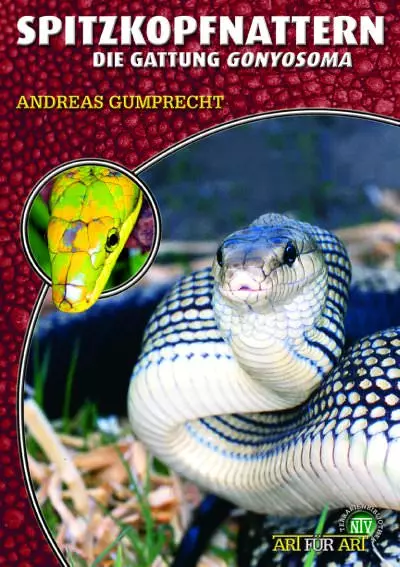
NTV - Pointed-headed snakes are one of the most popular snakes among snake lovers.

  • 64 pages
  • Paperback
  • 14.8 x 21 cm
  • numerous colour photos
  • Andreas Gumprecht

Contents:

Beautiful colouring, elegance and strength are combined in one of the most attractive snakes of all, the pointed-headed snake. No wonder it has long been one of the most sought-after snakes among snake lovers. The fact that it does not make any unrealistic demands in terms of keeping does the rest.
Snake expert Andreas Gumprecht has been propagating this species for years and has also tracked it down in its natural habitats. In this volume of the "Species by Species" series, he therefore provides first-hand information on all the important aspects of the proper care of the pointed-headed snake. And as an additional delicacy, he also deals with the related Jansen's climbing snake. Tips and tricks on mating stimulation, incubating the eggs and rearing the young make this book an indispensable guidebook for anyone interested in the pointed-headed snake and/or Jansen's climbing snake.

  • Systematics and body structure
  • The fascinating biology: From the life of the pointed-headed snake and Jansen's climbing snake
  • All information on species-appropriate keeping: from suitable terrariums to equipment and technology to feeding
  • Successful breeding: Mating stimulation, incubation of the eggs and rearing the young
  • Solutions to problems: How to avoid the most common mistakes in care and how to help sick animals
  • Brilliant photos
Composition
Feeding recommendation
Technical details
Size information

0 of 0 reviews

Give us a rating!

Share your experience with the product with other customers.


Suggested products

Handbook of food plants for tortoises and other reptiles
Handbook of forage plants 2nd revised editionMarion Minch is not only a successful breeder of diverse tortoises for many years, but also an excellent connoisseur of native wild herbs. She founded and runs samenkiste.de, which is well known to many tortoise keepers and nature lovers. Her name is inextricably linked with reptile care and species-appropriate nutrition for tortoises. Her handbook of food plants summarises the most important native food plants for herbivorous and omnivorous reptiles. She not only considers tortoises, but also iguanas, spiny-tailed dragons and even chameleons. From the basics of plant biology to native wild herbs to suitable food plants for hardy tropical reptile species, this comprehensive work provides the basis for species-appropriate keeping. In the expanded and supplemented 2nd edition, the plant section is divided according to flower colour. This makes it even easier to identify wild herbs. The work has also been supplemented with a wealth of additional information and many pictures.

CHF 46.50

Geckos
Geckos in the terrarium by Astrid FalkThe book offers a comprehensive introduction to geckos and their species-appropriate keeping in terrariums. It explains what you need to think about before buying a gecko and what preparations should be made. The book describes in detail how the terrarium is technically equipped and set up. The care of the animals, their special features and behaviour, their diet, reproduction and rearing of young animals are described, as well as diseases and husbandry problems with tried and tested suggestions for prevention and treatment. Individual gecko species that are particularly suitable for keeping and breeding in terrariums are portrayed in detail in the second part of the book.

CHF 28.50

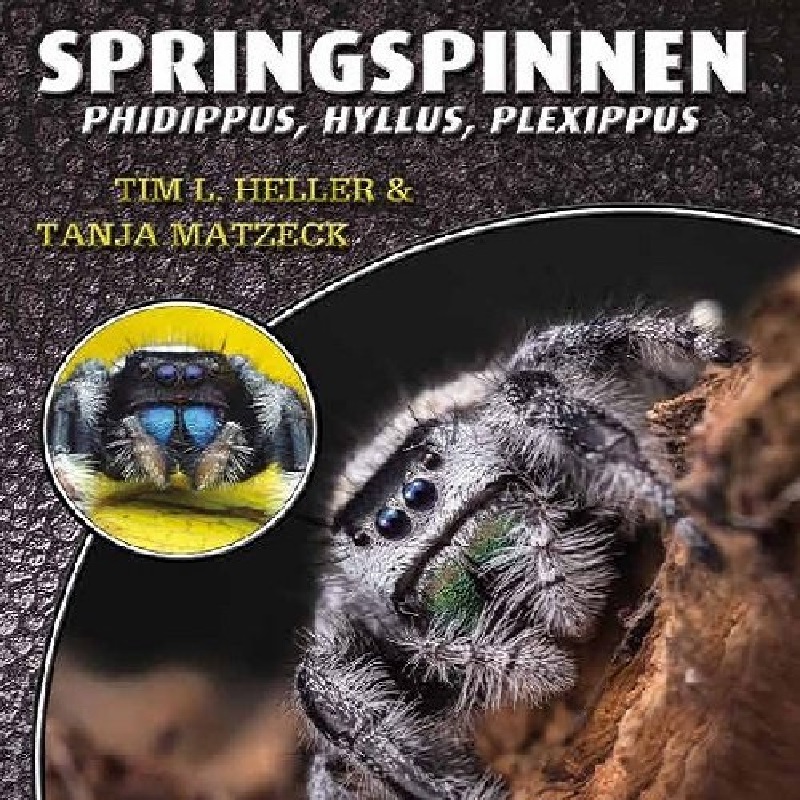
Jumping spiders Phidippus, Hyllus, Plexippus
Book Jumping Spiders - Phidippus, Hyllus & Plexippus A guide to keeping jumping spiders of the genera Phidippus, Hyllus & Plexippus. Who can resist the charm of jumping spiders? The childlike appearance of their expressive face simply leaves no one cold! In addition, their behavior is extremely exciting to observe, their colors are bright and their requirements for species-appropriate keeping are very easy to meet. No wonder these likeable jumpers are all the rage! This volume in the "Species by Species" series describes in detail what to look out for when buying and keeping them, introduces the most commonly kept species and color forms and provides plenty of tips on how to keep them successfully - so you can be sure they will breed well! Species by Species introduces you to the books in this series, which present the most popular terrarium animals. Each volume offers you detailed, practical care instructions and all the information you need to successfully breed your animals. All important questions from the required tank size to terrarium set-up, technical equipment, species-appropriate nutrition and disease prevention are answered with numerous tricks and tips. Experienced, long-standing breeders reveal how you can encourage the animals to reproduce and raise healthy young. All this in full color, generously illustrated and attractively designed - just about your terrarium animal - species by species

CHF 23.90

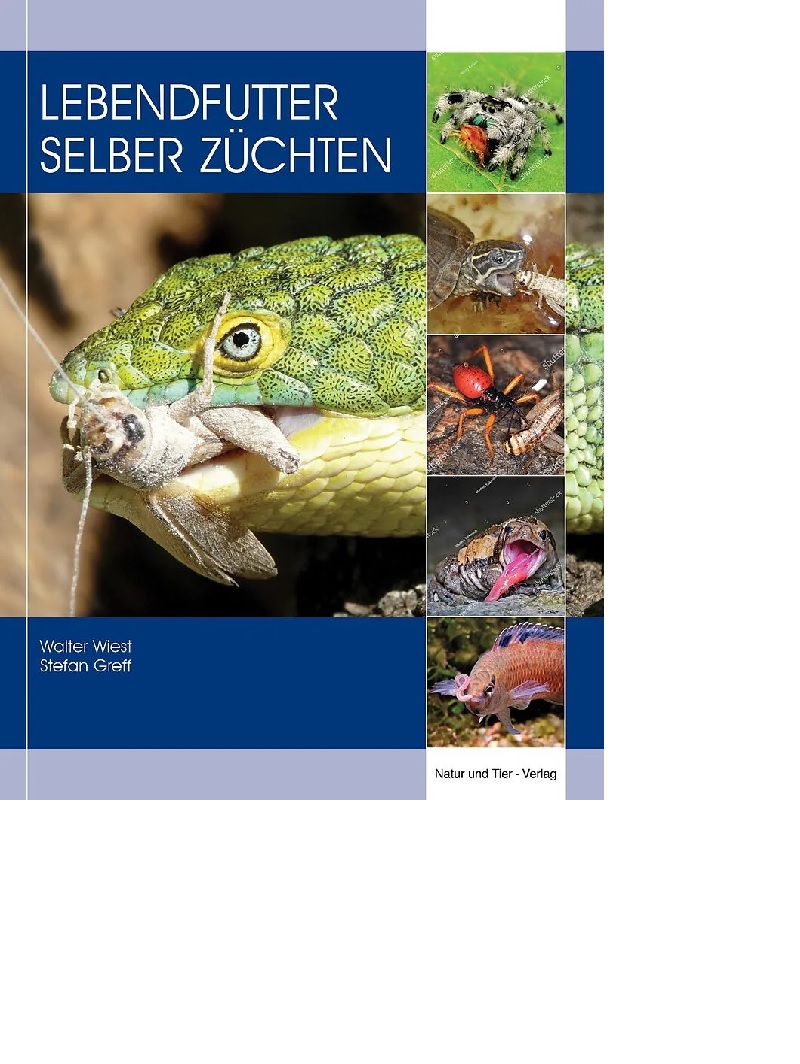
Book Breeding live food yourself
Book "Grow your own live food" - The perfect guide for pet owners Discover practical and detailed instructions on how you can easily breed food for your reptiles, birds, fish or other animals yourself in the book "Breeding live food yourself". With valuable tips on various food insects, their care and breeding, you can save money and ensure a species-appropriate diet for your pets. Contents of the book: Step-by-step instructions for breeding feeder insects Information on the best types of food for reptiles, birds and fish Care instructions and breeding conditions for various live food species Tips for sustainable and cost-effective food production Why breed your own live food? Get healthy, fresh food for your animals Save money and reduce dependence on pet shops Promote the health and well-being of your animals with species-appropriate food Whether you are a beginner or an experienced pet owner, this book provides you with everything you need to successfully breed live food yourself.

CHF 46.50

Marginata 69 - New Guinea tortoises
Marginata 69 - New Guinea tortoises – the genus ElseyaCover storyThe unrecognised beauties: New Guinea tortoises (Andreas S. Hennig)My experiences with Branderhorst's New Guinea tortoise, Elseya (Elseya) branderhorsti (Ouwens, 1914) (Andreas S. Hennig)Keeping and breeding of Rhodin's New Guinea tortoise, Elseya (Hanwarachelys) rhodini Thomson, Amepou, Anamiato & Georges, 2015 (Andreas S. Hennig)PortraitGeoemyda spengleri, Chinese serrated tortoise (Andreas S. Hennig)ReportageMacrochelys temminckii – Experiences and impressions with vulture tortoises part 2 (Reiner Praschag)KeepingAn alternative to year-round keeping of the Egyptian tortoise in the terrarium – my experiences with seasonal outdoor keeping of Testudo kleinmanni (Ricarda Schramm)EtymologySawbacks and living maps part 4: Graptemys gibbonsi, Pascagoula humpback tortoise (Holger Vetter)Classifieds & animal placement

CHF 16.50

Reptilia 95 - Chameleon & Co. The genus Furcifer
  Krokodil-AnlageAsiatische FalltürspinnenHaltung von Schmuckschildkröten Inhalt: Das Pantherchamäleon, Furcifer pardalis, gehört zu den beliebtesten Echsen überhaupt. Diese extrem farbenprächtigen, imposanten Chamäleons aus Madagaskar werden inzwischen in verschiedenen Lokalformen erfolgreich und dauerhaft in unseren Terrarien nachgezüchtet. Die Gattung Furcifer hält aber noch viele weitere hochinteressante Arten bereit – freuen Sie sich auf ein in jeder Hinsicht buntes Titelthema mit viel Praxisbezug! EDITORIALMAGAZINTERMINEIN 5 JAHREN UM DIE WELTBrüllaffen, Klappschildkröten und VulkaneA. PachmannWESTERN HERP PERSPECTIVESAuf Reptiliensuche in AustralienB. LoveFOTOSTORYChamäleons der Gattung FurciferP. NecasHERPETOFAUNAAbenteuer Komorenchamäleon – auf der Suche nach Furcifer cephalolepisR. LeptienPORTÄTIm Porträt: das Teppichchamäleon, Furcifer lateralis P. NecasIm Porträt: das Pantherchamäleon, Furcifer pardalisP. NecasZUCHTDie Entstehung einer neuen Designermorphe der Kornnatter (Pantherophis guttatus)A. SchmidHALTUNG UND VERMEHRUNGPhilippinenkrokodile (Crocodylus mindorensis) im Aquarium des Kölner Zoos. Teil 2: Bau einer Schauanlage für eine der am stärksten bedrohten Krokodilarten der Welt T. Ziegler, R. Sommerlad, W. Brass, K. van der Straeten, D. Karbe & A. RauhausHERPETOFAUNAAuf dem Weg ins All. Die Welt der Buchstaben-Schmuck-schildkröte, Trachemys scripta. Teil 5: Haltung und Vermehrung von Buchstaben-SchmuckschildkrötenA. S. HennigWIRBELLOSEAußergewöhnliche Falltürspinnen aus Asien: die Gattung Cyclocosmia F. Schneider, B. F. Striffler & I. WendtABO & SERVICETerrarienschauanlagen international Der „Rimba Reptile Park“ auf Bali M. HallmenTiere unserer Heimat Die ErdkröteR. LeptienBibliothekTipps & TricksTestlaufAUCH IN IHRER NÄHEREISEZwischen Anolis und Cycluren: Unterwegs auf Puerto RicoH. WerningVORSCHAUBRUTKASTENIguana chilena, Teil 2 H. Werning  

CHF 12.00

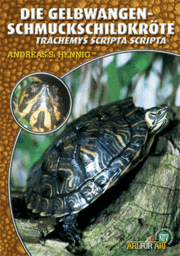
The yellow-bellied slider
The yellow-cheeked tortoise is one of the most popular tortoises among young and old. 64 pages 14.8 x 21 cm numerous colour photos Author Andreas S. Hennig Contents: Hardly any other turtle species is as popular with young and old as the yellow-cheeked tortoise. And rightly so, as it is a beautifully coloured species with interesting behaviour that can also be recommended to beginners. Experienced tortoise keeper Andreas S. Hennig will give you lots of tips and tricks on how to keep and feed this attractive species correctly from the outset. Of course, you will also learn how to breed your turtles, hatch the eggs and raise the adorable young. Systematics and body structure The fascinating biology: From the life of the yellow-cheeked tortoise All information on species-appropriate keeping: from suitable terrariums to equipment and technology to feeding Successful breeding: Mating stimulation, incubation of the eggs and rearing the young Solutions to problems: How to avoid the most common mistakes in care and how to help sick animals Brilliant photos

CHF 11.90

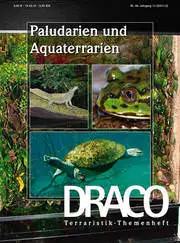
Draco 46 - Paludaria and aqua terrariums
Draco 46 - Paludariums and aqua-terrariums Contents: Editorial Paludariums and aqua-terrariums – a brief introduction to the subjectBeat Akeret No "land under" in aqua-terrariums – land parts for aquatic turtlesAndreas S. Hennig Keeping and breeding moss frogs of the genus Theloderma – some comments from practiceMikhail F. Bagaturov Construction, set-up and technology of an aqua-terrariumBeat Akeret Fishing spiders in the aqua-terrarium – keeping, breeding and rearing spiders of the genus AncylometesReinhard Hübers & Roland Lautensack Optimum care conditions in an aqua-terrarium for day and dwarf geckosJens Westig Plants in paludariums and aqua-terrariumsBeat Akeret Dragons in the aqua-terrarium: keeping and breeding the Philippine sailfin lizard, Hydrosaurus pustulatusMichael Wirth & Florian Riedel 

CHF 18.40

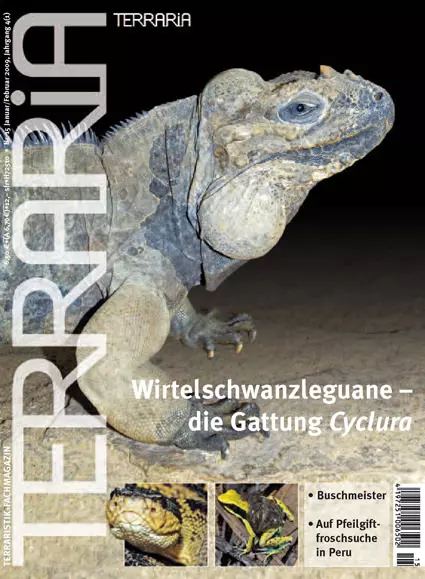
Terraria 15 - Whorlet-tailed Iguanas - Genus Cyclura
Terraria 15 - Whorlet-tailed Iguanas - Genus Cyclura BushmasterSearching for poison dart frogs in Peru Contents: The imposing rhinoceros iguanas and their relatives of the genus Cycluraare among the most impressive reptiles of all – and among the rarest. TERRARIA editor-in-chief Heiko Werning introduces this group of iguanas and their struggle for survival in detail. Probablythe most successful European breeder of these animals, Jürgen Schmidt, reports exclusively in TERRARIA about the first successful private breeding of the extremely rare Isla-Mona Iguana (Cyclura cychlura figginsi), while Matthias Götz from the Jersey Wildlife Preservation Trust contributes a report on conservation projects for the famous Blue Iguana from the Cayman Islands and its relative C. nubila caimanensis. 2 Editorial Heiko Werning4 Magazine The dyskinetic syndrome in tarantulas using the example of three sick animals/animal husbandry and "Hartz IV"/Urgent measures according to § 16 a of the Animal Welfare Act and obligation to bear costs/ Exciting breeding import: Theloderma stellatum/For the first time Protobothrops cornutus in Germany/New on the market/11 TERRAnetz12 TERRAglobal Through the coastal desert Maik DOBIEYTITLE TOPIC: Rhinoceros Iguanas14 Whorlet-tailed iguanas of the genus Cyclura, the threatened giants of the Caribbean Heiko WERNING24 The Exuma Whorlet-tailed Iguana, Cyclura cychlura figginsi: Biology, husbandry and first breeding Jürgen SCHMIDT34 One of the rarest lizards in the world: the Anegada Whorlet-tailed Iguana Heiko WERNING42 The Whorlet-tailed Iguanas of the Cayman Islands – Conservation and research on Cyclura lewisi and Cyclura nubila caymanensis Michael GOETZ 50 The wonder gecko from China’s ancient Silk Road Rolf LEPTIEN54 Bushmaster – the genus Lachesis DAUDIN, 1803 Maximilian DEHLING & Matthias DEHLING59 Husbandry and breeding of the Giant Cleft-tailed Scorpion, Hadogenes troglodytes Alexander STÜRTZ66 TRAVEL In the rainforests of San Martin, Peru – a short trip to Tarapoto Maik DOBIEY74 New Species Brachylophus bulabula – “Hello Hello”, a new Fiji iguana/New wall gecko from Cuba/Two new naked-finger geckos from Vietnam87 AMONG RESEARCHERS “Ice Age” in Austria – Where did Austrian reptiles survive the last ice age? Silke SCHWEIGER81 TEST RUN External filters for terrarium enthusiasts Kriton KUNZ86 EYE-CATCHER The wild living room of Sascha Esser Axel KWET91 NEAR YOU94 PREVIEW96 HATCH BOX Exotic attack! The background … Kriton KUNZ

CHF 12.00

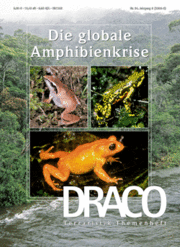
Draco 34 - The global amphibian crisis
Draco 34 - The global amphibian crisis Contents: 2 Editorial4 The global amphibian crisis by Axel Kwet & Stefan Lötters 18 Of zoos and frogs by Peter Dollinger 22 Batrachochytrium dendrobatidis – a small fungus causes big problems by Dr med vet Frank Mutschmann 28 The case of Atelopus – extinction at a high level by Stefan Lötters 31 The threat status of anurans in Peru by Edgar Lehr & Andreas Schlüter 37 Dangerous guests – The role of invasive species in global amphibian decline by Ivan Arinin 46 Climate change as a catalyst for the amphibian decline by Dennis Rödder & Wolfgang Böhme 52 Afrotropical amphibians: far from conservation breeding by Stefan Lötters 55 African anurans: unexplored and highly endangered? by Mark-Oliver Rödel 62 Amphibian decline in Canada and the USA by Andreas Nöllert 70 Project “Mountain Chicken” – the Antillean bullfrog (Leptodactylus fallax) by Gerardo Garcia 80 Chytrid in snouted frogs – news from the REPTILIA project by Mirco Solé, Johara Bourke & Heiko Werning 87 The contribution of Cologne Zoo to the Amphibian Ark: breeding projects, research and educational work for the conservation of amphibians by Thomas Ziegler & Theo Pagel

CHF 18.40

The blue arrow frog
Tobias Eisenberg 64 Seiten 14,8 x 21 cm zahlreiche Farbfotos Inhalt: Der Blaue Pfeilgiftfrosch zählt mit Sicherheit zu den spektakulärsten Terrarientieren überhaupt. Aber nicht nur seine leuchtende Färbung und die stattliche Größe, sondern auch sein interessantes Verhalten machen ihn so attraktiv.Der erfahrene Terrarianer und auf Amphibien und Reptilien spezialisierte Tierarzt Tobias Eisenberg gibt Ihnen in diesem Ratgeber alle Informationen rund um die Lebensweise und die Terrarienhaltung der schönen Frösche und erklärt leicht nachvollziehbar, wie man die Tiere erfolgreich nachzüchtet und die Jungen aufzieht. Systematik und Körperbau Die faszinierende Biologie: Aus dem Leben der Blauen Pfeilgiftfrösche Alle Informationen zur artgerechten Haltung: Vom geeigneten Terrarium über Einrichtung und Technik bis hin zur Fütterung Erfolgreich nachzüchten: Paarungsstimulation, Aufzucht der Kaulquappen und Jungtiere Problemlösungen: Wie man die häufigsten Fehler bei der Pflege vermeidet, und wie man kranken Tieren helfen kann Brillante Fotos  

CHF 18.50

Marginata 06 - Four-toed turtles
Marginata 06 - Four-toed tortoises Food plants 1Pallas's tortoiseJapanese soft-shelled turtle farm Contents: 2 EDITORIAL 3 MAGAZINE 7 READERS' LETTERS 8 DATES 10 PHOTO REPORTAGEThe four-toed tortoise Agrionemys horsfieldiiHans - Dieter Philippen 16 BREEDING IN HUMAN CAREKeeping and breeding of Agrionemys horsfieldii kazachstanica CHKHIKVADZE, 1988) in the indoor terrariumNatasa Velenská 22 FIELD RESEARCHExperiences in the turtle steppe of UzbekistanPetr Velensky 28 FIELD RESEARCHResearch into ecology and conservation status of Agrionemys horsfieldii in ChinaShi Haitao and Xe She-ke 31 PORTRAITBrazilian snake-necked tortoiseHydromedusa maximiliani (MIKAN, 1820)Hans - Dieter Philippen 35 REPORTAGEFood plants for tortoisesPart 1Susanne Vogel 42 SHORT REPORTLegendary giant soft-shelled turtle Rafetus leloii sightedJörg Adler 45 REPORTAGEA visit to a commercial soft-shelled turtle farm in JapanPetr Petras 48 FIELD RESEARCHTestudo greaca pallasi CHKHIKVADZE & BAKRADZE, 2002, a little-known tortoise from DagestanAlexander Pieh and Markus Auer 52 REPORTAGEObservations on the feeding behaviour of Podocnemis unifilisHans - Dieter Philippen 54 BREEDING IN HUMAN CAREEuropean first breeding of the spiny tortoise (Heosemys spinosa) Durrelll Wildlife Conservation Trust 60 RAT & TAT 60 BOOK TIP 61 CLASSIFIEDS 62 REGIONAL GUIDE 64 AGATHA MARGINATA

CHF 14.70