A cyanoacrylate-based superglue that sticks and sticks within seconds. The glue does especially well with aquarium plants such as the Anubias, Javafarn or moss that you want to stick up on roots, stones and other decorative elements. The glue can be used for almost any material. The glue is not suitable for PP, PE, Styrofoam, and soft PVC. The glue also dissolves in water after a time, so the glue is also perfect for growing plants.
Sticks in seconds
Functions in seconds
Sticks to almost any surface and material
Perfect for aquascaping
Dissolves after some time itself
Composition
Feeding recommendation
Technical details
Size information
0 of 0 reviews
Give us a rating!
Share your experience with the product with other customers.
Login
No reviews found. Go ahead and share your findings with others.
Rotala sp.'Nanjenshan'Rotala sp. 'Nanjenshan' is a fast-growing tertiary plant that stands out for its delicate structure and provides plenty of greenery in the aquarium. Difficulty of cultivation: moderately demandingLight requirements: medium to highCO₂ requirements: mediumHeight of mature plant: Up to 50 cmGrowth rate: fastTemperature: 20-28°CPlacement in aquarium: backgroundOrigin: TaiwanCup diameter: 6 cm
The tall stems with the fine leaves
Tolerate regular pruning well. At a distance of a few
Centimeters planted in the ground, it spreads and forms a
a striking green background for other plants and
decorations.
Rotala sp. 'Nanjenshan' (Mayaka rosa) is a tertiary stem plant. It is native to Taiwan, where it occurs near the town of Nanjenshan, from which it takes its name. It is probably a natural hybrid of the round-leaved Rotala (Rotala rotundifolia) and Rotala wallichii. Both the stem and the leaves are light green in color. The tips of the stems may change color depending on growing conditions. It is characterized by its delicate structure. The leaves are whorled on the stem in groups of 3-6, up to 2 cm long and only 0.1-0.2 cm wide. It is described as moderately demanding. It tolerates temperatures between 20-28°C and likes soft to hard water. Optimum pH is between 6.0-7.0.Rotala sp. Nanjenshan' is a fairly demanding plant in terms of light conditions. Its best growth is ensured by bright and long lighting, even 12-14 hours per day. A symptom of insufficient light is a thin stem and a lighter color of the leaves, especially in the lower part. In extreme cases, the lack of light leads to the death of the plant. Therefore, it should not be planted too densely. It can grow in a variety of substrates.The CO₂ dosage and supplementation with nitrogen, potassium and phosphorus fertilizers is advisable. If the iron content is sufficiently high, the crowns will turn red. Rotala sp. "Nanjenshan" likes large water changes, up to ⅓ of the aquarium water volume.
Due to the delicacy and small size of its leaves, it is particularly suitable for aquariums with small fish or for a general aquarium with young fish. Like any stem plant, it looks best in a group. Tall stems with small leaves tolerate regular pruning well. The resulting cuttings, inserted into the substrate every few inches, quickly form a striking green background for other plants and decorations. As a terrestrial plant, it blooms with single flowers..
Planting: The plant must be removed from the cup and thoroughly rinsed from the gel under running water. This is best done by placing the plant in a container of lukewarm water. Most of the gel will then fall off by itself. Divide the contents of the cup into 1-2 cm lumps and then place them at a small distance on the selected items..
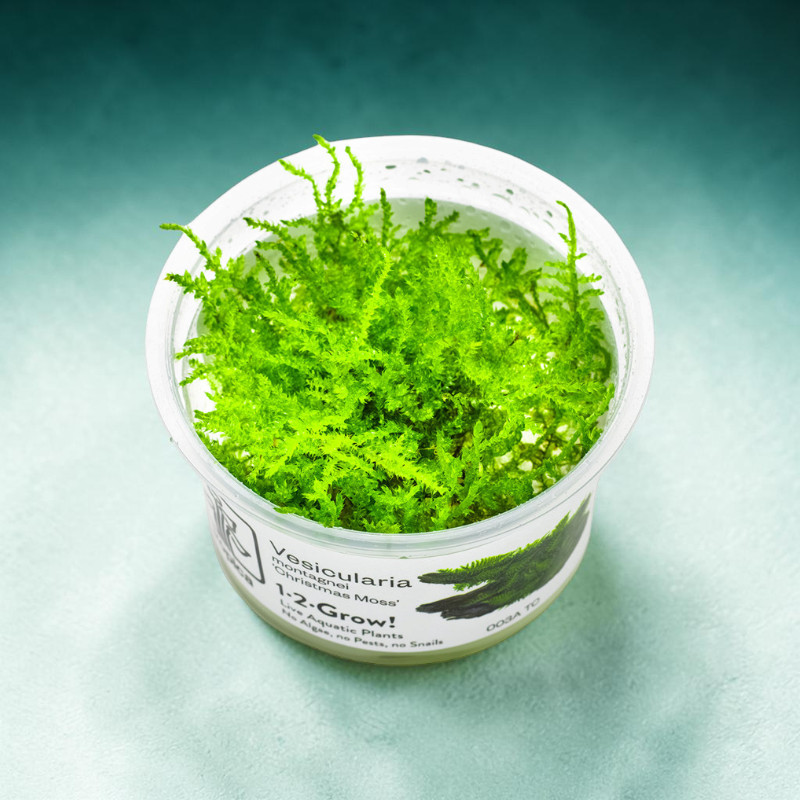
Vesicularia montagnei 'Christmas Moss' – Christmas mossAqua Art Vesicularia montagnei ‘Christmas Moss’ – decorative Christmas moss with fir-tree-like shoots. Ideal for aquascaping, roots, rocks and shrimp aquariums.Vesicularia montagnei ‘Christmas Moss’ from Aqua Art is a particularly attractive aquarium moss that captivates with its unique, fir-tree-like growth habit. The finely branched, rich green shoots are reminiscent of small Christmas trees and lend aquariums and aquascapes a natural, detailed structure.Also known as Christmas moss or Christmas tree moss, this moss originates from Brazil and is one of the most decorative moss species in the aquarium hobby. Its characteristic, horizontally growing side shoots form regularly branched, triangular structures reminiscent of the branches of a fir tree.Unlike ordinary Java moss, Christmas moss usually grows more compactly and, under suitable conditions, forms dense, even mats of moss. The shoots spread mainly horizontally and can develop into beautiful green patches over time.With a growth height of up to 5 cm, Vesicularia montagnei is ideal for the foreground and midground of the aquarium. The moss looks particularly attractive on natural stones, roots and other decorative elements.The delicate moss shoots can be attached to roots or stones and, over time, become firmly anchored to the surface. This allows you to create natural tree canopies, verdant rock formations or densely overgrown root structures.Christmas Moss requires only low to medium light levels and can be cultivated without additional CO₂ fertilisation. However, a consistent supply of nutrients and a moderate addition of CO₂ are beneficial for particularly dense and vigorous growth.Growth is moderate, although under favourable conditions the moss can develop into dense, branched mats. Occasional trimming helps to maintain the characteristic Christmas tree structure and prevents the lower layers of moss from receiving too little light.Christmas moss is also particularly interesting for shrimp aquariums. The fine branches offer dwarf shrimp and juvenile shrimp numerous hiding places. At the same time, biofilms and microorganisms can colonise the moss surfaces, which the shrimp enjoy grazing on.Aqua Art offers Vesicularia montagnei ‘Christmas Moss’ as an in vitro culture. The moss is propagated under controlled laboratory conditions and, according to the manufacturer, is free from snails, parasites and algae.With its distinctive growth habit and versatile uses, Christmas moss is an excellent Wahl for aquarists who wish to design their underwater landscape with natural, lush green moss structures.Your benefits at a glance1 in vitro culture dish of Vesicularia montagnei 'Christmas Moss'Characteristic, fir-tree-like branched moss shootsLush green and densely branched growthIdeal for the foreground and midground of the aquariumGrows to a height of approx. 5 cmLow to medium light requirementsCO₂ addition is not strictly necessaryLaboratory-propagated culture free from snails, parasites and algaeInstructions for usePreparing the in vitro plantOpen the culture cup and carefully remove the Christmas mossRinse off any remaining nutrient gel thoroughly under clean, lukewarm waterTake care to damage the delicate moss shoots as little as possible.Then divide the moss into small portions of about 1–2 cmAttaching it in the aquariumChristmas Moss is particularly well suited for covering roots, stones and other aquascaping elementsSecure the small pieces of moss to the desired surface using suitable plant glue or fine threadSpace the clumps out slightly so that the moss has enough room to spread and form a dense carpet over timeLightingVesicularia montagnei ‘Christmas Moss’ grows even under low to medium light levelsBalanced lighting promotes compact growth and the characteristic branched structureAvoid excessively strong lighting without an appropriate nutrient supply, as this can encourage algae growth on the moss surfacesCO₂ supplyAdditional CO₂ fertilisation is not strictly necessary for keeping this plantHowever, a moderate supply of CO₂ can support the growth and development of dense moss cushionsNutrient supplyAs Christmas moss absorbs nutrients across its entire surface, a balanced supply of macro- and micronutrients is importantIf necessary, a suitable liquid fertiliser for aquarium plants can be usedPruning and propagationIf the moss grows too densely or irregularly, the tips of the shoots can be trimmed with fine garden shearsRegular trimming encourages a compact growth habit and ensures that even the lower layers of moss receive sufficient lightTrimmed pieces of moss can be reattached to roots or stones and will continue to grow under suitable conditionsZoo Roco TipVesicularia montagnei ‘Christmas Moss’ is one of the most beautiful moss species for natural aquascapes. Its fir-tree-like, branched shoots are particularly well suited to creating small trees, overgrown rocks and natural woodland landscapes underwater.Attach small portions of Christmas moss to the upper branches of a slender aquarium root. Once the moss has taken root and spread out, it creates the impression of a small green tree crown.Christmas Moss looks particularly decorative when combined with light green ground cover plants, Bucephalandra, Anubias or compact ferns.The moss is also a lovely addition to shrimp aquariums. The densely branched shoots provide young shrimp with sheltered areas and additional surfaces on which they can search for food.It is better to trim the moss regularly and carefully rather than letting it grow too much. This preserves its characteristic Christmas tree structure and ensures the moss forms beautiful, dense clumps that last.
Salvinia auriculataSalvinia Auriculata (Brazilian salvinia) is a floating plant native to South America. It grows moderately quickly so that its population can be controlled. Easy to grow. Absorbs nitrogen to combat algae. Propagates by spreading.Difficulty of cultivation: easy to mediumLight requirement: medium to highCO₂ requirement: lowHeight of the adult plant: 0.5 cmGrowth: moderate to fastTemperature: 22 - 24°CPlacement in the aquarium: SurfaceOrigin: South and Central AmericaCup diameter 6 cmSalvinia Auriculata (Brazilian Salvinia) is a floating ornamental plant. It is native to the calm, still waters of South and Central America. It can be found from Paraguay to Cuba. It owes its popularity above all to its original appearance. Its small oval leaves with a diameter of 10 mm cm are arranged opposite each other on an elongated leaf stalk. These leaves are covered with fine hairs that trap air bubbles, allowing them to float. Depending on the light intensity, they are wavy or flat. Salvinia forms a third type of underwater leaves on which the spores are deposited.Like all floating plants, Salvinia is recommended for shady waters . Its great appetite for nitrogen and phosphorus compounds makes this plant a good ally in the fight against algae.
Salvinia has low light and nutrient requirements. It grows well in both moderate and strong light. As a floating plant, it does not require a substrate but draws all the necessary nutrients directly from the water. During the vegetation period, it reproduces by spreading, whereby the growth rate is moderate. This makes it easy to control its growth and remove excess plants. It grows to a length of 3-6 cm and likes warm, humid air, so it is advisable to use a glass or cover when growing it.It should be placed in such a way that no condensation falls on the plants. It adapts very quickly to the new parameters. However, it should be borne in mind that it will die if there is too little light. It thrives best in soft to medium-hard water at 22-24°C.
The in vitro culture of plants is carried out in tissue culture laboratories. Thanks to the sterile production conditions, the cuttings are free from snails, algae or pathogens.Planting:The plant must be removed from the cup and thoroughly rinsed of the gel under running water. This is best done by placing the plant in a container of lukewarm water. Most of the gel will then fall off by itself. Place the plant on the surface of the water.
AquaArt Taxiphyllum Spiky Decorative aquarium moss from Aqua Art
Taxiphyllum 'Spiky', also known as Spiky Moss, is a particularly attractive aquarium moss with strongly branched, three-dimensional shoots. It grows in dense, bushy clumps with a characteristic, slightly spiky structure - ideal for decorating roots, stones or back walls in natural aquariums.
Aqua Art's in vitro cultivation guarantees a pesticide-free, sterile plant that is safe for shrimps and sensitive aquarium inhabitants. The moss is easy to care for, requires little light and grows reliably even without the addition of CO₂ - perfect for beginners and professionals in aquascaping.
Advantages at a glance:
Three-dimensional, bushy moss with decorative structure
InVitro - free from algae, snails & harmful substances
Grows on hardscape - ideal for tying on
Shrimp-safe & suitable for all aquarium types
Easy to care for & can also be cultivated in low light conditions
Product details:
Name: Taxiphyllum 'Spiky' (Spiky Moss)
Type: Moss / perennial plant
Position in aquarium: foreground, hardscape, back wall
Growth height: 3-10 cm
Light requirement: Low to medium
CO₂ supply: Not necessary
Delivery form: In vitro cup (sterile cultivated)
Manufacturer: Aqua Art
Invitro Anubias sp. Pangolino aquarium plantAnubias sp. 'Pangolino' is one of the smallest Anubias species in the world and is an exclusive choice for aquascapers with a love of detail and lovers of rare aquarium plants. The in-vitro cultivated form provides you with a guaranteed snail and pesticide-free plant, perfect for sensitive shrimp tanks and nano aquariums.
With its extremely compact growth and tiny, bright green leaves, Pangolino is ideal for attaching to roots, rocks or as an accent in the foreground. Undemanding and easy to care for - grows even in low light and without the addition of CO₂.
Advantages at a glance:
✅ Extremely small-growing Anubias - ideal for nano-scapes
Cultivated in vitro - sterile & pesticide-free
✅ Shrimp-friendly & robust
✅ No planting necessary - grows on hardscape
✅ Easy to care for & slow-growingProduct details:
Name: Anubias sp. 'Pangolino'
Type: Perennial plant
Position in aquarium: Foreground, on hardscape
Growth height: 1-3 cm
Light requirement: Low to medium
CO₂ supply: Not required
Delivery form: In vitro cup (grown sterile)
Special feature: One of the smallest Anubias species in the worldThe plant must be removed from the cup and thoroughly
rinsed thoroughly from the gel under running water. This is best done
best done by placing the plant in a container with lukewarm water.
lukewarm water. Most of the gel will then fall off by itself. Divide
the contents of the cup into 1-2 cm clumps and place these a short distance apart in the
then place them a short distance apart in the substrate or on the selected
objects.
Staurogyne RepensStaurogyne Repens is a light green plant that is straightforward to grow. Suitable for the foreground or background, it can be grown into a lawn shape in larger tanks to create a wonderful base in the aquarium.Growth: easyLight requirements: mediumCO₂ requirements: lowAdult plant height: up to 10 cmGrowth: ModerateTemperature: 20-28°CPlacement in aquarium: Foreground or backgroundOrigin: South AmericaShell diameter 6 cm
The Staurogyne Repens requires a
Medium light and CO₂ requirements. Cut shoots can be planted in the
Substrate to be planted and continue to multiply. The
Staurogyne Repens has an interesting leaf structure and color. It is characterized by moderate growth and adult specimens reach a height of up to 10 cm. It is popular for arrangements in planted aquariums. It has a well-developed root system. It originates from South America, more precisely from the southern Amazon. In the wild it was discovered in the Rio Cristalino river.
The plant is characterized by low light requirements. In good light, it does not grow too tall and forms a dense lawn. Less light is not a problem for it, but then it grows more slowly. The dosage of carbon dioxide and feeding with micro and macronutrient fertilizers ensure intensive growth.
Staurogyne Repens absorbs nutrients mainly through its root system and therefore prefers a fertile substrate. Advanced aquarists, however, can keep this species attached to ornaments or decorations. It is enough to use a suitable adhesive. In this case, care must be taken to provide fertilizers to the water column. The best growth results are obtained when the plant is planted in an active substrate. Under good conditions, the plant grows very quickly.
It does not require complicated care. All you need to pay attention to is regular pruning using sharp scissors with curved blades. Frequent pruning will help Staurogyne Repens become denser and grow. After pruning, it spreads and forms new stems with leaves. Therefore, it can also be used to create an interesting foreground. Planting:
The plant must be removed from the cup and thoroughly rinsed from the gel under running water. This is best done by placing the plant in a container of lukewarm water. Most of the gel will then fall off by itself. Divide the contents of the cup into 1-2 cm lumps and then place them at intervals between 3 - 4 cm..
Vesicularia montagnei 'Christmas Moss' – Christmas mossAqua Art Vesicularia montagnei ‘Christmas Moss’ – decorative Christmas moss with fir-tree-like shoots. Ideal for aquascaping, roots, rocks and shrimp aquariums.Vesicularia montagnei ‘Christmas Moss’ from Aqua Art is a particularly attractive aquarium moss that captivates with its unique, fir-tree-like growth habit. The finely branched, rich green shoots are reminiscent of small Christmas trees and lend aquariums and aquascapes a natural, detailed structure.Also known as Christmas moss or Christmas tree moss, this moss originates from Brazil and is one of the most decorative moss species in the aquarium hobby. Its characteristic, horizontally growing side shoots form regularly branched, triangular structures reminiscent of the branches of a fir tree.Unlike ordinary Java moss, Christmas moss usually grows more compactly and, under suitable conditions, forms dense, even mats of moss. The shoots spread mainly horizontally and can develop into beautiful green patches over time.With a growth height of up to 5 cm, Vesicularia montagnei is ideal for the foreground and midground of the aquarium. The moss looks particularly attractive on natural stones, roots and other decorative elements.The delicate moss shoots can be attached to roots or stones and, over time, become firmly anchored to the surface. This allows you to create natural tree canopies, verdant rock formations or densely overgrown root structures.Christmas Moss requires only low to medium light levels and can be cultivated without additional CO₂ fertilisation. However, a consistent supply of nutrients and a moderate addition of CO₂ are beneficial for particularly dense and vigorous growth.Growth is moderate, although under favourable conditions the moss can develop into dense, branched mats. Occasional trimming helps to maintain the characteristic Christmas tree structure and prevents the lower layers of moss from receiving too little light.Christmas moss is also particularly interesting for shrimp aquariums. The fine branches offer dwarf shrimp and juvenile shrimp numerous hiding places. At the same time, biofilms and microorganisms can colonise the moss surfaces, which the shrimp enjoy grazing on.Aqua Art offers Vesicularia montagnei ‘Christmas Moss’ as an in vitro culture. The moss is propagated under controlled laboratory conditions and, according to the manufacturer, is free from snails, parasites and algae.With its distinctive growth habit and versatile uses, Christmas moss is an excellent Wahl for aquarists who wish to design their underwater landscape with natural, lush green moss structures.Your benefits at a glance1 in vitro culture dish of Vesicularia montagnei 'Christmas Moss'Characteristic, fir-tree-like branched moss shootsLush green and densely branched growthIdeal for the foreground and midground of the aquariumGrows to a height of approx. 5 cmLow to medium light requirementsCO₂ addition is not strictly necessaryLaboratory-propagated culture free from snails, parasites and algaeInstructions for usePreparing the in vitro plantOpen the culture cup and carefully remove the Christmas mossRinse off any remaining nutrient gel thoroughly under clean, lukewarm waterTake care to damage the delicate moss shoots as little as possible.Then divide the moss into small portions of about 1–2 cmAttaching it in the aquariumChristmas Moss is particularly well suited for covering roots, stones and other aquascaping elementsSecure the small pieces of moss to the desired surface using suitable plant glue or fine threadSpace the clumps out slightly so that the moss has enough room to spread and form a dense carpet over timeLightingVesicularia montagnei ‘Christmas Moss’ grows even under low to medium light levelsBalanced lighting promotes compact growth and the characteristic branched structureAvoid excessively strong lighting without an appropriate nutrient supply, as this can encourage algae growth on the moss surfacesCO₂ supplyAdditional CO₂ fertilisation is not strictly necessary for keeping this plantHowever, a moderate supply of CO₂ can support the growth and development of dense moss cushionsNutrient supplyAs Christmas moss absorbs nutrients across its entire surface, a balanced supply of macro- and micronutrients is importantIf necessary, a suitable liquid fertiliser for aquarium plants can be usedPruning and propagationIf the moss grows too densely or irregularly, the tips of the shoots can be trimmed with fine garden shearsRegular trimming encourages a compact growth habit and ensures that even the lower layers of moss receive sufficient lightTrimmed pieces of moss can be reattached to roots or stones and will continue to grow under suitable conditionsZoo Roco TipVesicularia montagnei ‘Christmas Moss’ is one of the most beautiful moss species for natural aquascapes. Its fir-tree-like, branched shoots are particularly well suited to creating small trees, overgrown rocks and natural woodland landscapes underwater.Attach small portions of Christmas moss to the upper branches of a slender aquarium root. Once the moss has taken root and spread out, it creates the impression of a small green tree crown.Christmas Moss looks particularly decorative when combined with light green ground cover plants, Bucephalandra, Anubias or compact ferns.The moss is also a lovely addition to shrimp aquariums. The densely branched shoots provide young shrimp with sheltered areas and additional surfaces on which they can search for food.It is better to trim the moss regularly and carefully rather than letting it grow too much. This preserves its characteristic Christmas tree structure and ensures the moss forms beautiful, dense clumps that last.
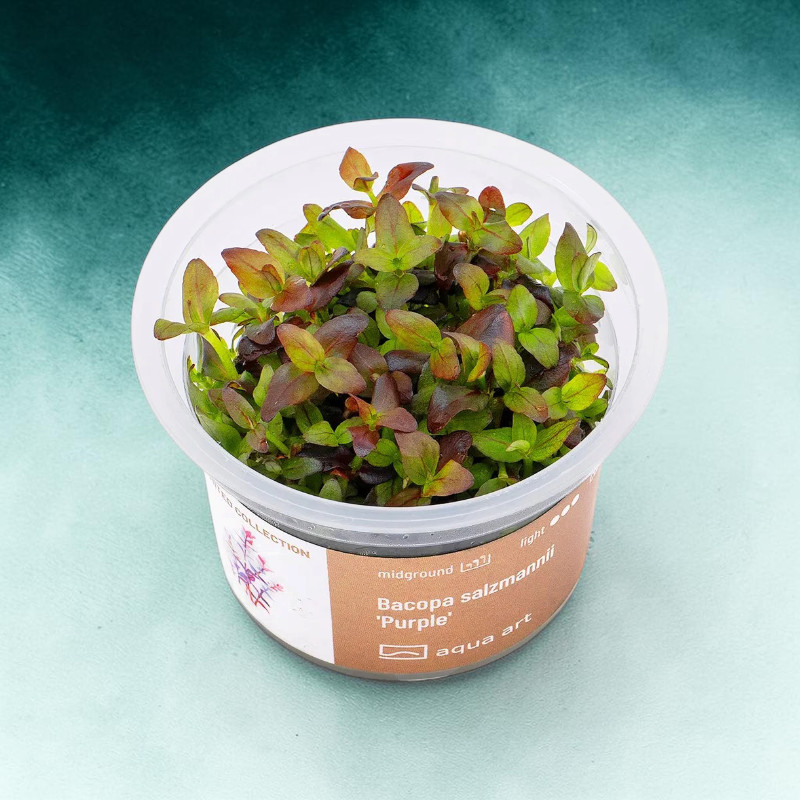
Bacopa salzmannii 'Purple' – purple aquarium plantAqua Art Bacopa salzmannii 'Purple' – an attractive in-vitro aquarium plant with dark purple leaves. Ideal for the midground and colourful aquascapes.Aqua Art’s Bacopa salzmannii ‘Purple’ is an exceptionally attractive stem plant which adds striking colour accents to the aquarium with its intense reddish-purple to dark purple leaf colouring. Native to South America, this plant is ideal for aquascaping and natural-looking underwater landscapes.Particularly striking are the oval leaves, which, under suitable conditions, develop a rich purplish-red to dark violet colour. Unlike many other red aquarium plants, Bacopa salzmannii ‘Purple’ displays a characteristic dark colouration that provides a beautiful contrast to light green aquatic plants.The plant grows relatively slowly and produces upright, sturdy shoots. These usually reach a height of 10–30 cm, but can grow to around 40 cm under favourable conditions. The individual shoots are approximately 3–4 cm wide and may branch out even at the base.Due to its compact and rather slow growth, Bacopa salzmannii ‘Purple’ is particularly well suited to the midground of the aquarium. In smaller tanks, it can also be used as a decorative background plant.The plant looks its best when several shoots are planted in small groups. Over time, this creates a dense, colour-rich stand of plants that adds a varied structure to the aquarium design.Strong lighting is crucial for the intense purple leaf colouration. The more suitable light the plant receives, the darker and more pronounced the reddish-purple hues can become. With weaker lighting, the colouration may be less intense.Additional CO₂ fertilisation is beneficial for healthy growth. Together with a balanced supply of macro- and micronutrients, it supports the development of vigorous shoots and attractive leaf colour.Bacopa salzmannii ‘Purple’ is considered relatively easy to care for. Thanks to its slow growth rate, it requires pruning less frequently than many fast-growing stem plants.Propagation is easily achieved using cuttings. Cut shoot tips can be placed directly back into the substrate, where they will form new roots.Aqua Art offers this plant as an in vitro culture. The plants are propagated under controlled laboratory conditions and are free from snails, algae and parasites.With its distinctive leaf colouring and elegant growth habit, Bacopa salzmannii ‘Purple’ is an excellent Wahl for aquarists who wish to add an extraordinary purple colour accent to their aquarium.Your benefits at a glance1 in-vitro culture cup of Bacopa salzmannii 'Purple'Intense reddish-purple to dark purple leaf colourationA particularly decorative stem plant for the midgroundSlow growth, reaching a height of approx. 10–30 cmMore vibrant leaf colours under intense lightingIdeal for aquascaping and high-contrast plant groupsEasy propagation using head cuttingsLaboratory-propagated culture free from snails, algae and parasitesInstructions for usePreparing the in vitro plantOpen the culture cup and carefully remove the plants. Rinse off any remaining nutrient gel thoroughly with clean, lukewarm waterThen divide the seedlings into small groups of about 1–2 cm and place them in the substrate using aquascaping tweezersPlantingPlant the individual clumps in the midground of the aquarium, leaving a little space between them. This gives the shoots enough room to grow and allows them to develop into a dense stand of plants over timeLightingBacopa salzmannii 'Purple' prefers strong aquarium lighting. High light intensity promotes the intense reddish-purple colouration of the leavesIn lower light conditions, the plant may remain lighter in colour or take on a greenish hueCO₂ supplyA moderate supply of CO₂ is recommended. A steady supply of CO₂ can support growth and colour developmentNutrient supplyEnsure an adequate supply of macro- and micronutrients. A balanced supply of nitrogen, phosphate, potassium and trace elements is particularly important for healthy plant growthA nutrient-rich substrate or regular liquid fertilisation can further promote plant growthPruning and propagationIf the shoots become too long, they can be trimmed with plant shearsThe cut shoot tips can be replanted directly into the substrate. This results in additional plants, and the stand can become denser over timeRegular pruning encourages the formation of new side shoots and helps to maintain a compact plant cluster.Zoo Roco TipBacopa salzmannii ‘Purple’ is ideal as a colourful focal point in an aquascape. Its dark purple leaf colour looks particularly beautiful when combined with light green aquarium plants.We recommend, for example, a layout featuring Micranthemum tweediei ‘Monte Carlo’, light-green Rotala species or delicate aquarium mosses. The strong colour contrast really brings out the purple leaves to their best advantage.Plant several shoots in small groups, leaving a little space between them. Once the plants have established themselves, the shoot tips can be pruned back regularly and replanted. This will gradually result in a dense, intensely coloured plant population.To achieve the deepest possible purple colour, we recommend good LED lighting, balanced CO₂ fertilisation and a regular supply of plant nutrients.Please note that newly introduced in vitro plants initially require an acclimatisation period. The new leaves formed underwater may differ in shape and colour from the original leaves.
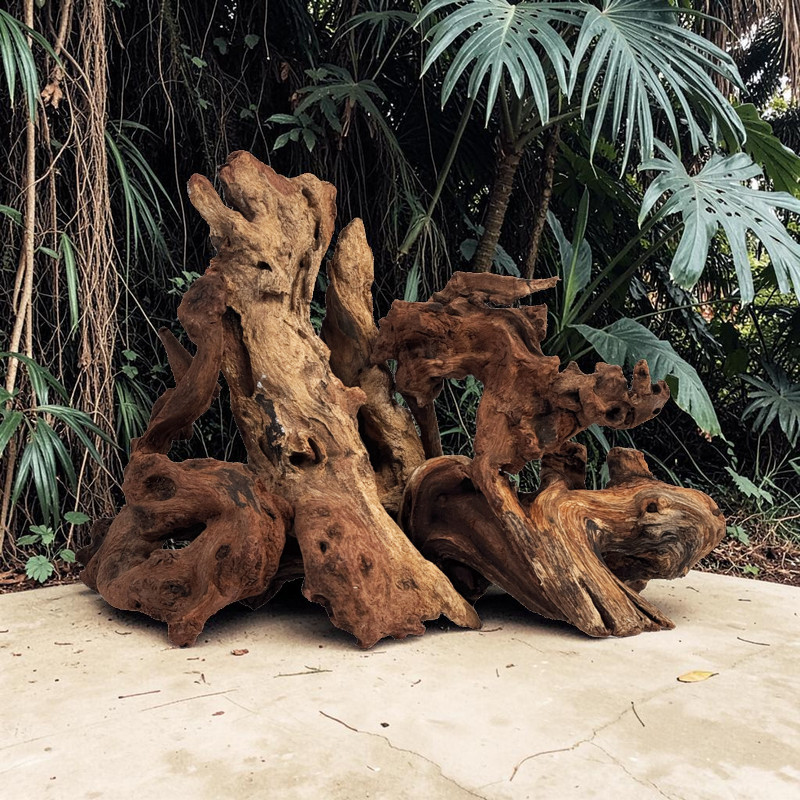
Worn Wood M – natural aquarium root for aquascapingWorn Wood M – natural aquarium root made from hardwood with a weathered texture. Ideal for aquascaping, shrimp aquariums and terrariums. Size approx. 20–30 cm.The Worn Wood root is an exceptional natural decoration for aquariums, aquascapes and terrariums. Its distinctive, weathered surface is reminiscent of wood that has been shaped over many years by water, sun and wind. This creates a particularly natural look that lends any underwater landscape a rustic and authentic character.With its warm brown to yellow-brown hues and smooth, slightly eroded surface, Worn Wood blends harmoniously into natural-looking aquarium designs. The gently curved shapes, natural indentations and unique wood textures make every root a one-of-a-kind decorative element.Unlike heavily branched root varieties, Worn Wood often has a more compact, sculptural shape. This makes the wood particularly well-suited as a central design element in the aquarium. Whether as a horizontal tree trunk, a weathered river root or a striking focal point amongst natural stones – the design possibilities are endless.The natural wood surface combines beautifully with epiphytic plants and mosses. Anubias, Bucephalandra, Java fern and various aquarium mosses in particular can be attached to the root. This creates harmonious aquascapes where plants and natural wood blend seamlessly together.Furthermore, the root provides shrimps, snails and small aquarium fish with additional structures to explore. Over time, biofilms and microorganisms can colonise the wood, which shrimps, for example, enjoy grazing on.The Worn Wood root is made of natural, dense hardwood. Due to the density of the material, many pieces sink of their own accord after a short soaking period. As this is a natural product, individual roots vary in shape, colour and structure.Measuring approx. 20–30 cm, Worn Wood M is particularly suitable for small to medium-sized aquariums or as part of larger aquascaping landscapes.Your benefits at a glanceSize M, approx. 20–30 cm in lengthMade from 100% natural, dense hardwoodCharacteristic, weathered surfaceWarm brown and yellow-brown tonesIdeal for aquascaping, aquariums and terrariumsSuitable for attaching mosses and epiphytesEvery root is a unique piece of natureInstructions for useRinse the Worn Wood root thoroughly with clean water before adding it to the tank to remove loose dirt particles and any possible residues. Do not use cleaning agents.We recommend soaking the root in a separate container for a few days before adding it to the tank. This allows the wood to become fully saturated with water and ensures that any water-soluble tannins are partially released.Then place the root in the desired position in the aquarium and ensure that it is stable. If the root still floats, it can be temporarily weighted down with suitable aquarium stones.For a natural look, mosses and epiphytes can be attached to the wood surface using suitable plant glue or thin thread.ImportantRinse thoroughly before addingPre-soak for several days if necessaryDo not use chemical cleaning agentsEnsure the wood is securely positioned in the aquariumThe water may take on a slight brownish tinge due to tanninsWhitish biofilms on fresh wood are usually temporaryZoo Roco TipWorn Wood is particularly well suited to natural-looking aquascapes where a calm and harmonious design is the priority. Combine the weathered root with fine sand, rounded river stones and compact aquatic plants to create the impression of a natural stream.Mosses and epiphytic plants such as Anubias, Bucephalandra or Java fern, which can be attached directly to the wood, look particularly decorative.Our tip for shrimp aquariums: After adding the root, allow sufficient time for natural biofilms to develop. Shrimps enjoy grazing on these surfaces and use the wooden structures as additional places to rest and hide.
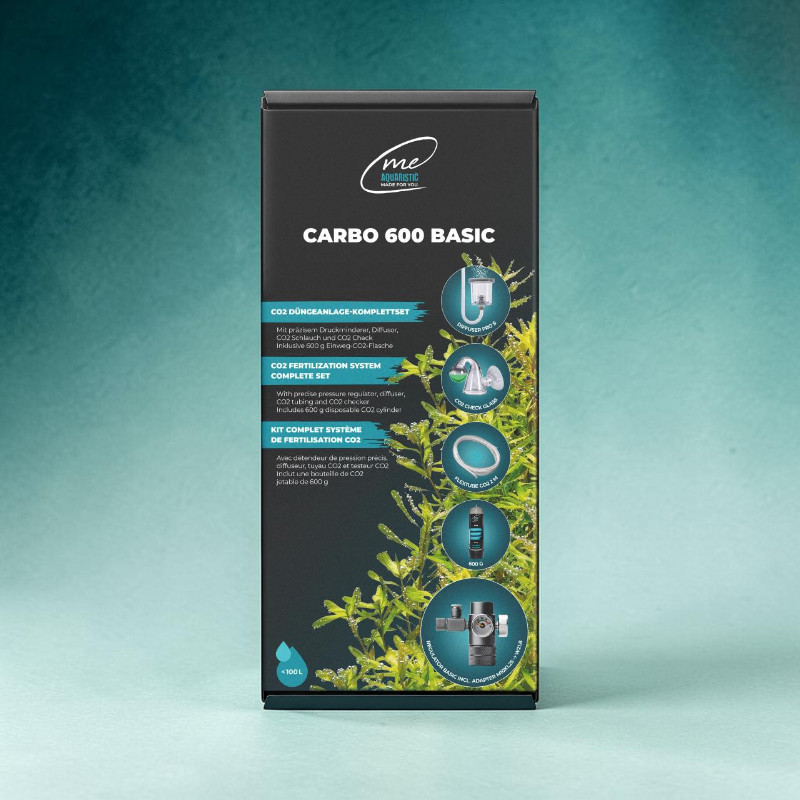
ME Carbo 600 Basic – CO₂ system with 600g disposable cylinderME Carbo 600 Basic CO₂ system with a 600g disposable cylinder for aquariums up to 100 litres. Complete set including a pressure regulator, CO₂ diffuser and continuous test for vigorous plant growth.The ME Carbo 600 Basic is a practical CO₂ system designed to supply aquatic plants with carbon dioxide. The complete set includes a 600 g disposable CO₂ cylinder, offering a straightforward way to set up CO₂ fertilisation in your aquarium. The system is particularly suitable for planted aquariums and aquascapes up to 100 litres.Carbon dioxide (CO₂) is an important component of photosynthesis, alongside light and nutrients. A CO₂ supply tailored to the plants’ needs supports the growth of aquarium plants and can contribute to stronger plants and more vibrant leaf colours.At the heart of the system is the ME Regulator Basic pressure reducer, which allows you to regulate the CO₂ supply. The included Diffuser Pro S disperses the carbon dioxide into the aquarium water in the form of fine bubbles. This promotes the most efficient possible uptake of CO₂ by the aquatic plants.To make it easy to monitor the CO₂ concentration, a CO₂ Check Glass with the appropriate test solution is included in the scope of delivery. The continuous test uses a colour change to indicate whether the CO₂ level in the aquarium is too low, sufficient or too high. This allows the dosage to be gradually adjusted to the plants’ requirements.The system is supplied with a 600 g disposable CO₂ cylinder, a transparent CO₂ hose and a suitable cylinder adapter. This means that the essential components for getting started with controlled CO₂ fertilisation are already included.The ME Carbo 600 Basic is a practical solution for all aquarists who wish to provide their aquatic plants with a targeted supply of CO₂ without having to set up a complex system.Your benefits at a glance1 complete CO₂ kit including a 600 g disposable cylinderSuitable for planted aquariums up to 100 litresPromotes vigorous and healthy plant growthRegulator Basic pressure reducer for controlled CO₂ supplyDiffuser Pro S for fine CO₂ distribution in the waterContinuous CO₂ test with test solution for easy monitoringIncludes a transparent CO₂ hose and a disposable cylinder adapterIdeal for planted aquariums and aquascapingInstructions for useSet up the ME Carbo 600 Basic CO₂ system in a safe, dry and well-ventilated place near the aquarium. The CO₂ cylinder must be kept upright and secured to prevent it from falling over.Fit the pressure regulator to the CO₂ disposable cylinder using the supplied adapter, in accordance with the manufacturer’s instructions. Then connect the pressure regulator to the Diffuser Pro S via the CO₂ hose.Place the diffuser as low as possible in the aquarium, in a spot with sufficient water movement, so that the CO₂ can disperse well throughout the water.Start with a low CO₂ dosage and increase it gradually in line with the plants’ requirements and the measured water parameters.The CO₂ continuous test strip supplied helps you to monitor the concentration in the aquarium. After each adjustment, allow the test strip sufficient time for the colour change to stabilise.Important notesAlways position the CO₂ cylinder upright and securelyCheck the connections for leaks after installationAdjust the CO₂ dosage slowly and in a controlled mannerCheck the CO₂ level regularly using the continuous testProtect your aquatic animals immediately if there are any signs of CO₂ overdoseDo not refill disposable cylinders yourselfInterrupt the CO₂ supply during the night wherever possibleA suitable CO₂ solenoid valve, available separately, can be used for automatic night-time shutdown.Zoo Roco TipA CO₂ system is a particularly useful addition to aquariums with lots of aquatic plants and stronger lighting. To ensure your plants grow optimally, the lighting, CO₂ supply and nutrient supply should be coordinated.We recommend checking the CO₂ level regularly using the continuous test strip supplied. For many planted community aquariums, a CO₂ range of around 20–30 mg/l is recommended, provided that the fish and shrimp population can tolerate this range.Keep a close eye on your aquarium inhabitants, particularly during the first few days after installation. An excessively high CO₂ concentration can be dangerous for fish and shrimps.For convenient control, we recommend fitting the CO₂ system with a suitable solenoid valve and a timer. This allows the CO₂ supply to be automatically interrupted at night when the plants are not photosynthesising.
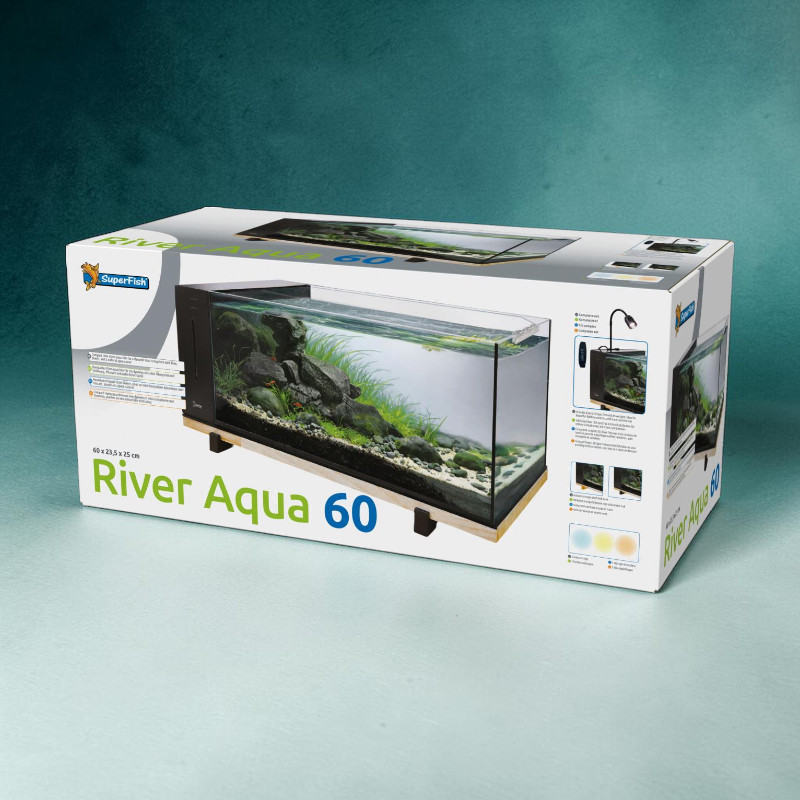
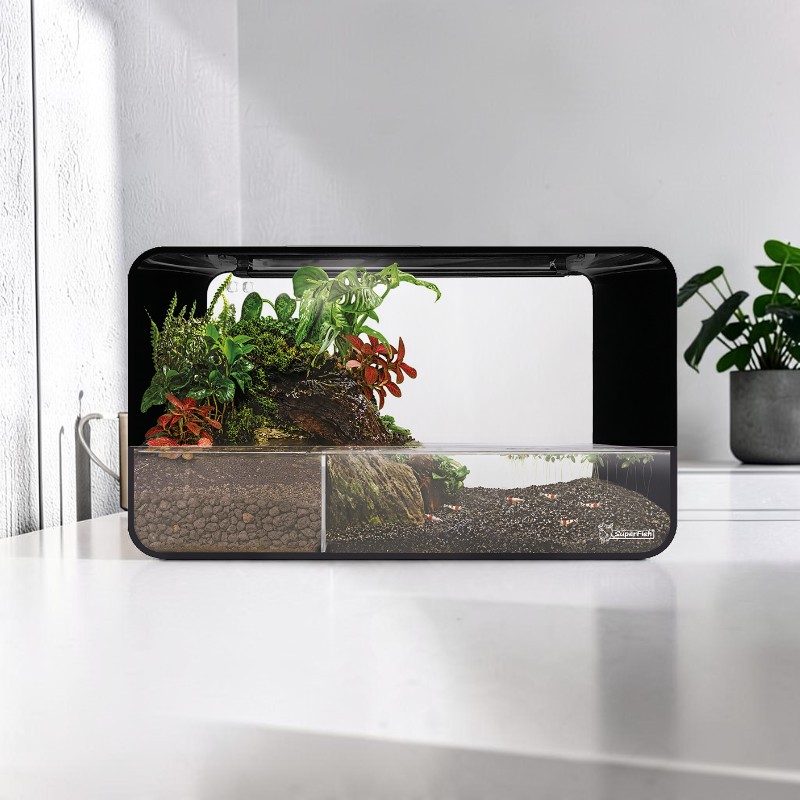
SuperFish River Aqua 60 – 28L aquarium with river effectSuperFish River Aqua 60 – a modern 28-litre aquarium with a natural river effect, a 7 W LED spotlight and an integrated filter. Ideal for aquascaping and shrimp.SuperFish ’s River Aqua 60 brings the natural beauty of a flowing stream straight into your home. This modern aquarium combines an elegant design with a rippling water surface and atmospheric light reflections. This creates a fascinating river effect that shows off plants, stones and roots to their best advantage.With a capacity of 28 litres and dimensions of 60 × 23.5 × 25 cm, the River Aqua 60 is ideal for creative aquascaping projects and natural-looking underwater landscapes. The stylish wooden plinth, available with a choice of orange or black legs, gives the aquarium a modern look.A particular highlight is the 7-watt ‘ SuperFish ’ River LED Spot. The lighting is directed at the moving water surface and creates vivid light reflections reminiscent of a natural stream. With three light colours, ten dimming levels and an integrated timer for 3, 9 or 12 hours, the lighting can be customised to suit your needs. The adjustable beam angle allows for targeted illumination of the aquarium landscape.The integrated filter system, together with the Aqua Power 200 pump, ensures water circulation and reliable mechanical and biological filtration. The filter is fitted with filter foam and bio-balls, which trap dirt particles and provide a surface for beneficial filter bacteria to colonise.Thanks to the filter chamber integrated into the side, the equipment remains discreetly in the background whilst remaining easily accessible. There is also a compartment for an optional heating rod. The matching ‘ SuperFish ’ Eco Heater 50 W is available separately.The SuperFish River Aqua 60 is particularly suitable for decorative planted aquariums and aquascapes featuring mosses, roots and stones. With the appropriate set-up and adjusted water parameters, the aquarium can also be used for keeping suitable dwarf shrimp.With its compact design, sophisticated technology and exceptional river effect, the SuperFish River Aqua 60 is a real eye-catcher for living spaces, offices and creative aquascaping projects.Your benefits at a glance1 complete aquarium set with a capacity of 28 litresCompact aquarium dimensions: 60 × 23.5 × 25 cmNatural river effect created by a moving water surface and light reflectionsRiver LED Spot with 7 W, three light colours and ten dimming levelsIntegrated timer with 3, 9 or 12 hours of lighting durationAqua Power 200 pump with integrated side filterMechanical and biological filtration using filter foam and bio-ballsElegant wooden plinth with black and orange legsTechnical specificationsAquarium volume: 28 litresTank dimensions: 60 × 23.5 × 25 cmLED lighting: River LED Spot 7 WLight colours: 3Dimming levels: 10Timer: 3 / 9 / 12 hoursPump: Aqua Power 200Pump capacity: up to 200 l/hFilter system: integrated side filterFilter media: filter foam and bio-ballsCover: GlassHeater compartment: suitable for the SuperFish Eco Heater 50 W (not included)Empty weight: approx. 11.88 kgInstructions for usePlace the SuperFish River Aqua 60 on a stable, level and sufficiently sturdy surface. Use the supplied base and the designated mat to prevent strain on the aquarium floor.Set up the aquarium to your liking with suitable substrate, natural stones, roots and aquatic plants. Ensure that the decorations are securely positioned and that there is sufficient space for water circulation.Install the integrated filter and the Aqua Power 200 pump in accordance with the operating instructions. Position the water outlet so as to create the desired surface movement.The River LED Spot can then be fitted and adjusted to suit your preferences. Select your desired light colour, brightness and lighting duration. The rippling water surface, together with the LED Spot, creates the characteristic river effect.Allow the aquarium to cycle properly before introducing any animals. Check the water parameters regularly, particularly nitrite levels, and only introduce animals once conditions have stabilised.If necessary, clean the filter carefully using water taken from the aquarium to ensure that as many beneficial filter bacteria as possible are preserved. Regular partial water changes also help to maintain good water quality.Zoo Roco TipThe SuperFish River Aqua 60 is particularly appealing to aquascaping enthusiasts who wish to create a natural, small-scale stream landscape.Use a variety of natural stones, fine gravel and delicate roots to enhance the impression of a flowing stream. Dwarf aquatic plants, mosses and epiphytes that can be attached to stones or roots look particularly attractive.The combination of water movement and targeted LED lighting creates fascinating light reflections, which make the aquarium appear particularly lively.Due to its small water volume of 28 litres, we recommend the River Aqua 60 primarily as a planted aquarium or for suitable dwarf shrimps. This tank is not intended for keeping fish on a long-term basis.
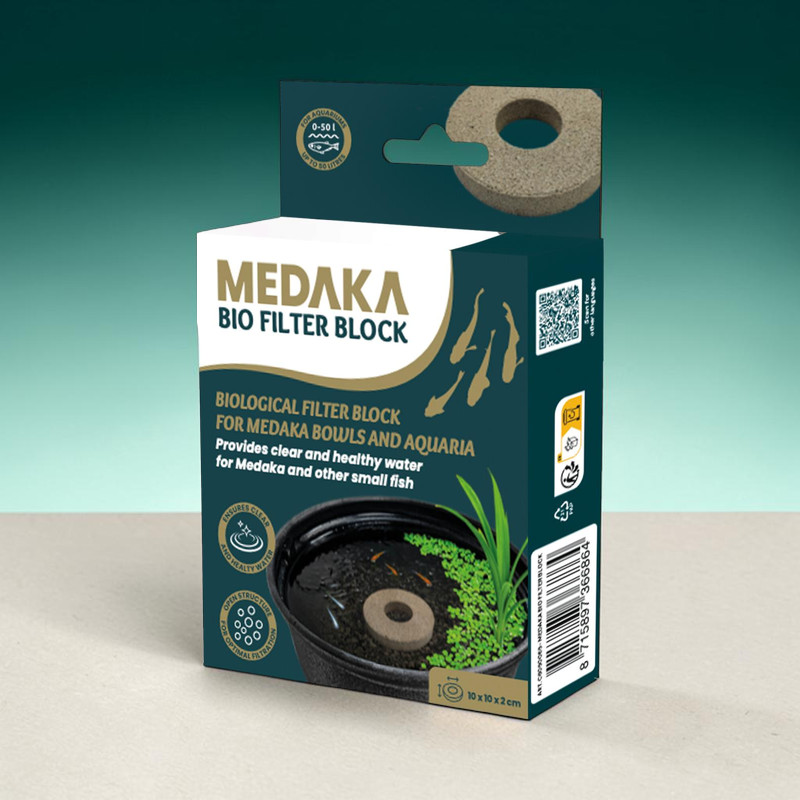
Medaka Bio Filter Block – biological filter block for medakaMedaka Bio Filter Block – biological ceramic filter for Medaka bowls, mini-ponds and aquariums up to 50 litres. Promotes beneficial filter bacteria and clear water.The Medaka Bio Filter Block is a practical ceramic filter block specially developed for medaka bowls, small ponds and aquariums. It supports natural biological water purification and helps to create a stable and healthy living environment for Japanese rice fish (Oryzias latipes) and other small aquarium inhabitants.The highly porous ceramic structure provides a large surface area on which beneficial filter bacteria can colonise. These microorganisms play an important role in the biological breakdown of pollutants in the water. They help to break down ammonium, or ammonia, and nitrite as part of the natural nitrogen cycle.Unlike conventional motorised filters, the Medaka Bio Filter Block requires no mains power supply and no additional pump. It is simply placed directly into the water, where it provides a surface for beneficial bacteria to colonise. This is a straightforward way to support biological filtration, particularly in small medaka bowls and natural-looking mini-ponds.The filter block is suitable for water volumes of up to 50 litres and can be used in both medaka bowls and small freshwater aquariums. It is also suitable for tanks containing shrimp and other small fish.With the Medaka Bio Filter Block, you can easily support the biological balance of your aquarium or mini-pond. The durable ceramic block can be gently cleaned as required and can remain in the water permanently.Your benefits at a glance1 biological ceramic filter block includedFor medaka bowls, mini-ponds and aquariums up to 50 litresPorous ceramic structure with a large surface area for bacterial colonisationPromotes the colonisation of beneficial filter bacteriaSupports the biological breakdown of ammonia and nitriteWorks without electricity or an additional pumpSuitable for medaka, small aquarium fish and shrimpsEasy to use and gentle cleaningTechnical dataMaterial – porous ceramicDimensions – 15 × 10 × 2.5 cmWeight – approx. 210 gInstructions for useBefore using the Medaka Bio Filter Block for the first time, rinse it carefully with clear, preferably chlorine-free water and then place it directly into your Medaka bowl, mini pond or aquarium.Over time, the porous ceramic surface becomes colonised by beneficial filter bacteria. These support the natural breakdown of pollutants and help to stabilise the biological balance.Important information on usePlace the filter block completely underwaterPosition it, if possible, in a spot with gentle water movementIf necessary, clean carefully using water taken from the aquariumDo not use soap or chemical cleaning agentsThe bacterial cultures need time to develop sufficientlyThe Bio Filter Block supports biological water purification; however, with an appropriate fish stock, it does not generally replace a high-performance filter or regular water changes.Zoo Roco TipMedaka are often kept in decorative bowls or small mini-ponds, where strong water currents are deliberately avoided. It is precisely in such tanks that the Medaka Bio Filter Block can be a useful addition to natural water maintenance.We recommend using the filter block as early as possible when setting up the tank so that beneficial bacteria can develop.In combination with live aquatic plants, a suitable fish stock and regular partial water changes, a stable biological balance can be maintained.Check nitrite levels regularly, particularly in newly set-up tanks, as the biological filtration process only develops over time.
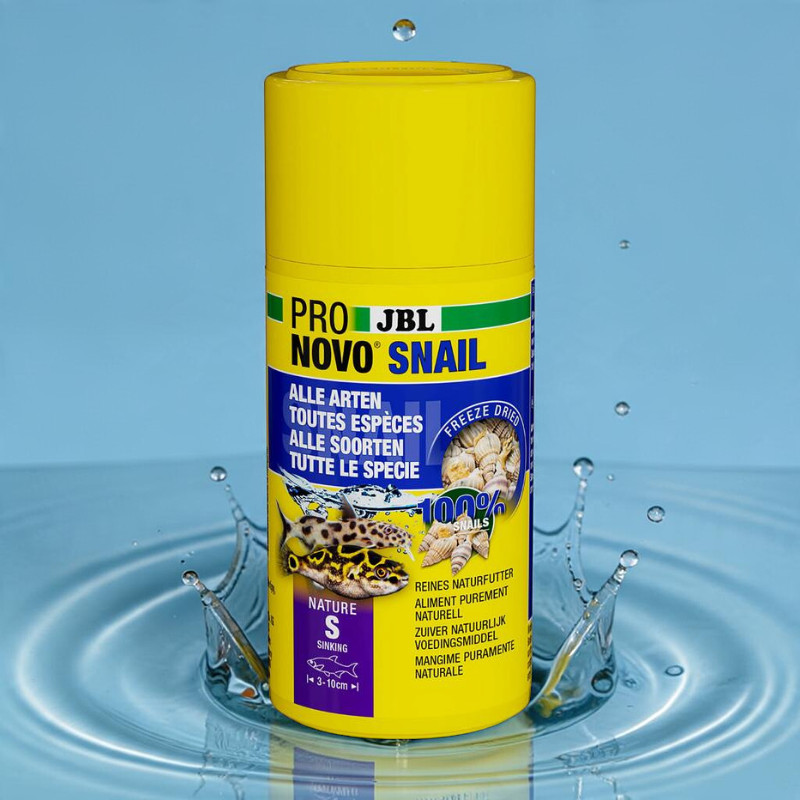
JBL ProNovo Snail 100 ml – snail food for pufferfish & co.JBL ProNovo Snail 100 ml – natural specialist food made from 100% freeze-dried freshwater snails with shells. Ideal for pufferfish, loaches and featherbarbel catfish.JBL ProNovo Snail 100 ml is a high-quality specialised food made from whole, gently freeze-dried freshwater snails complete with shells. The food is particularly suitable for snail-eating ornamental fish such as pufferfish, loaches and barbel catfish. Many of these species regularly eat snails in the wild, which is why JBL ProNovo Snail provides a natural food supplement.The whole snails, complete with their shells, encourage natural feeding behaviour. Whilst many fish pull the soft flesh out of the shell, larger species crack the shells directly. For pufferfish, this natural form of food can also support the necessary tooth wear.JBL ProNovo Snail is natural, gently freeze-dried and contains no additives or preservatives. This makes it suitable as a ‘ Haupt ’ or supplementary feed for specialised species, as well as a special treat for many other aquarium fish.Your benefits at a glance100% freeze-dried freshwater snails with shellsIdeal for pufferfish, loaches and feather-beard catfishSupports natural feeding behaviourNatural food form with shellCan support tooth wear in pufferfishGently freeze-driedNo additives and no preservativesDirections for useFeed JBL ProNovo Snail as a staple food or as a supplementary treat, depending on the fish species and their requirements. Only add as much food to the aquarium as the fish can consume within a short time. Any uneaten remains should be removed to ensure water quality remains stable.Once opened, store the food in a dry, cool place and keep it tightly sealed. JBL recommends using up an opened tin of food within about four months, if possible, to ensure that freshness and quality are maintained.Zoo Roco TipJBL ProNovo Snail is particularly suitable for pufferfish, as snails form part of their natural diet and the hard components can help with tooth wear. For pufferfish, you should also ensure a varied diet and suitable water parameters. For loaches and featherbarb catfish, ProNovo Snail can be used as a high-quality supplement to their normal diet.
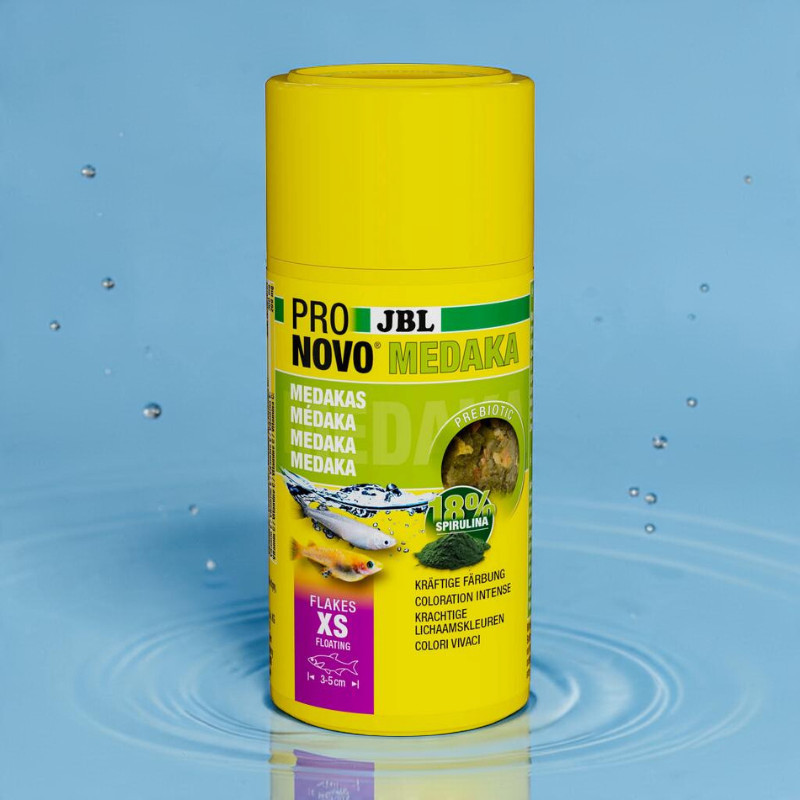
JBL ProNovo Medaka Flakes XS 100 ml – Specialised food for medakaJBL ProNovo Medaka Flakes XS 100 ml – floating, prebiotic specialty food for medaka. Fine flakes with spirulina, salmon and prawns for Japanese rice fish. JBL ProNovo Medaka Flakes XS 100 ml is a high-quality specialised food for medaka, also known as Japanese rice fish. This floating flake food has been specially formulated to meet the needs of Oryzias latipes and is suitable for medaka of various sizes.Medaka have a rather small, upper-facing mouth and prefer to take their food at the water’s surface. That is why JBL ProNovo Medaka Flakes XS consist of fine, floating flakes in various sizes. This ensures that even young fish and smaller specimens can find suitable food particles. This is particularly useful, as medaka often breed when kept in good conditions.The formula is tailored to the medaka’s omnivorous diet and contains, amongst other things, 18% spirulina, salmon meal, prawn meal and plant-based ingredients. Dietary fibre supports good digestion, whilst the airtight and light-proof tin keeps the food fresh for a long time. The lid features measuring compartments, which allow for easy and precise feeding.Your benefits at a glanceSpecial floating food for medakaFor Japanese rice fish, Oryzias latipesFine XS flakes for small, surface-feeding fishDifferent flake sizes for young and adult fishPrebiotic formula to support digestionContains 18% spirulina, salmon and prawnsPackaged in an airtight and light-proof container with a handy dosing aidZoo Roco TipMedaka are lively, surface-dwelling fish and benefit from a fine, floating food. It is better to feed small amounts several times a day rather than one large portion at once. JBL ProNovo Medaka Flakes XS is particularly practical for groups containing young fish, as the food contains flakes of various sizes.
SuperFish Paludra 60 – Water and land in a planted landscapeWith the SuperFish Paludra 60, you can create a small natural landscape where water and land merge. Combine aquatic plants, emersed plants, roots and stones to create a tropical-inspired eye-catcher in your home.The paludarium measures 60 × 24 × 35.5 cm and has a water capacity of 10 litres. The included Eco LED 44–54 with 17 watts illuminates your planted landscape. An Aqua Power 200 pump ensures water circulation, whilst the integrated filter box with filter sponge mechanically removes suspended particles from the water.The scope of delivery also includes an EVA foam base. It evens out minor unevenness, supports the tank and helps to prevent stress on the glass.The water area can be used provided the water parameters are correct and the setup is suitable for shrimp. The combination of a planted land area and a water area offers you numerous possibilities for a personalised design.Your benefits at a glancePaludarium combining aquatic and terrestrial areasDimensions: 60 × 24 × 35.5 cmWater volume: 10 litresIncludes Eco LED 44–54 with 17 wattsIncludes Aqua Power 200 pumpHandy filter box with filter sponge for mechanical filtrationEVA foam underlay to even out minor unevennessSuitable for planted landscapes and a suitably set-up shrimp areaZoo Roco Tip: Use roots or stones to create a natural transition between water and land. When selecting plants, bear in mind which species can grow permanently underwater and which can grow with their leaves above the water’s surface.
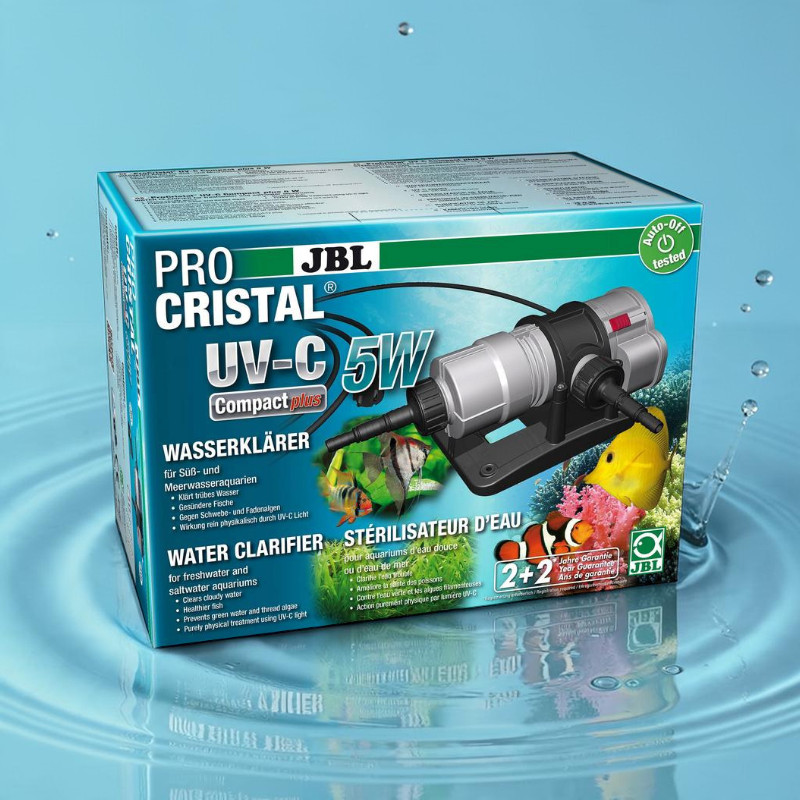
JBL ProCristal Compact plus UV-C – water clarifier for aquariumsJBL ProCristal Compact plus UV-C 5 W and 11 W – compact UV-C water clarifier for freshwater and marine aquariums. Reduces floating algae, greenish and whitish cloudiness.The JBL ProCristal Compact plus UV-C is a compact UV-C water clarifier for freshwater and marine aquariums. It helps maintain clear and healthy aquarium water by quickly and efficiently reducing greenish and whitish cloudiness. A UV-C clarifier can be a useful addition to your filter system, particularly in cases of floating algae, bacterial cloudiness or increased bacterial load.The unit is connected to an external filter or a suitable pump in a space-saving manner. Thanks to the practically arranged inlet and outlet ports, the UV-C clarifier can be easily integrated into existing aquarium set-ups. The 5 W version has a minimum installation length of 32 cm, whilst the 11 W version has a minimum installation length of 42 cm.The JBL ProCristal Compact plus UV-C is available in two power ratings: the 5 W version is suitable for partial disinfection of aquariums up to 300 litres and for combating floating algae in tanks up to 100 litres, in each case with a pump delivering a maximum of 300 l/h. The 11 W version is suitable for partial disinfection in aquariums up to 800 litres and for combating floating algae in aquariums up to 200 litres, in each case with a pump with a maximum flow rate of 500 l/h. An integrated safety switch automatically switches off the UV-C lamp when the unit is opened.Your benefits at a glanceAvailable in 5-watt and 11-watt versionsSuitable for freshwater and saltwater aquariumsReduces greenish and whitish cloudiness in the waterHelps combat floating algae and bacterial cloudinessSupports partial disinfection and can reduce the risk of diseaseSpace-saving installation on an external filter or pumpWith a safety switch for automatic shut-off when openedTechnical specifications 5 wattsMinimum installation length: 32 cmPartial disinfection: for aquariums up to 300 litresFor combating floating algae: aquariums up to 100 litresRecommended pump capacity: max. 300 l/hTechnical specifications 11 wattsMinimum installation length: 42 cmPartial disinfection: for aquariums up to 800 litresFor combating floating algae: aquariums up to 200 litresRecommended pump capacity: max. 500 l/hDirections for useConnect the JBL ProCristal Compact plus UV-C to a suitable external filter or pump in accordance with the operating instructions. In aquariums, the UV-C unit is usually connected after the filter so that water that is as clear as possible and has been mechanically pre-cleaned flows through the UV-C clarifier.Ensure the flow rate is correct, as excessive pump output can reduce the contact time between the water and the UV-C light. The unit must only be operated when fully assembled and in accordance with the manufacturer’s instructions. Never look directly at UV-C light. Always disconnect from the mains before carrying out any maintenance work.Zoo Roco TipA UV-C clarifier is particularly helpful for green water caused by floating algae or milky-whitish cloudiness. However, it is no substitute for regular aquarium maintenance, water changes or identifying the root cause. You should also check the lighting duration, nutrient levels, stocking density and filter performance. For smaller aquariums, the 5 W version is usually sufficient; for larger tanks or where water quality is more heavily compromised, the 11 W version may be more appropriate.
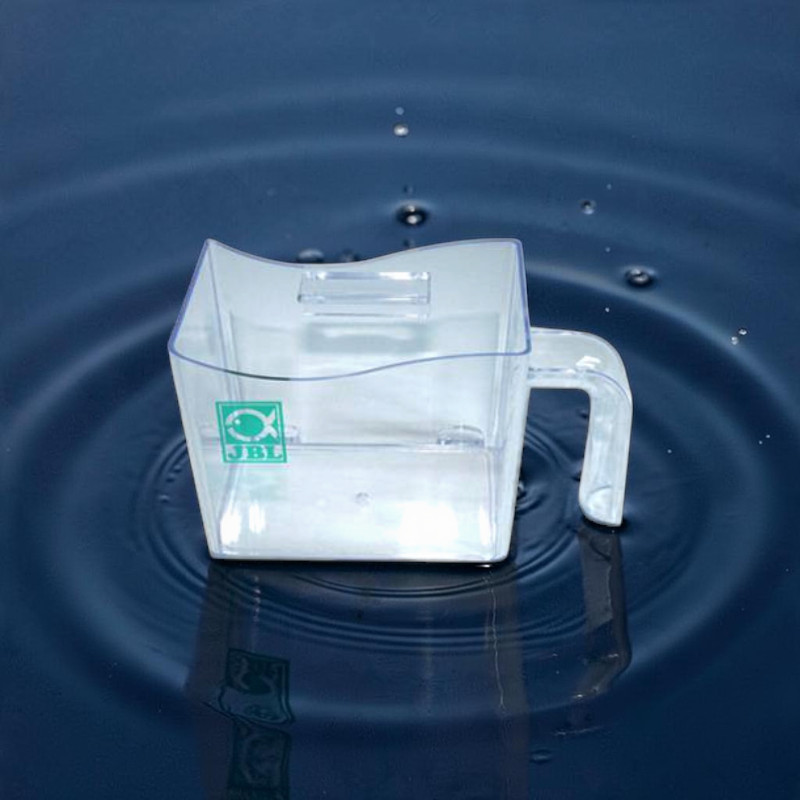
JBL Fish-Catching Cup – a practical cup for catching aquarium fishJBL Fish-Catching Cup – a practical, transparent cup for the gentle catching, transferring and temporary storage of aquarium fish. With a handle for hanging on the aquarium.The JBL fish-catching cup is a practical accessory for the aquarium hobby and is ideal for the gentle catching, transferring and temporary storage of aquarium fish. It has been specially developed for catching fish and is a useful aid for both retail outlets and private aquariums. The transparent cup provides a clear view of the fish and makes it easier to monitor them during transfer.Thanks to its handle, the fish-catching cup can be conveniently hung on the aquarium. This leaves both hands free and ensures the cup is right where it’s needed. In addition to catching and transferring fish, the cup can also be used in a variety of ways for aquarium maintenance – for example, as a collection container for plant debris, algae, water testing equipment, food or small tools.The JBL fish-catching cup is also useful when setting up an aquarium. It can be used to distribute substrate, to collect cut plant roots or as a temporary container during maintenance work. This makes it a small but very useful tool for every aquarist.Your benefits at a glanceContents: 1 JBL fish-catching cupFor the gentle catching and transferring of aquarium fishAlso suitable for shrimps and other small aquarium inhabitantsTransparent cup for easy visual inspectionWith a handle for convenient hanging on the aquariumVersatile for maintenance, setting up and water changesIdeal as a collection container for plant cuttings or accessoriesA practical aid for home aquariums and retail displaysDirections for useIf required, hang the JBL fish-catching cup over the edge of the aquarium and fill it with aquarium water. Fish or shrimps can then be carefully transferred into the cup using a landing net. The cup is suitable for short-term storage whilst carrying out maintenance work, for selecting individual fish or for gentle relocation.Clean the fish-catching cup with clean water after use. Do not use any cleaning agents, as residues can be harmful to aquarium inhabitants. The cup should not be used for prolonged periods of quarantine or temporary housing.Zoo Roco TipThe JBL fish-catching cup is particularly handy if you don’t want to lift fish straight out of the water with a landing net. Use it in conjunction with a fine-mesh landing net: this allows fish to be gently guided into the cup first and then transferred with less stress. The cup is also very useful when pruning plants, as cut plant parts can be collected directly.
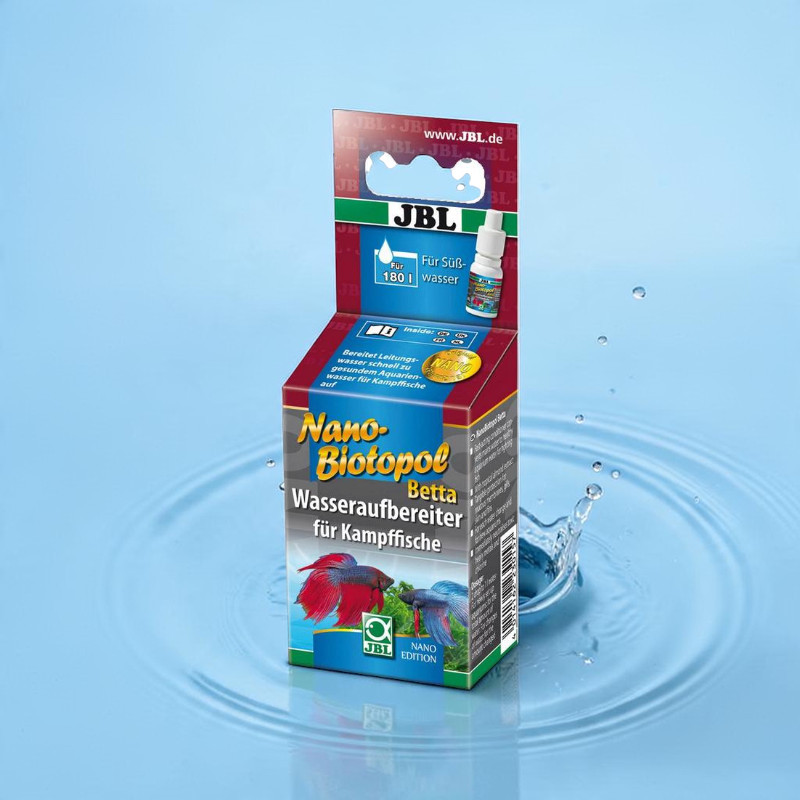
JBL NanoBiotopol Betta 15 ml – Water conditioner for betta fishJBL NanoBiotopol Betta 15 ml – water conditioner for betta fish and nano-aquariums. Neutralises chlorine and heavy metals and protects gills, skin and fins.JBL NanoBiotopol Betta 15 ml is a water conditioner specially developed for small aquariums with fighting fish. It quickly treats tap water to make it suitable for fish and is ideal for setting up new aquariums, carrying out partial water changes or topping up water lost through evaporation.Tap water may contain substances that can be harmful to aquarium fish – for example, chlorine or heavy metals such as copper, zinc and lead. JBL NanoBiotopol Betta neutralises these substances, thereby making the water more suitable for betta species. According to the manufacturer, the product also helps to protect mucous membranes, gills, skin and fins.The handy 15 ml bottle is particularly suitable for nano-aquariums and small betta tanks. The drop-by-drop dosing system makes the water conditioner easy and economical to use. When setting up a new tank or carrying out a partial water change, add 2 drops per 1 litre of water.Directions for useAdd JBL NanoBiotopol Betta directly to the aquarium or to the prepared fresh water when setting up a new tank, carrying out a partial water change or topping up the water. Use 2 drops per 1 litre of water. For a partial water change, the dosage is calculated based on the volume of water being replaced.Always use the water conditioner whenever fresh tap water comes into contact with the aquarium. To maintain stable water parameters, the temperature, pH, hardness and nitrite levels should be checked regularly.Zoo Roco TipBetta fish are sensitive to poor water quality and significant fluctuations. Prepare fresh water with JBL NanoBiotopol Betta before every water change and ensure that the temperature matches that of the aquarium water as closely as possible. Regular but gentle water maintenance is particularly worthwhile in small aquariums.
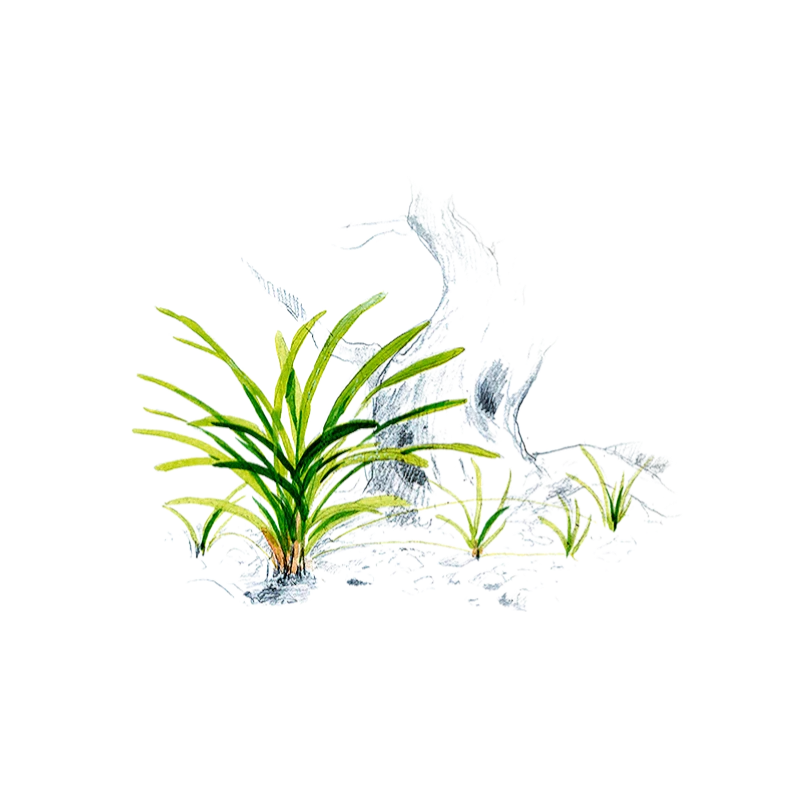
Saggitaria subulata - InVitro
Sagittaria subulata is a versatile and easy-care aquarium plant that creates a harmonious overall picture both in the foreground and in the middle ground. With its narrow, grass-like leaves, it forms dense, natural carpets and brings lively structure to any aquarium.
Under optimal conditions, the plant spreads via runners and quickly creates a dense growth. Depending on the placement and light conditions, it can vary its growth height - from low ground cover to taller, decorative accents in the background.
The occasional flowering is particularly attractive in optimal conditions: Delicate, small flowers can appear above the surface of the water, adding an unusual touch to the aquarium.
Advantages at a glance:
Undemanding aquatic plant for beginners and professionals
Forms dense lawns through natural runners
Flexible growth height depending on location and care
Can develop decorative flowers above the water surface
Supplied free from snails, algae and parasites Product details:
Name: Sagittaria subulataPlanting location: Foreground - middle groundOrigin: South America Growth: FastHeight: Up to 30 cm, depending on conditionsLight requirement: Medium to high
CO₂ supply: not essential, but beneficial
Propagation: by stolons, divisionDelivery form: InVitro (sterile packaging) Manufacturer: Aqua art
CHF 6.50
❅
❆
❅
❆
❅
❆
❅
❆
❅
❆
❅
❆
This website uses cookies to ensure the best experience possible. More information...