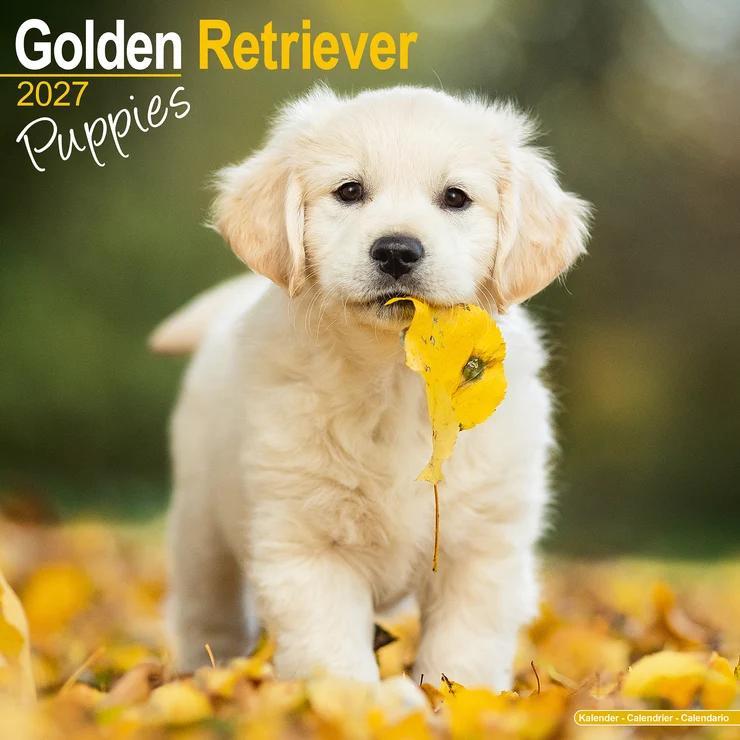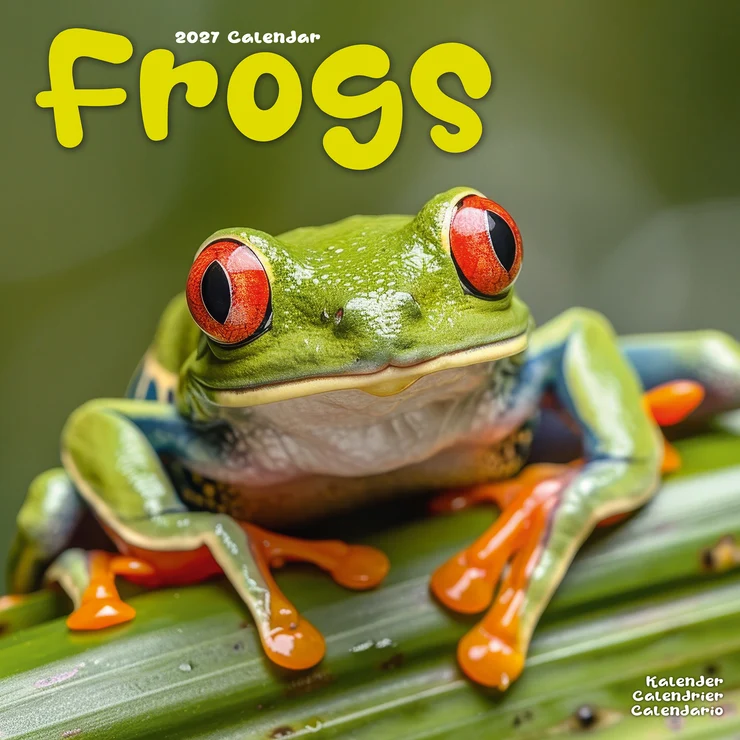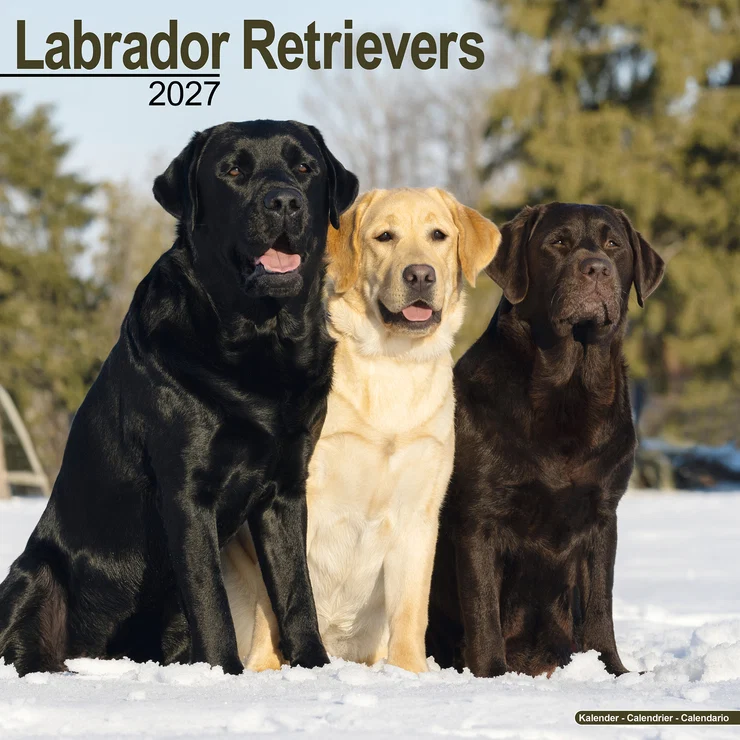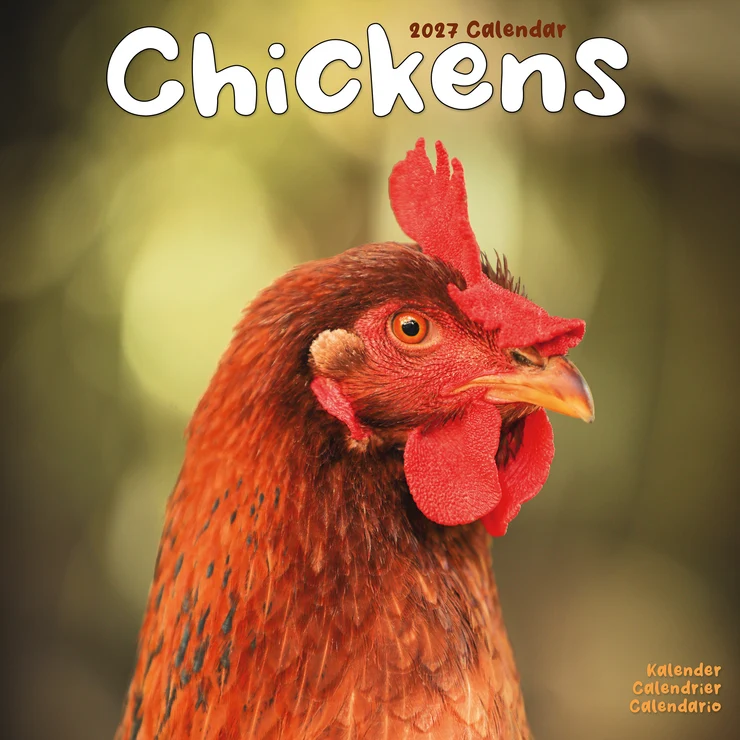
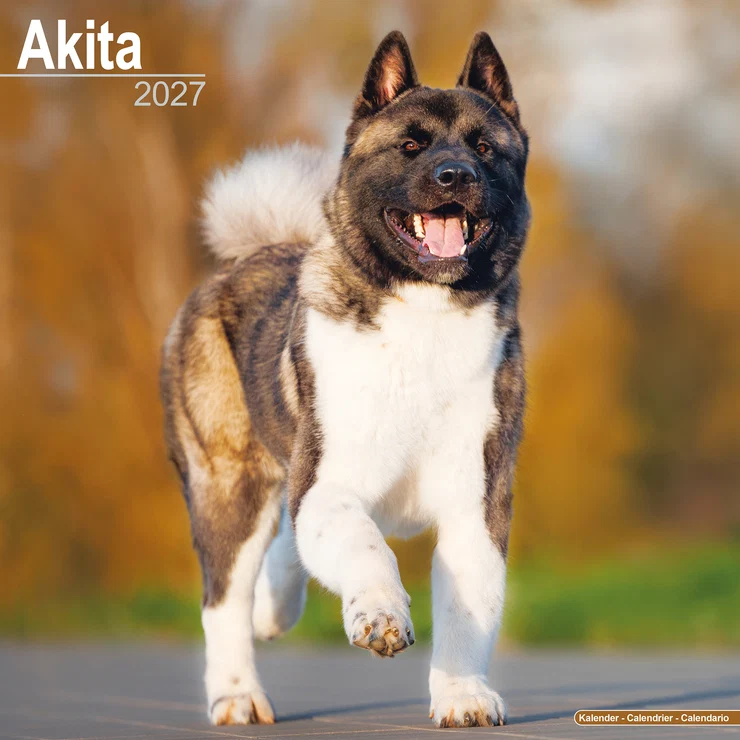

Annual calendar with 13 photographs
one picture per month + cover picture
Format closed approx. 30.5 × 30.5 cm Format unfolded on the wall: approx. 61 × 30.5 cm
FCI standard no.: 111 Patronage: Great BritainFCI classification: Group 8: Retrieving dogs - Stöberhunde - WasserhundeSection 1: Retrieving dogs, with working test
Annual calendar with 13 photographs
one picture per month + cover picture
Format closed approx. 30.5 × 30.5 cm Format unfolded on the wall: approx. 61 × 30.5 cm
Annual calendar with 13 photographs
one picture per month + cover picture
Format closed approx. 30.5 × 30.5 cm Format unfolded on the wall: approx. 61 × 30.5 cm
FCI standard no.: 122 Patronage: Great BritainFCI classification: Group 8: Retrieving dogs - Stöberhunde - WasserhundeSection 1: Retrieving dogs, with working test
Annual calendar with 13 photographs
one picture per month + cover picture
Format closed approx. 30.5 × 30.5 cm Format unfolded on the wall: approx. 61 × 30.5 cm
Annual calendar with 13 photographs
one picture per month + cover picture
Format closed approx. 30.5 × 30.5 cm Format unfolded on the wall: approx. 61 × 30.5 cm
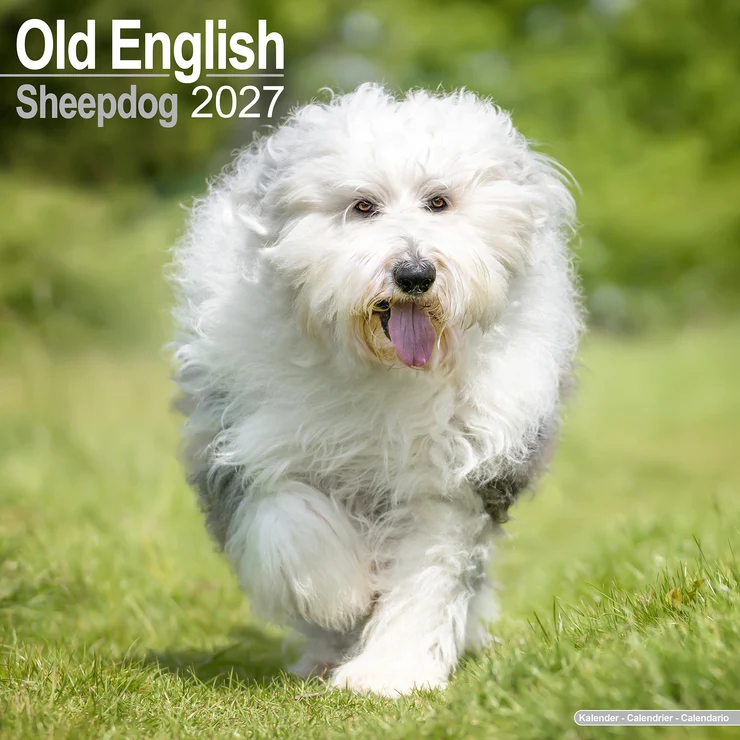
FCI standard no.: 16 Origin: Great BritainFCI classification: Group 1: Herding and driving dogs (excluding Swiss Mountain and Cattle Dogs)Section 1: Sheepdog, without working test
Annual calendar with 13 photographs
one picture per month + cover picture
Format closed approx. 30.5 × 30.5 cm Format unfolded on the wall: approx. 61 × 30.5 cm
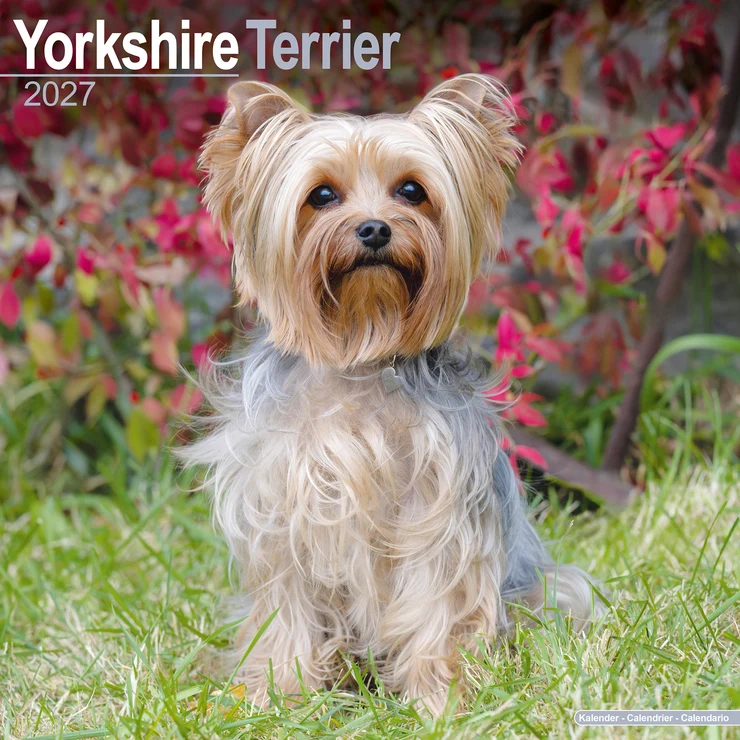
FCI standard no.: 86 Patronage: Great BritainFCI classification: Group 3: TerriersSection 4: Miniature Terriers, without working test
Annual calendar with 13 photographs
one picture per month + cover picture
Format closed approx. 30.5 × 30.5 cm Format unfolded on the wall: approx. 61 × 30.5 cm
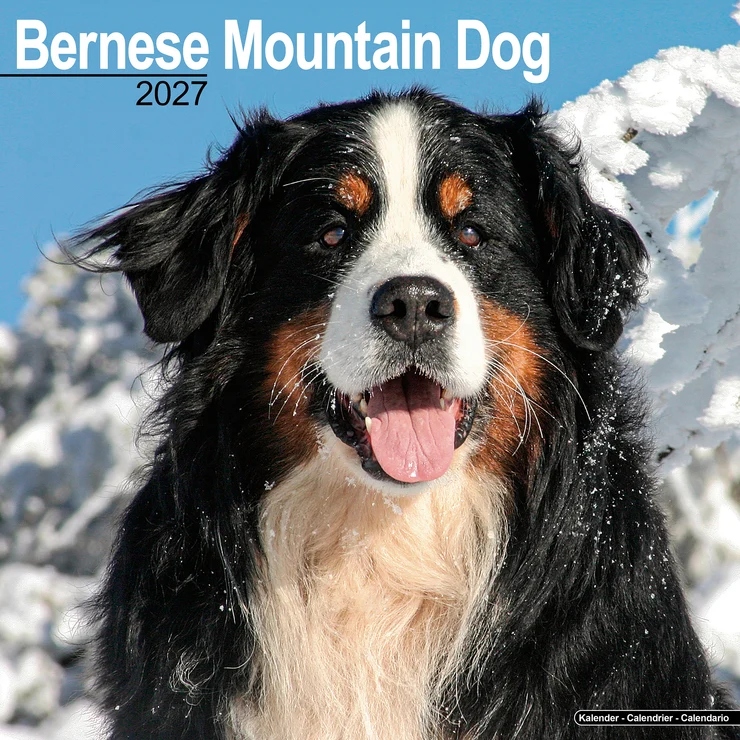
FCI standard no.: 45 Patronage: Switzerland FCI classification: Group 2: Pinscher and Schnauzer - Molossoid - Swiss Mountain DogsSection 3: Swiss Mountain Dogs, without working testalso known as Dürrbächler, Bouvier bernois, Bernese Mountain Dog, Perro Boyero de montana Bernés
Annual calendar with 13 photographs
one picture per month + cover picture
Format closed approx. 30.5 × 30.5 cm Format unfolded on the wall: approx. 61 × 30.5 cm
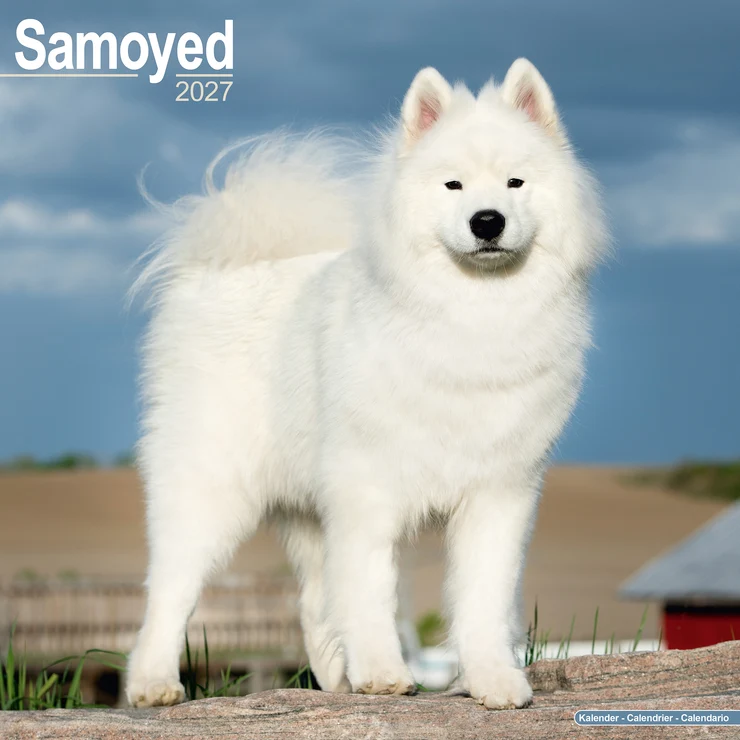
FCI standard no.: 212 Patronage: Nordic Kennel Club (N.K.U.) - Origin: RussiaFCI classification: Group 5: Spitz and primitive type dogsSection 1: Nordic sled dogs
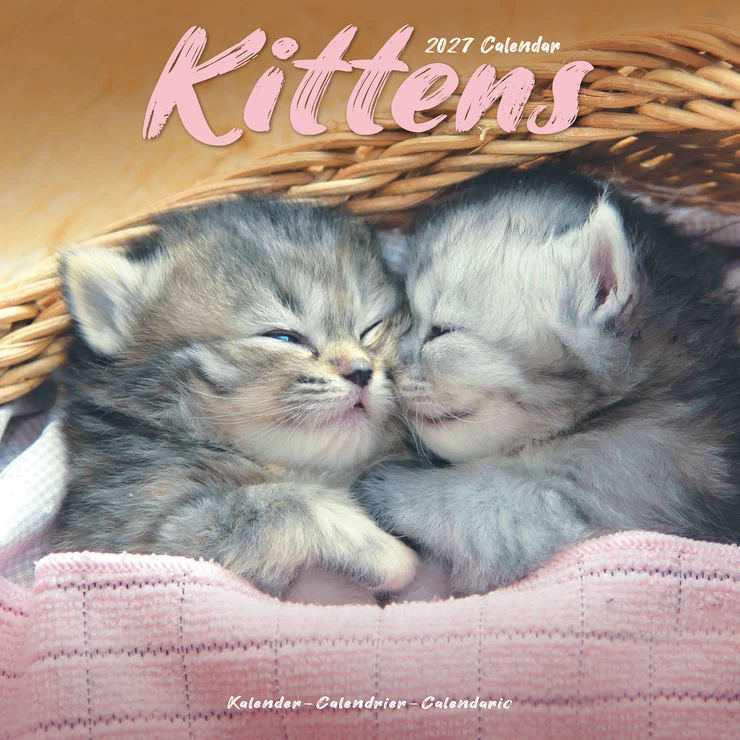
Kitten - annual calendar with 13 photographs
one picture per month + cover picture
Format closed approx. 30.5 × 30.5 cm Format unfolded on the wall: approx. 61 × 30.5 cm
Annual calendar with 13 photographs
one picture per month + cover picture
Format closed approx. 30.5 × 30.5 cm Format unfolded on the wall: approx. 61 × 30.5 cm
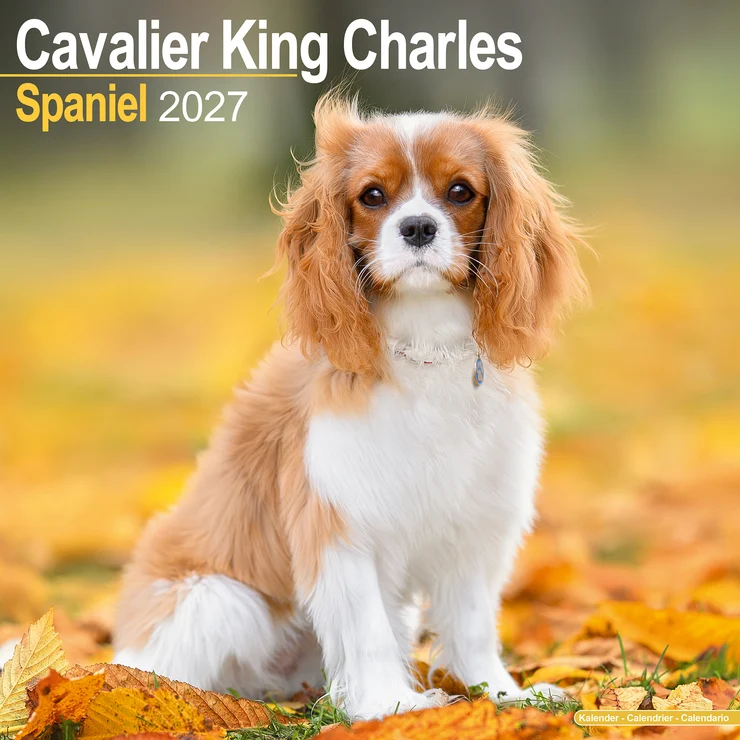
FCI standard no.: 136Patronage: Great BritainFCI classification: Group 9: Companion and companion dogsSection 7: English companion spaniel, without working test
Annual calendar with 13 photographs
one picture per month + cover picture
Format closed approx. 30.5 × 30.5 cm Format unfolded on the wall: approx. 61 × 30.5 cm
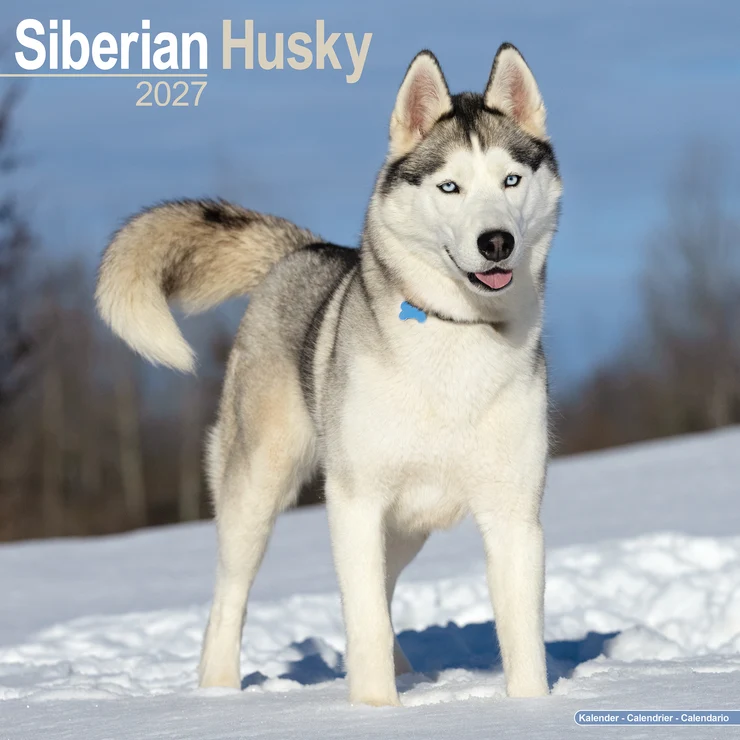
FCI standard no.: 270 Patronage: GermanyFCI classification: Group 5: Spitz and primitive type dogsSection 1: Nordic sled dogs
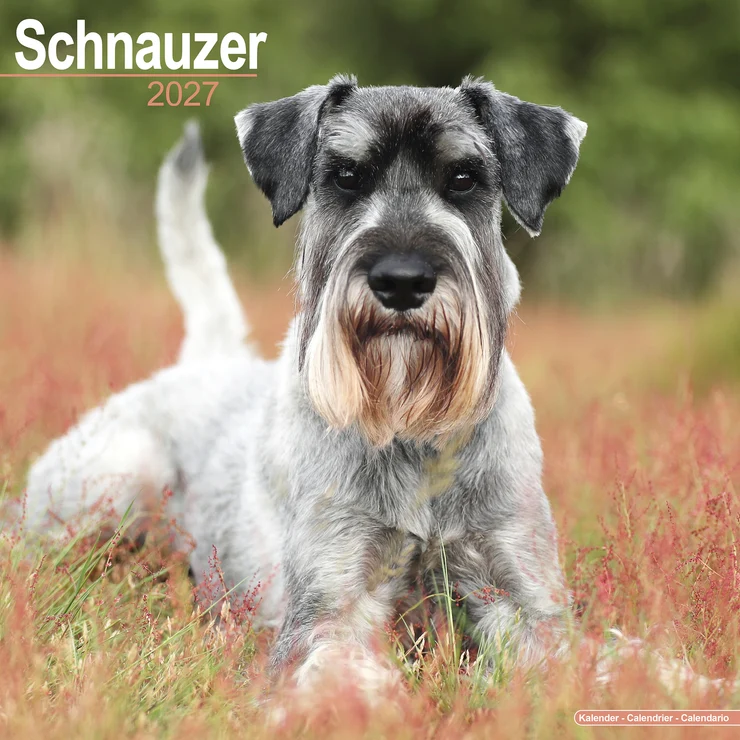
Annual calendar with 13 photographs
one picture per month + cover picture
Format closed approx. 30.5 × 30.5 cm Format unfolded on the wall: approx. 61 × 30.5 cm
FCI standard no.: 181,182,183 Origin: GermanyFCI classification: Group 2: Pinscher and Schnauzer - Molossoid - Swiss Mountain and Cattle DogsSection 1: Pinscher and Schnauzer, Schnauzer
Profile Bolonka ZwetnaHistory of the Bolonka ZwetnaThe Bolonka Zwetna is a small companion dog from Russia. According to the VDH, the first standard was created and confirmed in the 1960s, after which the breed continued to develop as a colored lapdog type.AppearanceBody shape:
You will get a small, compact dog that looks rather square and should be sturdily built despite its miniature size.
Coat:
The long coat falls in waves or curls and is the most striking feature of the breed.Nature and characterMany Bolonkas are cheerful, affectionate and very people-oriented. They often don't like to be left alone, but they like to be everywhere in everyday life.GroomingYou should brush and comb the coat regularly to prevent it from matting, especially on the ears, armpits, belly and "pants". A regular grooming routine is more important than infrequent "big jobs".HealthAs a small breed, the Bolonka is often considered to be quite robust, but breed-typical issues such as patellar problems (patella) and tartar in small dogs are something you should keep an eye on (preventive breeding and dental care help).TrainingThey usually do well with friendly consistency and reward training. Because Bolonkas are very people-oriented, bonding often works easily, but early training for staying alone and everyday calmness is important.What special features does this breed haveThe Bolonka is a typical companion dog: small, likes to be close to its body and is often very focused on its owner. This makes it a great everyday partner, but can lead to problems when left alone without training.Suitable for first-time dog owners?Often yes, if you allow time for closeness, grooming and consistent basic training. It is particularly important that you clearly establish topics such as staying alone, leash training and rules in the household right from the start.Family dog or not?As a family dog, it can be a good fit if children are calm and considerate with a small dog. In very wild households, management is important so that the dog is not overwhelmed.