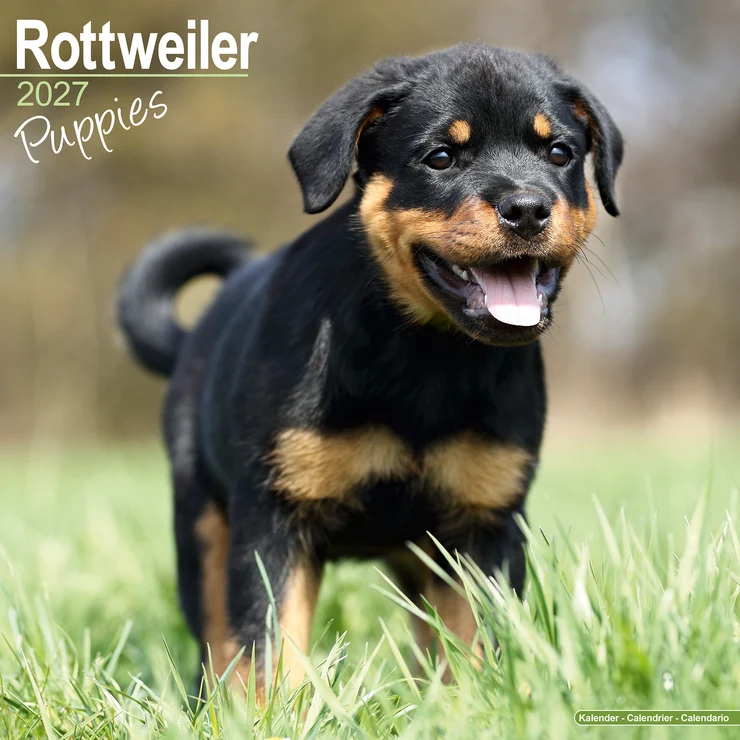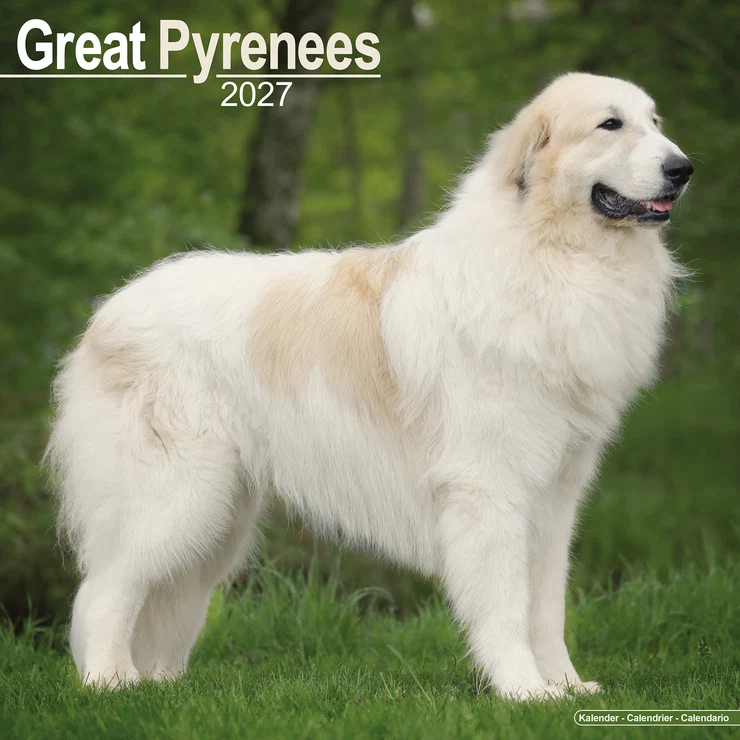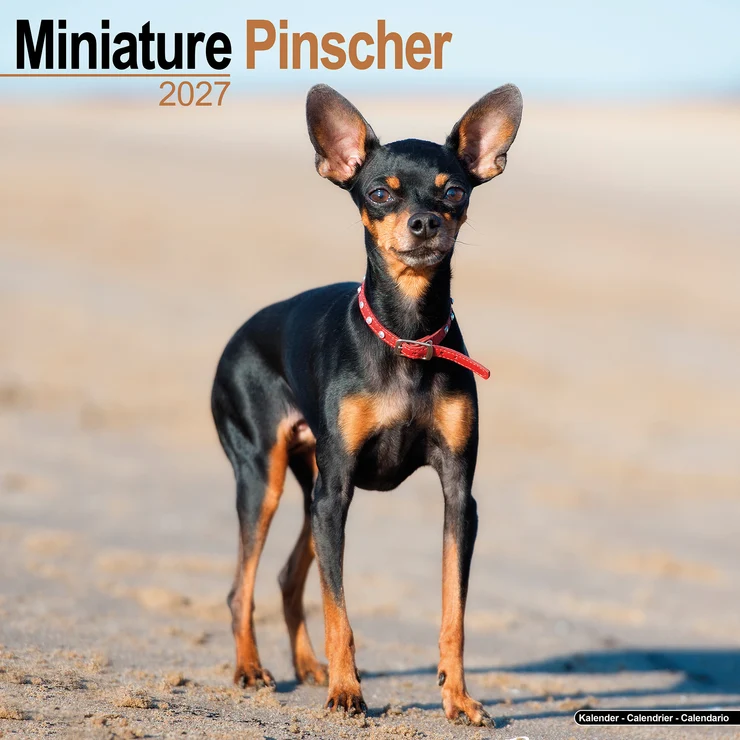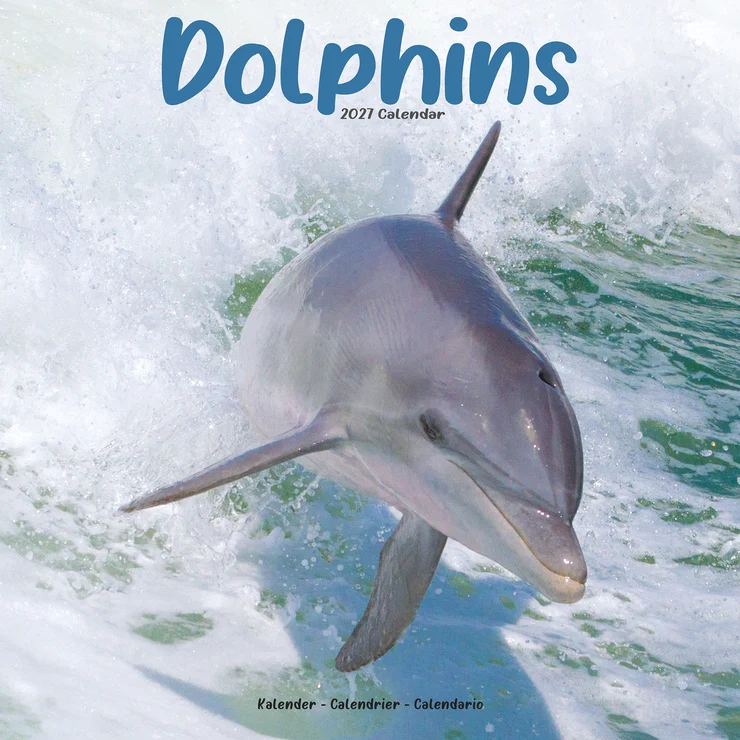
Annual calendar with 13 photographs
one picture per month + cover picture
Format closed approx. 30.5 × 30.5 cm Format unfolded on the wall: approx. 61 × 30.5 cm
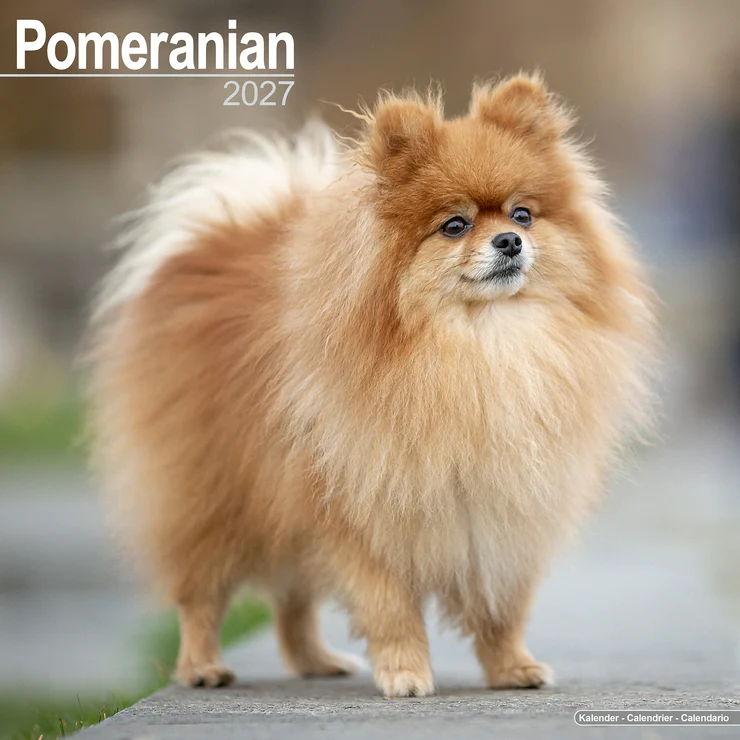
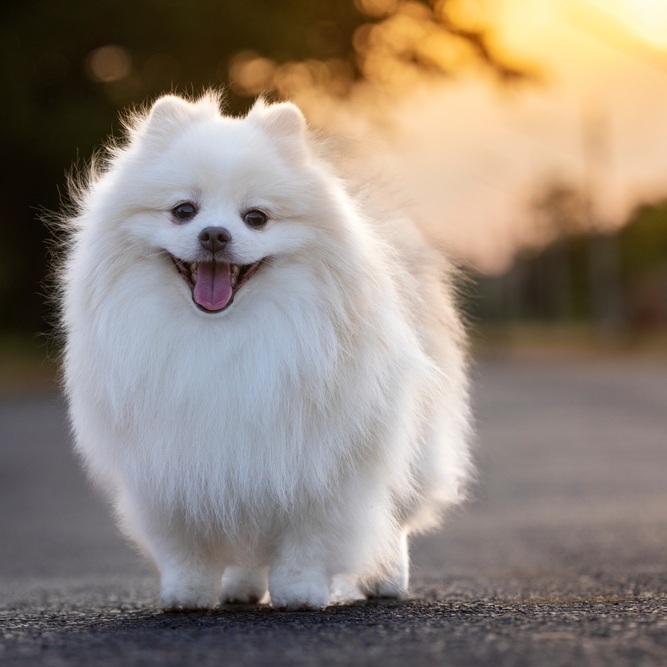
FCI standard no.: 97 Patronage: GermanyFCI classification: Group 5: Spitz and Primitive type dogsSection 4: European Spitz
Annual calendar with 13 photographs
one picture per month + cover picture
Format closed approx. 30.5 × 30.5 cm Format unfolded on the wall: approx. 61 × 30.5 cm
Annual calendar with 13 photographs
one picture per month + cover picture
Format closed approx. 30.5 × 30.5 cm Format unfolded on the wall: approx. 61 × 30.5 cm
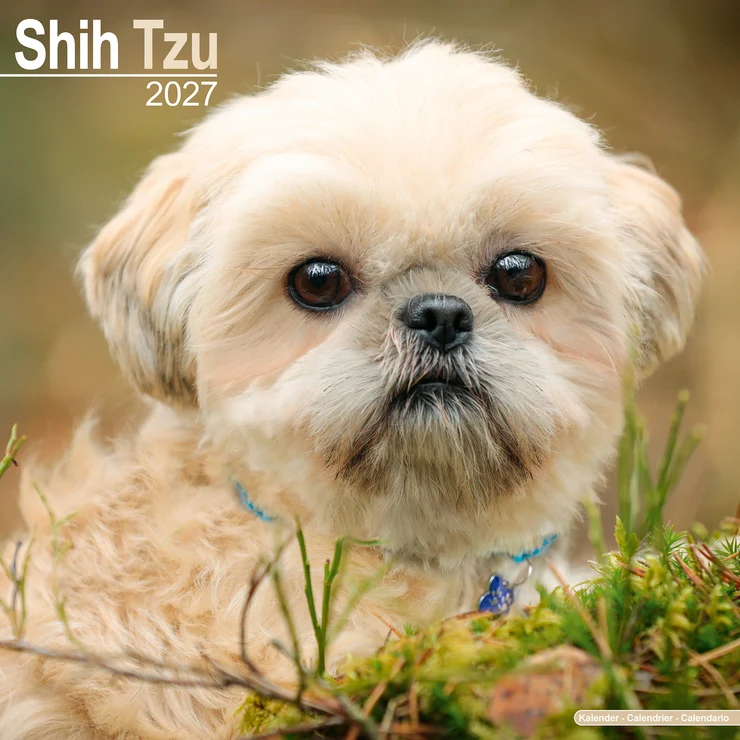
FCI standard no.: 208Patronage: United Kingdom - Origin: TibetFCI classification: Group 9: Companion and companion dogsSection 5: Tibetan dog breeds
Annual calendar with 13 photographs
one picture per month + cover picture
Format closed approx. 30.5 × 30.5 cm Format unfolded on the wall: approx. 61 × 30.5 cm
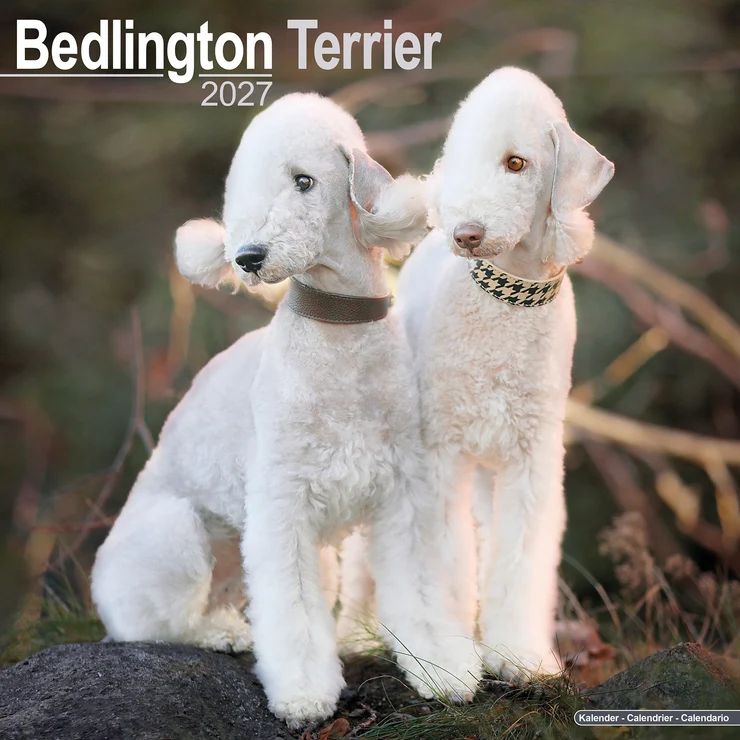
FCI standard no.: 9Origin: Great Britain FCI classification: Group 3: TerriersSection 1: High-legged Terriers
Annual calendar with 13 photographs
one picture per month + cover picture
Format closed approx. 30.5 × 30.5 cm Format unfolded on the wall: approx. 61 × 30.5 cm
FCI standard no.: 9Origin: Great Britain FCI classification: Group 3 TerriersSection 1: High-legged terriers, without working test Bedlington Terrier - also called Rothbury Terrier
Annual calendar with 13 photographs
one picture per month + cover picture
Format closed approx. 30.5 × 30.5 cm Format unfolded on the wall: approx. 61 × 30.5 cm
FCI standard no.: 137 Patronage: FranceFCI classification: Group 2: Pinschers and Schnauzers - Molossoids - Swiss Mountain DogsSection 2: Molossoids, Mountain Dogs
Annual calendar with 13 photographs
one picture per month + cover picture
Format closed approx. 30.5 × 30.5 cmFormat unfolded on the wall: approx. 61 × 30.5 cm
FCI standard no.: 185 Patronage: GermanyFCI classification: Group 2: Pinscher and Schnauzer - Molossoid - Swiss Mountain and Cattle DogsSection 1: Pinscher and Schnauzer, without working testAlso known as Rehpinscher, Minpin, Minidobermann, Rehrattler
Annual calendar with 13 photographs
one picture per month + cover picture
Format closed approx. 30.5 × 30.5 cm Format unfolded on the wall: approx. 61 × 30.5 cm
Annual calendar with 13 photographs
one picture per month + cover picture
Format closed approx. 30.5 × 30.5 cm Format unfolded on the wall: approx. 61 × 30.5 cm
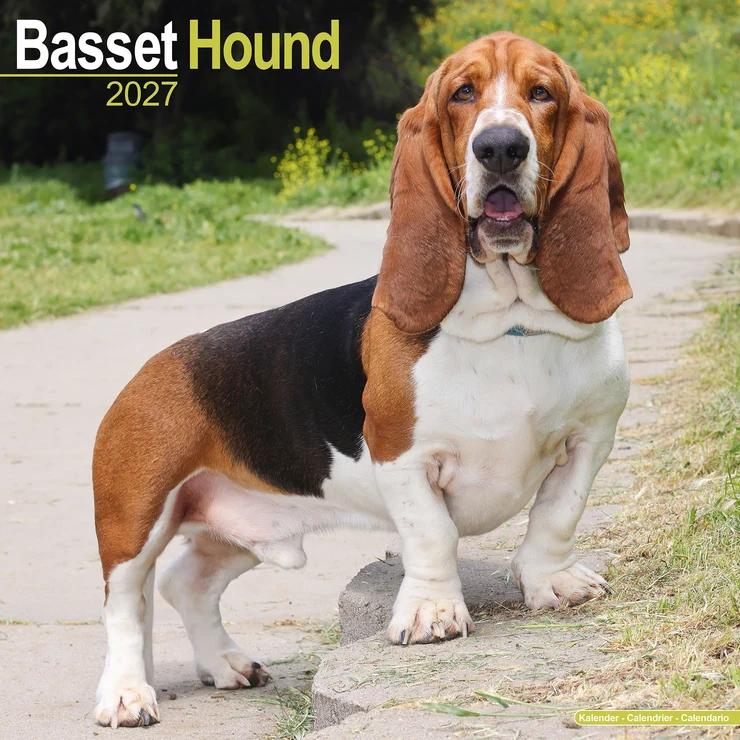
FCI Standard No.: 163 Patronage: Great Britain FCI Classification: Group 6: Running dogs, Sweat hounds and related breedsSection 1: Running dogs, with working testalso known as Basset hounds
Annual calendar with 13 photographs
one picture per month + cover picture
Format closed approx. 30.5 × 30.5 cmFormat unfolded on the wall: approx. 61 × 30.5 cm
Annual calendar with 13 photographs
one picture per month + cover picture
Format closed approx. 30.5 × 30.5 cm Format unfolded on the wall: approx. 61 × 30.5 cm
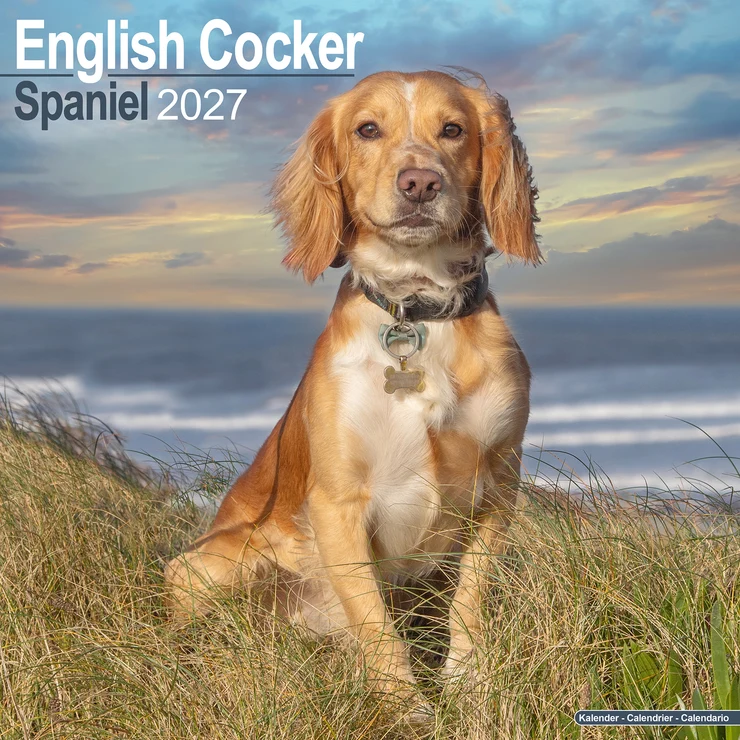
FCI Standard No.: 167Patronage: USAFCI Classification: Group 8: Retrieving Dogs - Searching Dogs - Water DogsSection 2: Searching Dogs, without working testThe US Cocker was bred from the English Cocker Spaniel.
Annual calendar with 13 photographs
one picture per month + cover picture
Format closed approx. 30.5 × 30.5 cm Format unfolded on the wall: approx. 61 × 30.5 cm
Annual calendar featuring 13 photographs
One image per month + cover image
Dimensions when closed: approx. 30.5 × 30.5 cm Dimensions when unfolded on the wall: approx. 61 × 30.5 cm
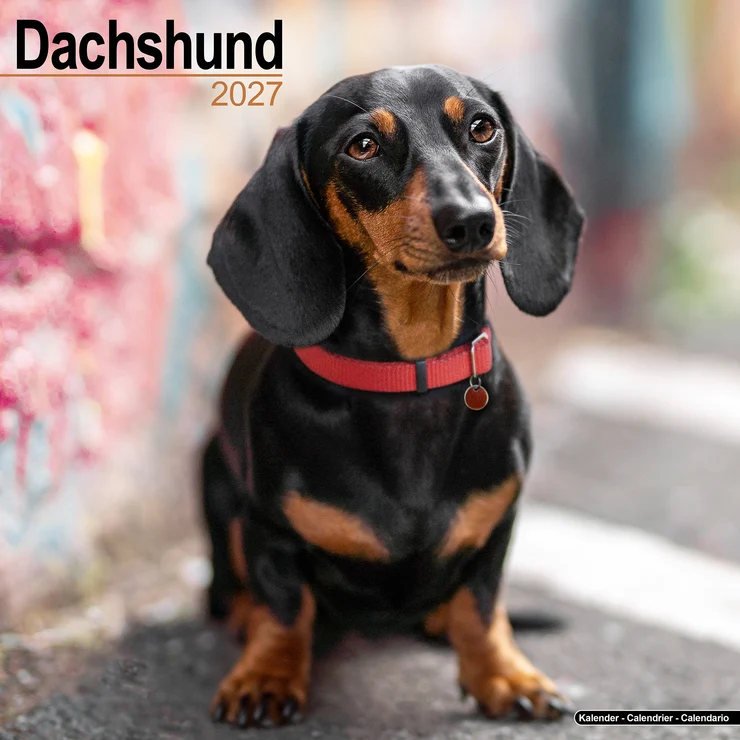
FCI Standard No.: 148 Patronage: GermanyFCI classification: Group 1: DachshundsSection 1: Dachshunds, with working trial
The PekingeseHistory of the Scottish TerrierThe Pekingese originates from China and is one of the old Asian social dogs. Long before our era, there were depictions of small dogs that resembled today's Pekingese. In China, the breed was closely associated with the imperial court and later became popular in Europe. Great Britain strongly influenced its further development and is listed as a patron country by the FCIAppearanceBody shape: The Pekingese is small, compact and surprisingly heavy for its size. Typical features include a broad, rather flat head, a short muzzle, large dark eyes and an overall lion-like expression. Despite its small size, it should appear dignified, robust and not dainty. Coat: The coat is of medium length, straight and very abundant, without completely covering the body. Particularly striking are the mane around the neck and shoulders, as well as the feathering on the ears, legs, tail and toes. The wide range of acceptable colours makes the breed visually quite versatile. Nature/characterThe Pekingese is considered courageous, self-confident, dignified and often quite independent. It is usually closely bonded to its carers, but is often more reserved than impetuous towards strangers. Its large presence in a small space is typical. It often appears more serious and independent than many other small companion dogs. This character assessment is a technical derivation from the breed type, standard and breed description.GroomingGrooming is time-consuming and requires regularity. The long coat should be brushed and combed thoroughly to prevent matting. Eyes, skin folds, ears, claws and teeth should also be checked regularly. Careful grooming is particularly important in the facial area. This practical grooming assessment is a professional deduction from the coat type and body structure. HealthHealth is particularly important for the Pekingese. The short head shape can be associated with breathing problems, sensitivity to heat and other everyday stresses. The eyes, skin folds and spine also deserve attention. This is why very responsible breeding with a view to functionality and resilience is particularly important. EducationThe Pekingese needs friendly, clear and consistent leadership. It is intelligent, but often also wilful and not simply pleasing. Therefore, despite its small size, it should be taken seriously and given reliable rules. With early socialisation and calm consistency, he usually develops into a pleasant companion dog. What are the special features of this breed?What is special about this breed is the combination of its lion-like appearance, old imperial court history and very self-confident demeanour. The Pekinese is not a typical submissive small dog, but often a dignified, courageous and independent companion. It is precisely this mixture of small size and big personality that makes him so special. Suitable for first-time dog owners?Conditional. A calm and well-informed first-time dog owner can get on well with a Pekingese. However, the breed is not completely uncomplicated because it can be independent, high-maintenance and more demanding in terms of health than many other small dogs.Family dog or not?Conditionally yes. The Pekingese can be a good family dog if its independence is respected and it is treated with consideration. It is often particularly well suited to quiet households. It is usually less comfortable in very turbulent families or with boisterous behaviour.