Collared lizards

Article no: 978-3-937285-15-3

CHF 21.90

Stock: 0

Ready for dispatch in 1-3 days, delivery time 14 working days

Delivery between Monday, 13 July and Tuesday, 14 July
Zahlungsarten
Product information "Collared lizards"

All about collared lizards from Jürgen Lipfert

  • 64 Seiten
  • 14,8 x 21 cm
  • 45 Farbfotos
  • 3. Auflage
  • Autor Jürgen Lipfert
  • Verlag NTV

Inhalt:

Die munteren Halsbandleguane fesseln jeden Echsenfreund auf den ersten Blick. Ihre leuchtend bunte Färbung und das agile Wesen kommen dem Wunsch des Tierfreunds entgegen, attraktive, muntere Tiere zu pflegen.
Jürgen Lipfert hält diese Echsen seit Jahren und zieht sie regelmässig nach. Aus seinem reichen Erfahrungsschatz berichtet er über die artgerechte Pflege der Tiere und zeigt Ihnen, wie Sie Ihre Halsbandleguane erfolgreich vermehren und die Jungen aufziehen können.

  • Systematik und Körperbau
  • Die faszinierende Biologie: Aus dem Leben der Halsbandleguane
  • Alle Informationen zur artgerechten Haltung: Vom geeigneten Terrarium über Einrichtung und Technik bis hin zur Fütterung
  • Erfolgreich nachzüchten: Paarungsstimulation, Inkubation der Eier und Aufzucht der Jungtiere
  • Problemlösungen: Wie man die häufigsten Fehler bei der Pflege vermeidet, und wie man kranken Tieren helfen kann
  • Brillante Fotos


Composition
Feeding recommendation
Technical details
Size information

0 of 0 reviews

Give us a rating!

Share your experience with the product with other customers.


Suggested products

Handbook of food plants for tortoises and other reptiles
Handbook of forage plants 2nd revised editionMarion Minch is not only a successful breeder of diverse tortoises for many years, but also an excellent connoisseur of native wild herbs. She founded and runs samenkiste.de, which is well known to many tortoise keepers and nature lovers. Her name is inextricably linked with reptile care and species-appropriate nutrition for tortoises. Her handbook of food plants summarises the most important native food plants for herbivorous and omnivorous reptiles. She not only considers tortoises, but also iguanas, spiny-tailed dragons and even chameleons. From the basics of plant biology to native wild herbs to suitable food plants for hardy tropical reptile species, this comprehensive work provides the basis for species-appropriate keeping. In the expanded and supplemented 2nd edition, the plant section is divided according to flower colour. This makes it even easier to identify wild herbs. The work has also been supplemented with a wealth of additional information and many pictures.

CHF 46.50

Geckos
Geckos in the terrarium by Astrid FalkThe book offers a comprehensive introduction to geckos and their species-appropriate keeping in terrariums. It explains what you need to think about before buying a gecko and what preparations should be made. The book describes in detail how the terrarium is technically equipped and set up. The care of the animals, their special features and behaviour, their diet, reproduction and rearing of young animals are described, as well as diseases and husbandry problems with tried and tested suggestions for prevention and treatment. Individual gecko species that are particularly suitable for keeping and breeding in terrariums are portrayed in detail in the second part of the book.

CHF 28.50

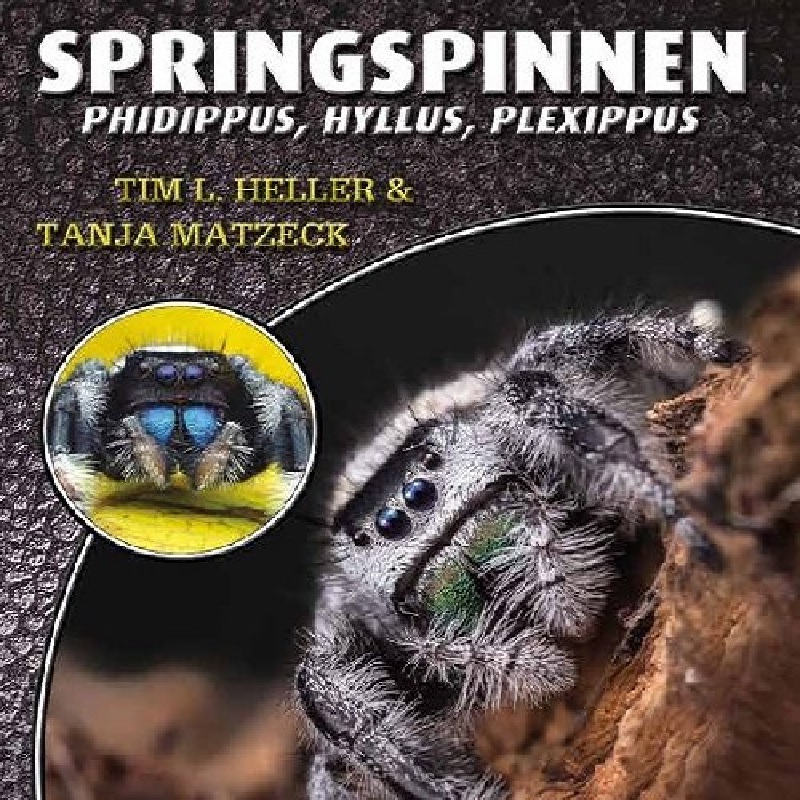
Jumping spiders Phidippus, Hyllus, Plexippus
Book Jumping Spiders - Phidippus, Hyllus & Plexippus A guide to keeping jumping spiders of the genera Phidippus, Hyllus & Plexippus. Who can resist the charm of jumping spiders? The childlike appearance of their expressive face simply leaves no one cold! In addition, their behavior is extremely exciting to observe, their colors are bright and their requirements for species-appropriate keeping are very easy to meet. No wonder these likeable jumpers are all the rage! This volume in the "Species by Species" series describes in detail what to look out for when buying and keeping them, introduces the most commonly kept species and color forms and provides plenty of tips on how to keep them successfully - so you can be sure they will breed well! Species by Species introduces you to the books in this series, which present the most popular terrarium animals. Each volume offers you detailed, practical care instructions and all the information you need to successfully breed your animals. All important questions from the required tank size to terrarium set-up, technical equipment, species-appropriate nutrition and disease prevention are answered with numerous tricks and tips. Experienced, long-standing breeders reveal how you can encourage the animals to reproduce and raise healthy young. All this in full color, generously illustrated and attractively designed - just about your terrarium animal - species by species

CHF 23.90

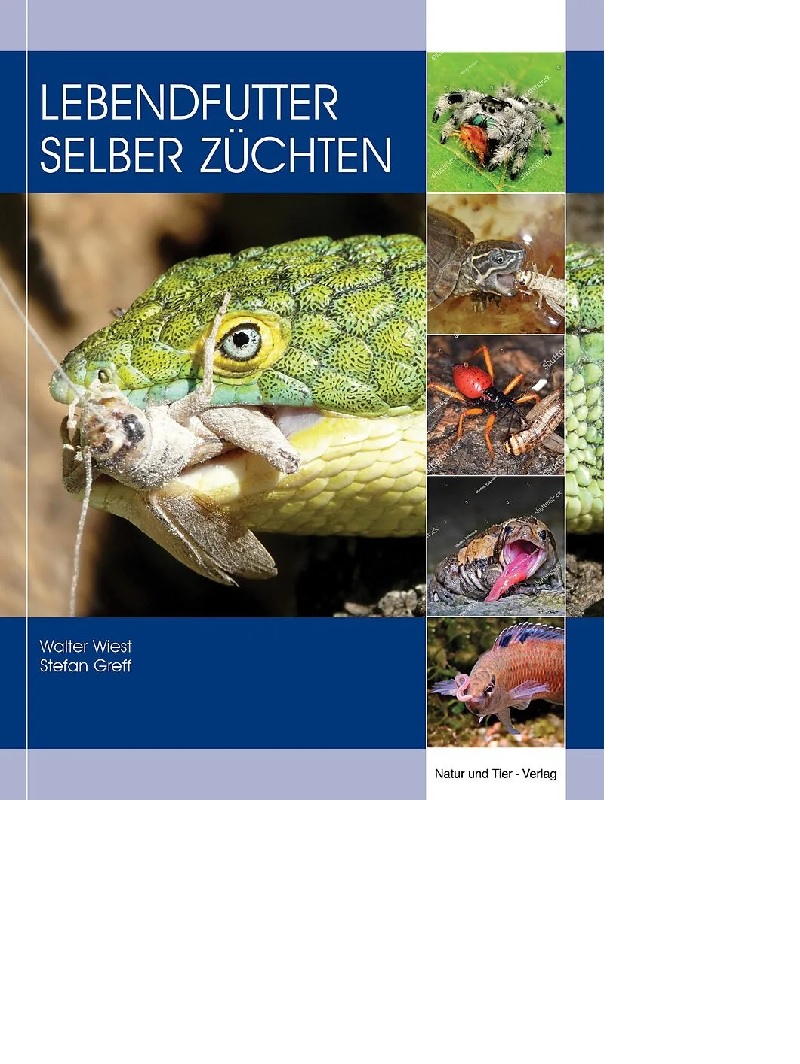
Book Breeding live food yourself
Book "Grow your own live food" - The perfect guide for pet owners Discover practical and detailed instructions on how you can easily breed food for your reptiles, birds, fish or other animals yourself in the book "Breeding live food yourself". With valuable tips on various food insects, their care and breeding, you can save money and ensure a species-appropriate diet for your pets. Contents of the book: Step-by-step instructions for breeding feeder insects Information on the best types of food for reptiles, birds and fish Care instructions and breeding conditions for various live food species Tips for sustainable and cost-effective food production Why breed your own live food? Get healthy, fresh food for your animals Save money and reduce dependence on pet shops Promote the health and well-being of your animals with species-appropriate food Whether you are a beginner or an experienced pet owner, this book provides you with everything you need to successfully breed live food yourself.

CHF 46.50

Marginata 69 - New Guinea tortoises
Marginata 69 - New Guinea tortoises – the genus ElseyaCover storyThe unrecognised beauties: New Guinea tortoises (Andreas S. Hennig)My experiences with Branderhorst's New Guinea tortoise, Elseya (Elseya) branderhorsti (Ouwens, 1914) (Andreas S. Hennig)Keeping and breeding of Rhodin's New Guinea tortoise, Elseya (Hanwarachelys) rhodini Thomson, Amepou, Anamiato & Georges, 2015 (Andreas S. Hennig)PortraitGeoemyda spengleri, Chinese serrated tortoise (Andreas S. Hennig)ReportageMacrochelys temminckii – Experiences and impressions with vulture tortoises part 2 (Reiner Praschag)KeepingAn alternative to year-round keeping of the Egyptian tortoise in the terrarium – my experiences with seasonal outdoor keeping of Testudo kleinmanni (Ricarda Schramm)EtymologySawbacks and living maps part 4: Graptemys gibbonsi, Pascagoula humpback tortoise (Holger Vetter)Classifieds & animal placement

CHF 16.50

Marginata No. 31 - Moorish pond turtles in Morocco
Marginata No. 31 - Moorish pond turtles in Morocco Zucht der Madagassischen Strahlenschildkröte, Teil 3Zucht von Kinosternon cruentatumSchildkröten im Unterricht Inhalt: EditorialMagazinTermineREPORTAGEDie Maurische Bachschildkröte, Mauremys leprosa (Schweiger, 1812) in MarokkoMario SchweigerHALTUNG UND NACHZUCHTWiederholte Nachzucht der Madagassischen Strahlenschildkröte (Astrochelys radiata) im Zoo RotterdamHenk ZwartepoortePOSTER Die Namibische Bushmanland-Zeltschildkröte, Psammobates tentorius verroxi Hans - Dieter PhilippenHALTUNG UND ZUCHTHaltung und Nachzucht der Madagassischen Strahlenschildkröte Teil 3Michael Wirth und Peter FritzHALTUNG UND ZUCHT Pflege und Vermehrung der Rotwangen-Klappschildkröte, Kinosternon scorpioides cruentatumSebastian NicklREPORTAGEZeitgemäßer Umgang mit „Problemschildkröten“ – Verwahrung, Euthanasie oder gar Nutzung zur Arterhaltung?Tobias Friz, Markus Baur & Rudolf W. HoffmannREPORTAGEBilder einer Ausstellung – Schildkröten einmal anders. Ungewöhnliche Ausstellung im HochharzHans - Dieter PhilippenBuchtippKleinanzeigenAbo & ServiceRegionalführer  

CHF 16.50

Terraria No. 26 - Snakes of South America
Terraria No. 26 - Snakes of South America Peru-BuntleguanTheloderma leporosum > Inhalt: Südamerika ist Heimat einer überwältigenden Vielfalt an Schlangen. Einige davon zählen zu den begehrtesten, aber auch geheimnisvollsten Terrarienpfleglingen überhaupt, allen voran die Grünen Hundskopfschlinger der Gattung Corallus. Über sie berichtet einer der profiliertesten Züchter dieser faszinierenden Tiere, Harald Quirmbach. Weitere Einblicke in die reiche Schlangenfauna des Kontinents bietet Experte Christian Neumann, und TERRARIA-Redakteur Kriton Kunz porträtiert die Gattung Xenodon, zu der mit der bis vor kurzem als Lystrophis pulcher geführten Südamerikanischen Hakennasennatter einer der aktuellen Shootingstars der Terraristik gehört. EditorialMagazinGondwanaland – ein zukunftsweisendes Projekt im Zoo Leipzig. Teil 2: Bepflanzung und BaufortschritAndreas S. Hennig Neue Taxonomie für Gefleckte WalzenskinkeUwe Schlüter 15 Jahre HammKritón Kunz Erstimport des Pazifischen Schmuckhornfroschs, Ceratophrys stolzmanniKriton Kunz Rechtliches, Fehlende Sachkunde: Gewerbsmäßige Zucht und Handel mit Tieren können untersagt werden!Dietrich Rössel Mäuse-Bombardement gegen Braune NachtbaumnatterKriton Kunz „Most Wanted“ – die Suche nach 100 verschwundenen AmphibienartenAxel Kwet TERRAglobalIm Zauberwald der Anden Maik Dobiey TitelthemaVon Froschfressern und Schlangenjägern – Biogeografie und Anpassung südamerikanischer Schlangen Christian Neumann Die Königinnen Südamerikas: Corallus batesii und Corallus caninus Harald Quirmbach Südamerikanische Hakennasennattern und ihre Verwandten Kriton Kunz Erstnachzucht des Moosfroschs Theloderma leporosum Alexei A. Evsyunin, Sergei A. Ryabov & Kriton Kunz Der Peruanische Buntleguan, Polychrus peruvianus (Noble, 1924) Uwe Schlüter Zoropsis spinimana im Terrarium Reinhard Hübers Reise Die Herpetofauna auf Samos – außergewöhnliche Artenvielfalt auf einer InselHans-Jürgen Luef Neue ArtenWinzling in KannenpflanzenAxel Kwet Neue Blindschleichen in EuropaAxel Kwet Unter Forschern Herpetologie im Untergrund: globale Feldforschungen an Blindwühlen Alexander Kupfer Blickfang Von Halbaffen, Pfeilgiftfröschen und Geckos. Zu Gast bei Ute Thut und Dennis Peukert Teil 2Michael Wirth In Ihrer NäheAbo & ServiceVorschau Brutkasten Nächte mit Charlene Ludger Hogeback

CHF 12.00

Draco 62 - Succulents as terrarium planting
Draco 62 - Succulents as terrarium plants Contents: Editorial Succulents – survival artists in arid regionsBeat Akeret Reptiles and succulentsBeat Akeret  Succulents as terrarium plantsBeat Akeret Succulents in the dry terrariums in the Wilhelma Zoological and Botanical Gardens, StuttgartJoscha Schulz & Björn Schäfer Aloes, pachypodiums, euphorbias and orchids - dry habitats in the south-central highlands of MadagascarMoritz Grubenmann Pointed tongues from Central Gondwana – Sansevierias as terrarium plantsBeat Akeret  Planting an outdoor terrarium for toad lizards Joschka Schulz  Succulent plant sources and associationsBeat Akeret

CHF 32.00

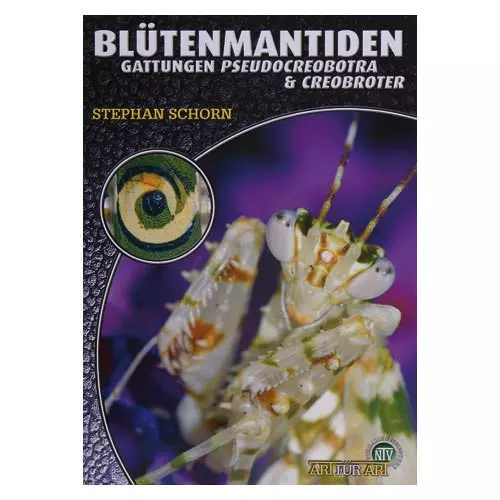
Flower mantids
Everything you need to know about keeping and caring for flower mantids 64 pages numerous colour photos Paperback 2nd edition Author Stephan Schorn Publisher NTV Contents: Classification Physique Anatomy and sensory organs Description Habitat Lifestyle Moulting Taxidermy Keeping in the terrarium Selection, purchase and transport The terrarium Terrarium climate Feeding Propagation

CHF 21.90

Reptilia 62 - Gopher tortoises
Reptilia 62 - Gopher tortoises Giant crab spiderAgalychnis moreletiiAmeives Contents: 2 EDITORIAL 3 MAGAZINE 16 DATES 18 WESTERN HERP PERSPECTIVESHerp Art - a sign of maturityBy B. Love 20 PHOTO REPORTAGEThe tortoises of North AmericaAn overview of the genus GopherusBy S. Winchell 28 HERPETOFAUNAGopherus flavomarginatus, the Mexican gopher tortoiseBy R. Gonzáles Trápaga & G. Aguirre León 35 HERPETOFAUNAThe gopher tortoise (Gopherus polyphemus) – a civil engineerBy H. R. Mushinsky & E. D. McCoy 41 REPORTAGEScrew trees (Pandanaceae) as microhabitats for reptiles and amphibians in MadagascarBy P.-S. Gehring 43 TRAVELHerpetological excursion to YbbstalBy S. Fallend 51 PORTRAIT AND POSTERRhacophorus pardalisBy M. Gaulke 56 PRACTICEThe diet of ameives and monitor tegus inthe wild and in captivityBy U. Schlüter 63 KEEPING AND BREEDINGKeeping and breeding of Morelet’s leaffrog, Agalychnis moreletii (Duméril, 1853)By T. Eisenberg 72 PRACTICE North American aquatic turtles in the outdoor terrarium Part 3: Description of an outdoor enclosure for the seasonal keeping of North American aquatic turtlesBy A. S. Hennig & D. Symanski 76 KEEPING AND BREEDINGEight-eyed hunters of the nightBrief remarks on the keeping and breeding of Heteropoda venatoria and Holconia sp.By K. Kunz 86 FAQ - FREQUENTLY ASKED QUESTIONSQuestions about purchasing and keeping snakesBy D. Schmidt 92 TERRARIUM EXHIBITSParque "Reptilandia" near Dominical, Costa RicaBy T. Eisenberg 95 LIBRARY 104 INCUBATORHigh mountain hallucinationsBy H. Werning

CHF 11.20

Reptilia 15 - Mantella
Reptilia 15 - MantellaBlack-headed dwarf snakeLong-tailed lizardSri LankaContents:Page 2 - EditorialPage 3 - MagazinePage 5 - Report: Can the turtles of Asia still be saved? by E. MeierPage 16 - DatesPage 18 - Western Herp Pespectives: First contact with Baja, by B. LovePage 20 - Photo report: MantellaPage 26 - Herpetofauna: Mantella - Interesting poison frogs from Madagascar, by K. SchmidtPage 35 - Report: Protection of Madagascan colour poison frogs and their habitats, by H. ZimmermannPage 40 - Travel report: In the dry zone of Sri Lanka, by Dr M. GaulkePage 47 - Portrait and poster: Tylototriton verrucosus, by M. Aresté and J. L. FarriolsPage 51 - Keeping and breeding: The South China long-tailed lizard, by U. SchlüterPage 55 - Keeping and breeding: Rhoptropus barnardi - a day gecko from Namibia, by Dr M. MeyerPage 60 - Report: Cockroaches (Blattoptera) - Rulers of the world? by A. HauschildPage 64 - Keeping and breeding: Observations on the black-headed dwarf snake Rhynchocalamus m. melanocephalus (Jan, 1862), by H. EsterbauerPage 69 - Report: King cobra bite with consequences, by T. Ziegler, H. X. Quang and N. Ba TrinhPage 74 - Herpetology and culture: The snake in Celtic mythology, part 2, by L. Batista Carissimi-PrioriPage 81 - Reptilia on the road: The vivarium at Chemnitz Zoo, by A. S. HennigPage 88 - Advice and actionPage 91 - LibraryPage 96 - Incubator: 5,995 characters Resentment

CHF 9.80

Marginata 26 - Eastern Mediterranean Turtle
Marginata 26 - Eastern Mediterranean Turtle AestivationHanoi giant softshell turtleIranian turtles: Part 1 Contents: EDITORIALMAGAZINEDATES REPORTAGEThe Eastern Mediterranean pond turtle (Mauremys rivulata) – a little-known marsh turtleHans-Dieter Philippen REPORTAGEOverview of Mauremys rivulata in TurkeyDincer Ayaz REPORTAGENotes on the Eastern Mediterranean pond turtle (Mauremys rivulata) on CorfuAlexander Pieh & Nicole Braitmayer POSTERThe Gopher Tortoise (Gopherus polyphemus)Hans-Dieter Philippen REPORTAGESustainable restoration of Hoan Kiem Lake in Hanoi to protect Rafetus swinhoeiCelia Hahn, Torsten Schulze, Dang Thuy Linh, Tran Thi Nguyet and Peter Werner BREEDINGThe smallest Southeast Asian hinged tortoise (Cuora amboinensis)Sabine Schoppe REPORTAGEPhysiology of resting phases in reptiles, especially turtles. Part 2: Dry rest (aestivation) – a literature reviewMarkus Baur & Tobias Friz REPORTAGEObservations of freshwater turtles in Iran. Part 1:Emys orbicularisMarkus Auer & Mario Herz BOOK TIPSMALL ADSSUBSCRIPTION & SERVICEREGIONAL GUIDE

CHF 16.50