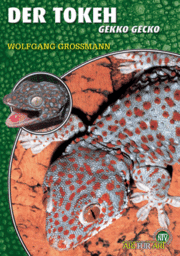

The Tokeh

Article no: 978-3-937285-31-3

CHF 21.90

Stock: 0

Ready for dispatch in 1-3 days, delivery time 14 working days

Delivery between Tuesday, 3 November and Wednesday, 4 November
Zahlungsarten
Product information "The Tokeh"

All about the Tokeh by Wolfgang Grossmann

  • 64 pages
  • Format: 14.8 x 21 cm
  • numerous colour photos
  • Paperback
  • Author Wolfgang Grossmann

Contents:

The size and strength of tokehs are impressive, as is the enormous defence capability of these geckos. Even after many years of care, specimens of both sexes do not completely shed their primitiveness and ferocity. Their sometimes very attractive colouring makes many other lizards pale in comparison.
Tokehs are not beginner lizards, but present the keeper with challenges!
In order to keep and breed them for many years, you need to fulfil a few but important basic requirements, which author Wolfgang Grossmann explains in detail and in an easy-to-understand manner in this volume of the "Species by Species" series.

  • Systematics and body structure
  • The fascinating biology: From the life of the Tokeh
  • All information on species-appropriate keeping: from suitable terrariums to equipment and technology to feeding
  • Successful breeding: Mating stimulation, incubation of the eggs and rearing the young
  • Solutions to problems: How to avoid the most common mistakes in care and how to help sick animals
  • Brilliant photos
Composition
Feeding recommendation
Technical details
Size information

0 of 0 reviews

Give us a rating!

Share your experience with the product with other customers.


Suggested products

Handbook of food plants for tortoises and other reptiles
Handbook of forage plants 2nd revised editionMarion Minch is not only a successful breeder of diverse tortoises for many years, but also an excellent connoisseur of native wild herbs. She founded and runs samenkiste.de, which is well known to many tortoise keepers and nature lovers. Her name is inextricably linked with reptile care and species-appropriate nutrition for tortoises. Her handbook of food plants summarises the most important native food plants for herbivorous and omnivorous reptiles. She not only considers tortoises, but also iguanas, spiny-tailed dragons and even chameleons. From the basics of plant biology to native wild herbs to suitable food plants for hardy tropical reptile species, this comprehensive work provides the basis for species-appropriate keeping. In the expanded and supplemented 2nd edition, the plant section is divided according to flower colour. This makes it even easier to identify wild herbs. The work has also been supplemented with a wealth of additional information and many pictures.

CHF 46.50

Geckos
Geckos in the terrarium by Astrid FalkThe book offers a comprehensive introduction to geckos and their species-appropriate keeping in terrariums. It explains what you need to think about before buying a gecko and what preparations should be made. The book describes in detail how the terrarium is technically equipped and set up. The care of the animals, their special features and behaviour, their diet, reproduction and rearing of young animals are described, as well as diseases and husbandry problems with tried and tested suggestions for prevention and treatment. Individual gecko species that are particularly suitable for keeping and breeding in terrariums are portrayed in detail in the second part of the book.

CHF 28.50

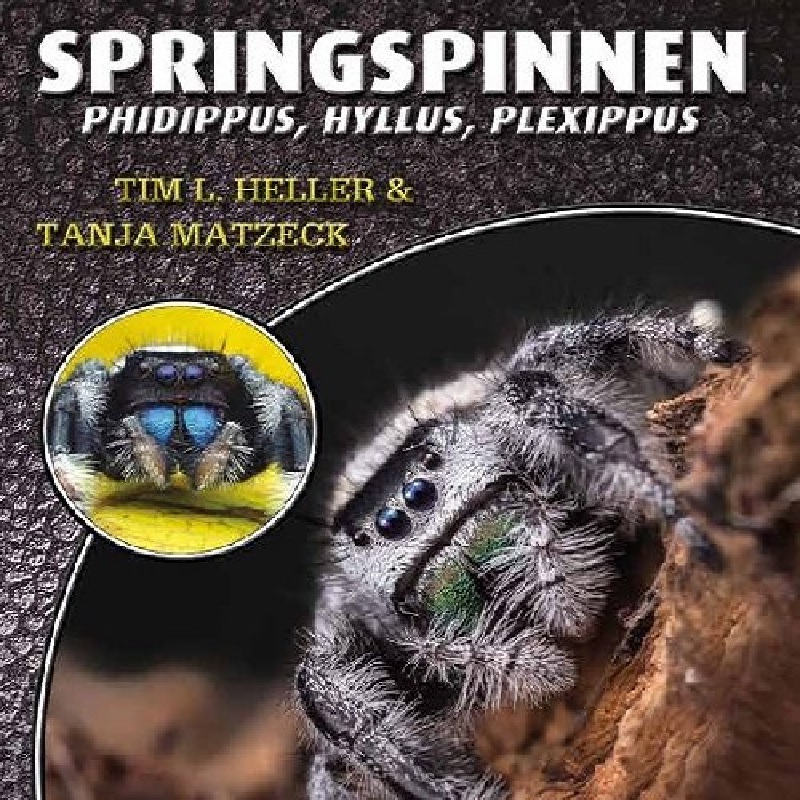
Jumping spiders Phidippus, Hyllus, Plexippus
Book Jumping Spiders - Phidippus, Hyllus & Plexippus A guide to keeping jumping spiders of the genera Phidippus, Hyllus & Plexippus. Who can resist the charm of jumping spiders? The childlike appearance of their expressive face simply leaves no one cold! In addition, their behavior is extremely exciting to observe, their colors are bright and their requirements for species-appropriate keeping are very easy to meet. No wonder these likeable jumpers are all the rage! This volume in the "Species by Species" series describes in detail what to look out for when buying and keeping them, introduces the most commonly kept species and color forms and provides plenty of tips on how to keep them successfully - so you can be sure they will breed well! Species by Species introduces you to the books in this series, which present the most popular terrarium animals. Each volume offers you detailed, practical care instructions and all the information you need to successfully breed your animals. All important questions from the required tank size to terrarium set-up, technical equipment, species-appropriate nutrition and disease prevention are answered with numerous tricks and tips. Experienced, long-standing breeders reveal how you can encourage the animals to reproduce and raise healthy young. All this in full color, generously illustrated and attractively designed - just about your terrarium animal - species by species

CHF 23.90

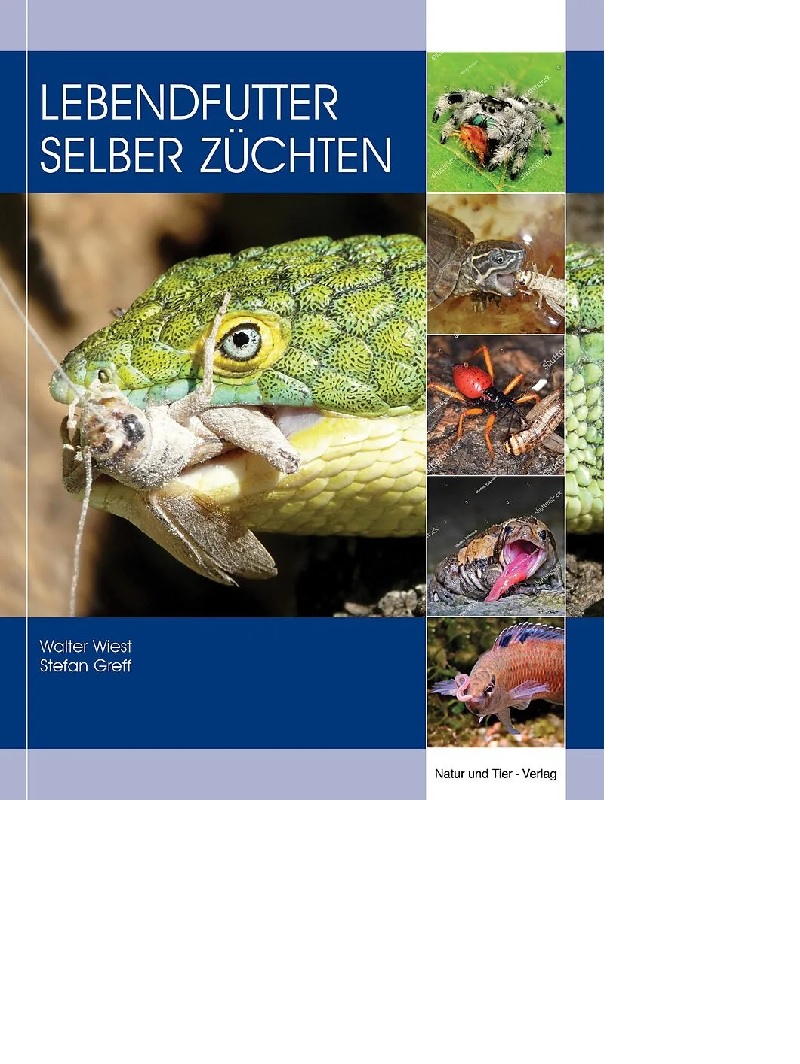
Book Breeding live food yourself
Book "Grow your own live food" - The perfect guide for pet owners Discover practical and detailed instructions on how you can easily breed food for your reptiles, birds, fish or other animals yourself in the book "Breeding live food yourself". With valuable tips on various food insects, their care and breeding, you can save money and ensure a species-appropriate diet for your pets. Contents of the book: Step-by-step instructions for breeding feeder insects Information on the best types of food for reptiles, birds and fish Care instructions and breeding conditions for various live food species Tips for sustainable and cost-effective food production Why breed your own live food? Get healthy, fresh food for your animals Save money and reduce dependence on pet shops Promote the health and well-being of your animals with species-appropriate food Whether you are a beginner or an experienced pet owner, this book provides you with everything you need to successfully breed live food yourself.

CHF 46.50

Marginata 69 - New Guinea tortoises
Marginata 69 - New Guinea tortoises – the genus ElseyaCover storyThe unrecognised beauties: New Guinea tortoises (Andreas S. Hennig)My experiences with Branderhorst's New Guinea tortoise, Elseya (Elseya) branderhorsti (Ouwens, 1914) (Andreas S. Hennig)Keeping and breeding of Rhodin's New Guinea tortoise, Elseya (Hanwarachelys) rhodini Thomson, Amepou, Anamiato & Georges, 2015 (Andreas S. Hennig)PortraitGeoemyda spengleri, Chinese serrated tortoise (Andreas S. Hennig)ReportageMacrochelys temminckii – Experiences and impressions with vulture tortoises part 2 (Reiner Praschag)KeepingAn alternative to year-round keeping of the Egyptian tortoise in the terrarium – my experiences with seasonal outdoor keeping of Testudo kleinmanni (Ricarda Schramm)EtymologySawbacks and living maps part 4: Graptemys gibbonsi, Pascagoula humpback tortoise (Holger Vetter)Classifieds & animal placement

CHF 16.50

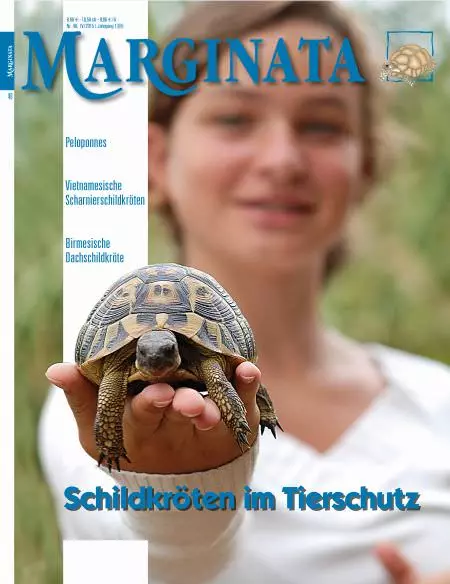
Marginata 48 - Turtles in animal protection
Marginata 48 - Turtles in animal welfarePeloponneseRarities from VietnamEuropean pond turtleTable of contents EditorialMagazineTOPIC"Chelonia" - Germany's largest turtle sanctuaryPatrick BoncourtTOPICSanctuary for tortoises in Stuttgart - a feel-good garden for tortoises Humans and animalsNicole Gehringer & Thomas SchällingTOPICTurtle animal welfare Supersize - the Phoenix Herpetological SocietyHeiko WerningPORTRAITEmys orbicularis (Linnaeus, 1758) European pond turtle, East Mediterranean pond turtleBenny Trapp TRAVELIn search of the "shy beauty" and the "Cave turtles" (2)Torsten Blanck, Sebastian Braun, Timothy McCormack, Hoang Van Ha, Nguyen Tai Thang, Nguyen Van Luc & Minh LeSCIENCETrachemys emolli or T. grayi in Honduras? Alexander GutscheTRAVELMorea - in search of turtles and other reptiles in the West the Peloponnese (2)Axel KwetSubscription & ServiceRegional guide

CHF 16.50

Terraria 57 - Reptiles and amphibians in danger
Terraria 57 - Reptiles and amphibians in danger Breeding rare crocodilesGiant lizards on La Gomera Contents: Cover story: Reptiles and amphibians in danger Reptiles and amphibians are among the most endangered animal groups on the planet. The main reason is that humans are destroying their habitats. But environmental factors that have become unbalanced, diseases, environmental toxins, traffic and hunting are also harming them. Herpetologists and terrarium keepers are fighting a desperate but committed battle against the extinction of many species. We are dedicating this probably most important topic of our field of interest an entire special issue of TERRARIA/elaphe and not only trace the current threat situation, but also present encouraging species conservation projects from scientists, conservationists and terrarium keepers on site, in zoos and in private terrariums. TerritorialHerpetoramaImport ban on salamanders and newts to Switzerland: Why?Cultural followers: Amphibian muralismThorny devil: The gecko beast with the leaf-like flat tailPrivate individuals and zoos protect highly endangered salamanders togetherFirst aid in the wild: Antifungal agent for the Mallorca midwife toad Blattsteiger: Moat 2.0 Cover storyThe biodiversity crisis Amphibians and reptiles in dangerAxel Kwet & Heiko Werning Honeycomb toads from French Guiana.  Observations in the habitat and establishing a conservation breeding projectDavid Massemin & Cédric Libert PanoramaConcern for a small frog. How a project for nose frogs was initiated and continues to growFrank Oberwemmer Research New speciesNewly described, threatened with extinction: the Galápagos giant tortoises of Cerro FatalAxel Kwet Among researchersGreen toads on the island of FehmarnMoritz Ott Current situation and endangerment of Madagascar's amphibiansJörn Köhler, Frank Glaw & Miguel Vences Salamandra Terrarium husbandryPrivate care and breeding of endangered crocodilesAlexander Meurer Nature and species conservation Field notesAquatic turtles with “fur” – observations in GreeceBenny Trapp An unusually coloured Redi viper (Vipera aspis francisciredi) from the Swiss MünstertalJürgen Gebhart The return of the giants from La GomeraSergi Conde Lázaro  Terrarino – the children’s page Cool diversity. Endangered and protectedUte Nüsken & Alexa Sabarth Also in your areaSubscription & ServicePreview Incubator The forest is a villageHeiko Werning

CHF 12.00

Bugs No. 08 - Centipede
Bugs No. 08 - CentipedeCentipedes are on the rise in terraristics! Christian Kronmüller, a specialist in these fascinating animals and author of a book on the subject, presents these many-legged predators in detail in the next issue of Bugs and reveals tips and tricks on how to keep and breed them.Insights into the way of life of invertebrates in nature provide valuable information on species-appropriate husbandry. Our Colombian author Jorge Cañas-Orozco has compiled exciting details and impressive photos of scorpions of the genus Opisthacanthus.During the hot season, wasps and hornets become a nuisance in some places in this country. In Bugs No. 8, we show you what these insects are used for in the Far East - surprises are guaranteed!Cuba is home to an absolutely spectacular arachnid fauna. Michael Seiter takes you on an expedition in search of flagellate spiders, scorpions and more.In addition, of course, a number of other exciting topics are addressed, so that there will be something for fans of various invertebrate groups. Plus practical tips and news from the world of science and much more ...Table of contentsEditorialFacetsDatesCover storyArmoured hunters and gentle parents - centipedes in the terrariumThe top 10 centipedes for beginnersFlown outIn search of arachnids in Cubareportage Opisthacanthus elatus: Observations from ColombiaKids Corner Colourful hummersreportage Beetle breeding made easy: white rotten wood from sustainable mushroom productionCulture Harvest festival in Japanese - Wasps as a delicacy in the Japanese countrysideBook scorpionAlso in your neighbourhoodService & Imprint

CHF 12.00

Marginata 47 - Turtles of Mexico
Marginata 47 - Turtles of Mexico Rarities from VietnamSearching for turtles in the PeloponneseLeatherback turtle EditorialMagazineTOPICThe turtles of MexicoMaik ShieldsTOPICThe pointed-snouted turtle. A small aquatic turtle for the terrarium Maik ShieldsTOPICSalvin's cross-breasted tortoise. An interesting species from MexicoMaik ShieldsTOPICThe Nayarit tortoise in nature and culture Fabio CupulPORTRAITDermochelys coricea Vandelli, 1761. Leatherback turtleKriton KunzTRAVELMorea – in search of turtles and other reptiles in the west of the Peloponnese (1) Axel KwetTRAVELIn search of the "shy beauty" and the "cave turtles" Torsten Blanck, Sebastian Braun, Timothy McCormack, Hoang Van Ha, Nguyen Tai Thang, Nguyen Van Luc & Minh LeSubscription & ServiceRegional guide

CHF 16.50

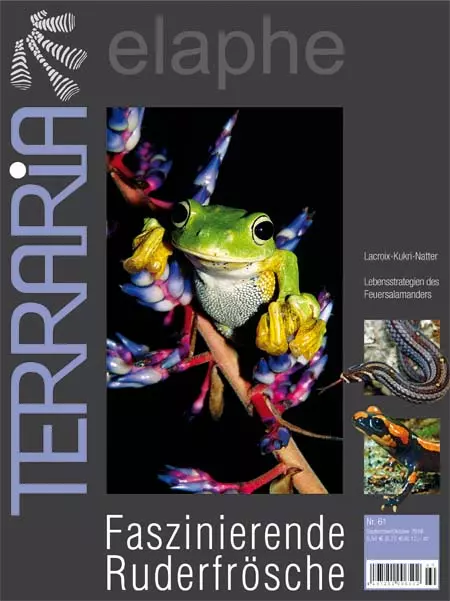
Terraria 61 - Fascinating shrub frogs
Terraria 61 - Fascinating Rowing Frogs Lacroix-Kukri snakeLife strategies of the fire salamander Contents: Cover story: Fascinating Rowing Frogs Rowing frogs have a lot to offer, both in the wild and as terrarium animals: stunningly bright colours, amazing camouflage skills or bizarre shapes, a wide variety of reproductive strategies and other remarkable behaviours, such as the “gliding flight” of certain species or “leg waving”. The famous moss frogs also belong to this group of amphibians. In this issue of TERRARIA/elaphe, we present these fascinating tree dwellers in detail. In addition to reports on the successful keeping and breeding of particularly exciting species, we also bring you up to date on the recently revised systematics of moss frogs – as this has implications for species kept in terraria!

CHF 12.00

Terraria No. 31 - Collared lizards
Nordamerikanische WassernatternAufzucht europäischer Landschildkröten Inhalt: Halsbandleguane gehören schon lange zu den beliebtesten Echsen im Terrarium. Sie sind farbenprächtig, werden sehr zutraulich und können gut vermehrt werden. Aber auch bei diesen scheinbar so bekannten Evergreens der Terraristik gibt es viel Neues zu berichten. So stellen wir nicht nur in Bild und Text einige „exotische“ Crotaphytus-Arten vor, sondern auch spektakuläre Farbformen des Östlichen Halsbandleguans, von denen einige glücklicherweise bei uns inzwischen gehalten werden. Natürlich darf ein ausgiebiger Haltungs- und Nachzuchtbericht zu C. collaris nicht fehlen. Und über neue Erkenntnisse zur Überwinterung berichtet der wohl bekannteste Experte für diese Tiere, Robert Schumacher. EditorialMagazinKennzeichnung von Reptilien durch neuen Mini-Transponder / Verschollene Regenbogenkröte auf Borneo wiederentdeckt / Beobachtungen an Europäischen Chamäleons (Chamaeleo chamaeleon) auf Malta / Gemeinschaftsbaue bei sozialen Skinken / RechtlichesTERRAglobalGiftige SchönheitenMaik Dobiey TitelthemaSympathieträger aus dem Wilden Westen – Halsbandleguane Heiko Werning & Michael WirthClowns im Terrarium – Langjährige Haltung und Nachzucht Östlicher Halsbandleguane, Crotaphytus collaris Michael Wirth & Florian RiedelDurch die Jahreszeiten der Halsbandleguane in Natur und TerrariumYvonne & Robert SchumacherZu Besuch beim Mountainboomer, dem Staatsreptil von Oklahoma Robert SchumacherDas Schildkrötenjahr Freilandbiologie und Haltung europäischer Landschildkröten über den Jahreslauf Teil 4: Spätsommer und HerbstbeginnMichael WirthDie Gattung Nerodia. Wassernattern aus Nordamerika: Lebensweise sowie Haltung und Vermehrung im Terrarium Teil 2Dieter SchmidtSoziale Vogelspinnen? – Teil 2 Beispiele aus Asien und Europa Frank Schneider, Ingo Wendt & Boris F. StrifflerErste Erfahrungen bei der Haltung und Nachzucht des Chinesischen Wasserskinks (Tropidophorus sinicus) Steven ArthNeue ArtenAus eins mach zwei: neue Gopherschildkröte aus der Sonora-Wüste beschrieben Axel KwetAbo & ServiceUnter Forschern Malpelo – lebender Fels im PazifikMatthias JurczykBlickfangSchildkrötenhimmel im Schnäppchenparadies. Zu Gast in der „Villa Testudo“ in Metzingen Michael WirthIn Ihrer Nähe Vorschau BrutkastenTouristisch im Dschungel Teil 1: Reisende soll man nicht ansprechen Heiko Werning  

CHF 12.00

Reptilia 94 - Terrarium photography
  Philippinen-KrokodilCumberland-SchmuckschildkröteHalsbandleguane im Freilandterrarium Inhalt: Die Terraristik bietet eine unendliche Fülle wunderbarer Fotomotive, ein Eldorado für Hobby-Fotografen! Und wohl jeder Halter hat den Wunsch, seine Pfleglinge, seine Nachzuchten und seine Anlage im Bild festzuhalten. Zumal Fotografieren nie einfacher war als heute, wo jedes Telefon die schnelle Aufnahme erlaubt, die dann direkt ins virtuelle Fotoalbum auf Facebook hochgeladen werden kann, wo alle Freunde sie anschauen können.Profi-Fotograf Benny Trapp aber gibt zahlreiche Tipps und Tricks, wie Sie zu Bildern kommen, bei denen garantiert jeder den „Gefällt mir“-Button drückt, ganz gleich, ob Sie mit einer Kompaktkamera oder einer hochwertigen Spiegelreflexkamera arbeiten. EDITORIALMAGAZINTERMINEIN 5 JAHREN UM DIE WELT Menschen und SchildkrötenA. PachmannWESTERN HERP PERSPECTIVESBörsenbesuch down under B. LoveFOTOSTORYBild schön! Fotografie von Terrarientieren K. KunzPRAXISTerrarientiere fotografieren. Einsatz von Licht und Blitz bei SpiegelreflexkamerasB. TrappPRAXISTipps für bessere Bilder mit KompaktkamerasB. TrappHALTUNG UND VERMEHRUNGPhilippinenkrokodile (Crocodylus mindorensis) im Aquarium des Kölner Zoos. Teil 1: Erfahrungen mit „Off-Exhibit“- Haltung einer der am stärksten bedrohten Krokodilarten der Welt T. Ziegler, R. Sommerlad, W. Brass, K. van der Straeten, D. Karbe & A. RauhausHERPETOFAUNAAuf dem Weg ins All. Die Welt der Buchstaben-Schmuckschildkröte, Trachemys scripta Teil 4: Cumberland- und Südtexas-Schmuckschildkröte A. S. HennigWIRBELLOSEDie Isles of Scilly. Ein Paradies nicht nur für Phasmidenfreunde H.-J. LuefHALTUNG UND VERMEHRUNGErfahrungen mit der Haltung von Halsbandleguanen im FreilandterrariumM. DieckmannTIERE UNSERER HEIMATDie AspisviperR. LeptienBIBLIOTHEKTIPPS & TRICKSTESTLAUFABO & SERVICEAUCH IN IHRER NÄHEREISEThe Rock. Die Herpetofauna GibraltarsU. SchlüterVORSCHAUBRUTKASTENIguana chilenaH. Werning  

CHF 12.00