Reptilia 99 - Saving energy in terraristics

Article no: reptilia99

CHF 12.00

Stock: 0

Ready for dispatch in 1-3 days, delivery time 7 working days

Delivery between Friday, 4 December and Monday, 7 December
Zahlungsarten
Product information "Reptilia 99 - Saving energy in terraristics"

Reptilia 99 - Saving energy in terraristics

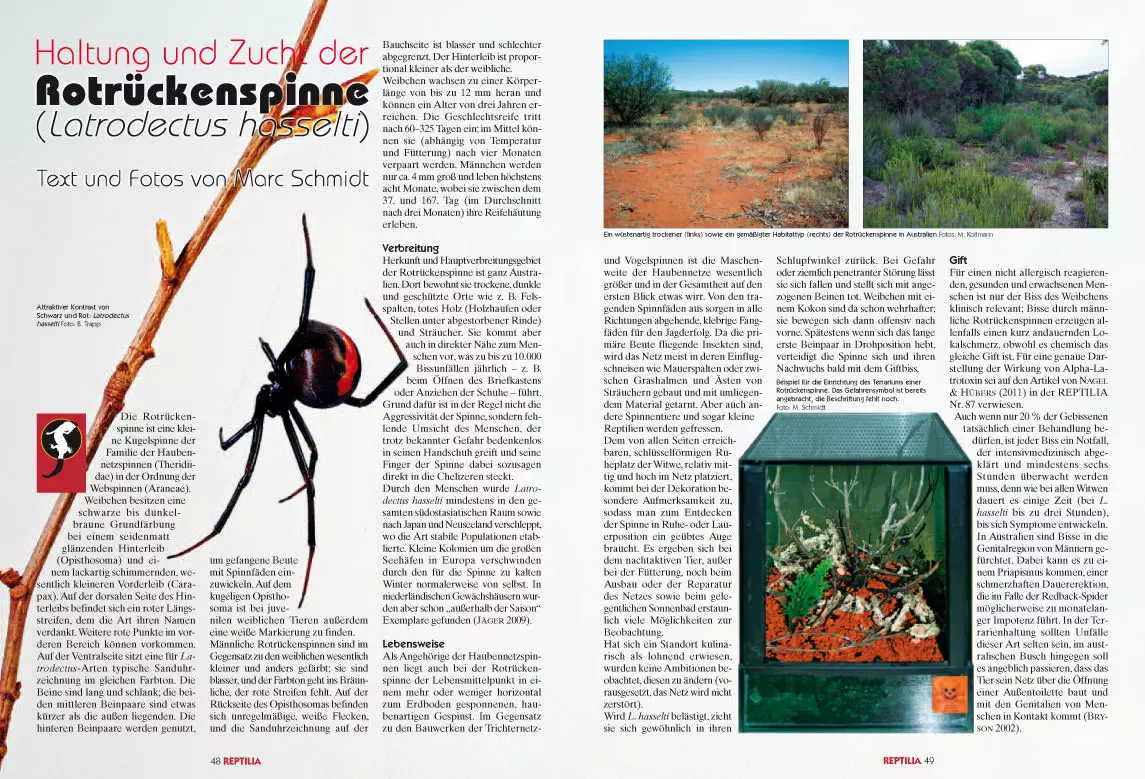
Red-backed spider
Incubation of monitor lizard eggs
Hind Indian hinged tortoise

Contents:

EDITORIAL
MAGAZINE

AROUND THE WORLD IN 5 YEARS
Waiting with turtles
A. Pachmann

DATES

WESTERN HERP PERSPECTIVES
Against winter depression
B. Love

PHOTOREPORTAGE
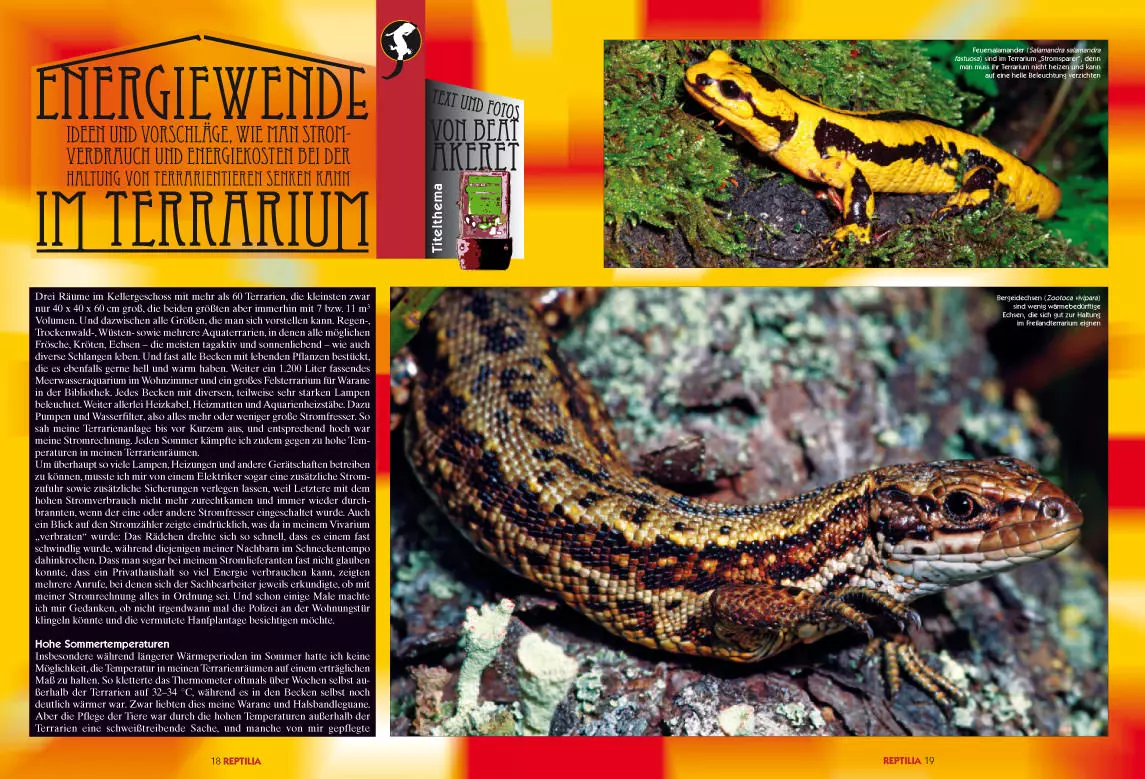
Energy revolution in the terrarium. Ideas and suggestions on how to reduce power consumption and energy costs when keeping terrarium animals
B. Akeret

REPORTAGE
Amphibians and reptiles in the energy-saving house. Opportunities and possibilities of the Renewable Energy Sources Act for terrarium husbandry
T. Eisenberg

REPORTAGE
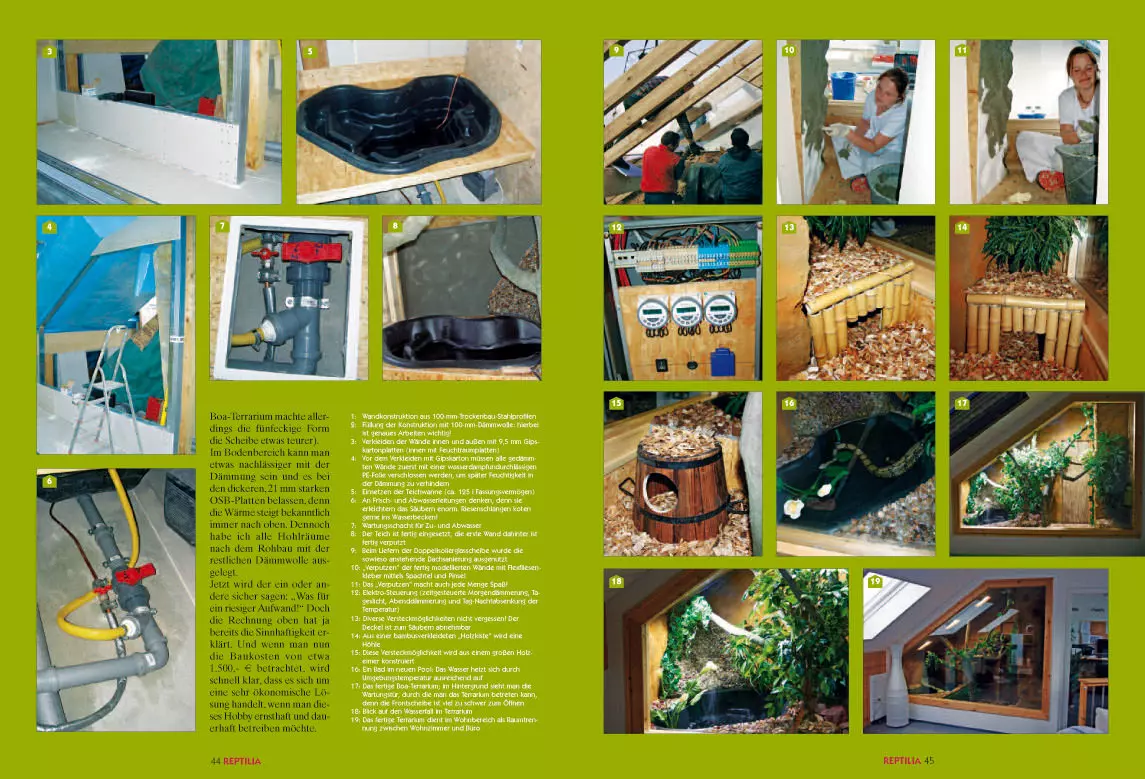
Large terrariums for giant snakes and saving energy – a contradiction?
S. Müller

KEEPING AND BREEDING
Keeping and breeding the red-backed spider (Latrodectus hasselti)
M. Schmidt

HERPETOFAUNA
Fringed-finger lizards (Acanthodactylus) in the wild and in the terrarium.
Part 6: The Acanthodactylus-boskianus group
U. Schlüter

REPRODUCTION
On the incubation of clutches of Varanus kingorum, King's dwarf monitor
R. Vitt

REPORTAGE
Looking for snakes on a family holiday. A drama in three acts
T. Schmidt

REPORTAGE
The tortoises of Kalogria (Peloponnese)
M. Rogner

ANIMALS OF OUR HOME
The grass frog
R. Leptien

Test run
Library
SUBSCRIPTION & SERVICE
ALSO NEAR YOU

TRAVEL
Visiting Cuora galbinifrons on Hainan, China
T. Blanck

PREVIEW

BRUTKASTEN
I would even let myself be locked up for REPTILIA – Part 1
H. Werning

Composition
Feeding recommendation
Technical details
Size information

0 out of 0 reviews

Give us a rating!

Share your experience with the product with other customers.


Suggested products

Handbook of food plants for tortoises and other reptiles
Handbook of forage plants 2nd revised editionMarion Minch is not only a successful breeder of diverse tortoises for many years, but also an excellent connoisseur of native wild herbs. She founded and runs samenkiste.de, which is well known to many tortoise keepers and nature lovers. Her name is inextricably linked with reptile care and species-appropriate nutrition for tortoises. Her handbook of food plants summarises the most important native food plants for herbivorous and omnivorous reptiles. She not only considers tortoises, but also iguanas, spiny-tailed dragons and even chameleons. From the basics of plant biology to native wild herbs to suitable food plants for hardy tropical reptile species, this comprehensive work provides the basis for species-appropriate keeping. In the expanded and supplemented 2nd edition, the plant section is divided according to flower colour. This makes it even easier to identify wild herbs. The work has also been supplemented with a wealth of additional information and many pictures.

CHF 46.50

Geckos
Geckos in the terrarium by Astrid FalkThe book offers a comprehensive introduction to geckos and their species-appropriate keeping in terrariums. It explains what you need to think about before buying a gecko and what preparations should be made. The book describes in detail how the terrarium is technically equipped and set up. The care of the animals, their special features and behaviour, their diet, reproduction and rearing of young animals are described, as well as diseases and husbandry problems with tried and tested suggestions for prevention and treatment. Individual gecko species that are particularly suitable for keeping and breeding in terrariums are portrayed in detail in the second part of the book.

CHF 28.50

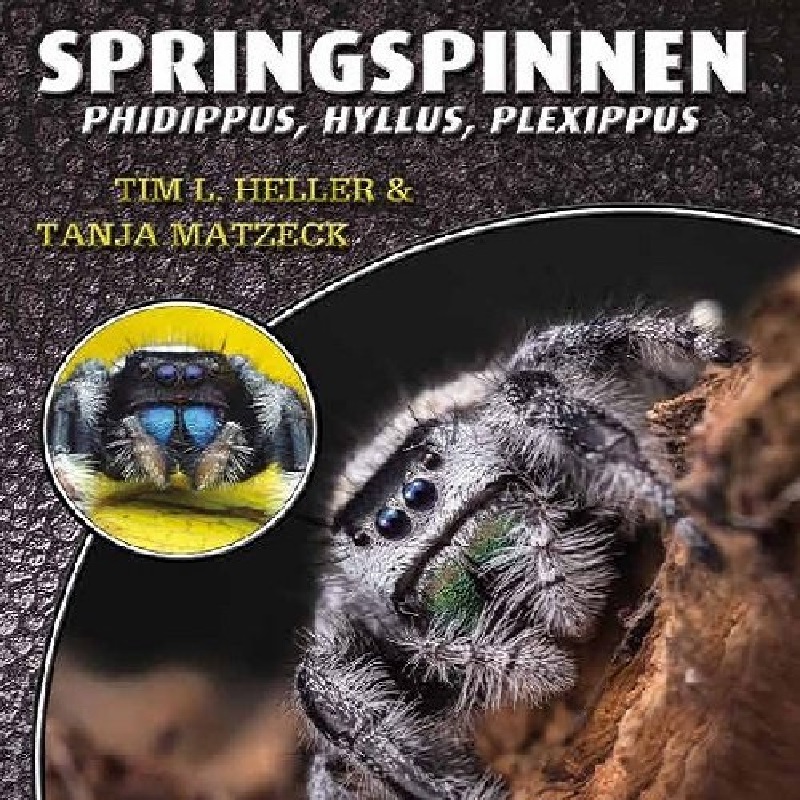
Jumping spiders Phidippus, Hyllus, Plexippus
Book Jumping Spiders - Phidippus, Hyllus & Plexippus A guide to keeping jumping spiders of the genera Phidippus, Hyllus & Plexippus. Who can resist the charm of jumping spiders? The childlike appearance of their expressive face simply leaves no one cold! In addition, their behavior is extremely exciting to observe, their colors are bright and their requirements for species-appropriate keeping are very easy to meet. No wonder these likeable jumpers are all the rage! This volume in the "Species by Species" series describes in detail what to look out for when buying and keeping them, introduces the most commonly kept species and color forms and provides plenty of tips on how to keep them successfully - so you can be sure they will breed well! Species by Species introduces you to the books in this series, which present the most popular terrarium animals. Each volume offers you detailed, practical care instructions and all the information you need to successfully breed your animals. All important questions from the required tank size to terrarium set-up, technical equipment, species-appropriate nutrition and disease prevention are answered with numerous tricks and tips. Experienced, long-standing breeders reveal how you can encourage the animals to reproduce and raise healthy young. All this in full color, generously illustrated and attractively designed - just about your terrarium animal - species by species

CHF 23.90

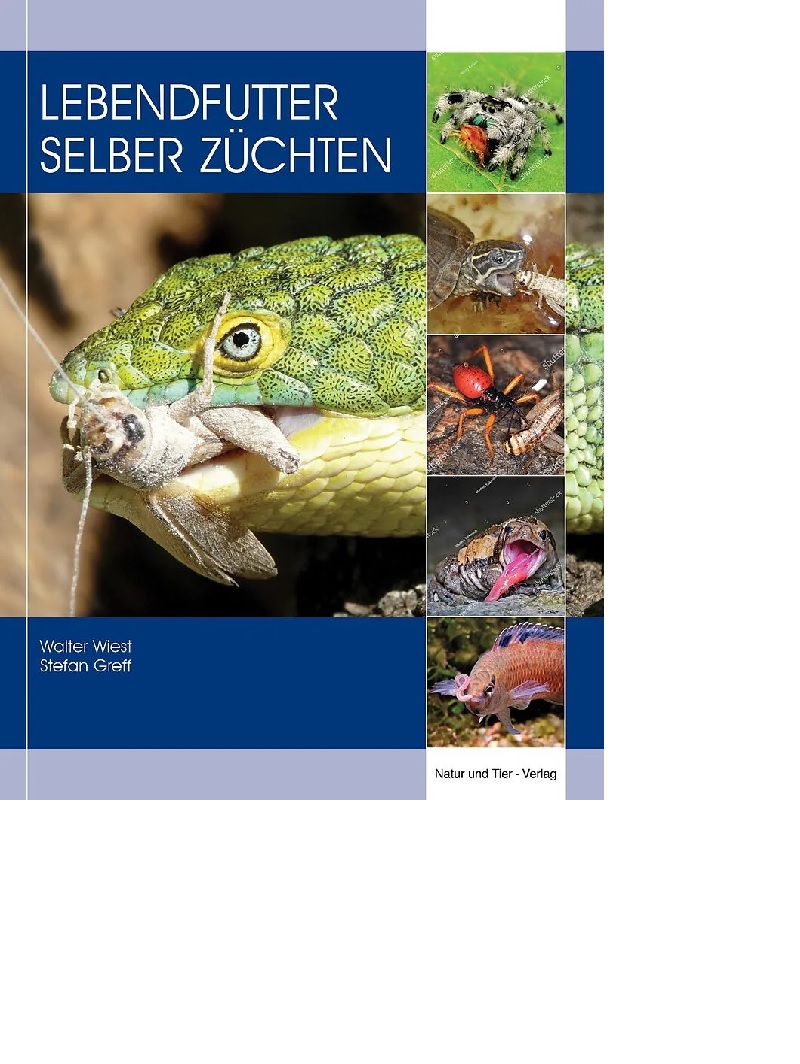
Book Breeding live food yourself
Book "Grow your own live food" - The perfect guide for pet owners Discover practical and detailed instructions on how you can easily breed food for your reptiles, birds, fish or other animals yourself in the book "Breeding live food yourself". With valuable tips on various food insects, their care and breeding, you can save money and ensure a species-appropriate diet for your pets. Contents of the book: Step-by-step instructions for breeding feeder insects Information on the best types of food for reptiles, birds and fish Care instructions and breeding conditions for various live food species Tips for sustainable and cost-effective food production Why breed your own live food? Get healthy, fresh food for your animals Save money and reduce dependence on pet shops Promote the health and well-being of your animals with species-appropriate food Whether you are a beginner or an experienced pet owner, this book provides you with everything you need to successfully breed live food yourself.

CHF 46.50

Marginata 69 - New Guinea tortoises
Marginata 69 - New Guinea tortoises – the genus ElseyaCover storyThe unrecognised beauties: New Guinea tortoises (Andreas S. Hennig)My experiences with Branderhorst's New Guinea tortoise, Elseya (Elseya) branderhorsti (Ouwens, 1914) (Andreas S. Hennig)Keeping and breeding of Rhodin's New Guinea tortoise, Elseya (Hanwarachelys) rhodini Thomson, Amepou, Anamiato & Georges, 2015 (Andreas S. Hennig)PortraitGeoemyda spengleri, Chinese serrated tortoise (Andreas S. Hennig)ReportageMacrochelys temminckii – Experiences and impressions with vulture tortoises part 2 (Reiner Praschag)KeepingAn alternative to year-round keeping of the Egyptian tortoise in the terrarium – my experiences with seasonal outdoor keeping of Testudo kleinmanni (Ricarda Schramm)EtymologySawbacks and living maps part 4: Graptemys gibbonsi, Pascagoula humpback tortoise (Holger Vetter)Classifieds & animal placement

CHF 16.50

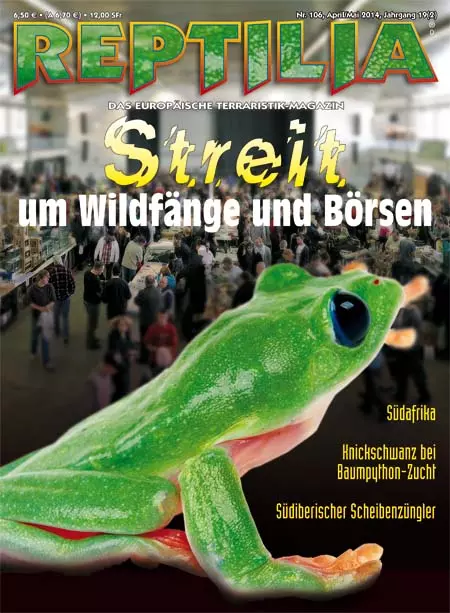
Reptilia 106 - Dispute over wild catches and stock markets
Reptilia 106 Dispute over wild catches and stock marketsSouth AfricaBent tail in tree python breedingSouthern Iberian disc tonguesContents:Cover story: Dispute over wild catches and stock marketsIn its coalition agreement, the currentThe German government has finalised its intention to ban exotic animal markets and the import of wild-caught animals into the EU. In the next issue of REPTILIA, we take a look behind the scenes of a large German importer of wild-caught animals and observe the current stock market situation. We also discuss whether restrictions or bans on wild-caught imports and terrarium fairs are necessary from an animal or species conservation perspective and what impact they could have on the terrarium hobby.EditorialMAGAZINEDATESINTERVIEWIllegal wildlife trade can no longer be bannedH. Werning in conversation with N. LutzmannREPORTAGEBehind the scenes and between the tables: Terraristika from early to lateH. WerningREPORTAGEBehind the scenes of the wholesale tradeA. KwetTRAVELGoodbye winter. Spring days on the Côte d'AzurA. SchmidAttitude“Kinked tails” in the green tree python (Morelia viridis) – a home-grown problem?M. KroneisKEEPING AND BREEDINGSurprising breeding of the Southern Iberian disc-tongued lizard (Discoglossus galganoi jeanneae)B. TrappTERRARIUM DISPLAYSSnake, spider & co. The Happ reptile zoo in KlagenfurtA. GutscheANIMALS OF OUR HOMEThe pond newtR. LeptienServicesWESTERN HERP PERSPECTIVESChange of pace for "small game" B. LoveALSO NEAR YOUJourneySouth Africa. Between reptiles and the Big FiveV. Kruschenski & C. KässerPREVIEWBRUTKASTEN Once a snake breeder, always a snake breederR. Leptien

CHF 12.00

NTV - Stick insects, ghost insects, changing leaves
All about the popular stick insects, ghost insects and walking leaves. 128 pages coloured photos 1st edition Author Alexander Esch Invertebrates are on the rise in terraristics, and among them phasmids are at the top of the popularity scale. Shifting leaves, stick insects and ghost insects are suitable even for beginners in the terrarium hobby and fascinate with their bizarre body shapes and varied behaviour. In this book, author Alexander Esch provides you with a practical guide with general information on the biology and successful keeping and breeding of this exciting group of insects and introduces the most popular species in the terrarium hobby.

CHF 32.40

NTV - Dyeing frogs
The 130-page book about dyer frogs describes the popular amphibians and shows the different colour variations. 130 pages many colour photos Hardcover Bestseller Authors Peter Janzen and Wolfgang Schmidt Publisher Herpeton The dyer frogs, Dendrobates tinctorius in Latin, are among the most popular frogs in the terrarium hobby. The book describes their way of life, care, breeding and colour varieties. The book is supplemented with many photos.

CHF 31.90

Draco 47 - Scorpions
Draco 47 - Scorpions Contents: Editorial Scorpions – hunters of the nightBoris F. StrifflerKeeping and breeding scorpions of the genus Tityus in the terrariumMichael Seiter African giant scorpions of the genus Pandinus – more than just the emperor scorpionBoris F. StrifflerKeeping and rearing two Parabuthus speciesHeiko WehnerNorth African scorpionsBoris F. StrifflerThe moment of birth: rare insights into the brood care of Diplocentrus lindoKriton KunzThe scorpions of Europe – Euscorpius, Buthus & Co.Boris F. StrifflerScorpions as dangerous animals – the national regulationsLawyer Dietrich Rössel The Instituto Butantan – Institute of PoisonsBoris F. Striffler

CHF 18.40

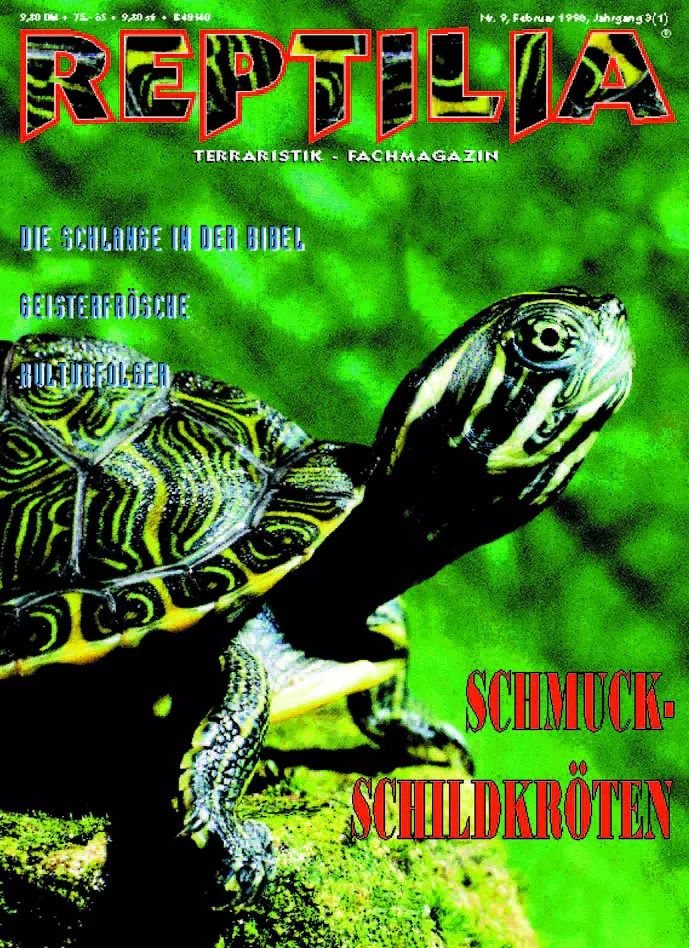
Reptilia 09 - Ornate tortoises
Reptilia 09 - Ornate tortoisesThe snake in the bibleGhost frogsCultural successorContents:Page 2 - EditorialPage 3 - Letters to the editorPage 5 - MagazinePage 16 - Western Herp Perspectives: The origin of our interest, by B. LovePage 18 - Photo reportage: Ornamental and decorative tortoises, by M. RognerPage 24 - Report: What to do with large tortoises, by E. MeierPage 28 - Keeping and breeding: Ornamental tortoises of the genus Chrysemys, by Dr U. ThiemePage 33 - Report: Reptiles and amphibians as cultural successors, by Dr M. GaulkePage 39 - Portrait and poster: Boa constrictor, by W. WenglerPage 43 - Keeping and breeding: Keeping and breeding ghost frogs, by C. ProyPage 48 - Keeping and breeding: Paleosuchus trigonatus, by K. HirschfeldPage 51 - Keeping and breeding: Peculiar care animals: Pug-headed iguanas, by U. SchlüterPage 55 - Herpetofauna: Salamanders of the family Plethodontidae in Costa Rica, by J. EhmckePage 59 - Herpetofauna and culture: The snake in the Bible, by Dr C. ThiedePage 68 – Reptilia on the road: La ferme aux crocodiles, by T. Wiegmann and V. SteffenPage 71 - LibraryPage 74 - Advice and actionPage 80 - Incubator: A chat from the sewing box, by Prof. Dr W. Böhme

CHF 9.80

Reptilia 16 - Uromastyx
Reptilia 16 - Thorntails Food animal breeding: CockroachesChameleon keepingPeloponnese Contents: Page 2 - EditorialPage 3 - MagazinePage 9 - Herpetofauna: Crocodile newts, by Dr J. FleckPage 12 - DatesPage 16 - Western Herp Perspecives: Souvenirs from Florida, by B. LovePage 18 - Photo reportage: Spiny-tailed agamas, by T. WilmsPage 25 - Keeping and breeding: The care and breeding of spiny-tailed agamas in the terrarium, by T. WilmsPage 30 - Report: Arabia Felix - in search of Uromastyx thomasi, by F. Hulbert and T. WilmsPage 34 - Keeping and breeding: The reproductive behaviour of the Uromastyx species, by T. WilmsPage 38 - Travelogue: Herpetological observations on the Peloponnese, by L. Siegmund and B. TrappPage 44 - Report: The brown-edged tortoise Testudo marginata in the surroundings of Tolo (Peloponnese), by H. RautertPage 47 - Portrait and poster: Atelopus flavescens, M. SchmidtPage 51 - Keeping and breeding: Introduction to keeping chameleons, by R. LeptienPage 56 - Report: Breeding the Argentine cockroach (Blaptica dubia), by B. HauschildPage 63 - Keeping and breeding: Experiences with the Typhloneces compressicauda, by H. WallaysPage 68 - Keeping and breeding: Keeping and breeding the silver-grey slender boa Epicrates striatus striatus, by J.-M. HerrmannPage 73 - Herpetology and culture: ...but more and more often. Reptiles in advertising, by L. HogebackPage 82 - Reptilia on the road: Parque Seminario in Guayaquil, Ecuador, by H. WerningPage 85 - Advice and actionPage 91 - LibraryPage 96 - Glossary: Iguana à la carte, by H. Werning

CHF 9.80

The Australian giant ghost insect
NTV The Australian Giant Stick Insect Everything about keeping and caring for Australian giant stick insects. 64 pages Format: 14.8 x 21 cm 57 colour photos Author Stefan Schorn Publisher NTV Contents: Foreword Classification Physique Size, mass and age Sexual differences and colouration Distribution and habitat Defence Legal basis and acquisition Moulting Preparation Diseases and parasites Nutrition The terrarium Furnishings Terrarium climate Socialisation Handling the animals Breeding Acknowledgements Further information References and further reading

CHF 19.90