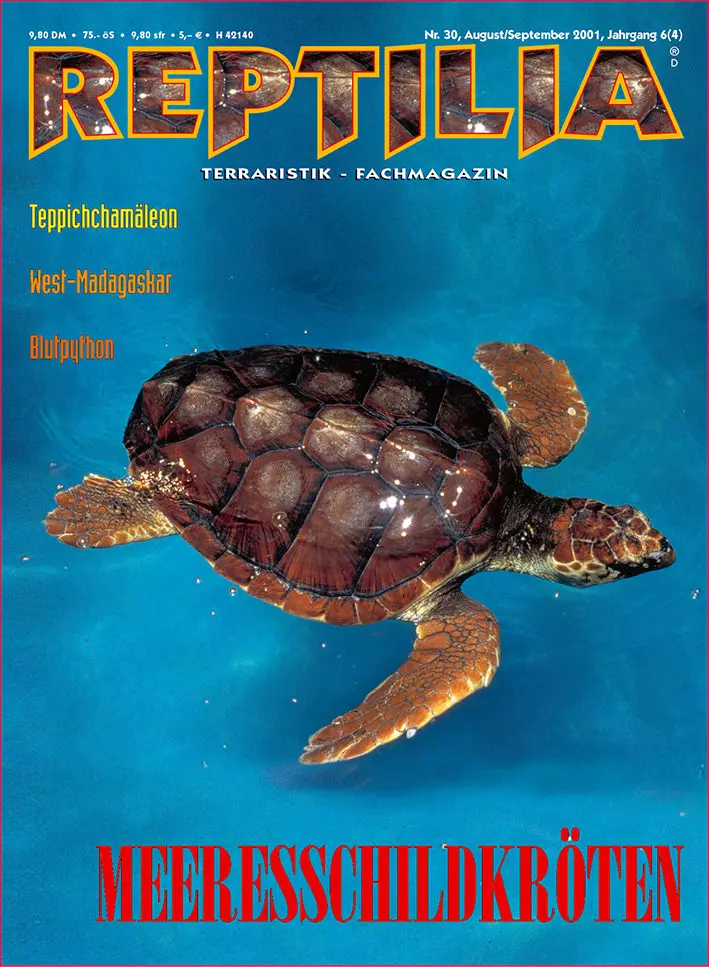
Reptilia 30 - Sea turtles

Article no: reptilia30

CHF 9.80

Stock: 0

Ready for dispatch in 1-3 days, delivery time 7 working days

Delivery between Friday, 4 December and Monday, 7 December
Zahlungsarten
Product information "Reptilia 30 - Sea turtles"

Reptilia 30 - Sea turtles

Carpet chameleon
West Madagascar
Blood python

Contents:

  • 2 Editorial
  • 3 letters to the editor
  • 7 Magazine
  • 20 dates
  • 24 Western Herp Perspectives, Hybrid Mania, by B. Love
  • 26 Photo reportage: Sea turtles, by J. Vasconcelos Péres
  • 32 Report: The diving behaviour of sea turtles, A brief overview, by J.D.R. Houghton
  • 36 Report: Encounter with the loggerhead turtle (Caretta caretta) in the southern Aegean
  • 40 Herpetofauna: The species of sea turtles, by J. Vasconcelos Péres
  • 46 Care and Breeding: Forbidden Beauty – On the Spotted, Blood or Short-tailed Python Python curtus (Schöegel 1872), by A. Kirschner
  • 51 Portrait and poster: Pelobates syriacus, by B. Trapp
  • 55 Husbandry and Breeding: Experiences in the care and breeding of the carpet chameleon Furcifer lateralis, by U. & K. Dost
  • 61 Herpetofauna: Luminous tejus? The dwarf tejus of the genus Proctoporus. With notes on luminescent organs in lizards, by U. Schlüter
  • 65 Terraristics: Sitting in a glass house... The greenhouse as an interesting option for keeping snakes, by U. Strathemann
  • 69 Herpetoculture: Devilish, divine snake. Aspects of snake symbolism from a psychological perspective. Part 1: Snake fear, snake cult, the image of the snake in the Bible, by K. Kunz
  • 74 Journey: Journey to the Central West of Madagascar, by K. Liebel & W. Schmidt
  • 88 Classifieds
  • 92 Advice and action
  • 95 Library
  • 104 Glossary, I am a punk band, by H. Werning
Composition
Feeding recommendation
Technical details
Size information

0 out of 0 reviews

Give us a rating!

Share your experience with the product with other customers.


Suggested products

Handbook of food plants for tortoises and other reptiles
Handbook of forage plants 2nd revised editionMarion Minch is not only a successful breeder of diverse tortoises for many years, but also an excellent connoisseur of native wild herbs. She founded and runs samenkiste.de, which is well known to many tortoise keepers and nature lovers. Her name is inextricably linked with reptile care and species-appropriate nutrition for tortoises. Her handbook of food plants summarises the most important native food plants for herbivorous and omnivorous reptiles. She not only considers tortoises, but also iguanas, spiny-tailed dragons and even chameleons. From the basics of plant biology to native wild herbs to suitable food plants for hardy tropical reptile species, this comprehensive work provides the basis for species-appropriate keeping. In the expanded and supplemented 2nd edition, the plant section is divided according to flower colour. This makes it even easier to identify wild herbs. The work has also been supplemented with a wealth of additional information and many pictures.

CHF 46.50

Geckos
Geckos in the terrarium by Astrid FalkThe book offers a comprehensive introduction to geckos and their species-appropriate keeping in terrariums. It explains what you need to think about before buying a gecko and what preparations should be made. The book describes in detail how the terrarium is technically equipped and set up. The care of the animals, their special features and behaviour, their diet, reproduction and rearing of young animals are described, as well as diseases and husbandry problems with tried and tested suggestions for prevention and treatment. Individual gecko species that are particularly suitable for keeping and breeding in terrariums are portrayed in detail in the second part of the book.

CHF 28.50

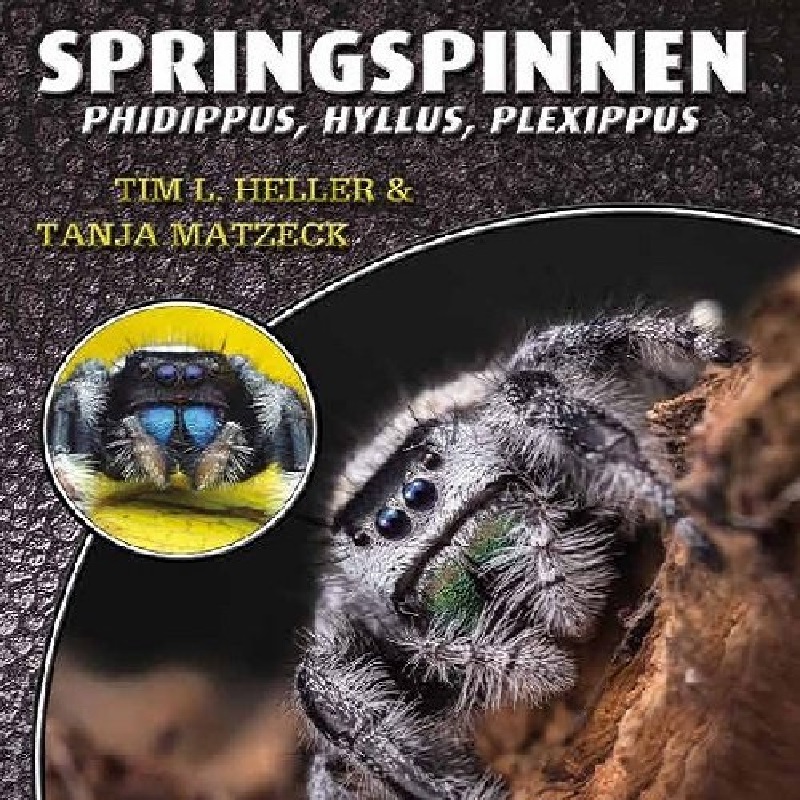
Jumping spiders Phidippus, Hyllus, Plexippus
Book Jumping Spiders - Phidippus, Hyllus & Plexippus A guide to keeping jumping spiders of the genera Phidippus, Hyllus & Plexippus. Who can resist the charm of jumping spiders? The childlike appearance of their expressive face simply leaves no one cold! In addition, their behavior is extremely exciting to observe, their colors are bright and their requirements for species-appropriate keeping are very easy to meet. No wonder these likeable jumpers are all the rage! This volume in the "Species by Species" series describes in detail what to look out for when buying and keeping them, introduces the most commonly kept species and color forms and provides plenty of tips on how to keep them successfully - so you can be sure they will breed well! Species by Species introduces you to the books in this series, which present the most popular terrarium animals. Each volume offers you detailed, practical care instructions and all the information you need to successfully breed your animals. All important questions from the required tank size to terrarium set-up, technical equipment, species-appropriate nutrition and disease prevention are answered with numerous tricks and tips. Experienced, long-standing breeders reveal how you can encourage the animals to reproduce and raise healthy young. All this in full color, generously illustrated and attractively designed - just about your terrarium animal - species by species

CHF 23.90

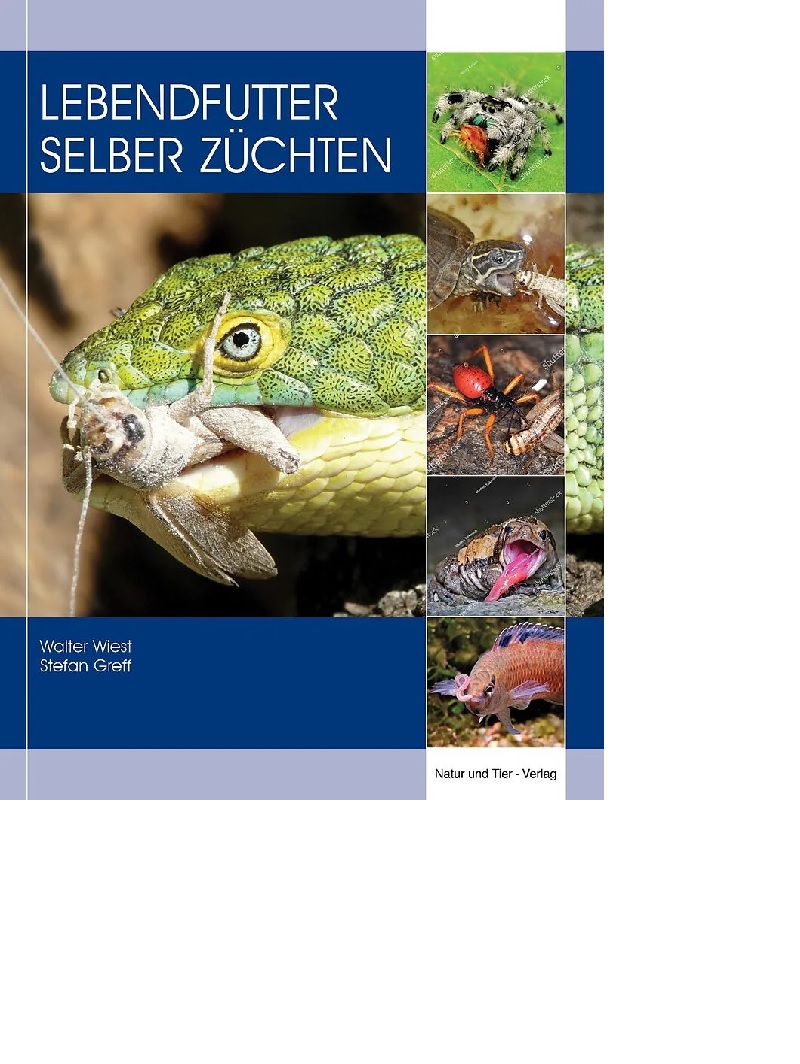
Book Breeding live food yourself
Book "Grow your own live food" - The perfect guide for pet owners Discover practical and detailed instructions on how you can easily breed food for your reptiles, birds, fish or other animals yourself in the book "Breeding live food yourself". With valuable tips on various food insects, their care and breeding, you can save money and ensure a species-appropriate diet for your pets. Contents of the book: Step-by-step instructions for breeding feeder insects Information on the best types of food for reptiles, birds and fish Care instructions and breeding conditions for various live food species Tips for sustainable and cost-effective food production Why breed your own live food? Get healthy, fresh food for your animals Save money and reduce dependence on pet shops Promote the health and well-being of your animals with species-appropriate food Whether you are a beginner or an experienced pet owner, this book provides you with everything you need to successfully breed live food yourself.

CHF 46.50

Marginata 69 - New Guinea tortoises
Marginata 69 - New Guinea tortoises – the genus ElseyaCover storyThe unrecognised beauties: New Guinea tortoises (Andreas S. Hennig)My experiences with Branderhorst's New Guinea tortoise, Elseya (Elseya) branderhorsti (Ouwens, 1914) (Andreas S. Hennig)Keeping and breeding of Rhodin's New Guinea tortoise, Elseya (Hanwarachelys) rhodini Thomson, Amepou, Anamiato & Georges, 2015 (Andreas S. Hennig)PortraitGeoemyda spengleri, Chinese serrated tortoise (Andreas S. Hennig)ReportageMacrochelys temminckii – Experiences and impressions with vulture tortoises part 2 (Reiner Praschag)KeepingAn alternative to year-round keeping of the Egyptian tortoise in the terrarium – my experiences with seasonal outdoor keeping of Testudo kleinmanni (Ricarda Schramm)EtymologySawbacks and living maps part 4: Graptemys gibbonsi, Pascagoula humpback tortoise (Holger Vetter)Classifieds & animal placement

CHF 16.50

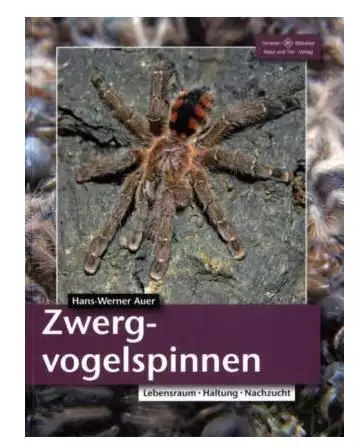
NTV - Dwarf bird spiders
NTV - Dwarf tarantulas all about keeping and caring for these amazing tiny creatures. 160 pages 179 photos Paperback Publication date 24.06.2011 1st edition Author Hans-Werner Auer Anyone interested in dwarf tarantulas, i.e. very small species, has hit the jackpot: These tiny creatures include some of the most exciting, spectacular and colourful species of all!What's more, spider lovers can keep and observe a large number of different tree and ground dwellers in a very small space. And this hobby never gets boring anyway, as new, wonderful species are constantly being discovered and introduced to terraristics.

CHF 35.40

Reptilia 106 - Dispute over wild catches and stock markets
Reptilia 106 Dispute over wild catches and stock marketsSouth AfricaBent tail in tree python breedingSouthern Iberian disc tonguesContents:Cover story: Dispute over wild catches and stock marketsIn its coalition agreement, the currentThe German government has finalised its intention to ban exotic animal markets and the import of wild-caught animals into the EU. In the next issue of REPTILIA, we take a look behind the scenes of a large German importer of wild-caught animals and observe the current stock market situation. We also discuss whether restrictions or bans on wild-caught imports and terrarium fairs are necessary from an animal or species conservation perspective and what impact they could have on the terrarium hobby.EditorialMAGAZINEDATESINTERVIEWIllegal wildlife trade can no longer be bannedH. Werning in conversation with N. LutzmannREPORTAGEBehind the scenes and between the tables: Terraristika from early to lateH. WerningREPORTAGEBehind the scenes of the wholesale tradeA. KwetTRAVELGoodbye winter. Spring days on the Côte d'AzurA. SchmidAttitude“Kinked tails” in the green tree python (Morelia viridis) – a home-grown problem?M. KroneisKEEPING AND BREEDINGSurprising breeding of the Southern Iberian disc-tongued lizard (Discoglossus galganoi jeanneae)B. TrappTERRARIUM DISPLAYSSnake, spider & co. The Happ reptile zoo in KlagenfurtA. GutscheANIMALS OF OUR HOMEThe pond newtR. LeptienServicesWESTERN HERP PERSPECTIVESChange of pace for "small game" B. LoveALSO NEAR YOUJourneySouth Africa. Between reptiles and the Big FiveV. Kruschenski & C. KässerPREVIEWBRUTKASTEN Once a snake breeder, always a snake breederR. Leptien

CHF 12.00

Reptilia 115 - Adders for the terrarium
Reptilia 115 - Adders for the Terrarium Flamingo flowersBlue rock iguanaNew Zealand mantis Contents:Cover story: Adders for the TerrariumAdders are among the classic and most popular terrarium animals. This extremely species-rich group of snakes has produced some of the most popular reptile pets. We provide an overview of the terrarium-relevant species and focus in particular on those adders suitable for beginners, among which there are many truly perfect pets. But we also have a real beauty for advanced keepers and report on the keeping and breeding of red bamboo adders. EditorialMAGAZINEDATES WESTERN HERP PERSPECTIVESThe dark sideB. Love FotostoryEvergreens in the terrarium: AddersK. Kunz PracticeAdders. Species and tips for beginnersD. Schmidt Husbandry and breedingThai bamboo adders (Oreocryptophis porphyraceus coxi) in the terrariumM. Hornig Husbandry and breedingThe New Zealand mantis, Orthodera novaezealandiae. A praying mantis from the other side of the worldB. Fuhrmann & C. Sehorz Husbandry and breedingThe keeping and breeding of the Blue rock iguana (Petrosaurus thalassinus) in the terrariumJ. Schulz PlantsArum family in the terrarium. Part 3: The genus AnthuriumB. Akeret Husbandry and breedingFirst ever natural rearing of the critically endangered Philippine crocodiles (Crocodylus mindorensis) in Europe successfulT. Ziegler, A. Rauhaus & C. Niggemann, AG Zoological Garden Cologne Animals of our homelandThe fire salamanderR. Leptien ALSO IN YOUR AREA Service TravelOn an excursion through the Colombian Amazon rainforestJ. Cañas-Orozco PREVIEW INCUBATOR Attention – more cat contentH. Werning

CHF 12.00

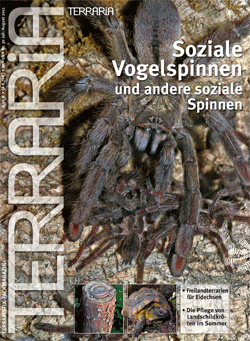
Terraria No. 30 - Social bird spiders and other social spiders
Terraria No. 30 - Social bird spiders and other social spiders Freilandterrarien für EidechsenDie Pflege von Landschildkröten im Sommer Inhalt: Etliche Vertreter der Vogelspinnen lassen sich im Terrarium in Gruppen halten, beispielsweise Poecilotheria-Arten oder Holothele incei. Die Pflege einer solchen Spinnengemeinschaft zählt zum Faszinierendsten, was man in der Wirbellosenterraristik erleben kann. Boris F. STRIFFLER stellt nicht nur sämtliche Vogelspinnen vor, die für eine solche Haltung infrage kommen, sondern geht außerdem auch auf weitere soziale Spinnen ein – selbst auf solche, die direkt vor unserer Haustür leben! EditorialKriton KunzMagazinGondwanaland – ein zukunftsweisendes Projekt im Zoo Leipzig. Teil 4: Die Eröffnung der Tropenerlebniswelt / Revision der Familie Cordylidae / Marktplatz / Rechtliches / Wie kommt das Gift in die Beute?TERRAglobalIn der Bergwelt der Inka Maik DobieyTitelthemaSoziale Vogelspinnen und andere soziale SpinnenBoris F. StrifflerSoziale Spinnen – ein Widerspruch in sich?Boris F. StrifflerSoziale Vogelspinnen? Beispiele aus Amerika Boris F. Striffler, Frank Schneider und Ingo WendtDas Schildkrötenjahr. Freilandbiologie und Haltung europäischer Landschildkröten über den Jahreslauf Teil 3: Juli bis August – SommerhitzeMichael WirthDie Gattung Nerodia. Wassernattern aus Nordamerika: Lebensweise sowie Haltung und Vermehrung im Terrarium Teil 1 Dieter SchmidtEidechsen im Freilandterrarium Martin DieckmannReise Auf Amphibien- und Reptiliensuche in der Umgebung von Iquitos: Ranitomeya reticulata im Wald von Llanchama Mario KassatNeue Arten Ein psychedelischer Gecko Axel Kwet Neuer Pfeilgiftfrosch aus Brasilien Axel KwetAbo & ServiceUnter Forschern Der Weg ist das Ziel – oder: Wie man sich eine Diplomarbeit selbst organisiertStephan BöhmBlickfang Terrarianernostalgie und tropischer Regenwald in Reutlingen – ein Besuch bei Florian Riedel Michael WirthIn Ihrer Nähe Vorschau Brutkasten Schlimme Nächte: Guayaquil Teil 2: Wir Kleinlaut-Touristen Heiko Werning  

CHF 12.00

Draco 30 - Sri Lanka
Draco 30 - Sri Lanka Contents: 2  Editorial  4  Adam's sanctuary: Sri LankaPeter Janzen, Peter Klaas & Stefan Ziesmann  18  Of skinks and other lizardsPeter Janzen, Peter Klaas & Stefan Ziesmann  24  The agama fauna of the islandPeter Janzen, Peter Klaas & Stefan Ziesmann  34  The horned agama Ceratophora stoddartii in its natural habitat and in the terrariumUwe Bartelt & Peter Janzen  38  The diversity of geckosStefan Ziesmann, Peter Janzen & Peter Klaas   45  Crocodiles and turtles in Sri LankaPeter Janzen, Peter Klaas & Stefan Ziesmann  50  Keeping and breeding the star tortoiseGeochelone elegans (SCHOEPFF, 1794) from Sri Lanka Andrea Saus  56  Sri Lanka's snake faunaPeter Janzen, Peter Klaas & Stefan Ziesmann  65  Chaos without end – the taxonomy of the Sri Lankan frogsPeter Janzen, Peter Klaas & Stefan Ziesmann  75  In search of invertebratesPeter Klaas   80  Tarantulas of the genus Poecilotheria in Sri LankaPeter Klaas, Peter Janzen & Stefan Ziesmann  84  Book box  91  Magazine

CHF 18.40

Terraria 01 - Terrarium lighting
Terraria 01 - Terrarium lighting PantanalBlack toad Contents: 2 Editorial Heiko Werning 3 The TERRARIA team Editorial and advisory board TITLE TOPIC 6 • Basic knowledge of terrarium lighting – a key to successful keeping Ingo Kober & Uwe Geissel 17 • Which type suits me? The different lamps used in terrariums Ingo Kober & Uwe Geissel 22 • Lighting of terrariums – 10 case studies from practice Ingo Kober & Uwe Geissel SCIENCE 26 Herpetorama Snake evolution/Fast aga toads/Shrill frogs 28 New species New lizards from New Caledonia / Two new Telmatobius species from Bolivia/Two new Liolaemus species from Argentina 31 Among researchers Biodiversity research in the Amazon Andreas Schlüter 36 A rarity in the terrarium: Mitchell’s bearded dragon – Pogona mitchelli (Badham, 1976) Thomas Hörenberg 44 Melanophryniscus – not just black toads Part 1: General information on the genus Melanophryniscus Axel Kwet 54 The Tunisian tortoise, Testudo nabeulensis (Highfield, 1990) Manfred Rogner 59 Diversity instead of boredom – Care and breeding of the striped house snake (Lamprophis lineatus) Kriton Kunz 65 Biology, husbandry and breeding of the Arizona bark scorpion, Centruroides vittatus (Say, 1821) Alexander Tietz 72 TRAVEL In the land of the Jacarés – the Pantanal Heiko Werning TERRARIUM PRACTICE 84 Test run terraform hide trays 85 Prelude Quarantine and sampling for parasitological examination of terrarium animals Sascha Hanig & Michael Kluge A good start: the large Madagascar day gecko Phelsuma madagascariensis grandis Ingo Kober 90 Eye-catcher A facility for breeding pine-cone lizards Axel Kwet 94 Also in your vicinity 96 TERRAnet AmphibiaWeb/Homepage Axel Kwet 98 TERRAglobal Environmental education in Guatemalan Lester S. Meléndez García The coffin as an incubator Joachim Bulian 103 Preview 104 TERRAwinn

CHF 11.20

Marginata No. 33 - Softshell Turtles - Wonderful, but hardly known
Marginata No. 33 - Softshell Turtles - Wonderful, but hardly known Warum stranden Meeresschildkröte?Schildkrötenforschung in AndalusienHaltung und Zucht von Astrochelys radiata Teil 5 Inhalt: Editorial Magazin Termine HALTUNG UND ZUCHT Erfolgreiche Haltung und Aufzucht junger Weichschildkröten Hans-Dieter Philippen REPORTAGE Thermoregulation bei Weichschildkröten Dieter Gramentz REPORTAGE Bemerkungen zum Wanderverhalten von Weichschildkröten Dieter Gramentz Porträt Kuba-Schmuckschildkröte (Trachemys decussata) Hans-Dieter Philippen HALTUNG UND NACHZUCHTHaltung und Nachzucht der Madagassischen Strahlenschildkröte Teil 5 Michael Wirth und Peter Fritz REPORTAGEStrandende Meeresschildkröten an der andalusischen KüsteJuan J. Bellido & José C. Baez REPORTAGEMaurische Landschildkröten (Testudo graeca) in Andalusien Anneliese Pioch Buchtipp Kleinanzeigen Abo & Service Regionalführer

CHF 16.50