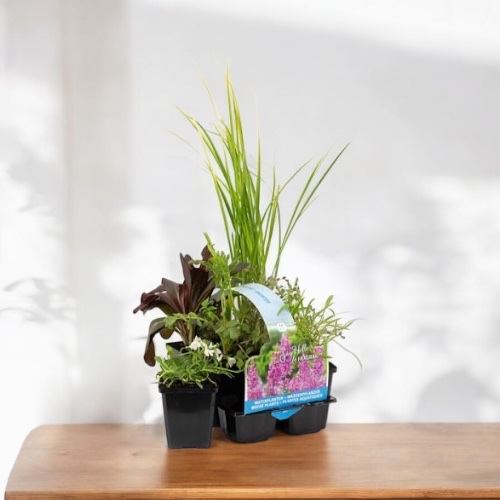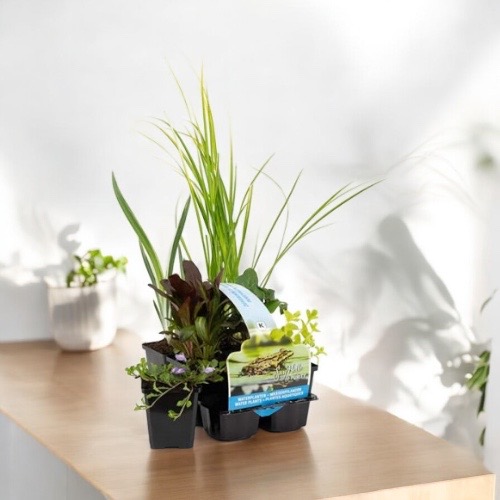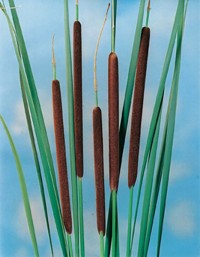
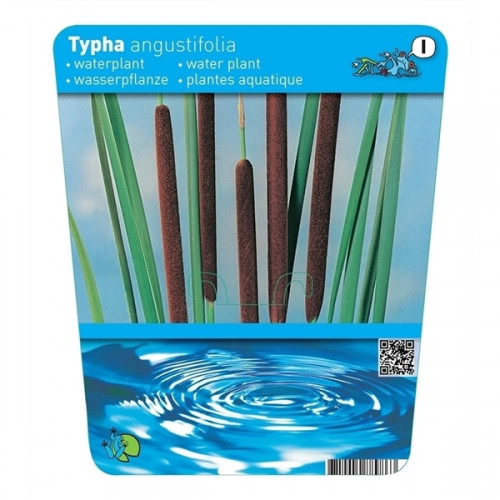
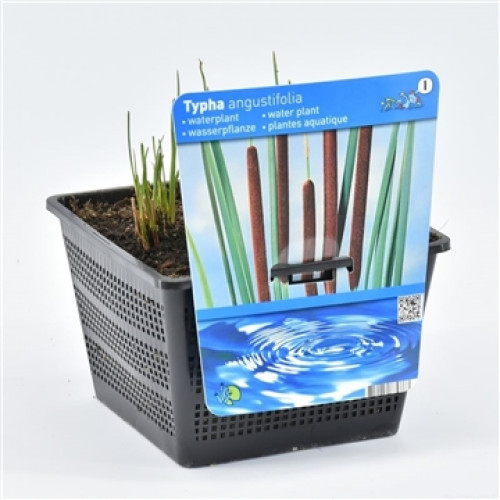
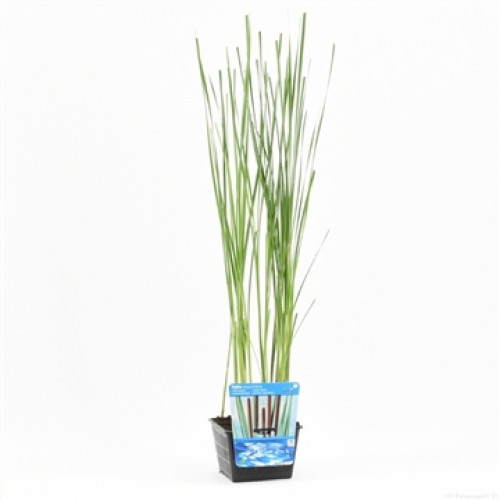
Narrow-leaved cattail (9 cm) – Typha angustifolia

  • Natural-looking bank design
  • Robust and hardy
  • Screen and border planting
Article no: SG-V10860

CHF 7.90

Stock: 0

This article is currently not available

Product information "Narrow-leaved cattail (9 cm) – Typha angustifolia"

Narrow-leaved cattail (Typha angustifolia)


The narrow-leaved cattail brings a natural, tranquil pond appearance to banks and shallow planting areas. With its good winter hardiness (zone 2–3), it is suitable for permanently planted pond edges and marsh zones. The flowering period is from July to September. Aquatic and marsh plant for pond edge and shallow water areas

  • Flowering period: VII–IX (July to September)
  • Winter hardiness: Zone 2–3
  • Height: approx. 80–120 cm
  • Pot size: approx. 9 cm

Specifications for the plant:

  • Creates a natural bank design and clear structure at the pond edge
  • Robust and winter-hardy – suitable for perennial planting
  • Ideal as screening and border planting in marsh zones and shallow areas

Technical data
  • Botanical name: Typha angustifolia
  • English name: Narrow-leaved cattail
  • Flowering period: VII–IX
  • Winter hardiness zone: 2 / 3
  • Height: 80 / 120 cm
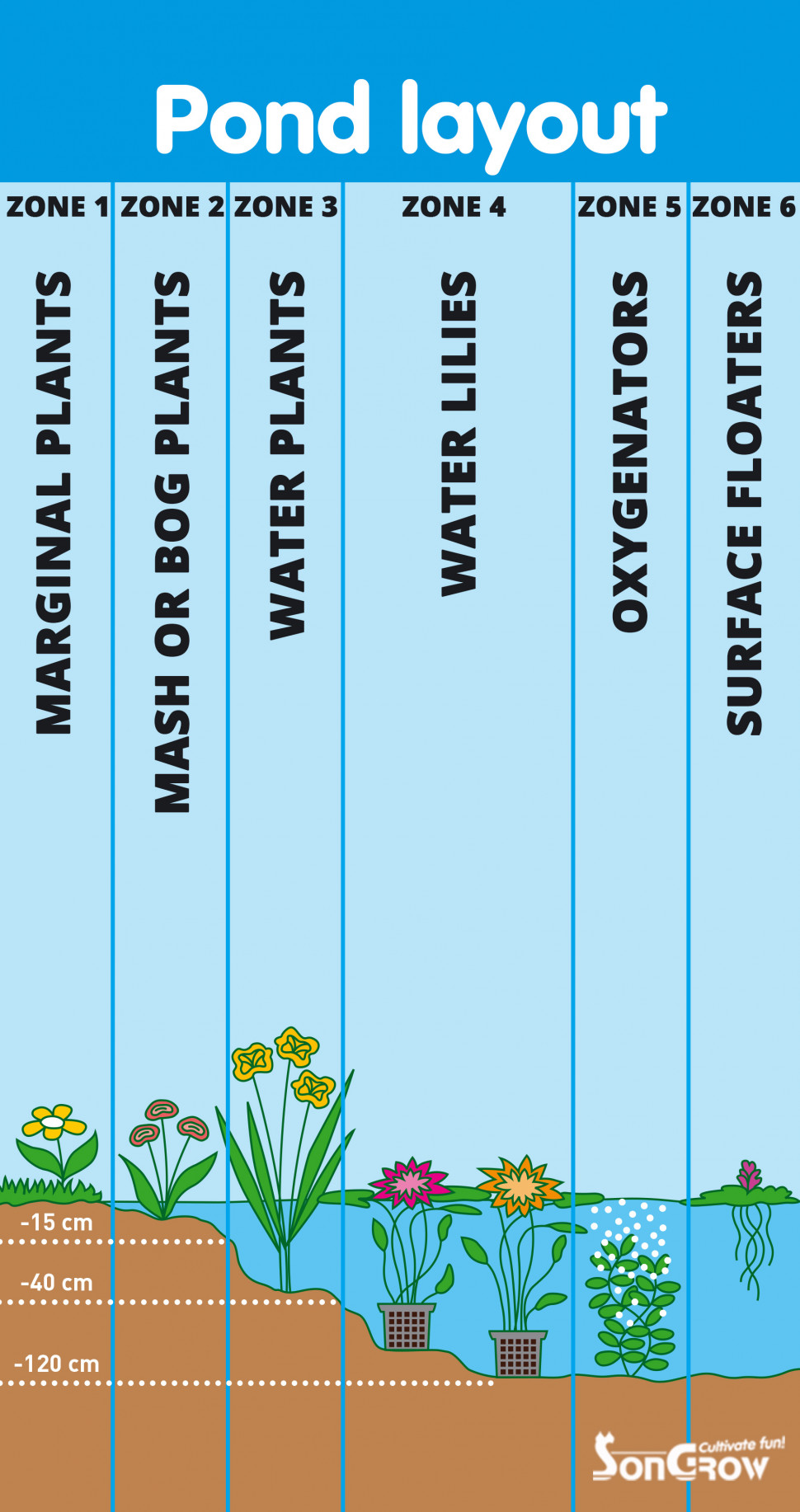
  • Planting depth: 0 to –40 cm


With Typha angustifolia (narrow-leaved cattail), you can design pond edges and marsh zones naturally and with structure. The plant is particularly well suited to shallow banks, where its upright growth ensures clear lines and creates a harmonious transition between water and garden. Thanks to its winter hardiness (zone 2–3), it is suitable for permanently designed pond areas and – in the right location – can remain part of your pond planting for many years.
The flowering period from July to September makes the narrow-leaved cattail an attractive companion in the summer and late season. It is especially attractive in group plantings or as a calm background for flowering marsh plants. Thanks to the recommended planting depth of 0 to –40 cm, you can use it flexibly – directly on the edge or in shallow planting baskets in the water.
The plant is supplied in an approx. 9 cm pot (basket/ready-grown culture) and with a growth height of approx. 80–120 cm (depending on development stage). For good establishment, it is advisable to place the plant securely after planting and choose the location so that it has enough space to develop.

Important note: Please do not plant this plant in open waters such as lakes or biotopes, as aquatic plants can spread depending on the environment. We pack your plants with great care to ensure they arrive healthy. Nevertheless, minor transport damage may occasionally occur during postal shipping (e.g. brown leaves or bent shoots). Such cosmetic damage is generally not critical for establishment.

Zoo-Roco tip: If you are planting cattails in the pond, place them in a planting basket and limit the root area. This keeps the bank area neat, and you can easily move or divide the plant if required.
Composition
Feeding recommendation
Technical details
Size information

0 of 0 reviews

Give us a rating!

Share your experience with the product with other customers.


Customers also bought

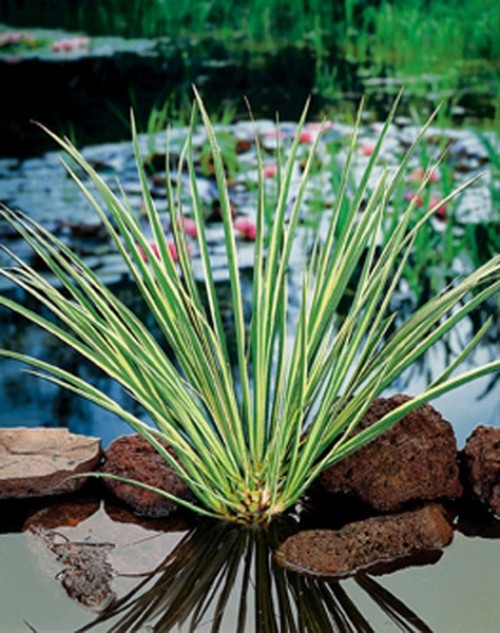
Variegated calamus (9cm) - Acorus calamus 'Gramineus'
Acorus calamus 'Gramineus' - Colourful calamusThe variegated calamus is an attractive pond edge plant that provides structure and tranquillity around the garden pond with its grass-like growth. It is ideal for the bank and shallow water zone from 0 to -15 cm. At 20-30 cm tall, it remains compact and combines well.Area of application: Pond edge / shallow water zoneHeight: approx. 20-30 cmWinter hardiness: Zone 1-2Pot: approx. 9 cmPlant specifications: Brings clear lines and structure to the edge of the pond without being too dominantCompact and easy to care for - ideal for smaller ponds and edgesSuitable for permanent planting thanks to good winter hardiness (zone 1-2)Technical dataBotanical name: Acorus calamus 'Gramineus'German name: Colourful calamusHeight: 20 / 30 cmDepth: 0 / -15 cmWinter hardiness zone: 1 / 2Planting depth: 0 to -15 cmAcorus calamus 'Gramineus' is a pond edge plant that is particularly characterised by its grassy, tidy growth. The variegated calamus is ideal for visually calming the transition between the water surface and the garden: It looks natural, but remains compact and controllable. This plant is a particularly harmonious choice in places where you want clean lines - for example along pond edges, in shallow bays or in small shoreline areas.The ideal place is in the shore to shallow water zone. The specified planting depth of 0 to -15 cm allows for flexible use: directly on the moist edge or standing slightly in the water. Thanks to its height of approx. 20 to 30 cm, the calamus remains pleasantly low so that it does not obstruct the view of the water surface. At the same time, it provides structure between higher-growing bank plants and lower ground cover plants.The variegated calamus is particularly valuable in pond design because it combines well with many other pond and marsh plants. It is suitable for both naturalistic planting schemes and more modern pond designs that emphasise clear shapes and calm areas. Thanks to its hardiness zone 1-2, it is also suitable for perennial pond edge planting. The plant is supplied in a pot (approx. 10 cm). For easy handling around the pond, we recommend using it in a plant basket - depending on the structure - so that the location remains stable and you can easily move the plant if necessary.Shipping note: We make every effort to ensure that our plants arrive healthy and undamaged. Despite the greatest care, it can happen that plants are slightly damaged by the post or other unforeseen events (e.g. brown leaves or broken shoots). We accept no liability for this. Do not plant in open waters such as lakes or biotopes.Zoo Roco tip: Place the variegated calamus in the most beautiful spot where you walk past it every day: It looks particularly elegant when planted in small groups and its fine leaves are reflected in the water. For more control, we recommend using a planting basket - this will keep the edges neat and you can easily divide or reposition the plant later.

CHF 7.90

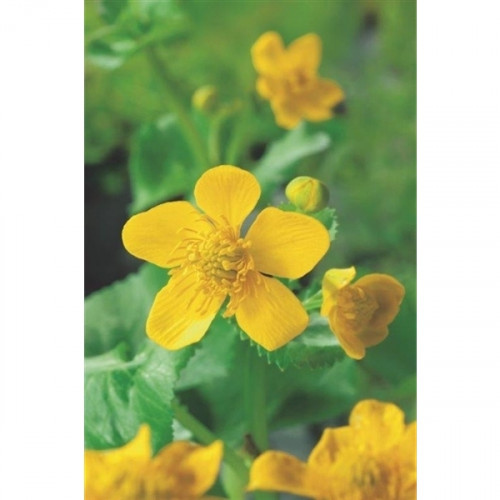
Marsh marigold (9 cm) – Caltha palustris
Acorus calamus – sweet flag for pond edges & shallow waterCaltha palustris is a classic spring-flowering plant for the garden pond and adds bright splashes of colour with its yellow flowers from March to May (III–V). Reaching 30–40 cm in height, it is ideal for the pond edge and damp margins. It is suitable for a planting depth of 0 to –15 cm and is hardy in zone 1–2.Flower colour: yellowFlowering period: III–V (March to May)Height: approx. 30–40 cmPot size: approx. 9cmPlant specifications: They bring vibrant colour to the pond edge as early as spring – just when many other pond plants are still holding back.Thanks to a planting depth of 0 to –15 cm, the marsh marigold is ideally suited to banks and shallow water edge areas.Thanks to zone 1–2, it is suitable for perennial, low-maintenance pond planting.Technical data:Botanical name: Caltha palustrisEnglish name: Marsh marigoldHeight (cm): 30 / 40 cmPlanting depth: 0 / –15 cmFlowering period: III–VWinter hardiness zone: Zone 1 / 2Pot size: 9 cmWith Caltha palustris (marsh marigold), you will have one of the most popular spring-flowering plants at your garden pond. As the garden comes back to life after winter, it provides a radiant focal point by the water with its yellow flowers from March to May (III–V). Especially at the pond edge, this is particularly valuable: many marginal plants only really start to grow strongly later on – the marsh marigold, on the other hand, brings early colour and appears natural and harmonious.With a growth height of approx. 30 to 40 cm the plant is ideal for the foreground to midground. It fits beautifully on pond margins, in damp border beds or areas that are permanently fresh to wet. The recommended planting depth of 0 to –15 cm makes it perfect for the bank and shallow water edge zone: directly in moist soil at the edge or standing slightly in water. Caltha palustris looks particularly attractive when set in small groups – this creates a calm, natural area that visually softens the pond edge.Delivery in a 9-cm pot makes planting easier. If you want a very clear pond margin or want to keep the position flexible, a planting basket is a practical solution: this keeps the marsh marigold stable in the desired place and allows it to be easily moved if necessary.Thanks to winter hardiness zone 1–2, Caltha palustris is suitable for permanently designed pond installations in many regions and is an uncomplicated choice for easy-care, natural pond edge planting.Note on shipping: We make every effort to ensure that our plants arrive healthy and undamaged. Despite the utmost care, it can happen that plants are slightly damaged by the postal service or other unforeseen events. This includes brown leaves as well as broken stems. We do not accept any liability for this. Do not plant in open waters such as lakes or biotopes. Zoo-Roco tip: Plant the marsh marigold where you often walk past in spring – it’s a perfect starting point for the pond season. If your water level fluctuates greatly in spring, place the plant in the planting basket at 0 to –15 cm so it stays stable and takes root reliably.

CHF 7.90

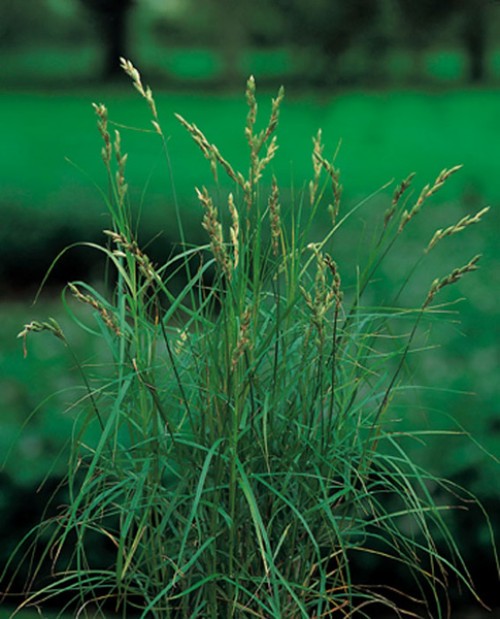
Palm-leaved sedge (18 cm) – Carex muskingumensis
Carex muskingumensis – Palm-leaf sedge for pond edgeCarex muskingumensis is an ornamental grass for damp locations and the edge of garden ponds, known for its umbrella-like arranged leaves. With a height of 60–80 cm, it brings a calm structure to the shore and shallow water zone. It is suitable for a planting depth of 0 to –15 cm, with the flowering period from June to August (VI–VIII).Flowering period: VI–VIII (June to August)Height: approx. 60–80 cmPlanting depth: 0 to –15 cmPot size: approx. 18 cmPlant specifications: They create a calm, natural structure at the pond edge – ideal as a “frame” for flowering shoreline plants.Thanks to the planting depth 0 to –15 cm, the palm-leaf sedge can be flexibly placed in shoreline and shallow water areas.The 18-cm pot gives the plant a stable start and makes it easier to plant in the desired spot.Technical data:Botanical name: Carex muskingumensisGerman name: Palm-leaf sedgeHeight (cm): 60 / 80 cmPlanting depth: 0 / –15 cmFlowering period: VI–VIIIWinter hardiness zone: Zone 1 / 2Pot size: 18 cmWith Carex muskingumensis (Palm-leaf sedge / Umbrella Flat Sedge) you are choosing a structural grass that looks particularly elegant at the garden pond edge. The leaves are arranged like umbrellas and visually resemble small palm fronds – creating a clear, yet still natural, shape, instantly enhancing pond edges. Especially where there are many soft-growing plants around the pond, this sedge provides a calm counterpoint and brings order to the overall picture.With a height of approx. 60 to 80 cm, Carex muskingumensis is ideal for the middle to background of the shoreline planting. It can visually “frame” pond edges without completely covering the water surface. It is particularly harmonious in small groups or as a recurring element along the bank – this creates a natural rhythm that makes the pond look as if it were all of a piece. The flowering period from June to August (VI–VIII) complements the seasonal cycle; for this plant, however, the attractive leaf structure is usually the main focus.The recommended planting depth of 0 to –15 cm makes the palm-leaf sedge suitable for the shore and shallow water zone. Plant it in moist bank soil or place it in a very shallow water area – depending on how your pond is laid out.The delivery in an 18-cm pot makes planting easier and gives the plant a good root volume for a secure start. If you prefer a tidy, easily controlled pond edge, a planting basket is a practical solution: this keeps the plant stable in the desired place and makes it easy to move if necessary.Thanks to zone 1–2, Carex muskingumensis is suitable for perennial pond installations in many regions and is a low-maintenance choice if you want to combine structure, height and a natural appearance.Note on shipping: We make every effort to ensure that our plants arrive healthy and undamaged. Despite the greatest care, plants may be slightly damaged during postal shipping or other unforeseen events. These include brown leaves as well as bent branches. We accept no liability for this. Do not plant in open waters such as lakes or biotopes. Zoo-Roco tip: Plant the palm-leaf sedge so that from your main viewing axis it “frames the pond” – for example, on the left and right of a seating area view of the water. At a depth of 0 to –15 cm it looks especially natural, and in a planting basket its shape stays neat and can be corrected at any time.

CHF 19.90

Dwarf water lily – Nymphaea Pygmaea Rubra
Dwarf water lily Nymphaea pygmaea ‘Rubra’ red (18cm)The dwarf water lily Nymphaea pygmaea ‘Rubra’ brings an elegant splash of colour to the water’s surface with its red flowers. Thanks to its compact form, it is particularly suitable for smaller garden ponds as well as mini ponds and bowls. Ideal if you want a water lily that doesn’t take up too much space.Dwarf-form water lily – suitable for small water areasFlower colour: redGrowth: compact, for a controlled leaf areaArea of application: Garden pond, mini pond, tub/bowlTechnical dataBotanical name: Nymphaea pygmaea ‘Rubra’English name: Dwarf water lilyFlower colour: redPlanting depth: -10 to -40cmFlowering period: June to September Pot size: approx. 18 cmWith the dwarf water lily Nymphaea pygmaea ‘Rubra’ you bring the typical water lily atmosphere into the garden – even if your pond is rather small or you want to plant in a mini pond or tub. Dwarf water lilies are designed to unfold a harmonious effect in a limited space: Floating leaves on the surface and an attractive blossom, without the water area being quickly completely covered. The ‘Rubra’ variety creates an elegant, easily visible splash of colour with its red flowers.Especially with smaller garden ponds, balanced planting is crucial. Water lilies that grow too vigorously can quickly dominate the surface and “close” the water effect. In comparison, a dwarf water lily remains more compact and is therefore a good choice if you want a calm, well-kept look and nevertheless do not want to do without the classic water lily eye-catcher. ‘Rubra’ is particularly effective when positioned so that you have a good view of the flowers from your seat or terrace – as the red shades clearly stand out against the water and greenery.For establishing, stable placement is important, ideally in a planting basket or a suitable container. This way the rhizome lies undisturbed, and you can adjust the position if necessary. If you are looking for a compact water lily with a strong colour, Nymphaea pygmaea ‘Rubra’ is a fitting choice for a natural yet controlled pond design.Note: We make every effort to ensure that our plants arrive healthy and undamaged. Despite the greatest care, it may occur that plants are slightly damaged during postal delivery or by other unforeseen events. This includes both brown leaves and bent branches. We accept no liability for this. Do not plant in open waters such as lakes or biotopes. Zoo-Roco tip: Put dwarf water lilies in a planting basket so you can easily adjust their position. If the plant is still small at first, start out higher (shallower) and lower them later – this often encourages quicker growth and flowering.

CHF 35.00

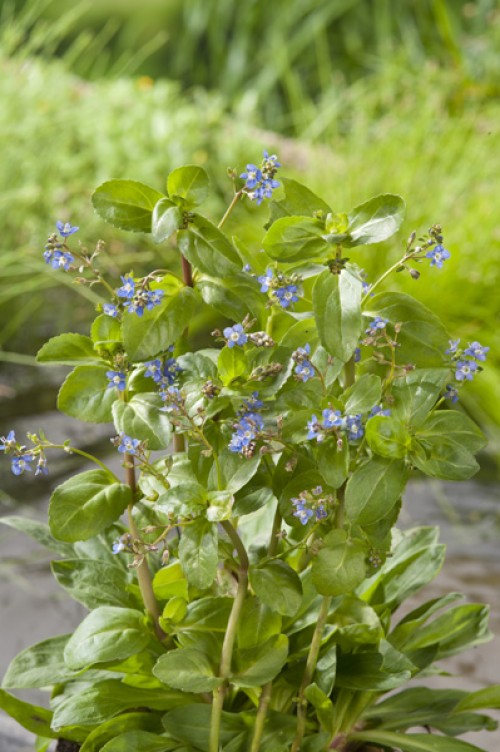
Bachbunge (9 cm) – Veronica beccabunga
Veronica beccabunga – Brooklime for pond edge & banksVeronica beccabunga (Brooklime) is a low-growing pond-edge plant for damp banks and the shallow water zone. It is suitable for a planting depth of 0 to –15 cm and remains pleasantly compact at a height of 10–20 cm. The flowering period runs from May to September (V–IX).Flowering period: V–IX (May to September)Hardiness/Zone: Zone 1–2Height: approx. 10–20 cmPot size: approx. 9cmSpecifications for the plant:They visually green pond edges and stream courses softly and naturally, without obstructing the view of the water. Thanks to the long flowering period V–IX, the border zone remains lively for many weeks.With zone 1–2, brooklime is suitable for perennial, low-maintenance pond plantings.Technical data:Botanical name: Veronica beccabungaGerman name: BrooklimeFlowering period: V–IXWinter hardiness zones: Zone 1 / 2Height: approx. 10–20 cmPlanting depth: 0 to –15 cmWith Veronica beccabunga (Brooklime) you are choosing a compact, natural-looking plant for garden ponds, streams and damp banks. Especially at pond edges there are often transitions that can quickly appear ‘harsh’ – for example at stones, liner edges or between plant baskets. Brooklime helps to visually connect these areas: it grows low, has a calm appearance, and provides a natural finish without overloading the pond edge.A major advantage is the long flowering period from May to September (V–IX). This keeps the edge zone attractive for much of the season and gives a well-maintained appearance. Thanks to the low growth height of approx. 10 to 20 cm, Veronica beccabunga is particularly suitable for the foreground of bank plantings or as a ‘filler plant’ in the shallow water zone. It can be excellently combined with taller structural plants that may stand behind, while the brooklime in the foreground softly outlines the edge visually.The recommended planting depth of 0 to –15 cm makes the plant very flexible: place it directly in moist bank soil or in a very shallow water area, depending on the pond layout. For a neat pond edge and easy care, a planting basket is often helpful, especially if you want to reposition the plant later. For growth, a consistently moist location is crucial. Thanks to zone 1–2, Veronica beccabunga is suitable for perennial pond installations and is a good choice if you are looking for a low-growing, uncomplicated plant for damp areas that integrates harmoniously into a natural pond design.Note on shipping: We do our utmost to ensure that our plants arrive healthy and undamaged. Despite the greatest care, plants may be slightly damaged by postal delivery or other unforeseen events. This includes brown leaves as well as broken twigs. We do not accept liability for this. Do not plant in open waters such as lakes or biotopes.Zoo-Roco tip: Place brooklime along the shore where you want to fill gaps – it looks especially natural when it ‘grows into’ stones. In very shallow areas (up to –15 cm), a planting basket is practical so that the plant stands stably and you can keep design control easily.

CHF 7.90

Ceratophyllum demersum - hornwort / hornwort
Ceratophyllum demersum max. growth height - 120 cm Country of origin Cosmopolitan Suitability Discus aquarium, community aquarium, NanoCubes, perch aquarium Type Floating plant family Ceratophyllaceae Genus Ceratophyllum Propagation Head cuttings, side shoots Growth rate fast pH 6 - 8 Water hardness 5 - 25 °dh Advice Recommended as an algae stopper for all new installations. Care instructions The hornwort is a cosmopolitan plant that can be found in many bodies of water around the world. We found the free-floating stem plant in huge populations in a tributary of the Rio Miranda on the edge of the Pantanal in South America. The growth rate of the stems is enormous, so they have to be constantly pruned. Ceratophyllum is considered a "miracle weapon" against algae growth. The explanation is quite simple: the plant is a strong nutrient consumer and removes the algae's food source. The use of hornwort is recommended for every new aquarium.Wir sind sehr bemüht, dass unsere Pflanzen gesund und unbeschädigt bei Ihnen ankommen. Trotz grösster Sorgfalt, kann es vorkommen, dass Pflanzen durch den Postversand oder andere unvorgesehene Ereignisse, leicht beschädigt sind. Dazu zählen braune Blätter gleichermassen, wie abgeknickte Zweige. Dafür übernehmen wir keine Haftung.

From CHF 7.50

Suggested products

Japanese orchid (9 cm) – Bletilla striata Alba
Bletilla striata Alba – Japanese orchid for the watersideBletilla striata is a garden-suitable orchid for damp locations at the edge of ponds and in natural-style beds. It is ideal for planting along the banks above the waterline and brings elegant flowers to areas near the pond.Flower colour: whiteHeight (cm): approx. 30–40 (depending on location)Planting depth: approx. 5–8 cm (guide)Flowering period: Spring to early summer (depending on the climate)Key benefitsVisually connects the pond and garden with a delicate, natural effectIdeal for semi-shaded banks with consistent soil moistureCombines well with ferns, grasses and shade perennials at the edge of the pondTechnical dataBotanical name: Bletilla striata AlbaCommon name: Japanese orchidHeight (cm): approx. 30–50 (depending on location)Planting depth: approx. 5–8 cm (guide)Flowering period: Spring to early summer (depending on the climate)Winter hardiness: depends on location; best protected when pottedPot size: 9 cmPond zone: Pond edge / shore area above the waterline (not zone 1)Bletilla striata Alba, the Japanese orchid, is a special ‘ Wahl ’ for anyone wishing to create a natural yet elegant pond area. Unlike traditional aquatic plants, it does not belong in the water, but thrives particularly well at the pond’s edge in moist, humus-rich soil. Precisely where the soil receives regular moisture but is not permanently flooded, it can establish itself well and enhance the visual transition between the bank and the garden.A semi-shaded spot is ideal, for example at the edge of a copse near a pond or in a waterside planting scheme with perennials and ferns. Ensure the soil is well-drained and free from waterlogging. During dry spells, regular watering helps to ensure the plant remains evenly supplied with moisture. If Bketilla is grown in a pot, good drainage is essential; in winter, a sheltered spot may be advisable.Note on shipping: We make every effort to ensure that our plants arrive at your address healthy and undamaged. Despite our utmost care, plants may occasionally sustain minor damage during postal delivery or due to other unforeseen circumstances. This includes brown leaves as well as snapped stems. We accept no liability for this. Do not plant in open waters such as lakes or biotopes.Zoo Roco tip: If you wish to plant Bletilla striata Alpa by a pond: plant it above the waterline in moist, loose soil. A small distance from the water’s edge prevents the roots from being permanently waterlogged – this is the most common reason why perennials planted near a pond fail to thrive.

CHF 7.90

Japanese orchid (9 cm) – Bletilla striata
Bletilla striata – Japanese orchid for the watersideBletilla striata is a garden-suitable orchid for damp locations at the edge of ponds and in natural-style beds. It is ideal for planting along the banks above the waterline and brings elegant flowers to areas near the pond.Flower colour: pinkHeight (cm): approx. 30–50 (depending on location)Planting depth: approx. 5–8 cm (guide)Flowering period: Spring to early summer (depending on the climate)Key benefitsVisually connects the pond and garden with a delicate, natural effectIdeal for semi-shaded banks with consistent soil moistureCombines well with ferns, grasses and shade perennials at the edge of the pondTechnical dataBotanical name: Bletilla striataCommon name: Japanese orchidHeight (cm): approx. 30–50 (depending on location)Planting depth: approx. 5–8 cm (guide)Flowering period: Spring to early summer (depending on the climate)Winter hardiness: depends on location; best protected when pottedPot size: 9 cmPond zone: Pond edge / shore area above the waterline (not zone 1)Bletilla striata, the Japanese orchid, is a special ‘ Wahl ’ for anyone wishing to create a natural yet elegant pond area. Unlike traditional aquatic plants, it does not belong in the water, but thrives particularly well at the pond’s edge in moist, humus-rich soil. Precisely where the soil receives regular moisture but is not permanently flooded, it can establish itself well and enhance the visual transition between the bank and the garden.A semi-shaded spot is ideal, for example at the edge of a copse near a pond or in a bankside planting with perennials and ferns. Ensure the soil is well-drained and free from waterlogging. During dry spells, regular watering helps to ensure the plant remains evenly supplied with moisture. If Bletilla is grown in a pot, good drainage is essential; in winter, a sheltered spot may be advisable.Note on shipping: We do our utmost to ensure that our plants arrive at your address healthy and undamaged. Despite our utmost care, plants may occasionally be slightly damaged during postal delivery or due to other unforeseen circumstances. This includes brown leaves as well as snapped stems. We accept no liability for this. Do not plant in open water such as lakes or biotopes.Zoo Roco tip: If you wish to plant Bletilla striata by a pond: plant it above the waterline in moist, loose soil. A small gap from the water’s edge prevents the roots from being permanently waterlogged – this is the most common reason why perennials planted near a pond struggle.

CHF 7.90

Six-pack – Fragrant
Mixed basket of pond plants “Sixpack – Fragrant” (height 20–30 cm) Aromatic variety for the garden pond – with fragrant pond plants Give your pond a new sensory dimension!The mixed basket "Sixpack – Fragrant" combines six aromatic aquatic and marsh plants that are not only visually stunning, but also captivate with their natural scent. Ideal for pond edges, shallow water zones, mini-ponds and natural garden design. Pre-planted in the basket – simply place in the water Growth height approx. 20–30 cm – compact & versatile Equally suitable for fragrance lovers and insect enthusiasts Included plant species: Acorus calamus (calamus – aromatic foliage) Geranium palustris (marsh cranesbill – delicately scented flower)Houttuynia cordata 'Chameleon' (Fragrant & colourful) Mentha aquatica (water mint – intense mint scent) Preslia cervina (musk plant – fragrant herb species) Zantedeschia aethiopica (Calla – elegant appearance, light fragrance) Please note that the individual plants may vary. It is possible that you may not receive exactly the plants listed - this depends on availability. This plant mix turns your pond into a place of relaxation – with natural fragrance, flowering accents and ecological benefits. Fragrant pond plants – an experience for all the senses!We make every effort to ensure that our plants arrive healthy and undamaged. Despite the utmost care, it may happen that plants are slightly damaged during postal delivery or due to other unforeseen events. This includes brown leaves as well as bent stems. We accept no liability for this. Do not plant in open waters, such as lakes or biotopes.

CHF 39.00

Six-pack – Purifying
Mixed basket of pond plants “Sixpack – Purifying” (height 20–30 cm)Natural filtration system for your pond – with purifying plant species Improve the water quality in your garden pond without any technology!The mixed basket "Sixpack – Purifying" contains six high-performance marsh and aquatic plants that absorb excess nutrients, prevent algae growth and ensure a biological balance in the pond. Ideal for shallow water and bank zones as well as for mini-pondsReady planted – simply place it in, effective immediatelyNatural pond care through root-active plants Included plant species: Acorus calamus (calamus – binds pollutants in the water) Carex riparia (shore sedge – strong root system for filtering effect) Hippuris vulgaris (mare's-tail – oxygenating & purifying)Iris pseudacorus (yellow flag iris – strong-growing & nutrient-consuming)Sparganium erectum (bur-reed – ideal for bank stabilisation & purification) Typha angustifolia (narrow-leaved cattail – biological nutrient filter)Please note that the individual plants may vary. It is possible that you may not receive exactly the plants listed - this depends on availability. With a compact height of 20–30 cm, this mixed basket is particularly versatile and also suitable for smaller ponds. Ecological, effective and decorative – for a clean, healthy pond!We make every effort to ensure that our plants arrive with you healthy and undamaged. Despite the greatest care, it can happen that plants are slightly damaged by postal delivery or other unforeseen events. This includes brown leaves just as much as bent branches. We accept no liability for this. Do not plant in open waters, such as lakes or biotopes.

CHF 39.00

Dwarf water lily – Pygmaea Helvola (18 cm)
Nymphaea ‘Pygmaea Helvola’ – pale yellow flowers for small ponds/mini pondsThe dwarf water lily Nymphaea ‘Pygmaea Helvola’ brings delicate yellow flowers and decorative floating leaves to your mini pond or water tub. Thanks to its compact growth habit, it is particularly suitable for smaller water areas and shallower zones.Product benefits:Dwarf water lily with pale to soft yellow flowersSuitable for small ponds, mini-ponds and containersRecommended water depth: approx. 10–30 cm (shallow zone)Prefers a sunny position (for good flowering)Supplied in a 3 L planting basket Compact: ideal if you don’t have much space in your pondCreates shade and a quiet zone at the water’s surface (ideal for many ponds)Handy in a basket: easy to place and reposition as neededNote on shipping: We make every effort to ensure that our plants arrive at your address healthy and undamaged. Despite taking the utmost care, plants may occasionally be slightly damaged during postal delivery or due to other unforeseen circumstances. This includes brown leaves as well as snapped branches. We accept no liability for this. Do not plant in open water such as lakes or biotopes.

CHF 35.00

Six-pack – Edible
Six-pack of edible pond plants – decorative, aromatic and close to natureWith this six-pack, you can bring a varied selection of edible pond and bank plants into your garden. The plants are ideal for pond edges, marsh areas, wet areas, mini-ponds or plant baskets.They provide fresh greenery, interesting leaf textures and, depending on the variety, aromatic leaves for salads, tea or creative cooking.The selection may vary depending on availability and contains selected species from the range of edible aquatic and shore plants.Acorus calamusCommon name: CalamusBotanical name: Acorus calamusFlower colour: yellow-green, rather inconspicuousFlowering period: June to JulyHeight: approx. 60–100 cmPlanting depth: approx. 0–30 cmWater level Winter hardiness: hardy, approx. USDA Zones 4–9Usage: The roots are traditionally used as a dietary supplement.Mentha aquaticaCommon name: Water mint Botanical name: Mentha aquatica Flower colour: pink to violet Flowering period: July to September Height: approx. 15–60 cm Planting depth: moist soil to shallow marsh area, approx. 0–10 cm water level Winter hardiness: hardy, approx. USDA Zones 5–9 Usage: The aromatic leaves are suitable for tea, drinks and various dishes.Nasturtium officinaleCommon name: Watercress / garden cress Botanical name: Nasturtium officinaleFlower colour: whiteFlowering period: May/June to JulyHeight: approx. 15–80 cmPlanting depth: moist soil to shallow water, approx. 0–10 cm water levelWinter hardiness: hardy, approx. USDA Zones 6–9Usage: The fresh leaves are spicy and ideal for salads, sandwiches or as a garnish.Oenanthe aquaticaCommon name: Water fennelBotanical name: Oenanthe aquaticaFlower colour: whiteFlowering period: June to SeptemberHeight: approx. 30–120 cmPlanting depth: approx. 0–30 cm water levelWinter hardiness: hardy, approx. USDA Zones 5–9Usage: Described on the label as a salad plant.Important note: Oenanthe species can be confused with poisonous species and are sometimes described as poisonous. Rumex sanguineusCommon name: Blood sorrel / red-veined sorrelBotanical name: Rumex sanguineusFlower colour: greenish to reddishFlowering period: June to AugustHeight: approx. 30–70 cmPlanting depth: moist soil up to approx. 0–5 cm water levelWinter hardiness: hardy, approx. USDA Zones 4–8Usage: Young leaves can be used in salads and are particularly decorative because of the red leaf veins.Tulbaghia violaceaCommon name: Indoor garlic / Cape garlic / garlic lilyBotanical name: Tulbaghia violaceaFlower colour: purple to pink-violetFlowering period: June to October, sometimes longer depending on the locationHeight: approx. 30–60 cmPlanting depth: slightly moist to normal soil, not a permanent deep-water plantWinter hardiness: only partially hardy, approx. USDA Zones 7–10; overwinter protected or frost-free in cold regionsUsage: The leaves have a fine garlic flavour and can be used in various dishes like chives.Veronica beccabungaCommon name: Water speedwell / brooklimeBotanical name: Veronica beccabungaFlower colour: blueFlowering period: May to August/SeptemberHeight: approx. 20–40 cmPlanting depth: moist soil to shallow water, approx. 0–20 cm water levelWinter hardiness: hardy, approx. USDA Zones 4–8Usage: The leaves can be used in salads and have a strong flavour.Zoo Roco Tip: For best results, plant edible pond plants in plant baskets with nutrient-poor pond soil. This keeps the plants well under control, is easy to care for, and allows them to be easily moved or harvested if necessary. Only healthy, clean leaves should be harvested for culinary use and washed thoroughly before use. Only use plants from controlled cultivation and not from ponds with fish medications, fertiliser residues or unknown water quality.

CHF 39.00

Water lily Chormatella (18cm) - yellow
Nymphaea 'Chromatella' - Yellow water lily in a 3-liter basket (18 cm)Bright yellow flowers for sunny accents in the garden pond.Nymphaea 'Chromatella' is a proven and extremely popular variety among the yellow-flowering water lilies. Its large, fragrant flowers appear from June to September and provide bright color accents on the surface of the water. Thanks to its high adaptability, it is ideal for medium to large garden ponds.Flower color: yellowPlanting depth: -30 to -100 cmFlowering time: June to September (VI-IX)Hardiness zone: Zone 4 - hardy & reliable perennialIn a large 3-liter basket (18 cm) - vigorous growth & stable developmentThe strong floating leaves of Nymphaea 'Chromatella' shade the water surface, reduce algae growth and create a natural balance in the pond. It not only impresses with its bright color, but also with its vigorous growth and longevity.A classic, low-maintenance water lily with a sunny character - ideal for permanent pond greening.We make every effort to ensure that our plants arrive at your doorstep healthy and undamaged. Despite the utmost care, it is possible that plants may be slightly damaged during postal delivery or due to other unforeseen circumstances. This includes brown leaves as well as broken branches. We accept no liability for this. Do not plant in open waters such as lakes or biotopes.

CHF 59.00

Water lily Carnea (18cm) - pink
Nymphaea 'Carnea' - Pink water lily for garden pondsDelicate pink flowers - ideal for medium-sized to large ponds.Nymphaea 'Carnea' is a classic, pink water lily with elegant flowers and decorative floating leaves. Its delicate pink flowers appear reliably from June to September and create a romantic, natural pond look. Suitable for planting depths from -40 to -120 cm, it is particularly flexible in pond design and unfolds its full effect in larger garden ponds.Flower color: pinkPlanting depth: -40 to -120 cmFlowering time: June to September (VI-IX)Hardiness zone: Zone 4 - frost-resistant & reliably hardySupplied in a 3-liter basket (18 cm) - for stable growthThe Nymphaea 'Carnea' not only brings color into play, but also contributes to algae reduction and pond shading with its large floating leaves - a plus for water quality and biological balance.Easy to care for, harmonious in color and ideally suited for near-natural water landscapes.We make every effort to ensure that our plants arrive at your doorstep healthy and undamaged. Despite the utmost care, it is possible that plants may be slightly damaged during postal delivery or due to other unforeseen circumstances. This includes brown leaves as well as broken branches. We accept no liability for this. Do not plant in open waters such as lakes or biotopes.

CHF 59.00

Dwarf water lily – Nymphaea Pygmaea Alba (18cm)
Nymphaea pygmaea ‘Alba’ – dwarf water lily white-yellowThe dwarf water lily Nymphaea pygmaea ‘Alba’, with its white-yellow flowers, adds a serene, elegant touch to the water’s surface. Thanks to its compact growth habit, it is particularly suitable for smaller garden ponds or basins where a classic water lily would be too vigorous. Ideal if you want a delicate floral effect without the pond looking ‘overcrowded’.Dwarf water lily – suitable for smaller pondsFlower colour: white-yellowGrowth habit: compact, with a modest foliage and flower displaySuitable for: garden pond, mini-pond, pot/tank (depending on the setup)Technical dataBotanical name: Nymphaea pygmaea ‘Alba’Common name: Dwarf water lilyFlower colour: white-yellowPlanting depth: between -10 and -40 cmFlowering period: from June to September Pot size: approx. 18 cmWith the dwarf water lily Nymphaea pygmaea ‘Alba’, you can create particularly stylish water features – even if your garden pond is rather small or you wish to plant in a mini-pond . Dwarf water lilies are designed to create the classic water lily effect in a limited space: the leaves float on the surface, whilst the delicate water lilies emerge from them.The ‘Alba’ variety impresses with a white-yellow flower colour, which has a very calming effect and can be easily combined with various pond and border plants. The choice of plants is particularly crucial in smaller ponds: water lilies that grow too vigorously can quickly dominate the surface. The dwarf water lily remains comparatively more compact and is therefore ideal if you want to keep the water’s surface deliberately open. At the same time, water lilies create a pleasant pond atmosphere: the flowers draw the eye to the water, and the floating leaves give the pond a natural ‘centre’. For good establishment, a stable position is important – ideally in a planting basket or a suitable container, so that the substrate and rhizome are securely in place and you can adjust the position if necessary.If you’re looking for subtle, high-quality blooms and want to opt for a compact water lily, Nymphaea pygmaea ‘Alba’ is a suitable choice for a well-maintained, natural-looking pond design. Note on dispatch: We do our utmost to ensure that our plants arrive at your address healthy and undamaged. Despite taking the utmost care, plants may occasionally sustain minor damage during postal delivery or due to other unforeseen circumstances. This includes brown leaves as well as snapped stems. We accept no liability for this. Do not plant in open waters such as lakes or biotopes.Zoo-Roco tip: With dwarf water lilies, it’s worth placing the plant a little higher to begin with and then lowering it later if necessary – this usually helps it to grow more quickly. If you’re planting in a pot/mini-pond, make sure the water lily gets enough sun and isn’t shaded by plants around the edge.

CHF 35.00

Attraction water lily (18cm) - red
Nymphaea 'Attraction' - Red water lily in a 3-liter basket (18 cm) Intense red flowers for elegant accents in the garden pondNymphaea 'Attraction' is a particularly popular variety among the red water lilies. With its large, deep red flowers and rich, green floating leaves, it adds a bright splash of color to any garden pond. Supplied in a sturdy 3-liter planting basket (18 cm diameter), it is ready to plant immediately for medium pond depths.Flower color: redPlanting depth: -40 to -80 cmFlowering time: June to September (VI-IX)Hardiness zone: Zone 4 - hardy & robustLarge planting basket for vigorous growthNymphaea 'Attraction' opens its beautiful flowers during the day and closes them at dusk - a fascinating play of nature. Its shady leaves also help to keep the pond water clear.Elegance in red - a colorful, hardy water lily for every ornamental pondWe make every effort to ensure that our plants arrive at your doorstep healthy and undamaged. Despite the utmost care, it is possible that plants may be slightly damaged during postal delivery or due to other unforeseen circumstances. This includes brown leaves as well as broken branches. We accept no liability for this. Do not plant in open waters such as lakes or biotopes.

CHF 59.00

Water lily Alba (18cm) - white
Nymphaea alba - White water lily in a 3-liter basket (18 cm)Classic beauty for the garden pond - with elegant, white flowers.Nymphaea alba, also known as the white water lily, is one of the most popular pond plants of all. With its large, pure white flowers and round floating leaves, it lends a calm, elegant atmosphere to any garden pond. It is supplied in a large 3-liter plant basket (18 cm diameter) and is ideal for medium to deeper pond zones.Flower color: whitePlanting depth: -40 to -100 cmFlowering time: June to September (VI-IX)Hardiness zone: Zone 4 - absolutely hardyIn a 3-liter basket for strong, secure growthThe white water lily not only provides a decorative eye-catcher, but also natural shade that reduces algae growth in the pond. It is robust, easy to care for and a reliable bloomer for years to come.Timeless pond plant for classic waterscapes - robust, hardy and beautiful.We make every effort to ensure that our plants arrive at your doorstep healthy and undamaged. Despite the utmost care, it is possible that plants may be slightly damaged during postal delivery or due to other unforeseen circumstances. This includes brown leaves as well as broken branches. We accept no liability for this. Do not plant in open waters such as lakes or biotopes.

CHF 59.00

Water lily Aurora (18cm) - copper
Nymphaea 'Aurora' - Copper-colored water lily in a 3-litre basket (18 cm)Color-changing blooms for large garden ponds.Nymphaea 'Aurora' is an impressive variety for garden ponds that creates fascinating color accents on the surface of the water with its changeable flowers in delicate shades of yellow, orange and copper. Its colorful effect is particularly effective in large ponds.Flower color: Copper-colored with natural color gradientPlanting depth: -30 to -60 cmFlowering time: June to September (VI-IX)Hardiness zone: Zone 4 - absolutely hardyLarge 3-liter basket (18 cm diameter) - for vigorous growth & secure hold in deep waterThis water lily is ideal for ponds and natural ponds, where it not only has a decorative effect with its lush leaves, but also reduces algae growth and supports the pond climate.Robust, hardy variety with exceptional flower color - perfect for large water landscapes.We make every effort to ensure that our plants arrive at your doorstep healthy and undamaged. Despite the utmost care, it is possible that plants may be slightly damaged during postal delivery or due to other unforeseen circumstances. This includes brown leaves as well as broken branches. We accept no liability for this. Do not plant in open waters such as lakes or biotopes.

CHF 59.00

Customers also saw

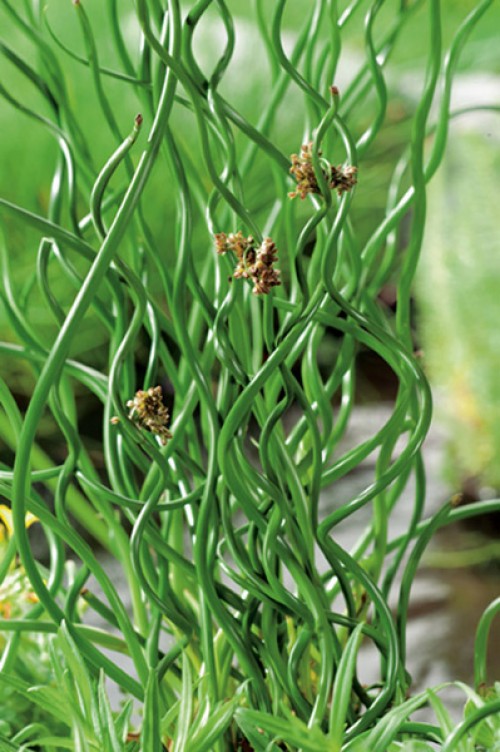
Spiral rush (9 cm) – Juncus effusus ‘Spiralis’
Juncus effusus ‘Spiralis’ – Corkscrew rush Pond edge & bankJuncus effusus ‘Spiralis’ is an extraordinary pond-edge plant with twisted, corkscrew-like stems, which immediately adds structure and interest to the bank zone. It is suitable for a planting depth of 0 to –15 cm, making it ideal for the pond edge or very shallow areas. With approx. 40–60 cm height, it remains present without obscuring the view of the water.Growth habit: corkscrew-like twisted stemsArea of use: Pond edge / Bank zone / Shallow water zoneHeight: approx. 40–60 cmPot size: approx. 9 cmSpecifications for the plant:You create a clear design accent at the pond edge, as the twisted stems stand out even without flowersThanks to a planting depth of 0 to –15 cm, the corkscrew rush can be placed flexibly in bank and shallow water zones.With Zone 1–2, it is suitable for perennial garden ponds and remains easy to care for.Technical data:Botanical name: Juncus effusus ‘Spiralis’Common name: Corkscrew rushHeight (cm): 40 / 60 cmPlanting depth: 0 / –15 cmWinter hardiness zone: Zone 1 / 2Pot size: 9 cmWith Juncus effusus ‘Spiralis’ (Corkscrew rush) you bring a pond-edge plant into the garden that does not impress primarily through its flowers, but through its unique growth habit. The twisted, spiral-shaped stems create an exciting structure and set targeted accents at the garden pond – especially where you want a clear line or a modern contrast to softly growing bank plants. This makes ‘Spiralis’ suitable for both natural-looking ponds and clearly designed features where form and structure take centre stage.With a height of approx. 40 to 60 cm, the corkscrew rush is ideal for the middle ground of the bank planting. It is tall enough to be visible, but remains so compact that the water surface is not completely obscured. It is particularly attractive in small groups or as a recurring element along the pond edge, where the twisted stems create a calm, graphic pattern.The recommended planting depth of 0 to –15 cm makes the plant very flexible: plant it in moist bank soil or place it in very shallow water. For a clean, controllable pond design, a planting basket is often practical – especially as the position at the pond edge can be easily adjusted.The 9 cm pot is ideal if you want to plant several specimens to achieve a uniform structural effect. Thanks to Zone 1–2, Juncus effusus ‘Spiralis’ is winter-hardy and suitable for perennial pond installations. An ideal choice if you want to create your garden pond not only “green”, but also deliberately designed with form and structure.Note on shipping: We make every effort to ensure that our plants arrive healthy and undamaged. Despite the greatest care, it can happen that plants are slightly damaged during postal delivery or other unforeseen events. This includes brown leaves as well as bent stems. We accept no liability for this. Do not plant in open water such as lakes or biotopes.Zoo-Roco tip: Place the corkscrew rush where it can be reflected in the water – then the spiral shape is particularly effective. If you want a very neat edge, place it in a planting basket at a depth of 0 to –15 cm: this way, the shape stays in the right place and you can easily move the plant if required.

CHF 7.90

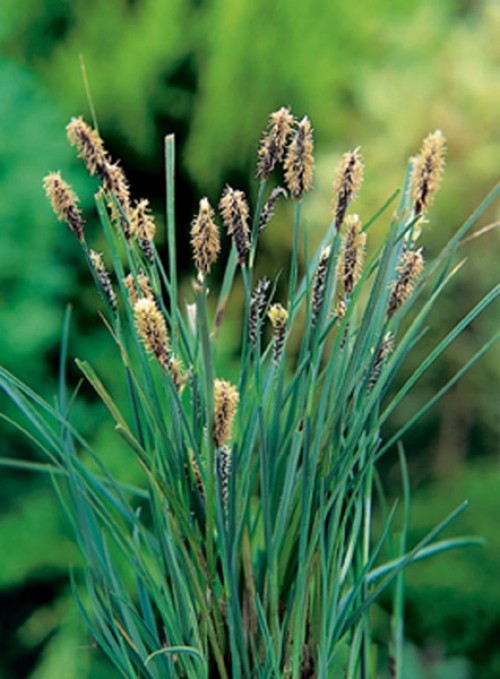
Sedge (9 cm) – Carex panacea
Carex panacea – sedge for pond edges & shallow waterCarex panacea is a hardy sedge for damp banks and the shallow water edge zone of garden ponds. With a height of 60–80 cm, it brings a calm, natural structure to the planting scheme. The flowering period is from June to July (VI–VII), it is suitable for a planting depth of 0 to –15 cm and is hardy in zone 1–2.Flowering period: VI–VII (June to July)Height: approx. 60–80 cmPlanting depth: 0 to –15 cmPot size: approx. 9cmProduct specifications:They provide a stable, natural-looking structure at the pond edge and visually "frame" the shoreline neatly.Thanks to a planting depth of 0 to –15 cm, the sedge can be flexibly positioned on the damp edge or in very shallow water.With zone 1–2, Carex panacea is suitable for perennial, low-maintenance pond planting.Technical data:Botanical name: Carex panaceaCommon name: sedge Height (cm): 60 / 80 cmPlanting depth: 0 / –15 cmFlowering period: VI–VIIWinter hardiness zone: Zone 1 / 2Pot size: 9 cmWith Carex panacea, you choose a reliable structural grass for the garden pond, which permanently organises the bank zone and visually embeds the pond. Especially at pond edges, it is helpful to use plants that not only flower in specific spots, but also create a calm, natural line with their growth habit. Sedges are particularly well suited for this: they look neat, can be combined in various ways and add stability to the edge planting.With a height of approx. 60 to 80 cm, Carex panacea fits ideally into the middle to background of the pondside planting. It can serve as a green frame that structures the pond edge, while lower groundcovers and flowering shallow water plants in the foreground soften the transition to the water. The flowering period from June to July (VI–VII) falls in the early summer phase and complements the season, even if with sedges the focus is usually on foliage and structure.The recommended planting depth of 0 to –15 cm makes the plant flexible in use: directly in damp bank soil or in very shallow water. Depending on the pond layout, you can decide whether the sedge should act more as a marginal plant or as a shallow water element.The 9-cm pot is particularly suitable if you want to plant several plants to quickly achieve an even, natural bank line. For a neat pond edge and better control, a planting basket can be useful – this keeps the plant stable and makes it easier to move if necessary. Thanks to zone 1–2, Carex panacea is winter hardy and therefore well suited for perennial pond schemes. A good choice if you are looking for a calm, low-maintenance structural plant for the garden pond, one that blends harmoniously into natural-looking bank designs.Note on shipping: We make every effort to ensure that our plants arrive healthy and undamaged at your address. Despite utmost care, it is possible for plants to be slightly damaged during postal delivery or other unforeseen events. This includes brown leaves just as much as bent branches. We accept no liability for this. Do not plant in open water such as lakes or biotopes. Zoo-Roco tip: Plant sedges at the pond edge in small groups, slightly staggered, rather than in a straight line – this makes the shoreline appear more natural. If you want to keep the edge very neat, place Carex panacea in a planting basket at a depth of 0 to –15 cm and combine a low ground cover at the front for a soft finish.

CHF 7.90

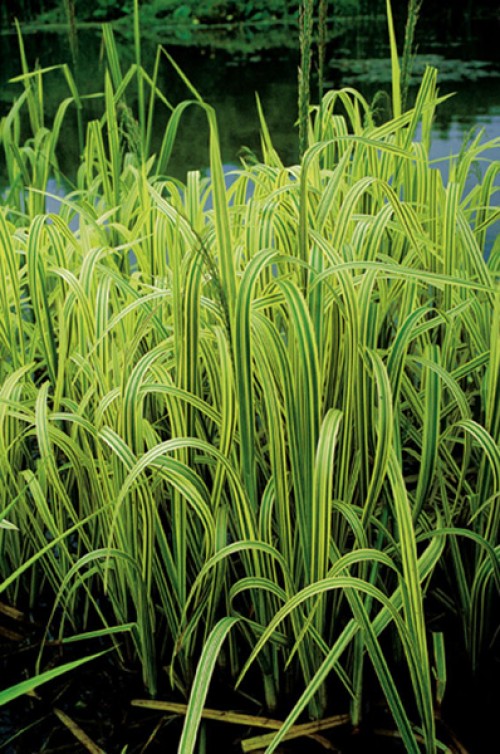
Variegated sweet grass (18 cm) – Glyceria maxima ‘Variegata’
Glyceria maxima ‘Variegata’ – Variegated sweet grass for pond edgesGlyceria maxima ‘Variegata’ is a decorative pond-edge grass with striking, variegated foliage for a crisp, fresh bank appearance. With a height of 60–80 cm, it is ideal for the edge and shallow water zone. The flowering period is from June to August (VI–VIII), and the recommended planting depth is 0 to –15 cm.Area of use: Pond edge / Shore zone / Shallow water zoneFlowering period: VI–VIII (June to August)Height: approx. 60–80 cmPlant basket: approx. 18 cmPlant specifications: With its variegated foliage, it brings lasting structure and brightness to the pond edge – even outside the flowering period.Thanks to a planting depth of 0 to –15 cm, this grass is ideal for shore and shallow water areas.The 18-cm pot ensures a stable start and makes placement in the garden pond easier.Technical specifications:Botanical name: Glyceria maxima ‘Variegata’English name: Variegated sweet grass (also: Variegated water grass)Height (cm): 60 / 80 cmPlanting depth: 0 / –15 cmFlowering period: VI–VIIIWinter hardiness zone: Zone 1 / 2Pot size: 18 cmWith Glyceria maxima ‘Variegata’ you are choosing a pond-edge grass that particularly stands out for its decorative foliage effect. Especially for garden ponds, plants are needed that not only look attractive during short flowering periods, but also provide structure throughout the season. The variegated foliage brings brightness to the shore zone and ensures the pond edge looks well-maintained and clearly structured – ideal as a calm framework for flowering bank plants.With a growth height of approx. 60 to 80 cm , the variegated water grass is suitable for the middle to back row of the pond-edge planting. It visually outlines the shoreline without ‘closing’ the pond completely. It looks especially attractive when planted in small groups or as a recurring element along the edge. This creates a natural rhythm that harmoniously embeds the pond.The flowering period from June to August (VI–VIII) complements the season’s cycle; however, the emphasis is usually on the effect of the structure and foliage. The recommended planting depth of 0 to –15 cm makes Glyceria maxima ‘Variegata’ ideal for the shore and shallow water zone. Plant it in moist edge soil or place it in the very shallow water area – depending on the pond’s layout.Through delivery in an 18-cm pot you get a good root volume, which makes establishment easier and provides more stability. If you want to keep the pond edge especially neat or adjust the position later on, a plant basket is a practical solution: this way, the grass remains where it looks best, and you always have full control over the design.Thanks to zone 1–2, the plant is suitable for perennial pond installations in many regions and is a good choice if you want to combine lasting, calm structure with decorative foliage in your garden pond.Note on shipping: We strive to ensure our plants arrive with you healthy and undamaged. Despite the greatest care, it can happen that plants are slightly damaged by the postal service or other unforeseen events. This includes brown leaves as well as bent twigs. We accept no liability for this. Do not plant in open water such as lakes or biotopes.Zoo-Roco tip: Position the variegated water grass so that it ‘outlines’ the pond edge: plant it slightly offset along the shoreline so a natural but defined structure results. At a depth of 0 to –15 cm it stands firmly – in a plant basket, the edge remains particularly neat and you can easily move the plant as needed.

CHF 19.90

Oase IceFree Thermo ice freezer
IceFree Thermo ice-free holder Keep your garden pond reliably ice-free The IceFree Thermo 330 protects your garden pond in winter by preventing it from freezing over completely. This allows foul gases produced by the decomposition of plant matter to escape and the oxygen exchange is maintained. This protects fish, plants and the entire pond biology even at low temperatures. Main features Automatic thermal switch: Switches the device on and off again at freezing point Cable length 10 m: Flexible positioning in the pond For temperatures down to -20 °C: Reliable protection even in harsh winters Silent operation: Does not disturb the natural rhythm of life of plants and animals Local water heating: Efficient, energy-saving and only in the required area How it works The size of the ice-free area depends on the output and ambient temperature, not the size of the pond. This keeps the IceFree Thermo 330 particularly efficient and easy to use. Technical data Output: Thermo-controlled Temperature range: down to -20 °C Cable length: 10 m Noiseless Advantages for your pond Prevents oxygen deficiency Reduces foul gases in winter Protects fish, plants and microorganismsLow maintenance and energy efficient

CHF 139.00

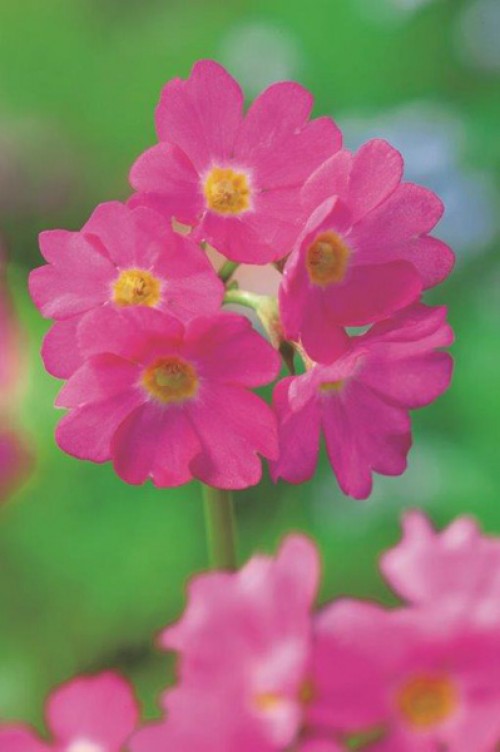
Pink primrose (9 cm) – Primula rosea
Primula rosea – Pink primrose for the pond edgePrimula rosea is a true spring bloomer for damp areas by the garden pond and adds fresh splashes of colour with pink flowers from March to May (III–V). Reaching 20–30 cm high, it remains compact and is ideal for the bank and edge zone. The planting depth is 0 to –15 cm; it is hardy in zones 1.–2.Flower colour: pinkFlowering time: III–V (March to May)Height: approx. 20–30 cmPot size: approx. 9 cmPlant specifications: They bring vibrant colour to the pond edge very early in the year, when many other plants are still holding backThanks to the compact height, the water surface remains visible, while the edge zone blossoms attractively.With a planting depth of 0 to –15 cm, Primula rosea can be placed flexibly in damp bank areas.Technical data:Botanical name: Primula roseaCommon name: Pink primroseHeight (cm): 20 / 30 cmPlanting depth: 0 / –15 cmFlowering time: III–VWinter hardiness zone: Zone 1Pot size: 9 cmWith Primula rosea you get a reliable harbinger of spring by the garden pond. Especially around ponds, the first splashes of colour in the year have a strong effect: while the water surface is still calm and many marginal plants are only just sprouting, Primula rosea already sets bright highlights from March to May (III–V). This makes it ideal for visually opening the pond season early and bringing the edge zone to life.The plant remains pleasantly low at around 20 to 30 cm. This makes it perfect for the foreground at the pond edge, between stones or along paths and stepping stones. It does not obscure the view of the water, but accentuates the shoreline in a subtle, tidy manner. Primula rosea looks particularly harmonious if you plant several specimens in small groups: this creates a calm area that looks as though it has grown naturally and creates a gentle transition from water to garden.The recommended planting depth of 0 to –15 cm makes Primula rosea flexible for damp areas. In practice, it is particularly suitable for damp bank soil or very shallow edge zones, where the substrate remains evenly fresh. The 9-cm pot is ideal if you want to use several plants to create a visible effect more quickly. If you wish to control the position precisely, a small planting basket can be helpful – especially if water levels fluctuate.Thanks to Zone 1, Primula rosea is winter-hardy and fits well in perennial pond edge designs. It is a harmonious addition if you deliberately aim for a beautiful start to the season and want to make the pond edge attractive not only in summer, but already in spring.Note on shipping: We make every effort to ensure that our plants arrive healthy and undamaged. Despite the utmost care, it can happen that plants are slightly damaged in the post or due to other unforeseen events. This includes brown leaves as well as bent shoots. We do not accept any liability for this. Do not plant in open water such as lakes or biotopes.Zoo-Roco tip: Plant Primula rosea where you often walk past in spring – it is perfect for ‘kissing the pond awake’. If the location becomes drier in summer, combine it with low-growing ground covers at the edge so that the soil stays moist for longer.

CHF 7.90

Hedgehog bur (9 cm) – Sparganium erectum
Sparganium erectum – Bur-reed for pond edge & shallow waterSparganium erectum is a vigorous bank and shallow-water plant that naturally structures and stably «frames» pond edges. With a height of 60–80 cm, it is ideal for the middle to background of the bank zone. It can be planted at a depth of 0 to –40 cm and flowers from May to August (V–VIII).Area of use: Pond edge / Bank zone / Shallow water zoneFlowering period: V–VIII (May to August)Height: approx. 60–80 cmPot size: approx. 9 cmSpecifications for the plant: You are bringing a robust structural plant to the pond edge, which ensures a natural, “grown” bank appearance.Thanks to the planting depth of 0 to –40 cm, the bur-reed can be used flexibly – from the damp bank to the shallow water area.With zone 2–3, Sparganium erectum is suitable for perennial garden ponds in many regions.Technical data:Botanical name: Sparganium erectumGerman name: Bur-reedHeight (cm): 60 / 80 cmPlanting depth: 0 / –40 cmFlowering period: V–VIIIWinter hardiness zone: Zone 2 / 3Pot size: 9 cmWith Sparganium erectum (bur-reed), you are choosing a tried-and-tested plant for the natural design of pond edges. It is particularly suitable where the bank area is to be not only flowering but also permanently structured. The bur-reed grows upright and brings stability to the bank area – ideal for visually calming the transition between the water surface and the garden and giving the pond an “embedded” appearance.With a growth height of approx. 60 to 80 cm, Sparganium erectum fits into the middle to background of the border planting. There it can serve as a green frame, in front of which lower pond edge plants and ground covers stand out particularly well. The flowering period from May to August (V–VIII) complements the seasonal cycle, even though with this species the structuring effect through foliage and growth habit is often the primary focus. For a harmonious appearance, it is advisable to plant in small groups or as a recurring element along the bank line.The recommended planting depth of 0 to –40 cm allows for flexible positioning: directly in damp bank soil or in the shallow water area, depending on the pond’s construction. This allows you to specifically control how present the plant is in the overall appearance. The 9-cm pot is ideal if you want to plant several plants in order to quickly achieve a natural bank effect. For a controllable, well-kept pond edge, a planting basket can be useful – this keeps Sparganium erectum in the designated place and makes it easier to move if necessary.Thanks to zone 2–3, the bur-reed is winter-hardy and suitable for perennial pond installations. It is a good choice if you are looking for a robust, long-lived bank plant that permanently structures the pond edge and blends harmoniously into naturalistic planting schemes.Note on shipping: We make every effort to ensure that our plants arrive healthy and undamaged. Despite the greatest care, plants may be slightly damaged by postal shipping or other unforeseen events. This includes brown leaves as well as broken twigs. We accept no liability for this. Do not plant in open water such as lakes or biotopes.Zoo-Roco tip: Do not plant Sparganium erectum in the centre of the pond, but as a border plant along the bank line. If you are unsure to begin with, start at a depth of approx. –10 to –20 cm and later lower the plant towards –40 cm – this makes it very easy to find the optimum position in your own pond.

CHF 7.90

Dwarf rush (18cm) - Juncus ensifolius
Juncus ensifolius - dwarf rush for the garden pondThe dwarf rush is a compact, grass-like pond edge plant that gives banks and shallow water zones a clean visual structure. At 30-40 cm tall, it is ideal for the edge without obscuring the view of the water. It flowers from June to August (VI-VIII) and is hardy in zones 1-2.Flowering period: VI-VIII (June to August)Flower colour: rust redWinter hardiness: Zone 1 - 2Pot: approx. 18 cmPlant specifications:They give the pond edge a calm, natural structure and neatly fill gaps between stones or plant baskets.The planting depth of 0 to -15 cm allows the dwarf rush to be placed flexibly in marginal and shallow water zones.Thanks to zone 1-2, it is suitable for perennial, low-maintenance pond planting.Technical data:Botanical name: Juncus ensifoliusGerman name: Dwarf rushPlanting depth: up to -15 cmFlowering time: VI-VIIWinter hardiness: Zone 1/2Pot: approx. 18 cmWith Juncus ensifolius (dwarf rush), you can choose a plant for your garden pond that impresses with its clear, grass-like structure. Such "calming elements" are particularly important around ponds: they bring order to the bank planting, make transitions look more natural and prevent the edge area from appearing visually restless.Thanks to its compact height of approx. 30 to 40 cm, the dwarf rush is ideal for the foreground to midground - where you want structure but want the water surface to remain visible. The dwarf rush can be used very flexibly as it is suitable for a planting depth of 0 to -15 cm. This makes it perfect for the bank and shallow water zone: directly in moist marginal soil or standing slightly in the water.It looks particularly attractive when planted in small groups or as a recurring element along the edge of the pond. This creates a natural rhythm that visually "captures" the pond. The flowering period is from June to August (VI-VIII). Even if the flowers are often not the centre of attention with rushes, the seasonal indication gives you a good orientation for the development over the summer.Due to its hardiness (zone 1-2), Juncus ensifolius is suitable for perennial pond installations and is an easy-care addition to naturalised, permanent shoreline areas. For a clean, controllable pond design, we recommend using it in a plant basket, depending on the design. This ensures that the plant remains stable in the desired position and you can easily move or divide it if necessary.Shipping note: We make every effort to ensure that our plants arrive healthy and undamaged. Despite the greatest care, it can happen that plants are slightly damaged by the post or other unforeseen events. This includes brown leaves as well as broken branches. We accept no liability for this. Do not plant in open bodies of water such as lakes or biotopes. Zoo Roco tip: Use the dwarf rush as a "framing plant": place it along the edge of the pond at a depth of 0 to -15 cm to make transitions between stones, the edge of the liner and higher-growing shore plants appear calmer. The line remains particularly clean and easy to maintain in plant baskets.

CHF 19.90