
Irish Wolfhound
Irish Wolfhound - Irish Wolfhound
History of the Scottish Terrier
The Irish Wolfhound is one of the oldest known types of sighthound. Its ancestors were valued very early on in Ireland as great hunting and war dogs. Later, the population declined sharply and the breed was systematically rebuilt in the 19th century. A decisive role was played by Capt. G. A. Graham, who consolidated the modern breed with a few remaining dogs of the old type and with Deerhound blood, among other things. The Irish Wolfhound thus also became a symbol of Irish cultural history.
Appearance
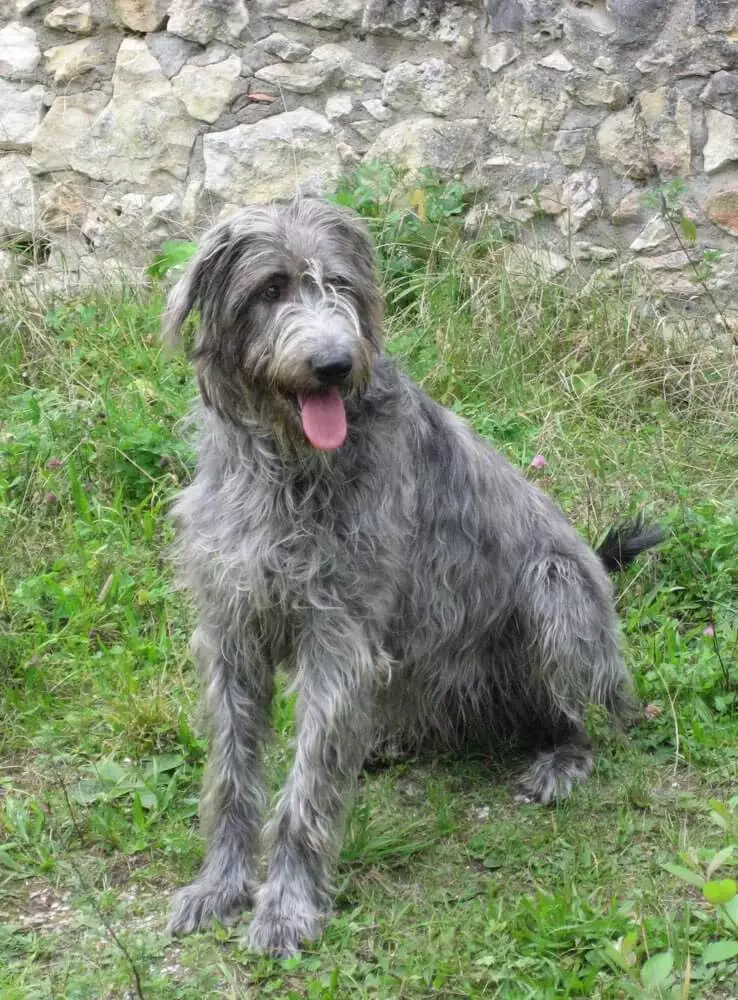
Body shape: The Irish Wolfhound is a very large, imposing yet elegant dog. It should not be as massive as a Great Dane, but more powerful than a Deerhound. Its build is muscular, long-lined and harmonious, with a head and neck carried high and, overall, a light, active gait.
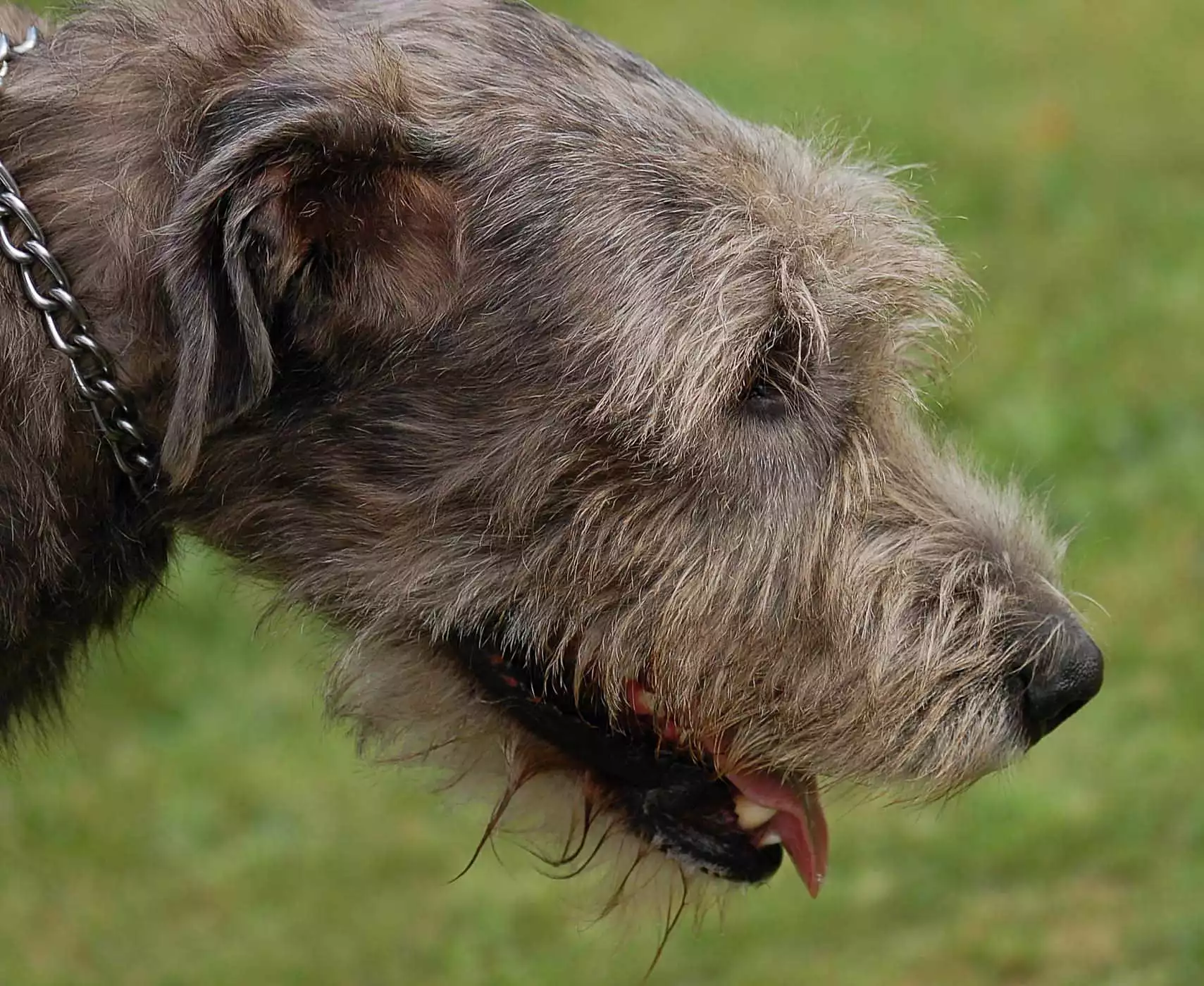
Coat: The coat is rough, hard and weather-resistant. Particularly distinctive is the somewhat shaggy hair above the eyes and on the muzzle. Several colour variations are permitted, including grey, brindle, red, black, white and fawn.
Nature/character
The Irish Wolfhound is considered to be friendly, calm, dignified and people orientated. A famous description of their character is the phrase "a lamb at home and a lion on the hunt". In everyday life, many representatives of the breed show a gentle, patient and rather sensitive demeanour. Despite their size, they are not usually nervous or constantly alert dogs, but rather calm companions with a close bond to their humans.
Grooming
Grooming is generally straightforward, although the wiry coat should be brushed regularly. Loose hair and dirt can usually be removed easily. In addition, ears, claws, teeth and paws should be checked regularly. Due to their enormous body size, care should also be taken to provide a suitable lying surface, exercise that is easy on the joints and a suitable body weight.
Health
Like many very large dog breeds, the Irish Wolfhound also has special health characteristics. Important features include attention to heart problems, bone disease, gastric torsion and joint-related stresses. Growth as a young dog must also be well monitored so that bones and joints are not overloaded. Overall, the breed is considered to be comparatively sensitive in terms of size, and life expectancy is often shorter than with smaller breeds.
Education
Training should be loving, calm and consistent. The Irish Wolfhound is usually sensitive and does not respond well to harshness. Early socialisation, good leash training and basic signals that are safe for everyday use are important, as even a young dog develops enormous strength. Because of its sighthound background, the recall should also be carefully developed. With patience and fair leadership, the breed is generally easy to control.
What are the special features of this breed?
The most striking feature of the Irish Wolfhound is of course its enormous size. The Irish Wolfhound is one of the largest dog breeds in the world. Despite this impressive appearance, it is often gentle, calm and very affectionate. At the same time, it has typical sighthound characteristics, i.e. a certain hunting instinct, dignity, sensitivity and sometimes also a quiet independence. They need a lot of space in everyday life, good management and an awareness that even normal movements of such a large dog can develop a lot of strength.
Suitable for first-time dog owners?
Rather limited. Although the Irish Wolfhound can be friendly and good-natured in character, its size, strength and special health requirements do not make it the easiest breed to start with. However, a very well-informed and responsible first-time dog owner can get on well with this breed with plenty of preparation, suitable support and sufficient space.
Family dog or not?
Yes, in principle the Irish Wolfhound can be a very good family dog. It is often gentle, patient and closely bonded to its people. It usually feels at home in a calm, responsible family with sufficient space and understanding for its needs. Because of its size, however, it should always be closely supervised around small children, simply because such a large dog can be unintentionally very physical.
Login
Suggested products
.jpg "Sitting Boston Terrier")