
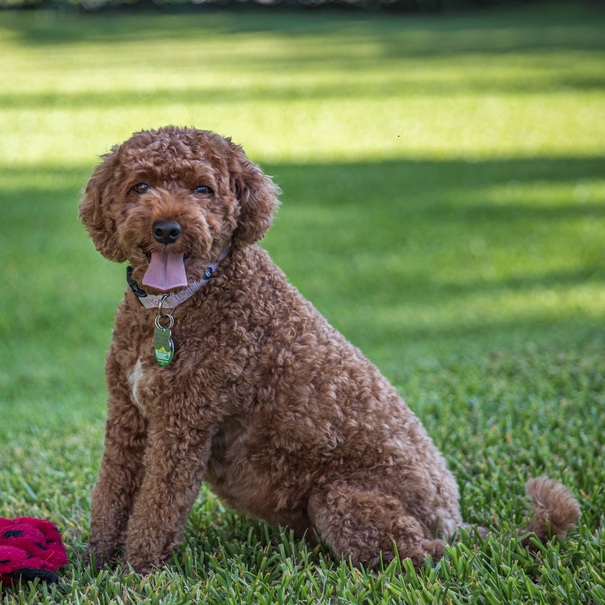
Cocker Spaniel
FCI standard number: 5
Country of origin: Great Britain
Classification: FCI Group 8 (retrieving dogs, sniffer dogs, water dogs)
Height at withers bitch: approx. 38-39 cm
Height at withers male: approx. 39-41 cm
Weight bitch: usually in the range of approx. 13-14.5 kg
Weight male: usually in the range of approx. 13-14.5 kg
Coat colour: many colours possible
Coat texture: smooth, silky, not wiry and not wavy; feathering on legs, chest and ears.
Neck circumference: often around 30.5-40.6 cm (guide value for the collar; please measure on the dog).
Product information "Cocker Spaniel"
Cocker Spaniel profile
History of the Cocker Spaniel
The English Cocker Spaniel was bred to be a hunting dog and was traditionally used for hunting, including woodcock, from which the name "Cocker" is derived.
Appearance
Body shape:
You get a compact, athletic dog with a strong build designed for endurance and agility.
Coat:
The coat is of medium length, silky and with typical feathering. To keep it beautiful, it needs regular grooming, especially on the ears, chest and "pants".
Nature and character
Many Cockers are cheerful, people-oriented, intelligent and eager to work. At the same time, they are often sensitive and, depending on their line and occupation, can quickly "turn on" if there is a lack of rest and structure.
Grooming
They should be brushed regularly and knots untied early, especially on the ears and feathering. Ear care is also important because the long ears can promote ear infections.
Health
Typical issues are ear problems as well as various hereditary diseases, which is why health examinations and proofs are very useful in breeding.
Education
They usually do very well with positive reinforcement, clear rules and consistent recall training. As many Cockers like to work with their nose, search games, retrieving and dummy training help to keep your dog balanced in everyday life.
What special features does this breed have
The Cocker is a search dog that loves to work: active and motivated outdoors, often pleasantly cuddly indoors when well exercised. The long, heavily feathered ears and the need for regular grooming and ear care are typical.
Suitable for first-time dog owners?
Often yes, if you are prepared to train consistently, groom regularly and keep the dog busy and mentally and physically active. If you are looking for a dog that "just works" without training and exercise, it may be more difficult.
Family dog or not?
In many cases, yes: many cockers are friendly, playful and fit well into active families, as long as exercise, activity and rest periods are right
Composition
Feeding recommendation
Technical details
Size information
Login
Suggested products
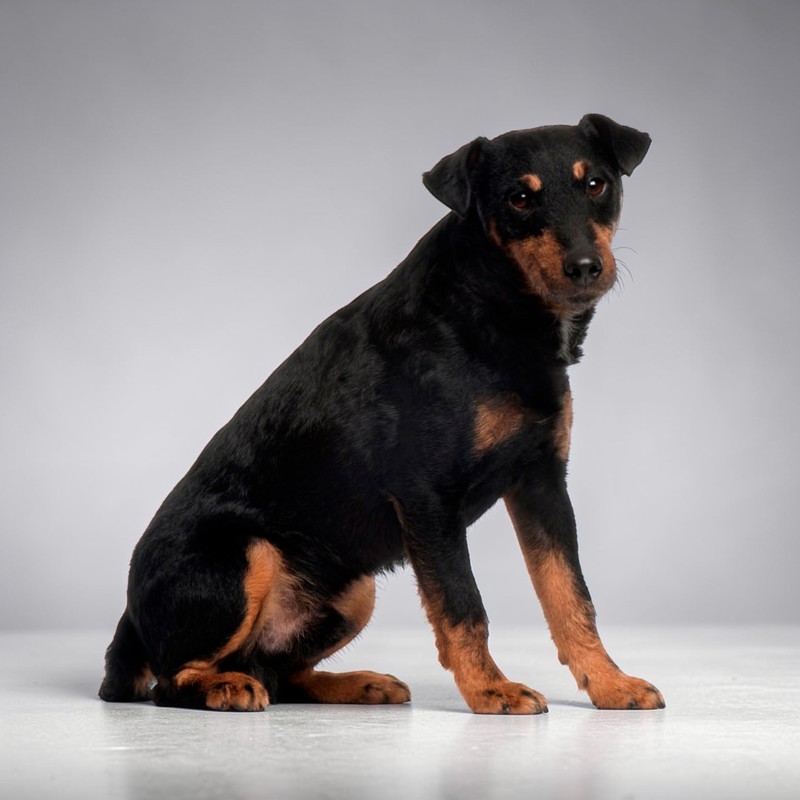
German Hunting Terrier
The German Hunting Terrier
The German Hunting Terrier is a small, compact, very powerful hunting dog. It was specifically bred for hunting work, especially for hunting in the field, rummaging and versatile work before and after the shot. His temperament is courageous, hard, hard-working, persistent, spirited and easy to handle.History of the Scottish TerrierThe breed originated in Germany after the First World War. Some hunters wanted to breed a dog that was consistently orientated towards hunting performance rather than show ideals. Rudolf Frieß, Walter Zangenberg and Carl-Erich Grünewald laid the foundation stone with black and red terriers; later, Old English rough-coated terriers and Welsh terriers were crossed in, among others. The German Hunting Terrier Club was founded in 1926.AppearanceBody shape: The German Hunting Terrier is small, compact, well proportioned and strongly built. It has a rather elongated, wedge-shaped head, dark, deep-set eyes with a determined expression and a high-set, V-shaped tilting ear. The body is muscular, resilient and functionally built - designed for working ability.Coat: The coat is dense, hard and weatherproof. The German Hunting Terrier is available in smooth-haired and rough-haired varieties. It protects him well in the field, undergrowth and water.Nature/characterTypical characteristics are courage, toughness, passion for hunting, endurance, temperament and independence. At the same time, according to the standard, he should be reliable, sociable and easy to handle. In everyday life, this means that it is not a cosy sofa dog, but a dog with a strong will to work and a clear hunting instinct.GroomingGrooming is generally rather uncomplicated. Regular brushing is usually sufficient. More important than extensive grooming is checking ears, eyes, teeth, paws and claws, especially after working in the hunting ground. HealthThe German Hunting Terrier is generally regarded as a robust and hardy breed. Due to its use as a working dog, stress and hunting injuries are more to the fore than many typical beauty problems. However, some sources mention eye problems, in particular a predisposition to primary lens luxation (PLL); health certificates are therefore advisable when choosing a breeder.EducationTraining must be early, consistent, fair and very clear. The German Hunting Terrier is intelligent, but also strong-willed and independent. They need confident leadership, good socialisation and, above all, meaningful exercise. Pure activity games are not enough for many representatives of the breed in the long term.What special features does this breed haveThe most distinctive feature is the very strong hunting instinct combined with toughness, courage and an enormous will to work. The German Hunting Terrier was not bred as a companion dog, but as a fully-fledged hunting dog. It can be used in a variety of ways, for example for hunting in the field, rummaging and water hunting. This is exactly what makes him great for suitable handlers, but often difficult for unsuitable owners.Suitable for first-time dog owners?No. As a rule, the German Hunting Terrier is not a beginner's dog. Its energy, consistency in work, independence and hunting instinct require experience, leadership and suitable activity.Family dog or not?Only limited. The German Hunting Terrier is usually not ideal as a pure family dog. In hunting-led, very active and consistent hands, it can be closely bonded to its people, but without the right amount of exercise for the breed, it is often underchallenged and difficult in everyday life.

German Wirehair
The German Wirehaired PointerHistory of the German ShorthairThe German Shorthaired Pointer developed from pointing dogs that were initially used for hunting with nets and falconry. Such dogs came to German courts via various countries; with the advent of modern hunting weapons, the "pure pointing dog" increasingly became a versatile hunting dog. There has been a stud book since 1897; the breed is still strongly selected today through breeding and testing.AppearanceBody shape:
The German Shorthaired Pointer has a noble, harmonious and athletic build. Its construction is designed for strength, endurance and speed; the body is slightly rectangular (rump slightly longer than the height at the withers).Coat:
Short, dense and functional, generally low-maintenance - but as a shorthair breed, it can still shed noticeably.Temperament and characterHe is considered firm, balanced, reliable and controlled in temperament - neither nervous nor shy or aggressive. At the same time, he is eager to work and needs typical hunting tasks to be satisfied.GroomingThe short coat needs above all regular brushing/wiping, plus ears, claws and teeth as usual. The decisive factor is not so much "cosmetics" as exercise: the German Shorthaired Pointer is an efficient working dog and wants to work physically and mentally.HealthThe German Shorthaired Pointer is generally considered to be robust, but - like many active, larger dogs - can be prone to certain problems, particularly hip and elbow dysplasia.
In addition, gastric torsion (GDV) in deep-chested breeds and other hereditary issues such as PRA (eyes) or subaortic stenosis (heart) are described as relevant issues.EducationTraining works best with clear rules, structure and positive motivation. The German Shorthair learns quickly, but needs consistent leadership and real tasks (nose work, retrieving, field/water work, dummy work). Without training and activity, he will otherwise look for "his own jobs".What are the special characteristics of this breed?A lot of energy and willingness to work: more of a hunting and sporting partner than a pure companion dog.
Versatile hunting dog: performance tests (also widespread in Switzerland) play a major role.
Strong nose and prey drive: recall and impulse control must be established early on.Suitable for first-time dog owners?Conditionally. If you are sporty, enjoy training and stick with it consistently, it can work. If you are looking for a "low-maintenance side dog", the German Shorthaired Pointer is usually too demanding (exercise, training, hunting instinct).Family dog or not?Yes, but only if the family is active. In a structured, active household, he can be very friendly and affectionate. Without enough activity, he quickly becomes unbalanced.
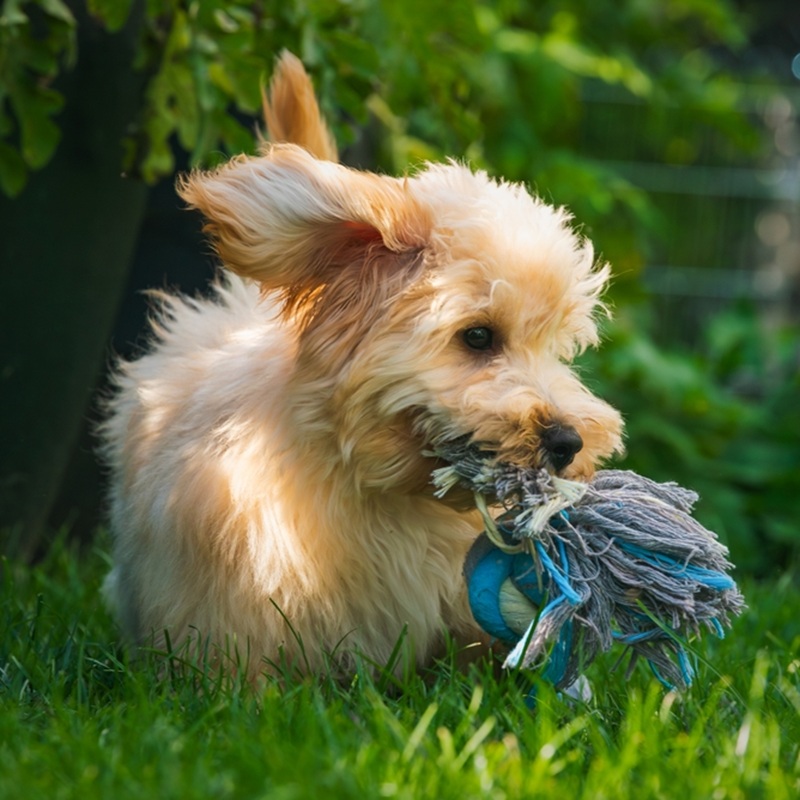
Small poodle
The Toy PoodleHistory of the Scottish TerrierThe poodle officially originates from France. The breed is very old and was used for a long time not only as a companion dog but also as a working dog. The Toy Poodle is the smallest of the four FCI-recognised size variants of the Poodle.AppearanceBody shape: elegant, harmonious, almost square, finely built but not fragile. Despite its small size, the Toy Poodle should have the same proportions as the larger Poodle varieties; according to the standard, signs of dwarfism are undesirable.Coat: luxuriant, curly, hardly hairy, but requires a lot of grooming. It grows back continuously and tangles easily without regular brushing and clipping.Nature/character Toy poodles are very intelligent, eager to learn, affectionate, attentive and playful. They bond closely with their humans, like to be around them and are often sensitive to mood and tone. Without good familiarisation, some can be a little barky, nervous or reluctant to be left alone.GroomingGrooming is the biggest effort: brushing several times a week, often even daily, plus regular clipping or trimming, often about every 6-8 weeks. Ear, eye and dental care are also important.
Health
Well-bred Toy Poodles can live to be quite old; 15-17 years is often mentioned. Due to their very small size, however, you should pay particular attention to serious breeding. Depending on the line, problems such as teething/tooth disease, patella problems or general sensitivities can play a role in very small dogs.EducationTraining is usually pleasant because Toy Poodles learn very quickly and want to please their humans. Nevertheless, clear rules, early socialisation and friendly, consistent handling are important. Because of their intelligence, they not only need walks, but also mental work.What are the special features of this breed?The Toy Poodle combines high intelligence with a small size. It sheds very little, which is why it is often considered more suitable for some allergy sufferers, but at the same time requires very consistent grooming. What's more, it is not just a lap dog, but a clever, active little dog that wants to be kept busy and wants a close family bond. Suitable for first-time dog owners?Yes, basically very good - provided you are prepared to groom them and keep them busy with training and exercise. Toy poodles are often considered good beginner dogs precisely because of their eagerness to learn and their people-orientation.Family dog or not?Yes, generally a very good family dog. Toy poodles are friendly, playful and people-oriented and often get along well with children and other pets if well socialised. However, due to their small size, small children should learn to handle them with care.
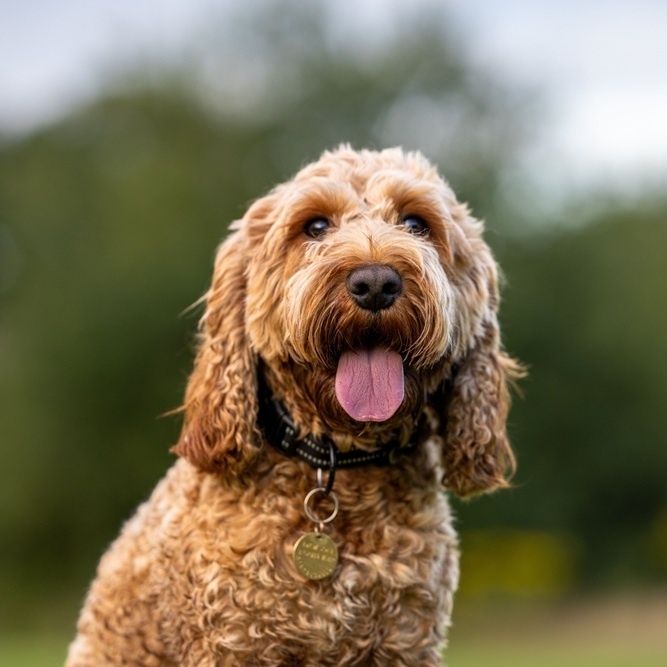
Cocker Spaniel
Cocker Spaniel profileHistory of the Cocker SpanielThe English Cocker Spaniel was bred to be a hunting dog and was traditionally used for hunting, including woodcock, from which the name "Cocker" is derived.AppearanceBody shape:
You get a compact, athletic dog with a strong build designed for endurance and agility.
Coat:
The coat is of medium length, silky and with typical feathering. To keep it beautiful, it needs regular grooming, especially on the ears, chest and "pants".Nature and characterMany Cockers are cheerful, people-oriented, intelligent and eager to work. At the same time, they are often sensitive and, depending on their line and occupation, can quickly "turn on" if there is a lack of rest and structure.GroomingThey should be brushed regularly and knots untied early, especially on the ears and feathering. Ear care is also important because the long ears can promote ear infections.HealthTypical issues are ear problems as well as various hereditary diseases, which is why health examinations and proofs are very useful in breeding.EducationThey usually do very well with positive reinforcement, clear rules and consistent recall training. As many Cockers like to work with their nose, search games, retrieving and dummy training help to keep your dog balanced in everyday life.What special features does this breed haveThe Cocker is a search dog that loves to work: active and motivated outdoors, often pleasantly cuddly indoors when well exercised. The long, heavily feathered ears and the need for regular grooming and ear care are typical.Suitable for first-time dog owners?Often yes, if you are prepared to train consistently, groom regularly and keep the dog busy and mentally and physically active. If you are looking for a dog that "just works" without training and exercise, it may be more difficult.Family dog or not?In many cases, yes: many cockers are friendly, playful and fit well into active families, as long as exercise, activity and rest periods are right
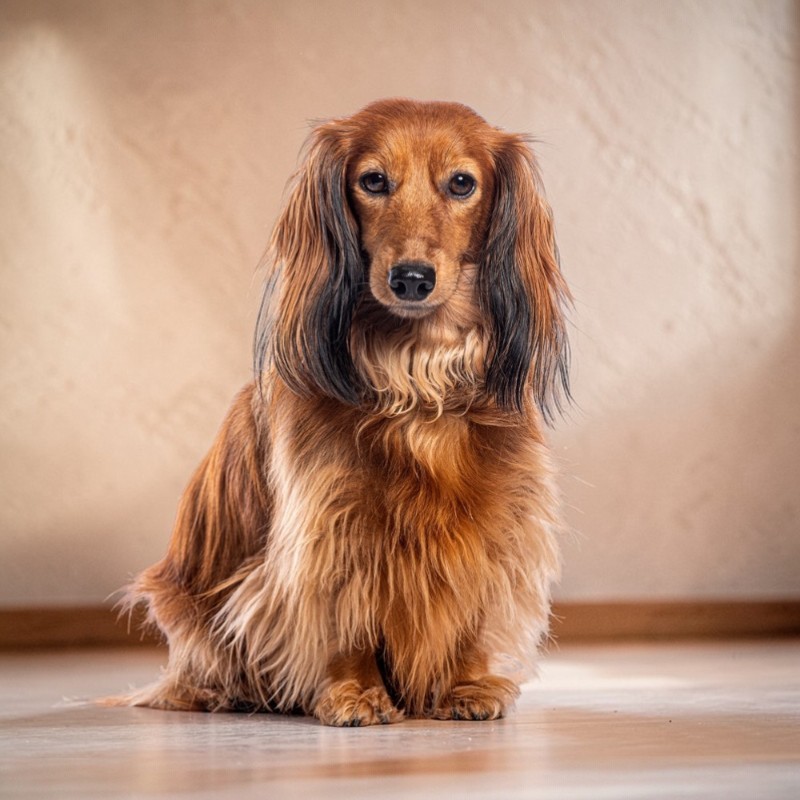
Dachshund
The Dachshund - Dachshund
History of the DachshundThe Dachshund was bred in Germany as a hunting dog. Its physique is no "coincidence", but a tool: short-legged, long in the torso, very muscular and equipped with a lot of courage so that it could work under the ground and take defensive game such as the badger or the fox in the den. Over many decades, the now common varieties developed in three coat types and three sizes, so that the right dachshund could be used depending on the terrain, type of game and task.AppearanceBody shape: The Dachshund is low, elongated and yet compact. It appears strong and agile, with an alert expression and a self-confident demeanour. The distinct musculature is typical, because as a working dog it needs a lot of "body".
A special feature of the Dachshund is that the sizes in the FCI standard are described by the chest circumference. Roughly speaking, there are standard, dwarf and rabbit dachshunds, which differ mainly in the size of their chest.Coat: There are three coat types in the Dachshund: the short-haired variety has a smooth, close-lying coat; the wire-haired variety has a wiry coat with a dense undercoat; and the long-haired variety has a softer, longer coat with feathering on the ears, chest and tail.Nature and characterDachshunds are often courageous, clever and very independent. This independence comes from their hunting role, where they have to make decisions in the den. At the same time, they can be very affectionate, but often have a mind of their own and like to test the rules. With people who lead in a friendly, clear and consistent manner, they develop into cheerful, alert companions with lots of personality.GroomingGrooming depends heavily on the type of coat. Short-haired Dachshunds are usually uncomplicated and mainly need occasional brushing and the usual grooming ritual for ears, claws and teeth. Long-haired dachshunds should be brushed regularly to prevent tangles from forming behind the ears, on the chest and on the "trousers". Rough-haired dachshunds often benefit from regular trimming to ensure that their coat remains functional and does not become matted.
Regardless of the type of coat, it is particularly worthwhile ensuring that dachshunds have good body awareness: controlled stair climbing, no wild jumps from the sofa or bed and preferably work with ramps or low climbing aids, as their backs can be sensitive.HealthThe Dachshund's back is a central issue. The breed is considered to be significantly more susceptible to intervertebral disc disease (IVDD) than many other breeds, which can lead to severe pain or paralysis.
Studies and analyses describe a relevant frequency depending on the variety; there are indications that certain varieties may be more affected than others.
In practical terms, this means keeping slim, building up muscles, reducing jumping and lifting correctly (supporting the chest and hindquarters at the same time so that the back does not sag). These simple everyday measures are often cited as sensible preventative measures.EducationDachshunds are smart and independent. Training works best with clear rules, short exercises and positive rewards. Train recall and leash behaviour early on, take hunting instinct seriously (drag lead). Calmly control alertness and barking.What special features does the Dachshund have?Independent and "stubborn" in appearance: he thinks for himself and likes to make his own decisions - clear rules are important.Often has a pronounced hunting instinct: tracks, mouse holes and the smell of game are extremely exciting; recall needs training.Alert and eager to bark: many reliably report noises.Keep an eye on their back: Because of the long back, weight control, musculature and few jumps/steps are particularly important.Very people orientated: Many Dachshunds love closeness, but are not always "submissive".Suitable for first-time dog owners?Yes, but only to a limited extent.
If you are prepared to train consistently (in a friendly but clear manner), establish a clean recall/leash and manage the hunting instinct, a Dachshund can be a good first dog. If you are looking for an "obedient" dog without discussion, it is often not ideal.Family dog or not?Yes - with conditions.
It works well as a family dog if children are respectful, rules apply and the dog has places to retreat to. It is less suitable for very hectic households or rough children because it quickly becomes irritated and sets clear boundaries.
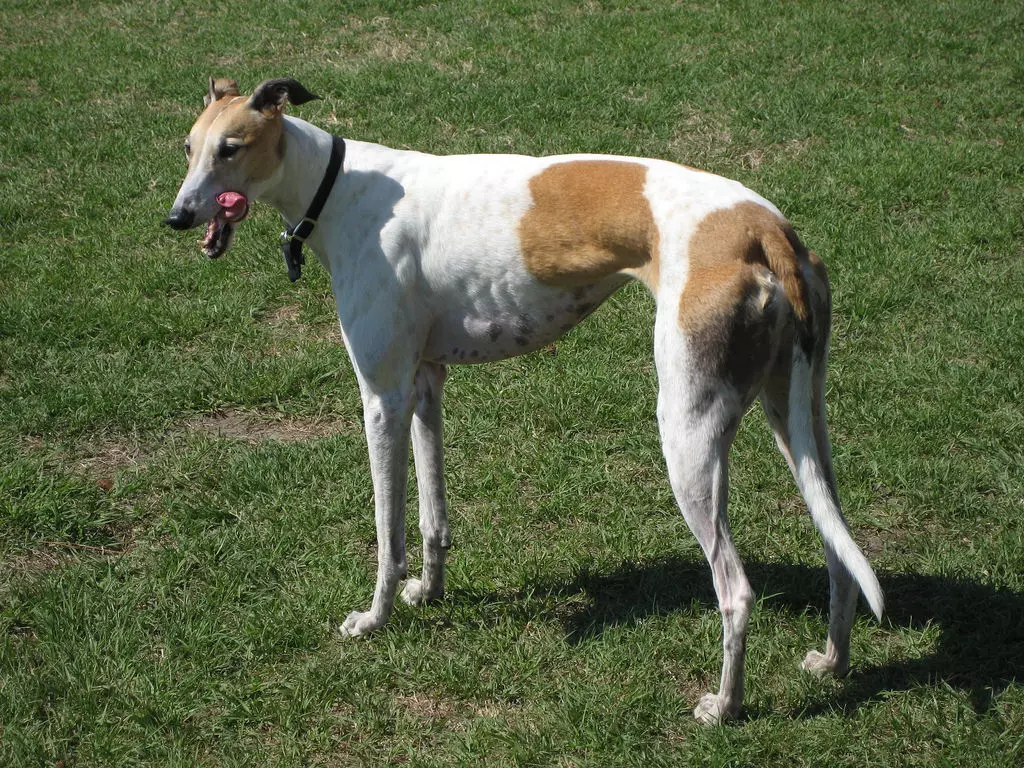
Greyhound
The greyhound
History of the Scottish Terrier
The greyhound is one of the oldest known types of sighthound. The FCI standard mentions that its origin may have been in the Middle Oster and that dog-typical depictions can already be found in ancient Egyptian tombs. In Great Britain, it was developed primarily as a sight hunter and later also as a racing dog.
Appearance
Body shape: The Greyhound is large, powerful and yet very elegantly built, with a long head and neck, deep chest, spacious body, slightly arched loin and very muscular hindquarters. Its entire anatomy is designed for speed and ground-covering movement.
Coat: The coat is short, fine, dense and lies close to the body, so that the musculature and lines are very clearly visible.
Nature/character
The greyhound is considered intelligent, friendly, affectionate and even-tempered. They are often surprisingly calm and relaxed indoors, but show a pronounced urge to move and hunt outdoors. Many Greyhounds are sensitive and like to be handled calmly and fairly.
Grooming
Grooming is comparatively easy because the coat is short and low-maintenance. It is usually sufficient to treat the dog occasionally with a soft brush or a grooming glove. Checking claws and paws is often more important than extensive grooming.
Health
The greyhound is generally considered to be a rather robust breed, but grey lock, hip and elbow dysplasia and eye problems are some of the possible issues mentioned. Responsible breeding with a focus on health is crucial.
Education
The greyhound needs gentle, patient and sensitive training. Harsh words or rough handling do not suit this sensitive breed. It is also important to take into account the strong urge to chase and hunt: Free running is often only advisable in securely fenced areas.
What are the special features of this breed?
The greyhound is one of the fastest dogs in the world and a typical sprinter. At the same time, it is often a very calm companion in everyday life. Its strong sight-hunting instinct is also special: it often reacts at lightning speed to movement stimuli. Added to this is his sensitive nature, which requires a great deal of sensitivity in handling.
Suitable for first-time dog owners?
Conditionally yes. A greyhound can also be suitable for committed beginners if they are well informed about greyhounds and are prepared to pay attention to hunting instinct, sensitivity and safe free running. He is not a "difficult" dog in the classic sense, but his breed-typical needs should not be underestimated.
Family dog or not?
Yes, often yes. With sufficient exercise and a calm attitude, the greyhound can be a friendly, balanced and affectionate family dog. It is considered to be people-orientated and is often described as pleasant to be around children. Nevertheless, it needs places to retreat to, understanding children and a safe environment due to its hunting instinct.
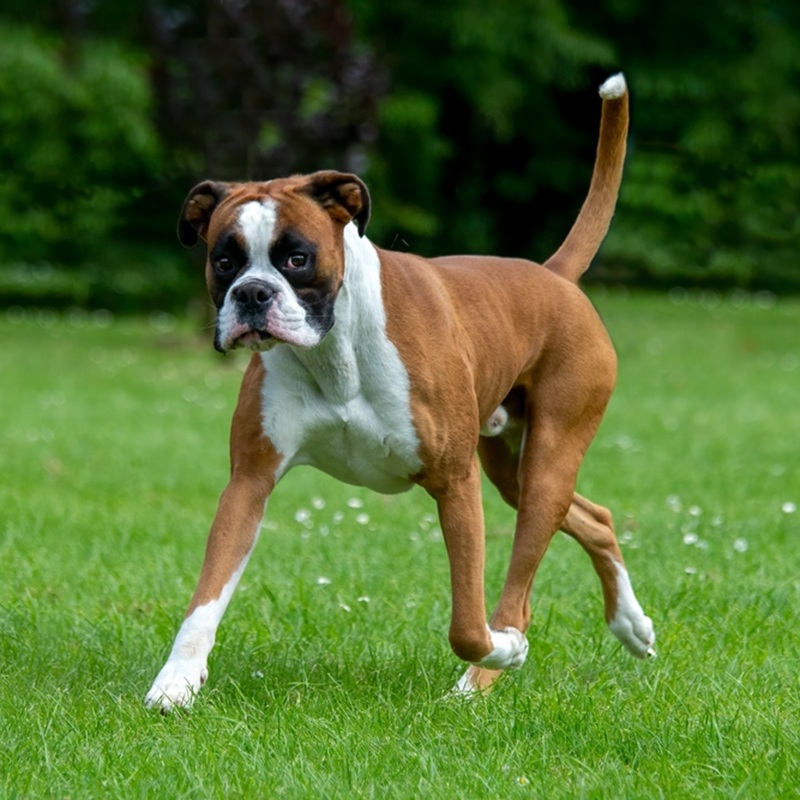
Boxer
Profile Boxer (German Boxer)History of the BoxerIn the standard, the (Brabant) Bullenbeisser, which was formerly used for hunting, is named as the direct ancestor. From this tradition, the Boxer developed into a companion, protection and working dog.AppearanceBody shape:
You will get a medium-sized to large, powerful, square-looking dog with dry muscles and clear athleticism. The Boxer should appear energetic and agile, not ponderous.
Coat:
The coat is short and easy to care for, but shows each body shape very clearly. The typical colors are yellow or brindle, often with a black mask.Nature and characterThe Boxer is a lively, people-oriented and courageous dog that wants to be close to its family. At the same time, the Boxer is alert and protective, which makes early socialization and clear rules particularly importantGroomingGrooming is uncomplicated: regular short brushing is often sufficient. Fitness, weight control and a watchful eye on skin folds, ears, teeth and claws are practically more important.HealthAbove all, you should be aware of cardiac issues (e.g. typical boxer heart disease) and tumor diseases, which are described more frequently in boxers. Hip problems are also mentioned, and because of the shorter muzzle, heat and heavy exertion can quickly become a problem (respiratory tract).TrainingYou will get furthest with calm consistency, clear boundaries and reward-based training. Because the Boxer is physically strong and likes to work with power, it is worthwhile to establish proper leash training, impulse control and calmness early on.What special features does this breed haveThe Boxer combines athleticism, clown charm and a strong family bond with vigilance. It needs regular exercise and mental work, but is often not a dog for extreme endurance marathons, especially in warm weather (breathing!)Suitable for first-time dog owners? Rather limited: If you train consistently, use a dog training school and take the strength/management issue seriously, it can be a good fit. Without structure and training, the Boxer's temperament and physical strength can quickly make it exhausting in everyday lifeFamily dog or not?In many cases, yes: many Boxers are very family-oriented and child-friendly if you teach them rules, calmness and respectful behavior. Always bear in mind size, strength and the issue of heat/stress.
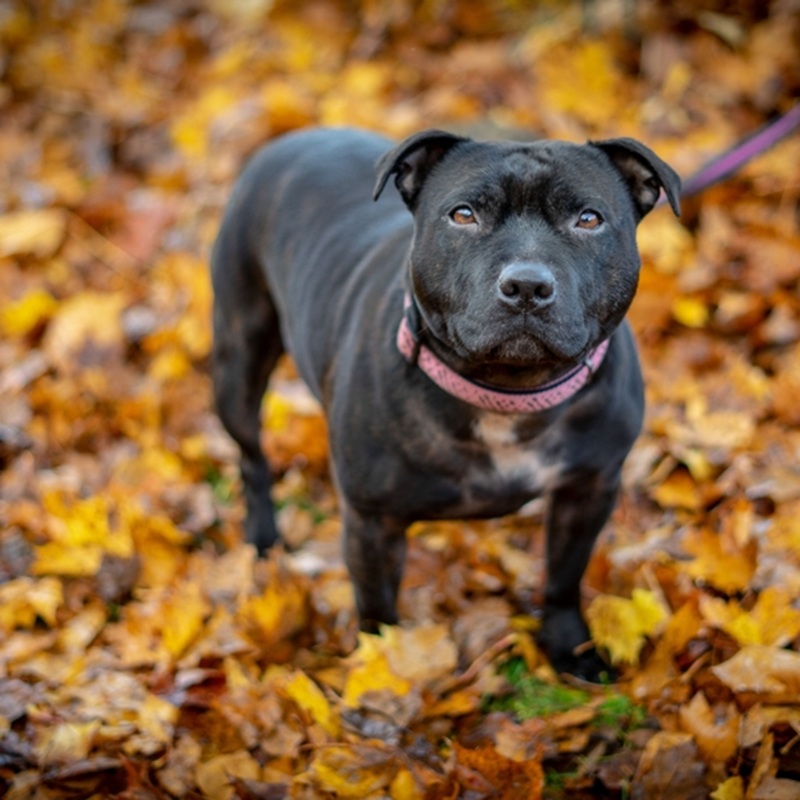
Staffordshire Bull Terrier
The Staffordshire Bull TerrierHistory of the Scottish TerrierThe Staffordshire bull terrier originated in Great Britain. Its roots lie in old Bull and Terrier types, from which a compact, strong and at the same time agile dog was later developed. Today, the breed is used as a companion and family dog, even though its earlier origins are closely linked to the history of English bulls and terriers.AppearanceBody shape: The Staffordshire Bull Terrier is a smooth-haired, very powerful dog for its size. It appears muscular, active, agile and well balanced. Typical features are the broad skull, the distinct muzzle, the pronounced cheek muscles and the compact overall impression.Coat: The coat is short, smooth and lies close to the body. It is easy to care for and emphasises the breed's athletic, compact build.Nature/characterThe Staffordshire Bull Terrier is considered courageous, very intelligent and affectionate. The official standard emphasises their affection for people and especially for children. Well-bred and well-socialised dogs often appear friendly, lively and reliable, but need responsible leadership.GroomingGrooming is generally uncomplicated. The short coat usually only needs to be brushed regularly to remove loose hair and keep the skin clean. Because the coat offers little protection against severe cold, some dogs are more sensitive to wet or cold weather.HealthThe Staffordshire Bull Terrier is generally regarded as a robust breed, but there are some risks typical of the breed. Hereditary cataracts and L 2 HGA, for which official DNA tests are recommended, are particularly well known. As with many compact, muscular breeds, general preventative care, weight control and careful breeding selection are also important.EducationTraining should start early, clearly and consistently. The Staffordshire Bull Terrier usually learns well and works closely with its people, but can also be powerful and temperamental. Good socialisation, friendly consistency and a safe everyday life with clear rules are particularly important.What are the special features of this breed?What is special about this breed is the combination of great physical strength, high human-orientation and often amazing affection in everyday family life. The Staffordshire Bull Terrier appears compact and athletic, but is often very cuddly and close to its carers. However, its strong charisma always requires responsible behaviour, good training and fair leadership.Suitable for first-time dog owners?Only to a limited extent. A dedicated first-time dog owner can get on well with a Staffordshire Bull Terrier if they put a lot of effort into training, socialisation and typical breed behaviour. However, because of its strength, temperament and the need for clear leadership, the breed is usually easier in experienced hands. Family dog or not?Yes, in principle the Staffordshire Bull Terrier can be a very good family dog. The breed standard even explicitly mentions its special affection for children. However, the decisive factors are always a reputable origin, good socialisation, suitable exercise and responsible handling in everyday life.

German Wirehair
The German Wirehaired PointerHistory of the German ShorthairThe German Shorthaired Pointer developed from pointing dogs that were initially used for hunting with nets and falconry. Such dogs came to German courts via various countries; with the advent of modern hunting weapons, the "pure pointing dog" increasingly became a versatile hunting dog. There has been a stud book since 1897; the breed is still strongly selected today through breeding and testing.AppearanceBody shape:
The German Shorthaired Pointer has a noble, harmonious and athletic build. Its construction is designed for strength, endurance and speed; the body is slightly rectangular (rump slightly longer than the height at the withers).Coat:
Short, dense and functional, generally low-maintenance - but as a shorthair breed, it can still shed noticeably.Temperament and characterHe is considered firm, balanced, reliable and controlled in temperament - neither nervous nor shy or aggressive. At the same time, he is eager to work and needs typical hunting tasks to be satisfied.GroomingThe short coat needs above all regular brushing/wiping, plus ears, claws and teeth as usual. The decisive factor is not so much "cosmetics" as exercise: the German Shorthaired Pointer is an efficient working dog and wants to work physically and mentally.HealthThe German Shorthaired Pointer is generally considered to be robust, but - like many active, larger dogs - can be prone to certain problems, particularly hip and elbow dysplasia.
In addition, gastric torsion (GDV) in deep-chested breeds and other hereditary issues such as PRA (eyes) or subaortic stenosis (heart) are described as relevant issues.EducationTraining works best with clear rules, structure and positive motivation. The German Shorthair learns quickly, but needs consistent leadership and real tasks (nose work, retrieving, field/water work, dummy work). Without training and activity, he will otherwise look for "his own jobs".What are the special characteristics of this breed?A lot of energy and willingness to work: more of a hunting and sporting partner than a pure companion dog.
Versatile hunting dog: performance tests (also widespread in Switzerland) play a major role.
Strong nose and prey drive: recall and impulse control must be established early on.Suitable for first-time dog owners?Conditionally. If you are sporty, enjoy training and stick with it consistently, it can work. If you are looking for a "low-maintenance side dog", the German Shorthaired Pointer is usually too demanding (exercise, training, hunting instinct).Family dog or not?Yes, but only if the family is active. In a structured, active household, he can be very friendly and affectionate. Without enough activity, he quickly becomes unbalanced.
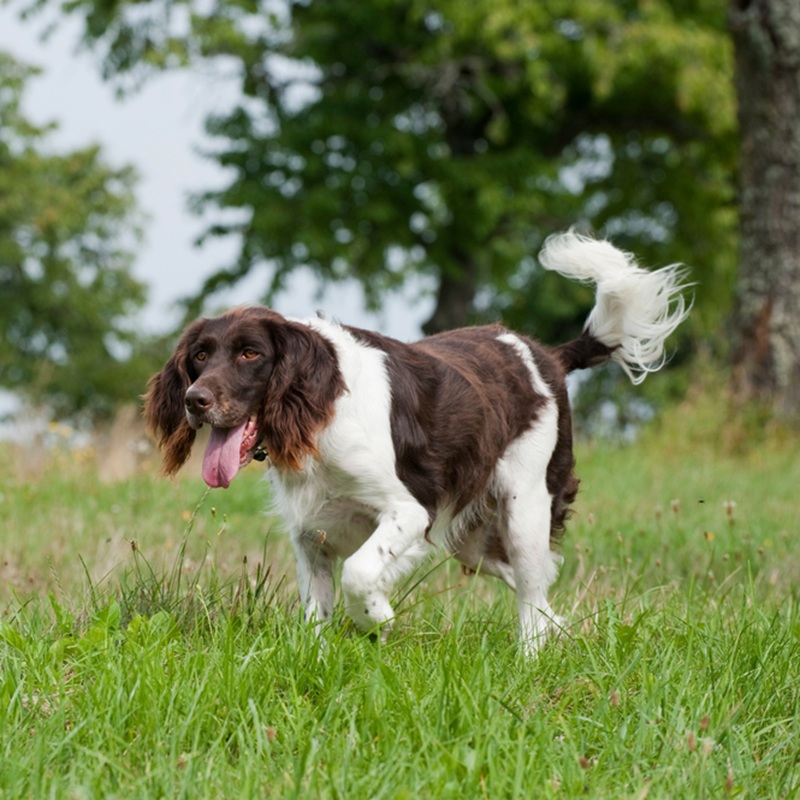
Continental Dwarf Spaniel
The Continental Miniature Spaniel
History of the Continental Dwarf Spaniel
The Continental Miniature Spaniel is one of the old European society dogs. Small spaniels of this type were popular in aristocratic courts for many centuries and can be seen in numerous historical paintings. Today there are two varieties within the same breed, namely the Papillon with erect ears and the Phalène with drooping ears. The FCI lists Belgium and France together as the countries of origin.
Appearance
Body shape: The Continental Miniature Spaniel is a small, harmoniously built, elegant and lively dog. Its body is slightly longer than tall, but fine and not weak. Typical are the fine bone structure, the proud posture and the light, graceful movement.
Coat: The coat is long, fine and silky with beautiful feathering. Particularly striking are the heavily furred ears and the richly feathered, high carried tail. In the Papillon, the large pricked ears contribute significantly to the typical butterfly-like expression.
Nature/character
The Continental Miniature Spaniel is considered to be cheerful, attentive, clever and very people-oriented. They are usually lively, charming and eager to learn, often with a surprising amount of temperament for their size. Many dogs of this breed are affectionate and alert without being as heavy or rough as larger companion dogs.
Grooming
Grooming is generally manageable, but requires regularity. The silky coat should be brushed several times a week to prevent matting, especially on the ears, pants and tail. In addition, teeth, eyes, ears, claws and paws should be checked regularly. As the breed is small, dental care also plays a particularly important role.
Health
The Continental Miniature Spaniel is generally considered to be a fairly robust small breed, but health problems can occur depending on the lineage. These include patellar luxation, eye diseases and dental problems. Responsible breeding, regular veterinary checks and good weight management are important.
Training
Training is often successful because the breed is intelligent, attentive and closely oriented towards people. Loving consistency, early socialization and clear rules are important. Despite its small size, the dog should not be pampered, because even a small, very intelligent companion dog needs orientation and meaningful activity. With positive reinforcement, the Continental Miniature Spaniel usually learns very quickly.
What are the special features of this breed?
What is special about this breed is the combination of its very small size, great elegance and amazing intelligence. The Continental Miniature Spaniel is not just a lap dog, but often an alert, agile and very adaptive companion. The two ear variants Papillon and Phalène, which belong to the same FCI breed, are also striking. The Papillon in particular is immediately unmistakable due to its butterfly-like ears.
Suitable for first-time dog owners?
Yes, in principle the Continental Miniature Spaniel is often well suited to first-time dog owners. They are usually friendly, smart and easy to train. However, despite its small size, it must be taken seriously, trained consistently and not overprotected. The breed usually does very well in a calm, loving and structured home.
Family dog or not?
Yes, in principle the Continental Miniature Spaniel can be a good family dog. They are affectionate, playful and like to be close to their humans. It is particularly well suited to families who treat a small dog with respect. Care should be taken with very small children due to their delicate stature.
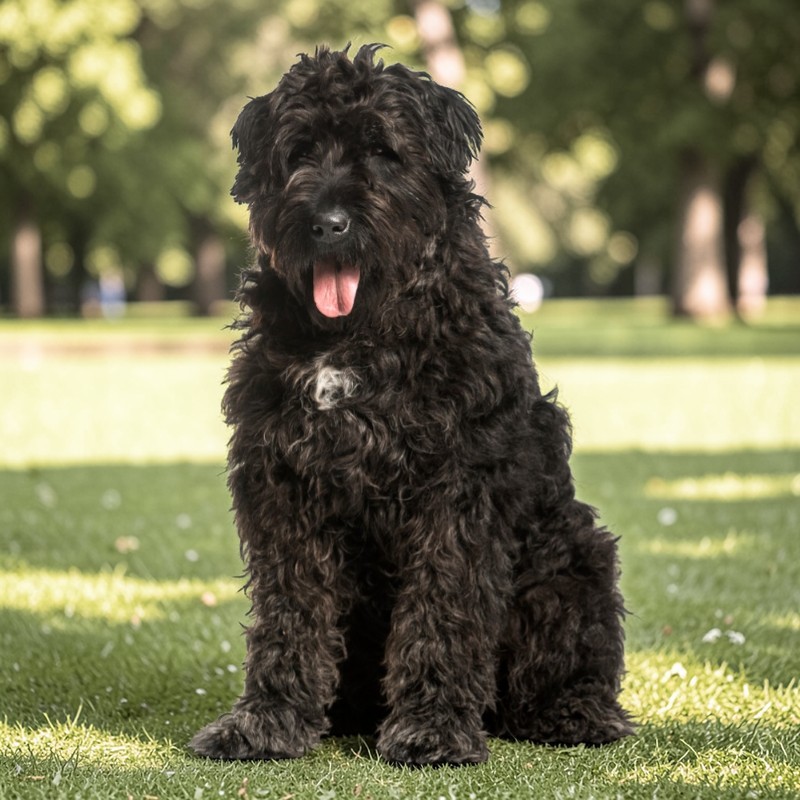
Small poodle
Small Poodle
History of the Poodle
The poodle is one of the old European dog breeds and was originally used as a water dog. It was strongly influenced and further developed in France in particular, which is why France is now considered the country of origin. Over time, the larger working dog developed into different size variants, including the small poodle. Later, the poodle became known primarily as an intelligent companion, show and family dog.
Appearance
Body shape: The Small Poodle has a harmonious, elegant and well-proportioned build. It appears neither clumsy nor fragile, but lively, proud and agile. Typical are the rather square overall impression, the fine but not weak bone structure and a springy, light movement.
Coat: The coat is one of the most striking characteristics of the breed. It is dense, fine and strongly curled or formed in cords. The Small Poodle usually sheds very little, but needs regular and careful grooming.
Nature/character
The Small Poodle is considered to be very intelligent, attentive, playful and people-oriented. They learn quickly, enjoy working with their people and are often extremely adaptable. Many small poodles are friendly, alert and sensitive without being overly nervous. Thanks to their intelligence and keen powers of observation, they often react very clearly to the mood and everyday life of their caregivers.
Grooming
Grooming is more complex than many people initially think. The coat must be regularly brushed, combed and cut or clipped at sensible intervals so that it does not become matted. Ears, claws, teeth and eyes should also be checked regularly. Because the coat sheds so little, loose wool often gets caught in the coat and must be actively removed.
Health
The small poodle is generally considered to be a fairly robust and long-lived variety. Nevertheless, attention should be paid to responsible breeding. Depending on the line, patella problems, eye diseases, dental problems or hereditary diseases can play a role. Regular veterinary checks, good weight management and a reputable breeding base are important.
Training
The small poodle is generally very easy to train. It learns quickly, is attentive and often wants to work closely with its owner. It responds best to friendly, clear and consistent training. Harsh methods are unsuitable because many Poodles react sensitively. With early socialization, variety and meaningful mental activity, the small poodle usually develops into a very pleasant companion.
What are the special features of this breed?
What is special about this breed is the combination of intelligence, elegance and a great love of learning. The small poodle is usually much more than just a pretty companion dog. They are often very attentive, athletic and versatile, for example in everyday life, dog sports or mental tasks. They also have a special coat that sheds very little but requires a lot of grooming.
Suitable for first-time dog owners?
Yes, the small poodle is often very suitable for first-time dog owners. They are usually smart, cooperative and easy to train. The important thing is not to underestimate them. Even a small to medium-sized poodle needs training, activity and regular grooming. If you are prepared to do this, you will often find a very pleasant beginner's dog.
Family dog or not?
Yes, the small poodle is generally a very good family dog. They are usually friendly, playful and closely bonded to their humans. They generally feel very comfortable in a family with loving consistency, sufficient activity and respectful treatment. Due to its adaptability, it often suits both active families and quieter households.
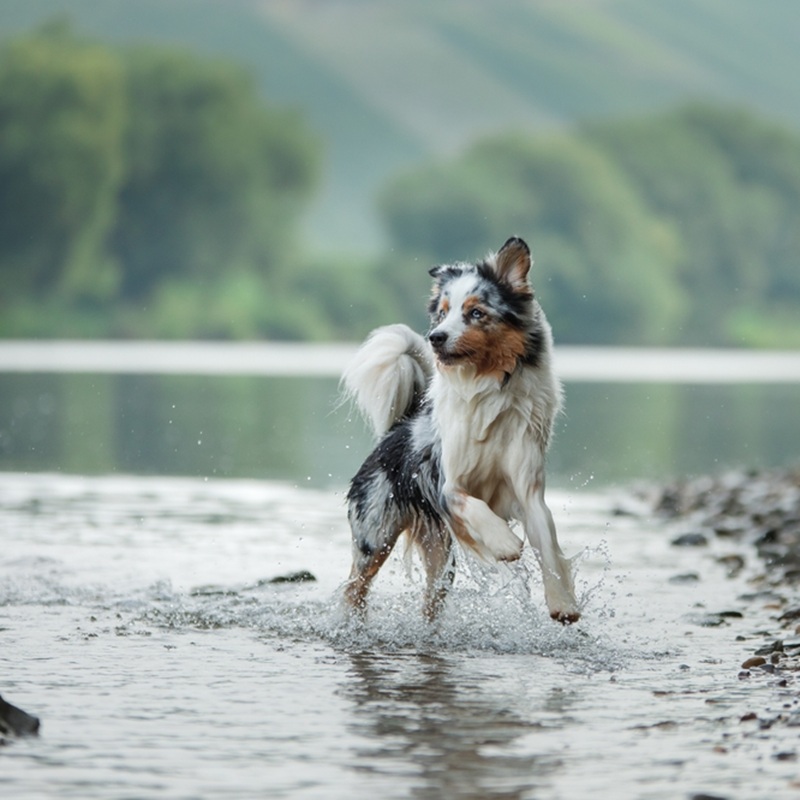
Australian Shepherd
Profile Australian Shepherd / Berger AustralianHistory of the Australian ShepherdAlthough the name "Australian Shepherd" suggests otherwise, the breed as we know it today developed in the USA. The FCI standard explains the naming with reference to Basque shepherds who came to the United States via Australia and brought dogs of this type with them.AppearanceBody shape:
The Australian Shepherd is a medium-sized, well-muscled, agile working dog. He appears balanced, athletic and is slightly longer rather than tall. His build is designed for endurance, agility and quick changes of direction.Coat:
The coat is of medium length and provides reliable protection from the weather. It is straight to slightly wavy, with an undercoat that is thicker or thinner depending on the season and climate. Particularly typical are the merle varieties, which give the Aussie its striking appearance.Nature and characterThe Australian Shepherd is very intelligent, attentive and eager to work. They often bond closely with their owner and want to complete tasks instead of just "running along". Many Aussies are sensitive and react strongly to mood, routines and body language. At the same time, they can be vigilant and, depending on their lineage, tend towards protective or controlling behavior if they are not taught clear rules and calmness.GroomingGrooming is usually moderate but regular: Brushing about once or twice a week helps to remove loose undercoat and prevent matting (especially behind the ears, on the pants and collar). Brushing should be more frequent during shedding periods. Bathing is only necessary when needed, checking ears, claws and teeth is more important.HealthFrequently mentioned issues are hip and elbow dysplasia as well as hereditary eye problems (e.g. cataracts). Serious breeding therefore works with appropriate examinations and eye screenings.
The MDR1 gene mutation (multidrug resistance) is also important: Affected dogs are less able to tolerate certain medications. A DNA test helps to identify risks and inform vets.TrainingThe Australian Shepherd learns quickly and willingly, but also quickly learns wrong patterns if rules are unclear. Reward-based training with clear structures, meaningful activities and a consistent daily routine works best. Impulse control, frustration tolerance and a well-developed recall are very important. Calm training is just as important to ensure that the dog does not remain in work mode and look for "jobs" for itself (e.g. herding children, bicycles or joggers).What special features does this breed haveThe Aussie is a working dog that wants to be kept physically and mentally busy. Many Australian Shepherds love dog sports, trick training, nose work and everyday tasks. They can be very cooperative, but sometimes seem "too clever" if they lack structure. If exercise and rest are not suitable, some dogs develop nervousness, controlling behavior or unwanted herding.Suitable for first-time dog owners?Basically yes, but only if you are really active, take training seriously and are prepared to work intensively on training, exercise and rest. The Aussie is often too demanding for people who are looking for an uncomplicated "just go with the flow" dog.Family dog or not?It can be a very good family dog, especially in active households with clear rules and enough time. It is important that children respect the dog and that herding behavior is taught early on. In very chaotic families without structure or without sufficient activity, it can become more difficult because the dog then often starts to control moving things or to be constantly "on his toes".