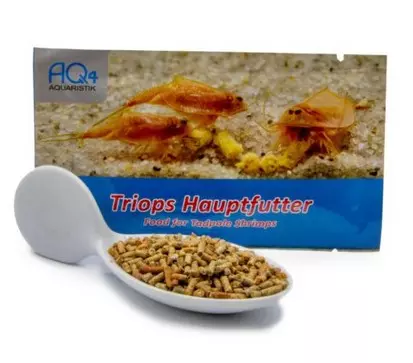
Staple food for Triops - with instructionsStaple food for Triops are high-quality, firm sticks that perfectly combine vegetable and animal ingredients.Approx. 2 mm thick food sticks for all turtles (Triops, Lepidurus) from about 2 weeks of age.Sinks quickly to the bottom and can be grasped very well by the TriopsMany natural ingredients without artificial additivesPromotes growth, vitality and healthFeeding recommendation:Larger Triops like to grab their food and are constantly on the lookout for something to eat. Therefore, feed several times a day as many sticks as will be eaten by the next feeding. Please do not overfeed, i.e. only enough so that nothing is left over!Quantity: 10 gComposition: Cereals, vegetables, molluscs and crustaceans, algae, oils and fats.Instructions: Included are the comprehensive instructions for keeping and breeding primeval crayfish. (Note: If the food is purchased together with primeval crabs, no further instructions are normally included).
Bubble Cup three.
Wabi-Kusa basically describes a small plant ball that is planted in a container. The Bubble Cup three is a shapely glass in which you can create and maintain your own little plant world. Thus, entire mini landscapes can be created - there are no limits to your creativity!The planted glass can be placed in the home or at work and decorate any place, with a bit of nature. You can basically choose two types: either choose a planting with terrarium plants - that is, a mini dry terrarium or choose plants from aquaristics (more common form). In this case, it is easiest to choose plants that also grow in the emersed form (i.e. above water). Aquaristic plants that grow emers often bloom differently than they do submersed. In-vitro plants are best suited for planting in a Wabi-Kusa jar. It is also possible to grow submerged plants in a Wabi-Kusa, but this requires some practice.Um to ensure a natural circulation of moisture, there is a condensate drain in the glass, which ensures that the moisture is not lost so quickly. The glasses are supplied with a form-fitting lid, to ensure a normal air exchange, a small hole was drilled at the top of the side. Thoughtfully designed plant jar for Wabi-Kusa cultures Minimalist cool design Bring you a piece of nature in any room easy to maintain Size: Ø 155 mm / Height 115 mm / Thickness glass 3mm
Catnip - fresh plantCatnip is a high-quality food plant that has been specially developed for cats. With its tart, lemony scent, it is attractive to many cats and can have both a calming and stimulating effect. Whether for nibbling, sniffing or playing - this catnip offers cats a natural way to keep themselves occupied. ✅ Product benefits at a glance: 100% untreated - without chemical pesticides, produced in food quality Versatile effect - can have a calming or play-stimulating effect on cats Suitable for various animal species - rodents and birds can also eat the plant Easy to care for - suitable for windowsills, balconies or gardens 🌿 Care instructions: Catnip prefers a sunny location. In summer, it can be placed on the balcony or in the garden, but should first be acclimatized to direct sunlight. In winter, the plant withdraws into the soil and sprouts again in spring. Tip:Dry the leaves and flowers of the plants and fill them into a small bag or children's socks.Tie it up and you're done - you'll have a great toy for the cats.The plant is shipped from different manufacturers depending on availability.We make every effort to ensure that our plants arrive healthy and undamaged. Despite the greatest care, it can happen that plants are slightly damaged by the postal service or other unforeseen events. This includes brown leaves as well as broken branches. We accept no liability for this.
Carnivorous plant - Drosera nidiformis x natalensissupplied in an in vitro cupThe diameter of the adult plant is 5 cm.The plant prefers full sun16 hours of light / dayHumidity: 50-70%Temperature: 20-28°CDormancy period: none Drosera nidiformis x natalensis is a hybrid of Drosera nidiformis and Drosera natalensis. It has a maximum diameter of around 5 cm. It is ideal for small terrariums, planters and arrangements with other carnivorous plants.Drosera nidiformis x natalensis is an easy to cultivate insectivorous plant that
insectivorous plant that is perfect for beginners interested in insectivores.
interested in insectivores. With its attractive shape and
relatively simple requirements, it is an interesting addition to any
for any collection of insect plants.Size:
The adult plant reaches a diameter of 5 to 7.6 cm.
Leaf color:
Plant color ranges from deep olive green to wine red in the right light. Stronger lighting leads to a more reddish color.light:
Drosera nidiformis x natalensis prefers full sun or bright, diffused light for most of the day. At home, it is best placed on a sunny windowsill or under plant lamps.Substrate:
The best substrate for Drosera nidiformis x natalensis is a mixture of sphagnum peat and perlite or sand in a 1:1 ratio. The substrate should be acidic (pH 4.5-5.5) and well-drained. Feeding/fertilizing:
Sedums generally do not need additional fertilization as they absorb nutrients from the insects they catch. Occasionally you can feed the plant with small insects such as fruit flies.Humidity:
This plant prefers moderate to high humidity, usually 50-70%. Regular spraying is sufficient.The hybrid sundew requires constant moisture in the substrate. It is best watered with distilled, demineralized or rainwater, although tap water should be avoided. The substrate should be moist but not flooded.
Temperature:
The sundew hybrid grows best at moderate temperatures. The optimum temperature range is 20-28 °C during the day and 10-18 °C at night. The plant can tolerate lower temperatures, but is not frost-hardy.The combination of carnivorous plants with reptiles
reptiles in a terrarium can create an aesthetically pleasing and ecologically
interesting environment. Carnivorous plants such as Drosera,
Nepenthes, Pinguicula and Sarracenia are not only exotic and beautiful, they also
they also contribute to a balanced ecosystem by controlling the population of small insects.
small insects.
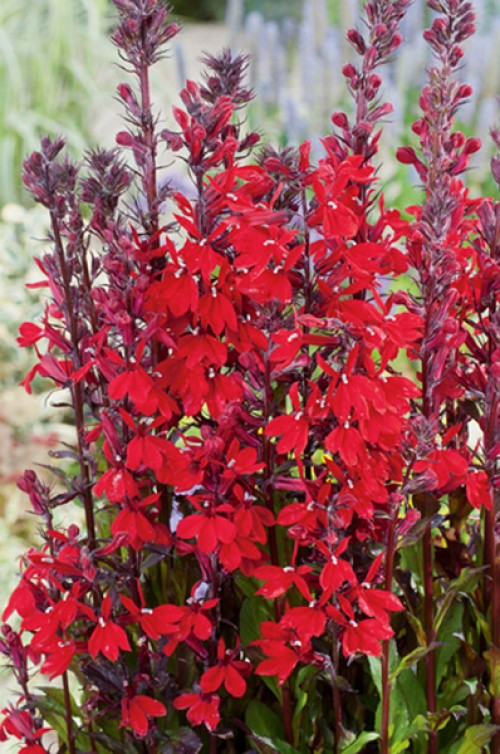
Cardinal lobelia - Lobelia cardinalisThe cardinal lobelia is an eye-catching colour accent for the garden pond and brings vibrancy to the banks with its red flowers. At a height of 60-80 cm, it is ideal as a structuring plant in the background of low border plantings. It is suitable for planting depths of 0 to -15 cm and is hardy in zones 1-2.Flowering time: V-VIII (May to August)Flower colour: redWinter hardiness: Zone 1 - 2Pot: approx. 9 cmPlant specifications:They create a clear, red eye-catcher at the edge of the pond and visibly enliven the shoreline.Thanks to its planting depth of 0 to -15 cm, the cardinal lobelia is ideal for the edge and shallow water zone.Zone 1-2 makes it suitable for perennial pond design in many regions.Technical data:Botanical name: Lobelia cardinalisGerman name: Cardinal lobeliaPlanting depth: 0 to -15 cmFlowering time: V-VIIIWinter hardiness: Zone 1/2Pot: approx. 9 cmWith Lobelia cardinalis (cardinal lobelia), you are bringing a pond edge plant into your garden that can do one thing above all else: Show its colours. The bright red flowers make it the ideal eye-catcher around the garden pond - especially where many green and yellow tones dominate and a clear accent is desired. Due to its growth height of approx. 60 to 80 cm, it adds structure to the bank planting and is ideal as a background plant, in front of which lower ground cover and shallow water plants come into their own.The specified flowering period from May to August (V-VIII) ensures that your pond edge will look lively for a long time. For a harmonious overall look, we recommend planting in small groups or as a recurring element along the shoreline. This creates a natural, well thought-out design without the pond edge becoming unruly. The cardinal lobelia looks particularly attractive when the flowers are slightly above the waterline - the colour is reflected in the water and enhances the effect.With a recommended planting depth of 0 to -15 cm, Lobelia cardinalis is ideal for the edge and shallow water zone. Depending on the pond structure, place the plant directly in moist bank soil or in a very shallow water area. A plant basket can help to keep the position stable and make it easier to move the plant if necessary - especially if you want to adapt the design seasonally.
Thanks to zone 1-2, the cardinal lobelia is suitable for many regions and is an exciting choice if you want to create a permanent pond edge but still want to work with clear colour accents.Shipping note: We make every effort to ensure that our plants arrive healthy and undamaged. Despite the greatest care, it can happen that plants are slightly damaged by the post or other unforeseen events. This includes brown leaves as well as broken branches. We accept no liability for this. Do not plant in open bodies of water such as lakes or biotopes.Zoo Roco tip: It is best to place Lobelia cardinalis in the shallow water zone so that the roots are evenly moist (0 to -15 cm) - this ensures stable growth. For a particularly attractive look, place the plant where it can be reflected in the water and combine it in the foreground with low ground cover plants at the edge of the pond.
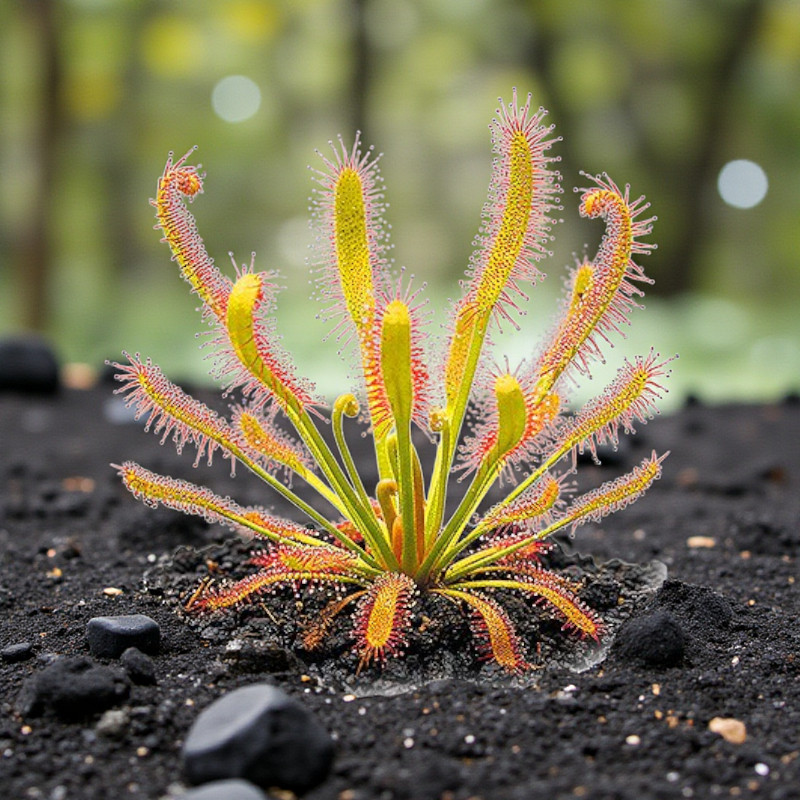
Aqua Art Drosera capensis - Sundew for terrarium & WabiKusaDrosera capensis (Cape Sundew) fascinates with long catch leaves that form glittering sticky drops to catch small insects. As an in vitro plant, it starts clean and compact - ideal for bright, humid setups such as paludariums, carnivorous terrariums or Wabi-Kusa.Product features:Cultivated in vitro (sterile in a pot)Carnivorous plant with sticky trapping leaves (sundew principle)Suitable for humid terrariums/paludariums and very bright locationsRobust and also suitable for beginnersImportant advantages:Exciting observation effect: trapping leaves shine and react to preySupports a near-natural microclimate in humid terrarium setupsNo fertilization necessary - the plant covers its needs by catching small insectsInformation:Origin (species): Cape region / South Africa; grows in nutrient-poor, permanently moist habitats (e.g. swamps, banks, streams)Size/growing height: approx. 5-20 cm (depending on conditions)Temperature requirements: approx. 10-35 °C; as frost-free as possible in winter (guideline: not below approx. 5 °C)Air humidity: at least approx. 50 % recommendedLight: bright to sunny (for strong coloration and good catching drops)Water/substrate: soft/low-lime (e.g. rainwater/osmosis water), acidic, nutrient-poor substrate; permanently moist to wet Drosera capensis, the Cape sundew, is a real classic among carnivorous plants - and for good reason: the long, narrow catch leaves are covered with many fine tentacles that form glistening adhesive droplets. These droplets attract small insects and hold on to them so that the plant can supplement its low nutrient requirements. At the same time, Drosera capensis is comparatively uncomplicated to care for and is therefore also attractive for beginners . The species originates from the Cape region of South Africa, where it grows in permanently moist, nutrient-poor areas such as swamps, on banks and along watercourses. You can easily replicate this principle at home: The decisive factors are plenty of light and a constantly moist to wet, acidic and nutrient-poor substrate. Soft, low-lime water (e.g. rainwater or osmosis water) is recommended for watering. Fertilizing is not necessary.In suitable conditions, Drosera capensis typically grows to a height of around 5 to 20 cm. It does particularly well in bright, humid terrariums, paludariums or similar humid setups where the catching droplets are formed stably. A humidity level of around 50 % is a good guideline, although the plant is particularly reliable in a constantly humid environment.Drosera capensis is pleasantly tolerant when it comes to temperature requirements: a range of approx. 10-35 °C is suitable for cultivation. In the cooler months of the year, it should be kept frost-free; as a guide, temperatures should not fall below approx. 5 °C in winter. This will keep the plant vital and allow it to sprout vigorously again in spring.Zoo Roco tip:For in vitro plants, it is worth acclimatizing them gently: rinse the gel carefully, place them in a carnivorous substrate and keep them in a very bright place for the first 7-14 days, but only gradually give them extreme midday sun. If the catching drops decrease, this is usually an indication of too little light or too dry air - first increase the light intensity and ensure that the substrate is constantly moist.
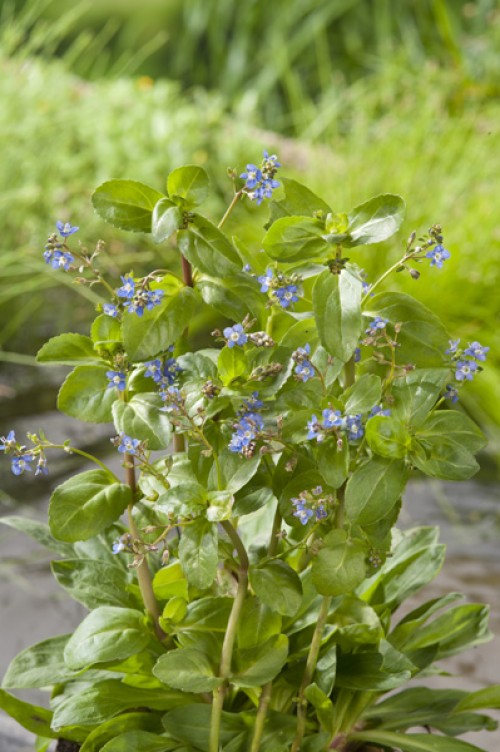
Veronica beccabunga – Brooklime for pond edge & banksVeronica beccabunga (Brooklime) is a low-growing pond-edge plant for damp banks and the shallow water zone. It is suitable for a planting depth of 0 to –15 cm and remains pleasantly compact at a height of 10–20 cm. The flowering period runs from May to September (V–IX).Flowering period: V–IX (May to September)Hardiness/Zone: Zone 1–2Height: approx. 10–20 cmPot size: approx. 9cmSpecifications for the plant:They visually green pond edges and stream courses softly and naturally, without obstructing the view of the water. Thanks to the long flowering period V–IX, the border zone remains lively for many weeks.With zone 1–2, brooklime is suitable for perennial, low-maintenance pond plantings.Technical data:Botanical name: Veronica beccabungaGerman name: BrooklimeFlowering period: V–IXWinter hardiness zones: Zone 1 / 2Height: approx. 10–20 cmPlanting depth: 0 to –15 cmWith Veronica beccabunga (Brooklime) you are choosing a compact, natural-looking plant for garden ponds, streams and damp banks. Especially at pond edges there are often transitions that can quickly appear ‘harsh’ – for example at stones, liner edges or between plant baskets. Brooklime helps to visually connect these areas: it grows low, has a calm appearance, and provides a natural finish without overloading the pond edge.A major advantage is the long flowering period from May to September (V–IX). This keeps the edge zone attractive for much of the season and gives a well-maintained appearance. Thanks to the low growth height of approx. 10 to 20 cm, Veronica beccabunga is particularly suitable for the foreground of bank plantings or as a ‘filler plant’ in the shallow water zone. It can be excellently combined with taller structural plants that may stand behind, while the brooklime in the foreground softly outlines the edge visually.The recommended planting depth of 0 to –15 cm makes the plant very flexible: place it directly in moist bank soil or in a very shallow water area, depending on the pond layout. For a neat pond edge and easy care, a planting basket is often helpful, especially if you want to reposition the plant later. For growth, a consistently moist location is crucial.
Thanks to zone 1–2, Veronica beccabunga is suitable for perennial pond installations and is a good choice if you are looking for a low-growing, uncomplicated plant for damp areas that integrates harmoniously into a natural pond design.Note on shipping: We do our utmost to ensure that our plants arrive healthy and undamaged. Despite the greatest care, plants may be slightly damaged by postal delivery or other unforeseen events. This includes brown leaves as well as broken twigs. We do not accept liability for this. Do not plant in open waters such as lakes or biotopes.Zoo-Roco tip: Place brooklime along the shore where you want to fill gaps – it looks especially natural when it ‘grows into’ stones. In very shallow areas (up to –15 cm), a planting basket is practical so that the plant stands stably and you can keep design control easily.
Gentle eye area care for dogs, cats and small animalsOur cooling care lotion with aloe vera gently cleanses the sensitive area around the eyes of dogs, cats and other small animals.Ideal for the regular removal of dirt and tears, it is also suitable for the entire facial area.The wipes are made from 100% plant-based fibers - environmentally friendly and gentle on the skin. Perfect care for radiant pet eyes!Content: 40 pieces
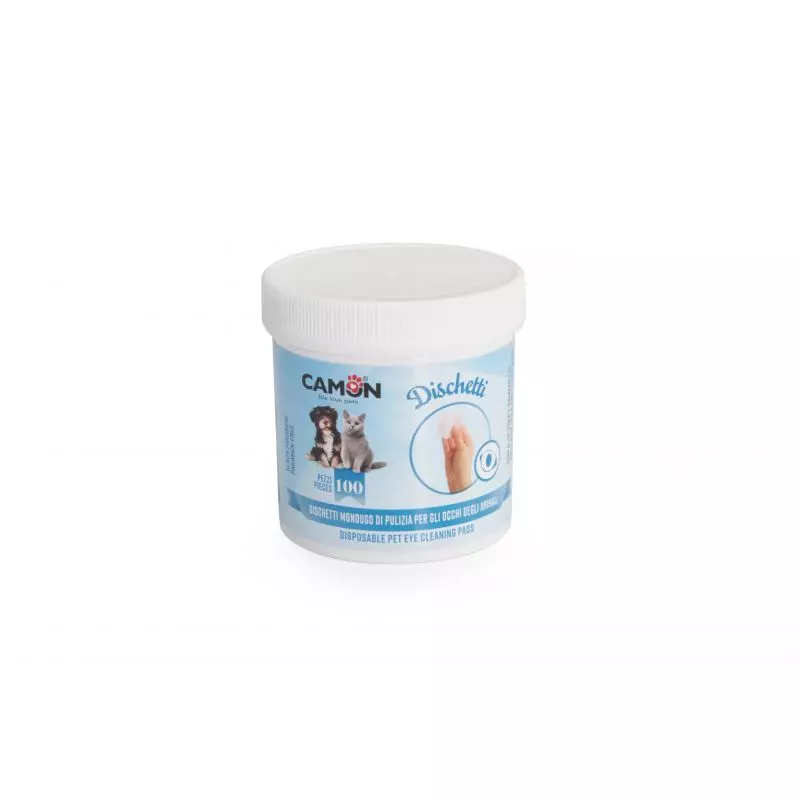
Pads for cleaning the eyes of dogs and catsWith these practical eye cleaning pads, you not only clean your pet's eyes, you also care for them Dogs and cats often have tear stains/dry secretions in the eye area in the morning or during the day. With these pads, the eyes are quickly clean and free of residue again.Gentle removalParaben-free With aloe vera and glycerineINSTRUCTIONS: Clean the eye area daily by very gently cleansing the hair and skin.
Microfiber cloth Microfiber cloth to clean sensitive areas. The small microfiber cloth from Bogacare is ideal for cleaning sensitive areas on your four-legged friend such as the ear or eye. The pad efficiently absorbs dirt and can also be used again. The multiplication of germs is also prevented by a silver ion technology.ReusableTakes dirt and prevents the multiplication of bacteriaFor painless cleaning in sensitive areas
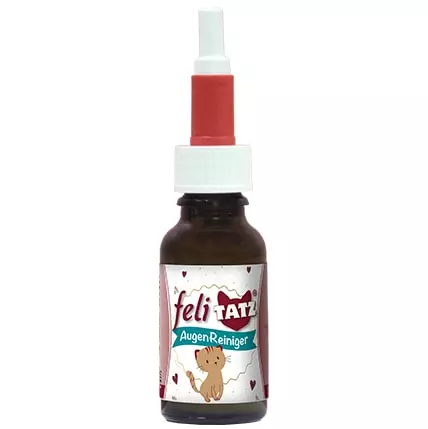
feliTATZ EyeCleanser (20ml)
Cats have very sensitive eyes. And they often tear or are easily inflamed. The natural eye cleanser of CD Vet with rose water and saline is ideal for the treatment of cat's eyes. Rose water is a well-known and very gentle way to treat irritated eyes and salt helps to disinfect the environment and the eyes. Of course, it is so dosed that it does not burn in the eyes. The eye drops of feliTATZ are a gentle and effective remedy for eye problems and it can also be used as an additional care for conjunctivitis.
Composition: Aqua rosae, sodium chloride
Recommendation for use: Keep the bottle at a sufficient distance above the eye and add 1 - 2 drops by pressing on the bottle spout on the bag, carefully wipe off any dirt on the edges of the eyes
Care products for animals.
CHF 15.90
❅
❆
❅
❆
❅
❆
❅
❆
❅
❆
❅
❆
This website uses cookies to ensure the best experience possible. More information...