Product information "JR Garden Hedgehogs feast 500g"
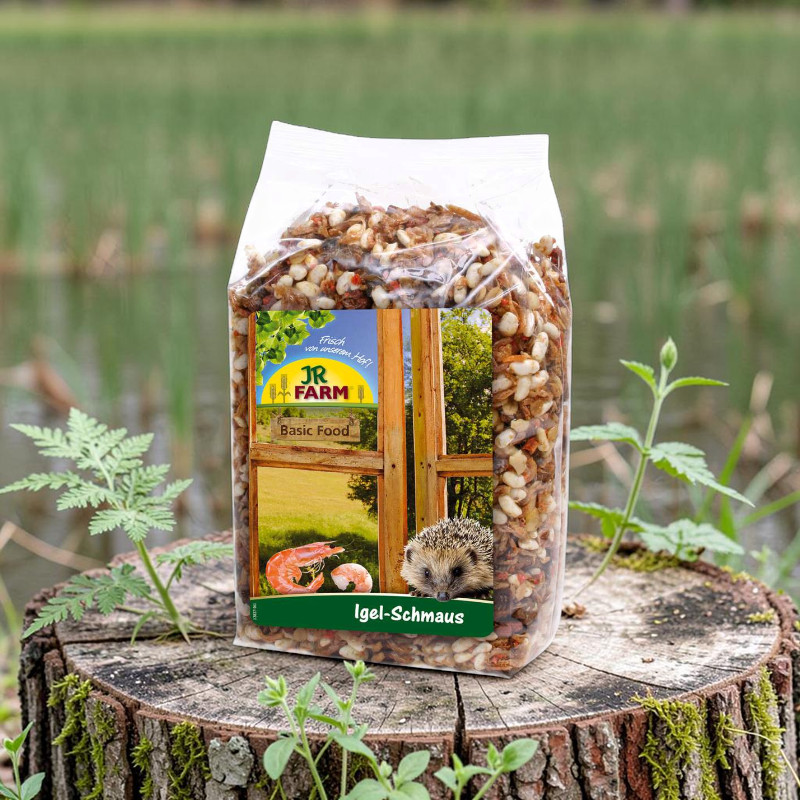
JR Farm Hedgehog Feast – Hedgehog food 500 g and 2 kg
JR Farm Hedgehog Feast with hermetia larvae, poultry, prawns and mealworms. Grain-free, protein-rich hedgehog food for occasional supplementary feeding. Available in 500 g, 2 kg and 2 kg buckets.
JR Farm Garden Hedgehog Feast is a specially formulated hedgehog food designed to provide temporary support for native wild hedgehogs. The varied recipe combines high-quality animal proteins from insects, poultry, fish and crustaceans with selected plant-based ingredients. This energy-rich food is particularly suitable for hedgehogs that require additional nourishment, for example when natural food sources are temporarily scarce.
Hedgehogs are predominantly nocturnal insectivores. In the wild, they feed mainly on beetles, larvae, caterpillars and various other invertebrates. Suitable supplementary food should therefore consist primarily of animal proteins and fats.
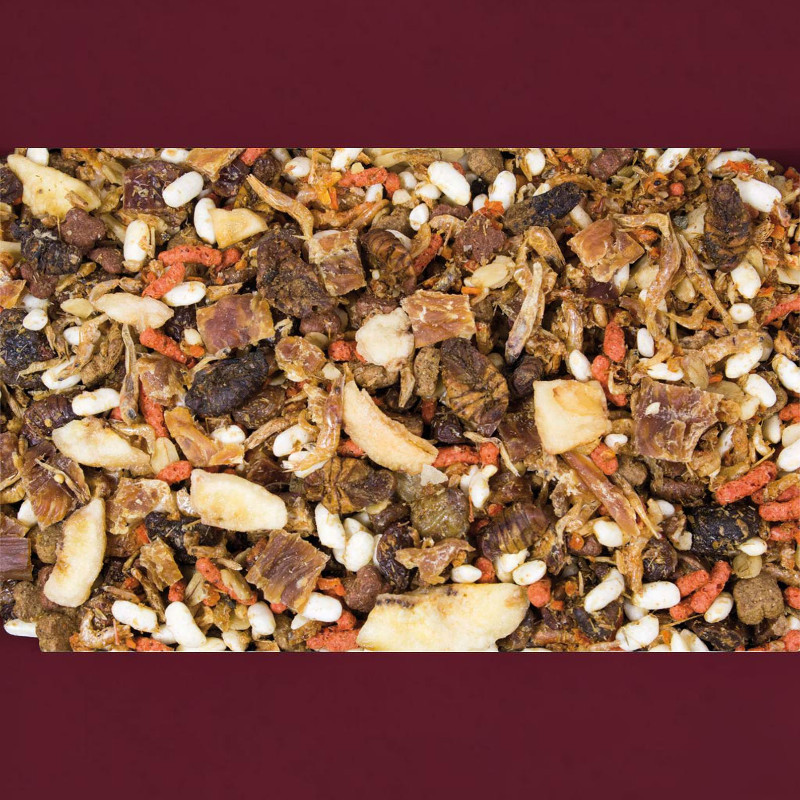
JR Farm Hedgehog Feast contains 20% Hermetia larvae and 16.8% poultry protein. The recipe is supplemented with 5% prawns, 3% silkworm pupae and 1% mealworms. These animal-based ingredients provide valuable protein and ensure a varied composition.
Hermetia larvae, also known as black soldier fly larvae, are a protein-rich insect ingredient. Combined with poultry, fishmeal, whole egg powder and other animal-based ingredients, this feed provides a concentrated source of nutrients.
The formula also contains potatoes, lupin flakes, rapeseed oil, linseed and selected herbs. Chicory roots and yeast supplement the composition with plant-based fibre and other nutrients.
It is particularly important to avoid giving them cereals, fruit, honey and nuts. These ingredients are not part of a hedgehog’s natural diet. The cereal-free formula is better suited to the nutritional needs of these predominantly insectivorous animals.
The high protein and fat content makes JR Farm Hedgehog Feast an energy-rich supplement that can help weakened animals to take in food. Such specialised food can also be useful in autumn, when young hedgehogs in need of additional nourishment require extra food.
Hedgehog food can be offered dry or, if necessary, moistened with a little water. However, feeding should always be targeted and take the animal’s natural way of life into account.
JR Farm Hedgehog Feast is available in three pack sizes:
- 500 g per bag
- 2 kg per bag
- 2 kg in a handy bucket
The 500 g pack is suitable for occasional supplementary feeding. The 2 kg bag provides a larger supply of food, whilst the resealable bucket offers practical storage.
Hedgehogs are protected wild animals. Healthy hedgehogs should, where possible, find food independently in their natural habitat. Supplementary feeding is no substitute for suitable habitats or the professional care of sick, injured or severely underweight animals.
Your benefits at a glance
- Available in 500 g, 2 kg bags and 2 kg buckets
- Specially formulated staple food for temporary hedgehog feeding
- Containing 20% Hermetia larvae and 16.8% poultry protein
- With prawns, silkworm pupae and mealworms
- High proportion of high-quality animal protein sources
- Grain-free and without fruit, honey or nuts
- High-energy formula for hedgehogs with additional nutritional needs
- Can be used dry or moistened with a little water
Instructions for use
JR Farm Hedgehog Feast is intended for the occasional feeding of wild hedgehogs. Ideally, offer the food in the evening in a shallow, easily accessible feeding bowl.
Feeding
- Do not refill the feeding bowl until the previous portion has been almost completely eaten. Only give as much food as will be consumed within 24 hours
- The amount of food required depends on the hedgehog’s age, body weight, state of health and the availability of natural food
- If necessary, the hedgehog’s food can be moistened with a little water to make it easier for them to eat
Water
- Always provide a separate, shallow bowl of fresh drinking water
- Never give hedgehogs milk. Hedgehogs have difficulty digesting lactose, which can lead to diarrhoea and digestive problems
Feeding area
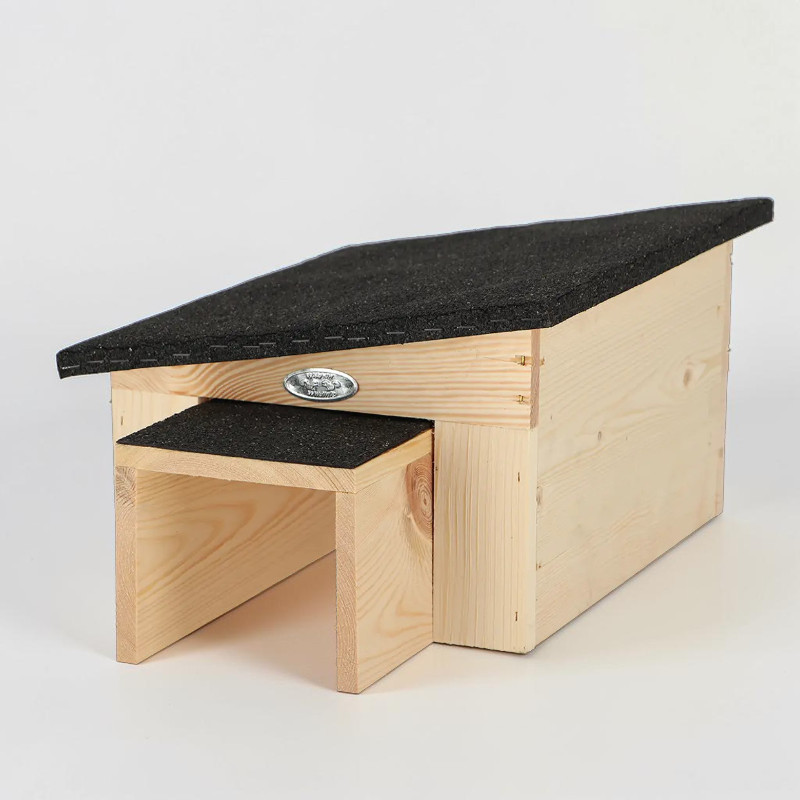
- Set up the feeding area in a quiet, sheltered spot in the garden. A hedgehog feeding station can help to protect the food from rain and other animals
- Remove any leftover food daily and clean the food and water bowls regularly to reduce the spread of pathogens
Important information
- Only provide supplementary food if genuinely necessary
- Do not make healthy wild hedgehogs unnecessarily dependent on regular feeding
- Sick or injured hedgehogs require expert help
- Have underweight young hedgehogs assessed by a professional
- Do not feed milk, seasoned food scraps or sweets
- Remove any leftover food every day
- Store in a cool, dry place and keep tightly sealed
Zoo Roco Tip
Hedgehogs are important inhabitants of our gardens and help to naturally control various invertebrates. If you wish to support hedgehogs, you should, above all, ensure your garden is as natural as possible.
In autumn, leave some of the fallen leaves where they are and create sheltered areas with deadwood, native shrubs and piles of leaves. There, hedgehogs will find both food and suitable places to hide and hibernate.
It is particularly important to avoid using robotic lawnmowers at dusk and at night. Hedgehogs often do not flee when danger threatens, but instead curl up into a ball, which can result in them being seriously injured.
The use of slug pellets and other pest control products should also be avoided wherever possible.
If you need to feed a hedgehog, we recommend a sheltered feeding spot and a shallow bowl of fresh water.
Particularly important: Not every hedgehog needs extra food. A healthy, well-nourished hedgehog can usually fend for itself. However, if you find an injured, lethargic or noticeably weakened hedgehog, please contact a specialist hedgehog rescue centre or a veterinary practice.