GU Budgerigar

Article no: BZ-15553991

CHF 14.50

Stock: 1

Available, delivery time: 1-3 days

Delivery between Monday, 29 June and Tuesday, 30 June
Zahlungsarten
Product information "GU Budgerigar"

Manual for budgerigar

Blurb
The small parrots from Australia are bright, sociable and extremely intelligent. Their cheerful chirping is a joy to listen to and you will realise how much energy they have when they fly around your home. Once you have gained the trust of these feathered friends, they can become really trusting. Budgerigar expert Hildegard Niemann knows exactly what budgies need to feel comfortable and stay fit and healthy. Her practical tips will help you to equip your bird's home optimally, organise safe free-flight and encourage your birds' abilities with the right activities. Then nothing will stand in the way of a close friendship between you and your budgies! The GU Heimtier Plus app is available as an extra. This makes the pet guide interactive and provides further interesting additional information and pictures.
Composition
Feeding recommendation
Technical details
Size information

0 of 0 reviews

Give us a rating!

Share your experience with the product with other customers.


Customers also bought

Chipsi Extra Beechwood
Size: S | Variant: 10 L
Chipsi Extra BeechwoodCHIPSI EXTRA beech wood granulate is specially adapted to the needs of reptiles, many bird species and demanding small animals.Beech wood100% naturaldust-freeProvides a natural and hygienic environmentAvailable in practical 10 litre bags and economical 15kg bagsCHIPSI EXTRA is available in three different coarse grain sizes:CHIPSI EXTRA XXL for larger reptiles, snakes, large birds.CHIPSI EXTRA medium for smaller reptiles, large birds, turtles, etc.CHIPSI EXTRA small for small lizards, small birds, tarantulas, etc.Available sizes:10 litres equals approximately 2.5 kg - for smaller enclosures or as replacement litter.15 kg - for large enclosures and for complete replacement of litterCHIPSI EXTRA Beechwood Granules are specially formulated to meet the needs of reptiles, many bird species and demanding small animals. The dust-free product is gentle on the animals' sensitive respiratory organs and ensures a natural, hygienic environment.Attention: The specialist institute EXOMED has extensively tested the product range and expressly recommended it for dry terrariums!

CHF 8.90

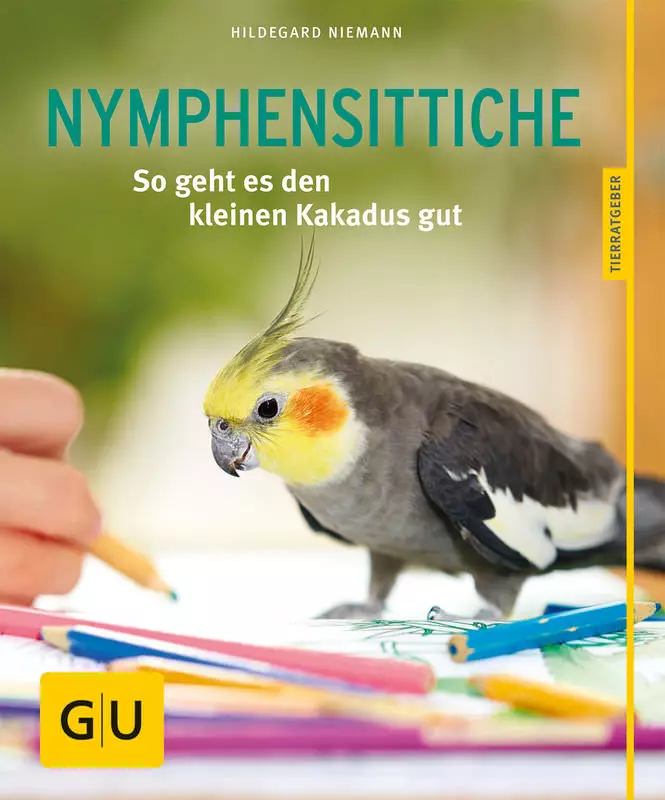
GU, Nymphensittiche (german version)
Haltung, Pflege und Beschäftigung: Alles, was Einsteiger über Nymphensittiche wissen sollten. 64 Seiten Informationen Haltung Anschaffung Beschäftigung Autor Hildegard Niemann Elegante Erscheinung mit kecker Haube, ausgeglichenes Wesen und unkompliziert zu halten - damit ist der Nymphensittich das ideale Heimtier für Jung und Alt. Die Nymphensittich-Expertin Hildegard Niemann erklärt im GU Tierratgeber Nymphensittiche, wo man die kleinen Papageien am besten kauft, wie sie artgerecht untergebracht werden, wie man ihr Vertrauen gewinnt, welches Futter sie mögen und welche Pflegemaßnahmen nötig sind, damit die Tiere gesund bleiben. Und da die aufgeweckten Nymphensittiche Abwechslung im Alltag brauchen, damit es ihnen gut geht, gibt es zahlreiche Beschäftigungstipps. Mit etwas Geduld lernen die Haubenträger sogar das eine oder andere Kunststückchen. Der Verhaltensdolmetscher erklärt darüber hinaus typische Verhaltensweisen der Nymphensittiche. Und mit SOS - was tun? ist Hilfe im Notfall garantiert.

CHF 12.90

Suggested products

New
Emergencies in keeping bird
Emergencies in Bird KeepingInfo: The book is only available in German.First-aid measures in everyday life: The practical guide for parrots, parakeets & co. Everyday hazards, recognising and treating emergency situations, first-aid kit byHakemeyer, Matthias Emergencies in Bird KeepingFirst-aid measures in everyday life:The practical guide for parrots, parakeets & co.Everyday hazards, recognising and treating emergency situations, first-aid kitThis practical guide supports all owners of pet birds with first-aid measures in everyday life, including: recognising sources of danger avoiding hazards. Preparing a first-aid kit recognising emergency situations response and treatment transport to the vet follow-up careThe book contains a comprehensive chapter on general anatomy, including the most important organ systems and their function in pet birds, detailed descriptions of various emergency situations as well as the most important signs for recognising a sick bird. The sections on catching birds, stress-free transport to the vet and the further care of sick birds at home offer further tips and important impulses not only for beginners, but also for experienced bird owners on the correct way to deal with emergencies.Product detailsISBN/GTIN978-3-911559-01-0Product type: BookBinding: HardbackPublisher: Arndt-VerlagPublication year: 2026Publication date: 23.03.2026Pages: 116 pagesLanguage: GermanDimensions: Width 211 mm, Height 217 mm, Thickness 15 mmWeight: 573 g

CHF 39.90

New
WP Magazine - Special Issue: Understanding Behaviour
Budgie & Parrot Magazine - Special Issue "Understanding Behaviour"Note: The booklet is available in German only.The "WP Special Issue: Understanding Behaviour" is a comprehensive special edition of WP Magazine.Over 80 pages deliver the latest insights from research and practice on the behaviour of our parrots/parakeets. The focus is on actionable solutions and practical advice for the everyday lives of bird owners on the following specialist topics (Excerpt from the contents):Behavioural biologyIdentifying abnormalitiesAggression, biting Screaming, feather pluckingBody languageMate selection, breeding behaviourLearning behaviourIndividual charactersIntuitive CommunicationUnderstanding flock lifeIntegrating new arrivalsPlay & ExplorationSigns of illnessBehavioural trainingAuthors (excerpt): Laurent Amann (behavioural biologist and animal communicator), Alice Auersberg (University of Veterinary Medicine Vienna), Isabel Barbosa-Pacheco (University of Frankfurt/Main, zoo animal biology), Dr. Auguste von Bayern (Max Planck Institute), Ann Castro (trainer), Jörg Ehlenbröker, Patrick Furch (Marlow Bird Park), Barbara Heidenreich (trainer, USA), Werner Lantermann, Ronja Rahner (veterinarian, University/Clinic Giessen)

CHF 19.90

Agapornids and barred parrots
Agapornid & Barred ParrotsThis practical book gives you a detailed introduction to the wild-coloured agapornid and barred parrot species, including descriptions, life in the wild, keeping and breeding. You will learn everything about the requirements for housing, nutrition and health care that these birds place on the keeper. The book also deals with the rules of inheritance and forms of mutation that exist in the various species in human hands. A detailed bibliography and addresses of clubs and associations provide further information.

CHF 41.90

Gekeler Jennifer Natural activity for parrots, parakeets & co
Natural activity for parrots, parakeets & co Natural activities (Jennifer Gekeler)New ideas & instructions for sustainable handicrafts. With Materials from nature! How to use natural materials to create exciting toys for your feathered friends from natural materials in this guide. The author motivates the reader. This makes fun: Suitable tools and how to use them- The most important The most important steps and crafting techniques- Suitable woody plants, plants, stones, crafting instructions, very easy to understand- Tips & tricks Tips & tricks from the professionals- Free space for your own creativity New swings, cords, wooden components, stone creations, embellishments for the aviary and treats are the results. Sustainable, inexpensive and of course homemade. With different levels of difficulty, therefore suitable for suitable for beginners and advanced. From small budgies to large parrots to large parrots, different needs are catered for. Over 100 pages, numerous pictures + practical instructions

CHF 39.90

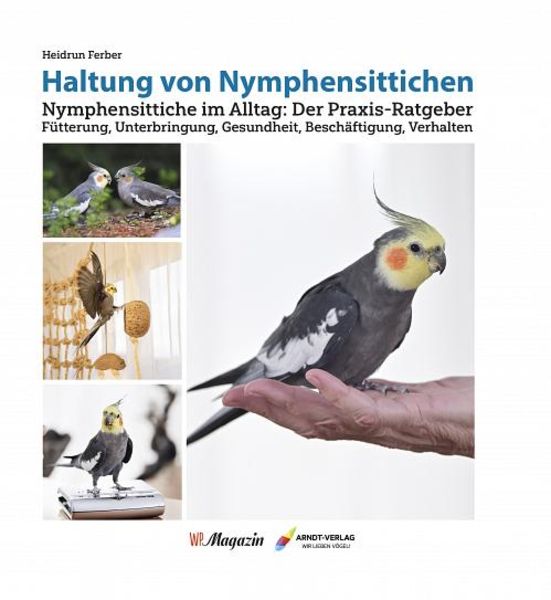
Keeping of cockatiels
Keeping cockatiels Cockatiels in Everyday Life: The Practical Guide by Heidrun Ferber Feeding, housing, health, enrichment, behaviour Topic overview- Feeding with instructions, recipes, tips- Enrichment and play with numerous ideas- Planning and designing accommodation (indoor and outdoor areas)- Better understanding and managing behaviour- Practical cases: illness, the vet, preventative healthcare The book includes a special chapter for beginners (bringing cockatiels home/purchasing them), but above all offers valuable insights and solutions for experienced owners too, for example regarding nutrition, maintaining health and training. Also important are the insights drawn from the wild: where does the natural behaviour of cockatiels come from and how do we skilfully manage this in modern pet bird keeping? "A guide for every cockatiel owner who wishes to ensure a safe and happy life with their feathered friends." Author Heidrun Ferber regularly publishes practical reports in WP Wellensittich & Papageien magazine, covering topics such as training, emergencies and everyday issues relating to cockatiel care. 

CHF 39.90

Budgerigars - This is how your animals stay well
Budgerigars - How to keep your animals well Budgerigars are always on the move: they fly, play and chirp all day long. Budgies should be kept in pairs at the very least, but the more birds there are in the flock, the more interesting it becomes. This book explains what these little parrots need: from feeding, care and health to an aviary and daily free flight. The double-page layout provides clear guidance, and the dos and don’ts help you avoid mistakes.

CHF 16.90

Keeping budgies
Keeping budgies Budgies in everyday life: The Practical guide by Gaby Schulemann-Maier Improving health, Feeding naturally, recognizing characters, encouraging behaviour This practical guide helps owners of budgerigars to better understand and manage their better understand and master living with their charges. Excerpt of topics:? Planning their diet: basic food, fresh food, food plants? What wild life teaches us: practical tips for at home? Creating safe and creative housing? Keeping budgies healthy and keep them healthy? Living with and among each other (flock, behavior)Positive It should be emphasized how knowledgeable the author is about special topics such as character studies, emotional worlds or behavioral aspects of the little Australians. Australians. In terms of health and practical feeding feeding, the wealth of experience that she passes on in extra chapters in extra chapters. Helpful knowledge that will help bird owners in their own keeping! A valuable companion for every budgie owner, who cares about the happiness of their birds. "Author Gaby Schulemann-Maier is editor of the WP magazine Wellensittiche & Parrots. Her unique knowledge from many years of keeping her own birds, active advice to readers, research and reporting and, last but not least care of emergencies and challenging budgies, flows into this guide!

CHF 39.90

Special issue Hygiene (in German)
📘 WP magazine special issue "Hygiene" - specialist knowledge for healthy bird keeping Hygiene as the key to keeping birds healthy The "Hygiene" special issue of WP magazine is essential reading for responsible bird keepers, breeders and animal lovers. On over 80 pages, the booklet provides in-depth knowledge about hygiene management in pet bird keeping - from feed and drinking water hygiene to disinfection practices and air purification in the bird room. Numerous experts offer practical tips for everyday life with pet birds. ✅ Advantages at a glance Expert knowledge from vets and scientists Practical hygiene plans and step-by-step instructions Comprehensive information on food, water, bedding, environment & plumage Clearly presented for owners & breeders Up-to-date recommendations for avoiding resistant germs Ideal for the prevention of diseasesThe WP special issue "Hygiene" of the WP magazine is a comprehensive practical aid for bird keepers who want to deal intensively with the topic of hygiene in pet bird keeping. On over 80 pages, the booklet provides in-depth knowledge on health care and conveys current standards in areas such as feed hygiene, drinking water quality, bedding, cleaning and disinfection.🧼 Overview of topics Ensuring feed hygiene: tips on storing and handling bird feed. Keeping drinking water clean: Recommendations on water quality and changing. Use clean litter: Information on litter selection and care. Disinfection guide - the 7 steps: Guidance on effective disinfection measures. Proper sampling: advice on the correct way to take samples for testing. Air purification in everyday life: Strategies for improving the air quality in the bird room. Creating a hygiene plan: Steps for creating an individual hygiene plan. Practical cleaning in everyday life: everyday cleaning tips. Sterile environments: When and how a sterile environment is necessary. Resistance risks: Information on resistant germs and how to avoid them. Plumage care guide: Care tips for healthy plumage.www.papageien.de The special issue contains exclusive specialist articles by experts such as Prof. Peter Berthold, veterinarian Hermann Kempf, Rafael Zamora Padron (LPF), Dr. Elisabeth Peus, Prof. Dr. Monika Rinder (LMU Munich), veterinarian Bianka Schink and Prof. Dr. Petra Wolf. WP health editor Matthias Hakemeyer (LMU Munich) was responsible for the conception

CHF 19.90

Do-it-yourself natural aviaries
Do-it-yourself natural aviariesSpecies-appropriate care for budgerigars and finchesby Wilbrand AndreasBlurbA natural, large free-flight aviary with plants, rocks and perhaps even a waterfall in your own garden - what bird lover doesn't dream of this? this wish can certainly be fulfilled, even affordably and individually adapted to the respective conditions by building it yourself. In this book you will find detailed step-by-step instructions on how to build an aviary in your own garden according to your own wishes. From the foundations to the birdhouse to the exterior plaster - all the necessary materials and the work steps are explained in an easy-to-understand way. The correct set-up, planting and feeding of the animals is also covered. In addition, a large chapter is dedicated to the species of parakeets and finches suitable for aviary keeping, with a special focus on their socialisation. This book therefore leaves no questions unanswered for the skilful bird lover who wants to keep their pets as close to nature and species-appropriate as possible.

CHF 27.90

Atlas plants for pets
Can my cat eat daisies? Is it safe if my Wellensitticham Ficus nibbles? Broken down by wild plants, house and garden plants, fodder plants, herbs, poisonous and medicinal plants are described with which pet animals may come into contact. With advice for individual species.

CHF 21.90

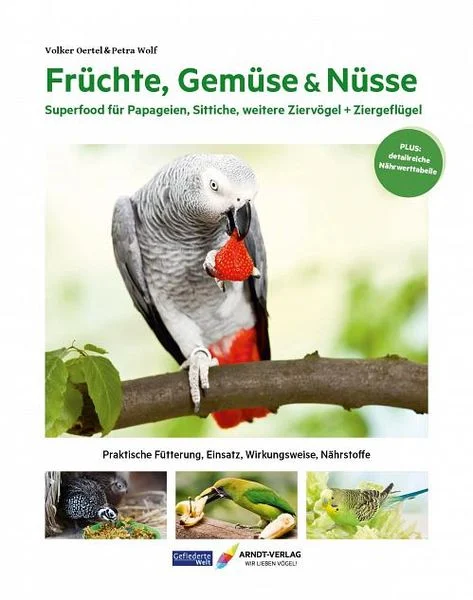
Fruit, vegetables & nuts
Fruits, vegetables & nuts This book is only aviable in German. Superfood for parrots, parakeets, other ornamental birds and ornamental poultryThis specialist book helps bird owners and breeders with nutritional planning and practical feeding. Which variety is suitable for which species? How and why should the respective variety be used in feeding? The suitability of different types of fruit and vegetables, including both classic and trendy varieties, is also determined. An extra chapter highlights nuts. Species suitability has been determined for parrots and parakeets (with a separate section on budgerigars and large parrots) as well as for canaries, finches, woodland and finch birds, soft feeders and ornamental poultry.The explanations on the mode of action are particularly valuable. For example, there are varieties that promote calming, strengthen the immune system or support the gastrointestinal tract. But attention is also drawn to risky varieties with hazardous ingredients or high sugar content. Even supportive fresh food for young birds (rearing) and during moulting is included.Tips for the practical preparation, storage and preservation of fresh food are included in each variety portrait. A detailed, comprehensive nutrient table with all varieties (minerals, vitamins ...) rounds off the reference book.For more safety in feeding and a healthy diet, the following people have contributed to this book: Volker Oertel was a member of the editorial staff of the trade magazine PAPAGEIEN for many years. He has always had a particular fondness for neotropical parakeets and white-bellied parrots, which he has studied intensively in his own practical husbandry.Prof. Dr. med. vet. Petra Wolf is a veterinarian and holds the Chair of Nutritional Physiology and Animal Nutrition at the University of Rostock. She is a veterinary specialist in animal nutrition and an internationally highly regarded expert and sought-after consultant on feeding issues.

CHF 46.50

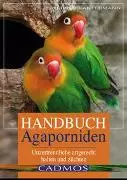
Handbook Agapornid
Blurb from the book Due to their magnificent colouring and manageable size, the "lovebirds", as these parrotbirds are often called, have become very popular ornamental birds. As the name suggests, these birds must be kept at least in pairs, as the close relationship between the pair partners is a typical characteristic of these small parrots. This book introduces all nine species of agapornid as well as their origins and special features. The author explains what needs to be taken into account when keeping them in pairs or groups in the most species-appropriate way possible. He also provides comprehensive information on the care, feeding, health care and breeding of these extremely attractive small parrots.

CHF 16.90

Customers also saw

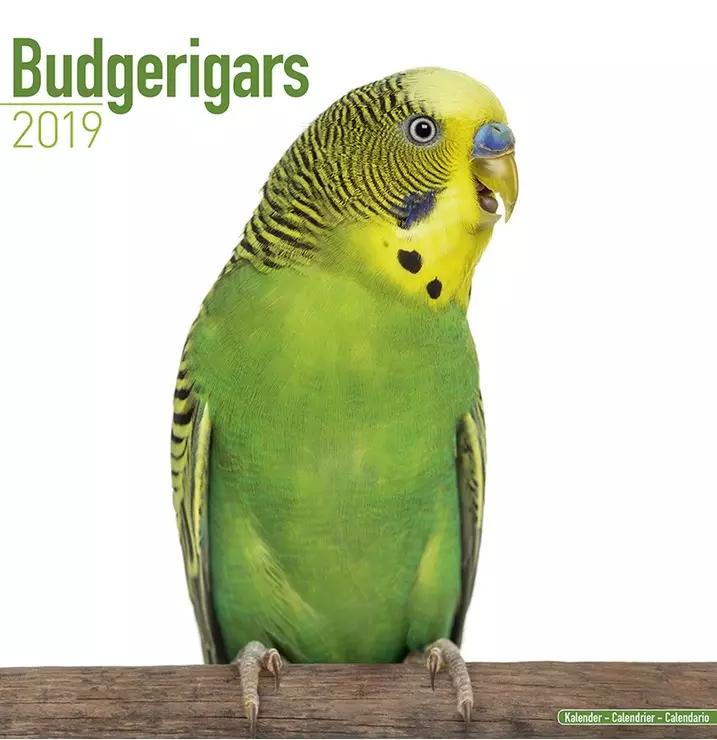
Budgerigars
Budgerigars Region of origin: Budgerigars live and breed in large swarms in the grass and bush steppes of Australia. In 1840 the English naturalist Sir John Gould brought a pair of budgies to Europe for the first time. These became so to speak the stammer parents of the popular ornamental birds. Today, catching and exporting Australian budgies is forbidden. The birds on the market all come from offspring. Sex differences: One recognizes squabs by the pink nose-skin, dark eyes and the wave-drawing on the forehead up to the nose-root. After the young mouse at the age of about 3 months, the nasal skin turns blue in the male and beige-brown in the female. In albinos (white with red eyes) and lutinos (yellow with red eyes) the skin of the nose is pink in both sexes. female budgerigar male budgerigar Attitude: In its homeland, the wild budgerigars live in big swarms since they are extremely sociable. Therefore they should be kept in cages with at least two of us. A single bird would wither on its own. With a single bird the human being can never replace a conspecific despite intensive affection!The cage should be at least 70x40x40 cm per pair. Better however would be a room aviary, so that the birds can fly also a pair of wing flaps. The cage should be placed in a draught-free location.So that budgerigars feel well one needs: Cage or aviary perches of various thicknesses or natural branches (willows, poplars or fruit trees) Toys, bells, ladders, swings etc. Bath or shower facilities Food and drink bowl Food: The food consists of a special grain mixture of different millet seeds and peeled oats.In addition, the birds should be provided with food: Mineral stone or cuttlebone - serves to cover the lime requirement. Bird sand - contains important ingredients for digestion unsprayed vegetables (e.g. chicory / spinach / cress / carrots, cucumber slices) unsprayed fruit (e.g. apple pieces / pears) unsprayed wild herbs (e.g. chickweed / knotweed / shepherd's purse / young dandelion) Millet (1x weekly, since the fat content is high, the budgies suffer otherwise from over-fatting). Egg and germ food Crackers and snack bars are healthy delicacies that serve to make the bird work for its food. Food, water and fresh food must be renewed daily.   Breeding: The parents should be at least 6 months old before starting to breed. In special nesting boxes the budgies lay about 3-5 eggs every 2 days. Nesting material is not necessary, since they lay the eggs directly on the wooden floor of the nesting box.Budgerigars breed the whole year over and raise the offspring almost always successfully. The boys are blind, naked and completely helpless when they hatch. After approx. 10 days the eyes open and on the back the first feathers begin to sprout. With 30 days, the budgerigars are fledged. One should separate the young birds from the parents at the earliest starting from an age of 6 weeks. The Swiss Animal Welfare Act contains statutory provisions governing the animal-friendly keeping and handling of birds. The following regulations apply to all bird species:Social species must be kept socially (no individual keeping). the enclosures must meet the minimum dimensions = minimum requirements all birds must be offered a bathing opportunity the enclosures shall be structured with various resilient seating arrangements of varying thickness and orientation, one third of the volume being free of structures all birds must be provided with suitable sand for reception the private keeping of certain bird species requires a permit (wildlife keeping permit) the conservation of parrots and the keeping of singing canaries in Harzer farmers is prohibited the use of sand husks to cover perches is prohibited for psittacaries: minimum enclosure area for 4 small parakeets and agapornids0.24 m2 (e.g. 60 cm x 40 cm), minimum height 50 cm Parrots need plenty of natural branches for nailing and climbing.   Before you decide for budgerigars, you should absolutely have read an appropriate technical book.For each animal husbandry applies: Children must be led, supervised and controlled by the parents. Children must learn that an animal has its own needs and habits and respect them. Parents should be aware that it is they who are responsible for the animal.Our trained team at Zoo Roco is at your disposal for questions and problems. They can advise you professionally in all questions.