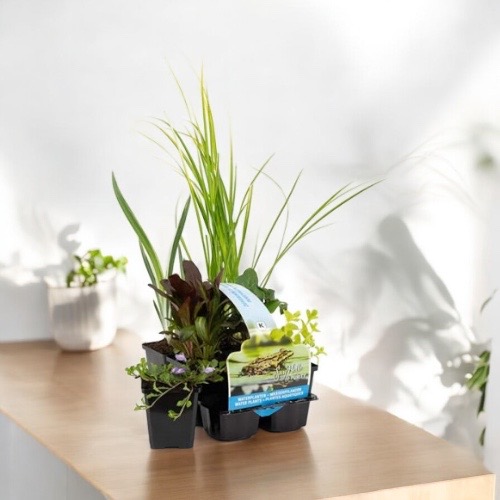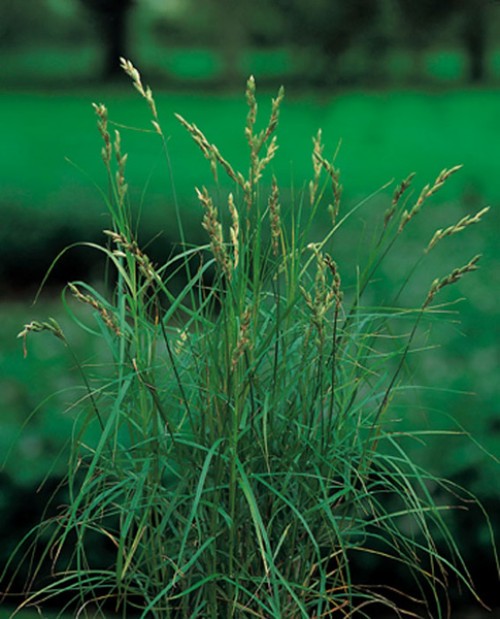
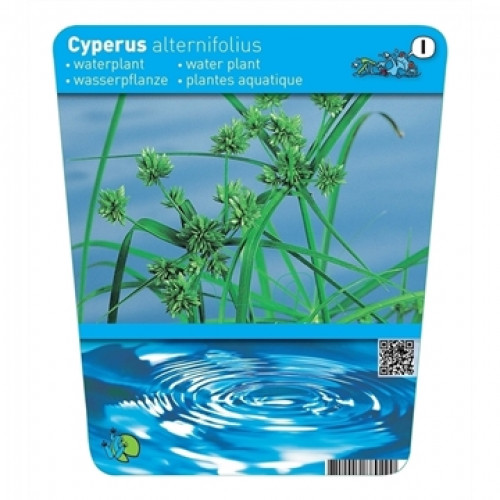
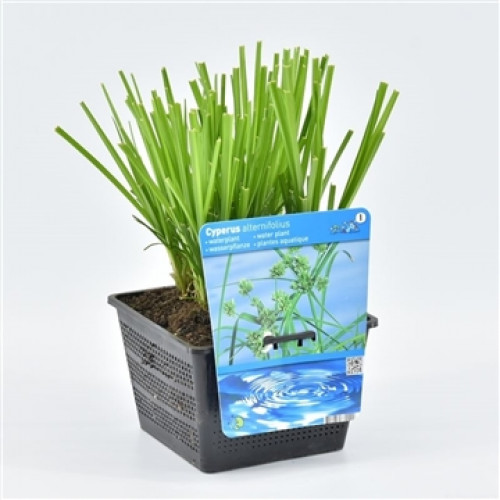
Cyperus alternifolius (18 cm) – Cyperus alternifolius

  • umbrella-shaped silhouette
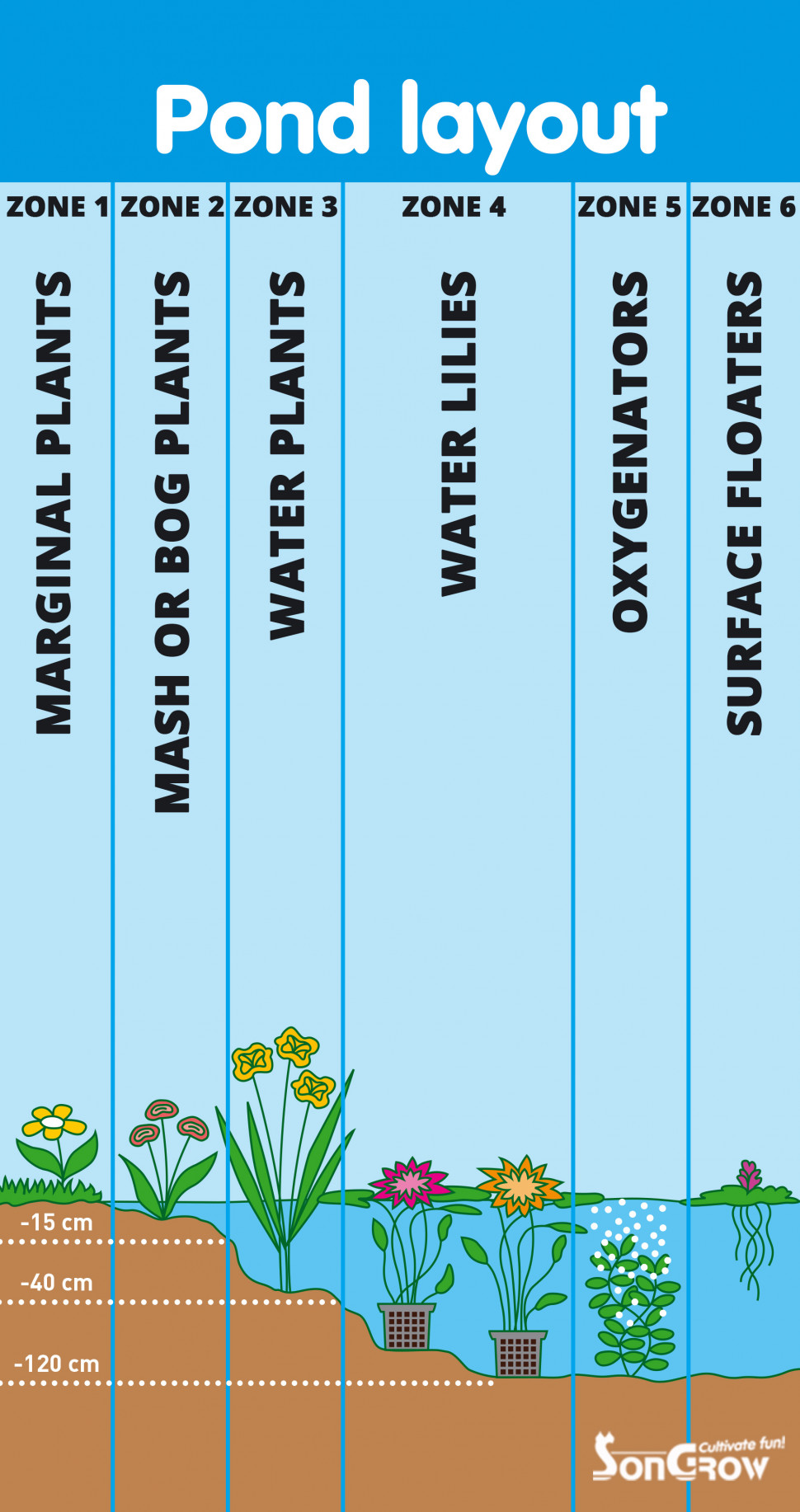
  • shallow planting depth up to 15cm
  • structural plant
Article no: SG-V12630

CHF 19.90

Stock: 0

This article is currently not available

Product information "Cyperus alternifolius (18 cm) – Cyperus alternifolius"

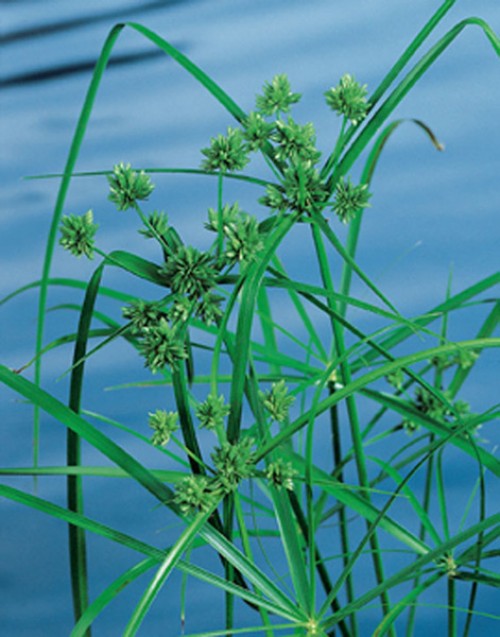
Cyperus alternifolius – Cyprus grass for pond edge


Cyperus alternifolius (Umbrella Plant) is a striking structural plant with umbrella-shaped growth for the garden pond. With a height of 60–80 cm, it adds height and clear lines to the shore and shallow water zones. It is suitable for planting at depths of 0 to –15 cm, and flowers from May to July (V–VII).


  • Flowering period: V–VII (May to July)
  • Height: approx. 60–80 cm
  • Planting depth: 0 to –15 cm
  • Pot size: approx. 18 cm


Plant specifications: 

  • Its distinctive umbrella-shaped growth adds a modern, neat accent at the pond edge.
  • The planting depth of 0 to –15 cm means the Cyprus grass can be flexibly positioned in edge and shallow water areas.
  • The 18 cm pot ensures a stable start and makes planting by the pond easier.

Technical data:

  • Botanical name: Cyperus alternifolius
  • German name: Cyprus grass (Umbrella Plant)
  • Height (cm): 60 / 80 cm
  • Planting depth: 0 / –15 cm
  • Flowering period: V–VII
  • Winter hardiness: Zone 1 / 2
  • Pot size: 18 cm

With Cyperus alternifolius (Cyprus grass / Umbrella Plant), you introduce a pond edge plant to your garden that immediately stands out for its emphatic umbrella-shaped silhouette. It is exactly this clear form that makes it so popular: it brings structure to the shore planting, appears tidy and creates an exciting contrast to soft-growing marsh and flowering plants. The Cyprus grass appears especially harmonious at modern ponds or clearly defined shorelines – but it can also impress as a deliberate structural focal point in natural-style designs.
With a height of approx. 60 to 80 cm, Cyperus alternifolius is suitable for the middle to background of edge plantings. It visually builds up the shore zone without completely covering the pond. The indicated flowering period from May to July (V–VII) complements the seasonal progression, in this plant the focus is usually on the foliage and shape. When planted in small groups it creates a calm, architectural effect; planted individually, the Cyprus grass becomes a real eye-catcher. The recommended planting depth of 0 to –15 cm makes the plant ideal for the shore and shallow water area. You can plant it directly in moist bank soil or place it in the very shallow water zone.
Supplied in a 18 cm pot, you receive a strong root volume, which makes it easier to establish and ensures greater stability. For a neat pond edge and maximum control, a planting basket is a practical option – this way, the plant stays where it works best and can easily be moved if required.

Note on shipping: We make every effort to ensure our plants arrive healthy and undamaged. Despite the utmost care, plants may be slightly damaged during shipping or other unforeseen events. This includes brown leaves as well as snapped branches. We accept no liability for this. Do not plant into open water such as lakes or biotopes.

Zoo-Roco tip: Plant Cyperus alternifolius so that the “umbrellas” are clearly visible at eye level – it looks best when slightly reflected in the water. For a neat pond edge, place the pot or basket at 0 to –15 cm depth and use a low ground cover at the front so the transition appears natural.
Composition
Feeding recommendation
Technical details
Size information

0 of 0 reviews

Give us a rating!

Share your experience with the product with other customers.


Customers also bought

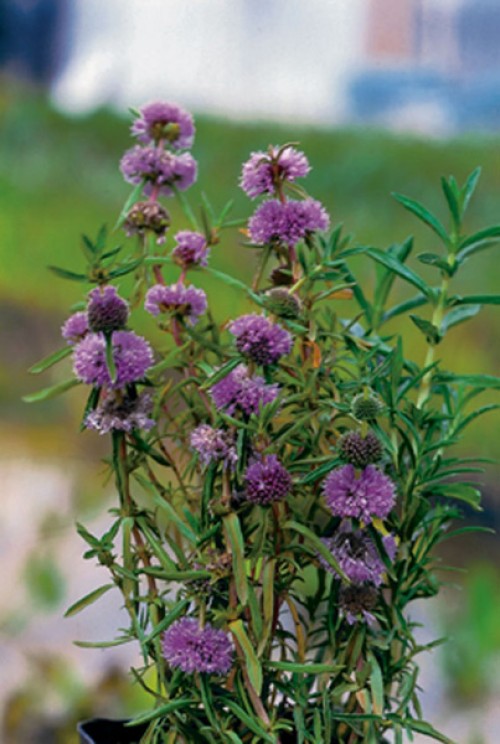
English water mint (9cm) - Preslia cervina blue
Preslia cervina - English water mint blueEnglish water mint is a decorative pond edge plant that brings colour to the shoreline with its blue/pink flowers from July to September. At 30-40 cm tall, it is ideal for the edge and shallow water zone. It grows reliably at a planting depth of 0 to -15 cm and is hardy in zones 1-2.Area of application: Pond edge / shallow water zoneFlower colour: pink/blueFlowering time: VII-IX (July to September) Height: approx. 30-40 cm Planting depth: 0 to -15 cm Winter hardiness: Zone 1-2 Pot: approx. 9 cm Plant specifications:Ensures a long-lasting flowering effect in the pond edge plantingIdeal as a flat marginal plant for natural transitions at the water's edgeHardy (zone 1-2) and therefore suitable for perennial pond designTechnical dataBotanical name: Preslia cervinaGerman name: English water mintFlowering time: VII-IXWinter hardiness: Zone 1-2Height: 30 / 40 cmPlanting depth: 0 / -15 cmPot: approx. 9 cmWith Preslia cervina, you are choosing a compact, attractive plant for the bank and shallow water zone of your garden pond. Plants that provide structure, soften the transition between water and garden and at the same time have a reliable effect throughout the season are particularly in demand at the edge of the pond. This English water mint fulfils precisely this task: at approx. 30 to 40 cm, it remains pleasantly low and can therefore be integrated into existing pond plantings in a variety of ways.A particular advantage is the flowering period from July to September (VII-IX). During this phase, many pond owners want additional colour accents, as early bloomers are already fading. The pink flowers then add a lively yet harmonious touch to the pond - ideal if you prefer a natural look and don't want the edge to be too restless.Preslia cervina is well suited to group plantings, but also works well on its own as a colourful accent between stones, along a stream or along the edge of a pond. The recommended planting depth of 0 to -15 cm makes the plant suitable for the area directly at the edge or standing slightly in the water. Depending on the pond structure, place Preslia cervina in moist soil or in a stable position in the shallow water zone. The 18 cm pot provides a good volume for this and makes planting easier. If you want to keep the planting particularly tidy or flexibly adjust the position later, a plant basket is recommended - this keeps the plant exactly where it looks best. Thanks to its hardiness zone 1-2, Preslia cervina is suitable for permanent garden ponds and is an easy-care addition for seasonal pond edging.Shipping note: We make every effort to ensure that our plants arrive healthy and undamaged. Despite the greatest care, it can happen that plants are slightly damaged by post or other unforeseen events. This includes brown leaves as well as broken branches. We accept no liability for this. Do not plant in open bodies of water such as lakes or biotopes.Zoo Roco tip: Place Preslia cervina in the best spot where you can see it from your seat: In the shallow water zone down to -15 cm, flowers look particularly attractive because they are reflected in the water. A planting basket is ideal for a clean pond edge - this keeps the plant under control and makes it easy to move if necessary.

CHF 7.90

Dwarf water lily – Nymphaea Pygmaea Rubra
Dwarf water lily Nymphaea pygmaea ‘Rubra’ red (18cm)The dwarf water lily Nymphaea pygmaea ‘Rubra’ brings an elegant splash of colour to the water’s surface with its red flowers. Thanks to its compact form, it is particularly suitable for smaller garden ponds as well as mini ponds and bowls. Ideal if you want a water lily that doesn’t take up too much space.Dwarf-form water lily – suitable for small water areasFlower colour: redGrowth: compact, for a controlled leaf areaArea of application: Garden pond, mini pond, tub/bowlTechnical dataBotanical name: Nymphaea pygmaea ‘Rubra’English name: Dwarf water lilyFlower colour: redPlanting depth: -10 to -40cmFlowering period: June to September Pot size: approx. 18 cmWith the dwarf water lily Nymphaea pygmaea ‘Rubra’ you bring the typical water lily atmosphere into the garden – even if your pond is rather small or you want to plant in a mini pond or tub. Dwarf water lilies are designed to unfold a harmonious effect in a limited space: Floating leaves on the surface and an attractive blossom, without the water area being quickly completely covered. The ‘Rubra’ variety creates an elegant, easily visible splash of colour with its red flowers.Especially with smaller garden ponds, balanced planting is crucial. Water lilies that grow too vigorously can quickly dominate the surface and “close” the water effect. In comparison, a dwarf water lily remains more compact and is therefore a good choice if you want a calm, well-kept look and nevertheless do not want to do without the classic water lily eye-catcher. ‘Rubra’ is particularly effective when positioned so that you have a good view of the flowers from your seat or terrace – as the red shades clearly stand out against the water and greenery.For establishing, stable placement is important, ideally in a planting basket or a suitable container. This way the rhizome lies undisturbed, and you can adjust the position if necessary. If you are looking for a compact water lily with a strong colour, Nymphaea pygmaea ‘Rubra’ is a fitting choice for a natural yet controlled pond design.Note: We make every effort to ensure that our plants arrive healthy and undamaged. Despite the greatest care, it may occur that plants are slightly damaged during postal delivery or by other unforeseen events. This includes both brown leaves and bent branches. We accept no liability for this. Do not plant in open waters such as lakes or biotopes. Zoo-Roco tip: Put dwarf water lilies in a planting basket so you can easily adjust their position. If the plant is still small at first, start out higher (shallower) and lower them later – this often encourages quicker growth and flowering.

CHF 35.00

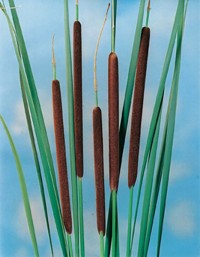
Narrow-leaved cattail (18cm) - Typha angustifolia
Narrow-leaved cattail (Typha angustifolia)The narrow-leaved cattail brings a natural, tranquil pond appearance to banks and shallow planting areas. With its good winter hardiness (zone 2–3), it is suitable for permanently planted pond edges and marsh zones. The flowering period is from July to September. Aquatic and marsh plant for pond edge and shallow water areasFlowering period: VII–IX (July to September)Winter hardiness: Zone 2–3Height: approx. 80–120 cmPot size: approx. 18 cmSpecifications of the plant:Provides a near-natural bank design and clear structure at the pond edgeRobust and hardy – suitable for perennial plantingIdeal as a screen and border planting in marsh zones and shallow areasTechnical dataBotanical name: Typha angustifoliaEnglish name: Narrow-leaved cattailFlowering period: VII–IXHardiness zone: 2 / 3Height: 80 / 120 cmPlanting depth: 0 to –40 cmWith Typha angustifolia (narrow-leaved cattail) you can create a natural and structured pond edge and marsh zone. The plant is particularly well suited to shallow bank areas, where its upright growth provides clear lines and creates a harmonious transition between water and garden. Thanks to its winter hardiness (zone 2–3), it is suitable for permanently designed pond areas and can – in the right place – remain part of your pond planting for many years.The flowering period from July to September makes the narrow-leaved cattail an attractive companion in the summer and late season. It looks particularly beautiful in group planting or as a tranquil backdrop for flowering marsh plants. Thanks to the recommended planting depth of 0 to –40 cm, you can use it flexibly – directly at the edge or in shallow planting baskets in the water.The plant is supplied in an approx. 18 cm pot (basket/pre-cultivated) and with a growth height of approx. 80–120 cm (depending on stage of development). For good establishment, it is advisable to place the plant securely after planting and to choose a location that provides enough space for its development.Important note: Please do not plant this species in open water such as lakes or biotopes, as aquatic plants can spread depending on the environment. We pack your plants with great care so they arrive healthy. However, there may occasionally be slight transport damage during postal shipping (e.g. brown leaves or bent shoots). Such visual impairments are usually not critical for establishment.Zoo-Roco tip: If you plant cattails in the pond, it is best to place them in a planting basket and restrict the root area. This keeps the bank zone tidy, and you can easily move or divide the plant if necessary.

CHF 19.90

Sepia pulp bowls
Cuttlefish ShellNatural supplier of calcium and minerals and helps wipe the beak.Sepia shells, are natural suppliers of important minerals and calcium. Often cuttlefish shells are used with birds, but reptiles also like to nibble on cuttlefish shells. Not only does it provide important minerals to reptiles, but it also helps turtles sharpen their beaks, so they don't get too long.Two cuttlefish shellsNatural supplier of calcium and important mineralsHelps turtles with their beaks

CHF 3.90

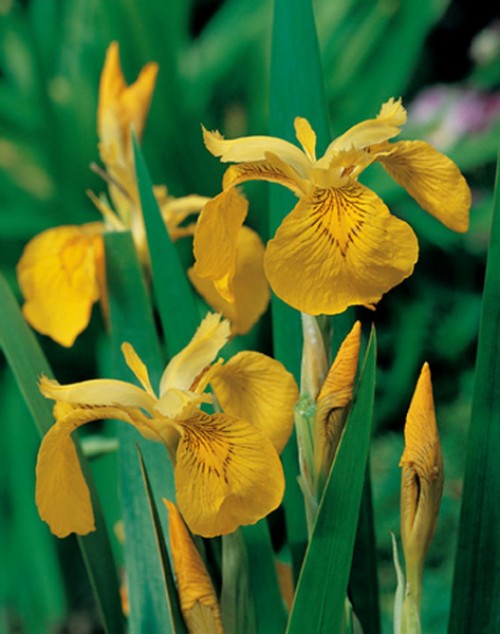
Yellow marsh iris (9cm) - Iris pseudacorus
Yellow marsh iris for the garden pond - Iris pseudacorusThe yellow marsh iris is a classic waterside plant that gives pond edges an upright and natural structure. With a height of 60-80 cm, it is ideal for the edge and shallow water zone and provides seasonal accents during the flowering period from May to July (V-VII). It is hardy in zones 1-3 and therefore suitable for many locations.Flowering time: V-VII (May to July)Flower colour: yellowWinter hardiness: Zone 1, 2 and 3Pot: approx. 9 cm Plant specifications:You create a natural-looking pond edge and give the bank zone a clear structure with the upright growth. The planting depth of 0 to -40 cm allows flexible placement from the wet edge to the shallow water area. Thanks to its hardiness zone 1-3, the marsh iris is suitable for perennial, low-maintenance pond plants. Technical data:Botanical name: Iris pseudacorusGerman name: Yellow marsh irisPlanting depth: 0 to -40 cmFlowering time: V-VII (May to July)Winter hardiness: Zone 1/2/3Pot: approx. 9 cmWith Iris pseudacorus (yellow marsh iris), you are choosing a tried-and-tested plant for a permanently attractive pond edge and bank design. With its sword-shaped leaves, it brings a clear, vertical structure to the garden pond and helps to make the transition between the water surface and the garden bed appear more natural. It is particularly popular in near-natural pond systems because it visually "grips" the edge area while leaving enough lightness for a harmonious overall appearance.The marsh iris reaches a height of approx. 60 to 80 cm and is therefore ideal for the centre to background of the bank planting. In combination with lower marginal plants, it creates a harmonious structure that does not overgrow the pond but clearly organises it. The flowering period from May to July (V-VII) brings seasonal highlights to the edge of the pond. The plant looks best when planted in small groups or as a recurring element along the shoreline, creating a calm, well-organised design. A major advantage is the flexible planting depth of 0 to -40 cm. This means you can either plant Iris pseudacorus directly in moist bank soil or in the shallow water area - depending on the structure of your pond and the effect you want to achieve.For neat, controllable planting, planting in a plant basket is often recommended, especially if you want to adjust the position later. Thanks to its hardiness zone 1-3, the yellow marsh iris is suitable for many regions and is a solid choice for long-term pond planting.Shipping note: We make every effort to ensure that our plants arrive healthy and undamaged. Despite the greatest care, it can happen that plants are slightly damaged by the post or other unforeseen events. This includes brown leaves as well as broken branches. We accept no liability for this. Do not plant in open bodies of water such as lakes or biotopes.Zoo Roco tip: It is best to plant Iris pseudacorus at a depth of 0 to -40 cm so that the plant does not stand in the middle of the pond but emphasises the edge - this is where it looks most natural. If you want a very neat pond edge, use a plant basket so that the plant stays exactly where you want it.

CHF 7.90

Glazed food plate - green
Green, glazed ceramic feeding dishA stylish feeding dish for wild birds. But it can also be used for hamsters, rabbits, guinea pigs, mice, rats, chickens, insects or hedgehogs.For wild birds: Enrich your garden with our elegant, green feeding plate made of high-quality ceramic. This glazed plate is not only an attractive accessory, but also provides a practical feeding place for wild birds. For rodents: This feeding dish is also suitable for feeding fruit and vegetables in rodent enclosures, for exampleFor chickens: The green feeding dish can be used for feeding grit, seeds or vegetables and fruit. It looks pretty and is easy to clean.For hedgehogs: Simply put hedgehog food in the feeding dish and place it in the hedgehog house or outside.For insects: Place larger stones in the ceramic bowl and pour water over them - this way the insects can drink safely.High-quality ceramic: The feeding dish is made of robust ceramic, which is weatherproof and durable so that you can use it outdoors all year round. Attractive design: The green glaze gives the plate a modern touch and blends harmoniously into any garden landscape. Versatile use: Ideal for feeding seeds, fruit or other treatsAvailable in four sizes:S = ⌀ 9 cm / H 1.9 cm M = ⌀ 12 cm / H 2.5 cm L = ⌀ 15 cm / H 3.1 cm XL = ⌀ 25 cm / H 3.7 cm

From CHF 2.90

Suggested products

New
Japanese orchid (9 cm) – Bletilla striata Alba
Bletilla striata Alba – Japanese orchid for the watersideBletilla striata is a garden-suitable orchid for damp locations at the edge of ponds and in natural-style beds. It is ideal for planting along the banks above the waterline and brings elegant flowers to areas near the pond.Flower colour: whiteHeight (cm): approx. 30–40 (depending on location)Planting depth: approx. 5–8 cm (guide)Flowering period: Spring to early summer (depending on the climate)Key benefitsVisually connects the pond and garden with a delicate, natural effectIdeal for semi-shaded banks with consistent soil moistureCombines well with ferns, grasses and shade perennials at the edge of the pondTechnical dataBotanical name: Bletilla striata AlbaCommon name: Japanese orchidHeight (cm): approx. 30–50 (depending on location)Planting depth: approx. 5–8 cm (guide)Flowering period: Spring to early summer (depending on the climate)Winter hardiness: depends on location; best protected when pottedPot size: 9 cmPond zone: Pond edge / shore area above the waterline (not zone 1)Bletilla striata Alba, the Japanese orchid, is a special ‘ Wahl ’ for anyone wishing to create a natural yet elegant pond area. Unlike traditional aquatic plants, it does not belong in the water, but thrives particularly well at the pond’s edge in moist, humus-rich soil. Precisely where the soil receives regular moisture but is not permanently flooded, it can establish itself well and enhance the visual transition between the bank and the garden.A semi-shaded spot is ideal, for example at the edge of a copse near a pond or in a waterside planting scheme with perennials and ferns. Ensure the soil is well-drained and free from waterlogging. During dry spells, regular watering helps to ensure the plant remains evenly supplied with moisture. If Bketilla is grown in a pot, good drainage is essential; in winter, a sheltered spot may be advisable.Note on shipping: We make every effort to ensure that our plants arrive at your address healthy and undamaged. Despite our utmost care, plants may occasionally sustain minor damage during postal delivery or due to other unforeseen circumstances. This includes brown leaves as well as snapped stems. We accept no liability for this. Do not plant in open waters such as lakes or biotopes.Zoo Roco tip: If you wish to plant Bletilla striata Alpa by a pond: plant it above the waterline in moist, loose soil. A small distance from the water’s edge prevents the roots from being permanently waterlogged – this is the most common reason why perennials planted near a pond fail to thrive.

CHF 7.90

New
Japanese orchid (9 cm) – Bletilla striata
Bletilla striata – Japanese orchid for the watersideBletilla striata is a garden-suitable orchid for damp locations at the edge of ponds and in natural-style beds. It is ideal for planting along the banks above the waterline and brings elegant flowers to areas near the pond.Flower colour: pinkHeight (cm): approx. 30–50 (depending on location)Planting depth: approx. 5–8 cm (guide)Flowering period: Spring to early summer (depending on the climate)Key benefitsVisually connects the pond and garden with a delicate, natural effectIdeal for semi-shaded banks with consistent soil moistureCombines well with ferns, grasses and shade perennials at the edge of the pondTechnical dataBotanical name: Bletilla striataCommon name: Japanese orchidHeight (cm): approx. 30–50 (depending on location)Planting depth: approx. 5–8 cm (guide)Flowering period: Spring to early summer (depending on the climate)Winter hardiness: depends on location; best protected when pottedPot size: 9 cmPond zone: Pond edge / shore area above the waterline (not zone 1)Bletilla striata, the Japanese orchid, is a special ‘ Wahl ’ for anyone wishing to create a natural yet elegant pond area. Unlike traditional aquatic plants, it does not belong in the water, but thrives particularly well at the pond’s edge in moist, humus-rich soil. Precisely where the soil receives regular moisture but is not permanently flooded, it can establish itself well and enhance the visual transition between the bank and the garden.A semi-shaded spot is ideal, for example at the edge of a copse near a pond or in a bankside planting with perennials and ferns. Ensure the soil is well-drained and free from waterlogging. During dry spells, regular watering helps to ensure the plant remains evenly supplied with moisture. If Bletilla is grown in a pot, good drainage is essential; in winter, a sheltered spot may be advisable.Note on shipping: We do our utmost to ensure that our plants arrive at your address healthy and undamaged. Despite our utmost care, plants may occasionally be slightly damaged during postal delivery or due to other unforeseen circumstances. This includes brown leaves as well as snapped stems. We accept no liability for this. Do not plant in open water such as lakes or biotopes.Zoo Roco tip: If you wish to plant Bletilla striata by a pond: plant it above the waterline in moist, loose soil. A small gap from the water’s edge prevents the roots from being permanently waterlogged – this is the most common reason why perennials planted near a pond struggle.

CHF 7.90

New
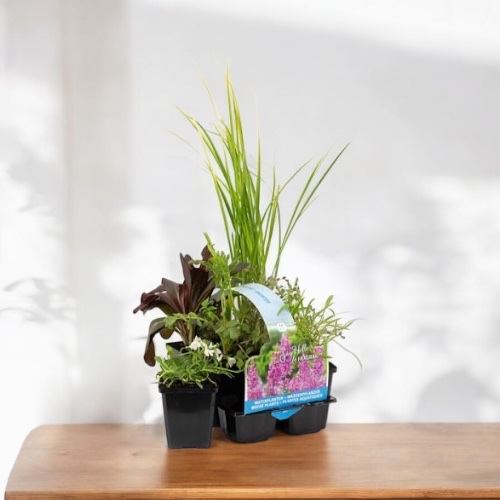
Six-pack – Fragrant
Mixed basket of pond plants “Sixpack – Fragrant” (height 20–30 cm) Aromatic variety for the garden pond – with fragrant pond plants Give your pond a new sensory dimension!The mixed basket "Sixpack – Fragrant" combines six aromatic aquatic and marsh plants that are not only visually stunning, but also captivate with their natural scent. Ideal for pond edges, shallow water zones, mini-ponds and natural garden design. Pre-planted in the basket – simply place in the water Growth height approx. 20–30 cm – compact & versatile Equally suitable for fragrance lovers and insect enthusiasts Included plant species: Acorus calamus (calamus – aromatic foliage) Geranium palustris (marsh cranesbill – delicately scented flower)Houttuynia cordata 'Chameleon' (Fragrant & colourful) Mentha aquatica (water mint – intense mint scent) Preslia cervina (musk plant – fragrant herb species) Zantedeschia aethiopica (Calla – elegant appearance, light fragrance) Please note that the individual plants may vary. It is possible that you may not receive exactly the plants listed - this depends on availability. This plant mix turns your pond into a place of relaxation – with natural fragrance, flowering accents and ecological benefits. Fragrant pond plants – an experience for all the senses!We make every effort to ensure that our plants arrive healthy and undamaged. Despite the utmost care, it may happen that plants are slightly damaged during postal delivery or due to other unforeseen events. This includes brown leaves as well as bent stems. We accept no liability for this. Do not plant in open waters, such as lakes or biotopes.

CHF 39.00

New
Dwarf water lily – Pygmaea Helvola (18 cm)
Nymphaea ‘Pygmaea Helvola’ – pale yellow flowers for small ponds/mini pondsThe dwarf water lily Nymphaea ‘Pygmaea Helvola’ brings delicate yellow flowers and decorative floating leaves to your mini pond or water tub. Thanks to its compact growth habit, it is particularly suitable for smaller water areas and shallower zones.Product benefits:Dwarf water lily with pale to soft yellow flowersSuitable for small ponds, mini-ponds and containersRecommended water depth: approx. 10–30 cm (shallow zone)Prefers a sunny position (for good flowering)Supplied in a 3 L planting basket Compact: ideal if you don’t have much space in your pondCreates shade and a quiet zone at the water’s surface (ideal for many ponds)Handy in a basket: easy to place and reposition as neededNote on shipping: We make every effort to ensure that our plants arrive at your address healthy and undamaged. Despite taking the utmost care, plants may occasionally be slightly damaged during postal delivery or due to other unforeseen circumstances. This includes brown leaves as well as snapped branches. We accept no liability for this. Do not plant in open water such as lakes or biotopes.

CHF 35.00

New
Six-pack – Purifying
Mixed basket of pond plants “Sixpack – Purifying” (height 20–30 cm)Natural filtration system for your pond – with purifying plant species Improve the water quality in your garden pond without any technology!The mixed basket "Sixpack – Purifying" contains six high-performance marsh and aquatic plants that absorb excess nutrients, prevent algae growth and ensure a biological balance in the pond. Ideal for shallow water and bank zones as well as for mini-pondsReady planted – simply place it in, effective immediatelyNatural pond care through root-active plants Included plant species: Acorus calamus (calamus – binds pollutants in the water) Carex riparia (shore sedge – strong root system for filtering effect) Hippuris vulgaris (mare's-tail – oxygenating & purifying)Iris pseudacorus (yellow flag iris – strong-growing & nutrient-consuming)Sparganium erectum (bur-reed – ideal for bank stabilisation & purification) Typha angustifolia (narrow-leaved cattail – biological nutrient filter)Please note that the individual plants may vary. It is possible that you may not receive exactly the plants listed - this depends on availability. With a compact height of 20–30 cm, this mixed basket is particularly versatile and also suitable for smaller ponds. Ecological, effective and decorative – for a clean, healthy pond!We make every effort to ensure that our plants arrive with you healthy and undamaged. Despite the greatest care, it can happen that plants are slightly damaged by postal delivery or other unforeseen events. This includes brown leaves just as much as bent branches. We accept no liability for this. Do not plant in open waters, such as lakes or biotopes.

CHF 39.00

New
Six-pack – Edible
Six-pack of edible pond plants – decorative, aromatic and close to natureWith this six-pack, you can bring a varied selection of edible pond and bank plants into your garden. The plants are ideal for pond edges, marsh areas, wet areas, mini-ponds or plant baskets.They provide fresh greenery, interesting leaf textures and, depending on the variety, aromatic leaves for salads, tea or creative cooking.The selection may vary depending on availability and contains selected species from the range of edible aquatic and shore plants.Acorus calamusCommon name: CalamusBotanical name: Acorus calamusFlower colour: yellow-green, rather inconspicuousFlowering period: June to JulyHeight: approx. 60–100 cmPlanting depth: approx. 0–30 cmWater level Winter hardiness: hardy, approx. USDA Zones 4–9Usage: The roots are traditionally used as a dietary supplement.Mentha aquaticaCommon name: Water mint Botanical name: Mentha aquatica Flower colour: pink to violet Flowering period: July to September Height: approx. 15–60 cm Planting depth: moist soil to shallow marsh area, approx. 0–10 cm water level Winter hardiness: hardy, approx. USDA Zones 5–9 Usage: The aromatic leaves are suitable for tea, drinks and various dishes.Nasturtium officinaleCommon name: Watercress / garden cress Botanical name: Nasturtium officinaleFlower colour: whiteFlowering period: May/June to JulyHeight: approx. 15–80 cmPlanting depth: moist soil to shallow water, approx. 0–10 cm water levelWinter hardiness: hardy, approx. USDA Zones 6–9Usage: The fresh leaves are spicy and ideal for salads, sandwiches or as a garnish.Oenanthe aquaticaCommon name: Water fennelBotanical name: Oenanthe aquaticaFlower colour: whiteFlowering period: June to SeptemberHeight: approx. 30–120 cmPlanting depth: approx. 0–30 cm water levelWinter hardiness: hardy, approx. USDA Zones 5–9Usage: Described on the label as a salad plant.Important note: Oenanthe species can be confused with poisonous species and are sometimes described as poisonous. Rumex sanguineusCommon name: Blood sorrel / red-veined sorrelBotanical name: Rumex sanguineusFlower colour: greenish to reddishFlowering period: June to AugustHeight: approx. 30–70 cmPlanting depth: moist soil up to approx. 0–5 cm water levelWinter hardiness: hardy, approx. USDA Zones 4–8Usage: Young leaves can be used in salads and are particularly decorative because of the red leaf veins.Tulbaghia violaceaCommon name: Indoor garlic / Cape garlic / garlic lilyBotanical name: Tulbaghia violaceaFlower colour: purple to pink-violetFlowering period: June to October, sometimes longer depending on the locationHeight: approx. 30–60 cmPlanting depth: slightly moist to normal soil, not a permanent deep-water plantWinter hardiness: only partially hardy, approx. USDA Zones 7–10; overwinter protected or frost-free in cold regionsUsage: The leaves have a fine garlic flavour and can be used in various dishes like chives.Veronica beccabungaCommon name: Water speedwell / brooklimeBotanical name: Veronica beccabungaFlower colour: blueFlowering period: May to August/SeptemberHeight: approx. 20–40 cmPlanting depth: moist soil to shallow water, approx. 0–20 cm water levelWinter hardiness: hardy, approx. USDA Zones 4–8Usage: The leaves can be used in salads and have a strong flavour.Zoo Roco Tip: For best results, plant edible pond plants in plant baskets with nutrient-poor pond soil. This keeps the plants well under control, is easy to care for, and allows them to be easily moved or harvested if necessary. Only healthy, clean leaves should be harvested for culinary use and washed thoroughly before use. Only use plants from controlled cultivation and not from ponds with fish medications, fertiliser residues or unknown water quality.

CHF 39.00

Dwarf water lily – Nymphaea Pygmaea Rubra
Dwarf water lily Nymphaea pygmaea ‘Rubra’ red (18cm)The dwarf water lily Nymphaea pygmaea ‘Rubra’ brings an elegant splash of colour to the water’s surface with its red flowers. Thanks to its compact form, it is particularly suitable for smaller garden ponds as well as mini ponds and bowls. Ideal if you want a water lily that doesn’t take up too much space.Dwarf-form water lily – suitable for small water areasFlower colour: redGrowth: compact, for a controlled leaf areaArea of application: Garden pond, mini pond, tub/bowlTechnical dataBotanical name: Nymphaea pygmaea ‘Rubra’English name: Dwarf water lilyFlower colour: redPlanting depth: -10 to -40cmFlowering period: June to September Pot size: approx. 18 cmWith the dwarf water lily Nymphaea pygmaea ‘Rubra’ you bring the typical water lily atmosphere into the garden – even if your pond is rather small or you want to plant in a mini pond or tub. Dwarf water lilies are designed to unfold a harmonious effect in a limited space: Floating leaves on the surface and an attractive blossom, without the water area being quickly completely covered. The ‘Rubra’ variety creates an elegant, easily visible splash of colour with its red flowers.Especially with smaller garden ponds, balanced planting is crucial. Water lilies that grow too vigorously can quickly dominate the surface and “close” the water effect. In comparison, a dwarf water lily remains more compact and is therefore a good choice if you want a calm, well-kept look and nevertheless do not want to do without the classic water lily eye-catcher. ‘Rubra’ is particularly effective when positioned so that you have a good view of the flowers from your seat or terrace – as the red shades clearly stand out against the water and greenery.For establishing, stable placement is important, ideally in a planting basket or a suitable container. This way the rhizome lies undisturbed, and you can adjust the position if necessary. If you are looking for a compact water lily with a strong colour, Nymphaea pygmaea ‘Rubra’ is a fitting choice for a natural yet controlled pond design.Note: We make every effort to ensure that our plants arrive healthy and undamaged. Despite the greatest care, it may occur that plants are slightly damaged during postal delivery or by other unforeseen events. This includes both brown leaves and bent branches. We accept no liability for this. Do not plant in open waters such as lakes or biotopes. Zoo-Roco tip: Put dwarf water lilies in a planting basket so you can easily adjust their position. If the plant is still small at first, start out higher (shallower) and lower them later – this often encourages quicker growth and flowering.

CHF 35.00

Pond rose Lutea (18cm) - yellow
Nuphar lutea - Yellow pond mummel (Brandy Bottle) in a 3-liter basket (18 cm)Bright yellow flowers & strong growth for deeper pond zones.Nuphar lutea, also known as yellow pond rose or brandy bottle, is a robust and hardy aquatic plant with striking yellow flowers. It is ideal for larger ponds and is supplied in a sturdy 3-liter planting basket (18 cm) - perfect for secure rooting in deep water areas.Flower color: Bright yellowPlanting depth: -40 to -120 cmFlowering time: June to September (VI-IX)Hardiness zone: Zone 4 - frost-hardy & reliableSupplied in a large 3-liter basket for vigorous growthThe large floating leaves not only provide shade for fish, but also help to reduce algae growth. The eye-catching yellow flowers exude a subtle fragrance and make the Nuphar lutea an eye-catcher in any pond landscape.Easy to care for, decorative and ecologically valuable - the perfect deep-water plant for natural and ornamental ponds.We make every effort to ensure that our plants arrive at your doorstep healthy and undamaged. Despite the utmost care, it is possible that plants may be slightly damaged during postal delivery or due to other unforeseen circumstances. This includes brown leaves as well as broken branches. We accept no liability for this. Do not plant in open waters such as lakes or biotopes.

CHF 49.00

Water lily Chormatella (18cm) - yellow
Nymphaea 'Chromatella' - Yellow water lily in a 3-liter basket (18 cm)Bright yellow flowers for sunny accents in the garden pond.Nymphaea 'Chromatella' is a proven and extremely popular variety among the yellow-flowering water lilies. Its large, fragrant flowers appear from June to September and provide bright color accents on the surface of the water. Thanks to its high adaptability, it is ideal for medium to large garden ponds.Flower color: yellowPlanting depth: -30 to -100 cmFlowering time: June to September (VI-IX)Hardiness zone: Zone 4 - hardy & reliable perennialIn a large 3-liter basket (18 cm) - vigorous growth & stable developmentThe strong floating leaves of Nymphaea 'Chromatella' shade the water surface, reduce algae growth and create a natural balance in the pond. It not only impresses with its bright color, but also with its vigorous growth and longevity.A classic, low-maintenance water lily with a sunny character - ideal for permanent pond greening.We make every effort to ensure that our plants arrive at your doorstep healthy and undamaged. Despite the utmost care, it is possible that plants may be slightly damaged during postal delivery or due to other unforeseen circumstances. This includes brown leaves as well as broken branches. We accept no liability for this. Do not plant in open waters such as lakes or biotopes.

CHF 59.00

Water lily Carnea (18cm) - pink
Nymphaea 'Carnea' - Pink water lily for garden pondsDelicate pink flowers - ideal for medium-sized to large ponds.Nymphaea 'Carnea' is a classic, pink water lily with elegant flowers and decorative floating leaves. Its delicate pink flowers appear reliably from June to September and create a romantic, natural pond look. Suitable for planting depths from -40 to -120 cm, it is particularly flexible in pond design and unfolds its full effect in larger garden ponds.Flower color: pinkPlanting depth: -40 to -120 cmFlowering time: June to September (VI-IX)Hardiness zone: Zone 4 - frost-resistant & reliably hardySupplied in a 3-liter basket (18 cm) - for stable growthThe Nymphaea 'Carnea' not only brings color into play, but also contributes to algae reduction and pond shading with its large floating leaves - a plus for water quality and biological balance.Easy to care for, harmonious in color and ideally suited for near-natural water landscapes.We make every effort to ensure that our plants arrive at your doorstep healthy and undamaged. Despite the utmost care, it is possible that plants may be slightly damaged during postal delivery or due to other unforeseen circumstances. This includes brown leaves as well as broken branches. We accept no liability for this. Do not plant in open waters such as lakes or biotopes.

CHF 59.00

Dwarf water lily – Nymphaea Pygmaea Alba (18cm)
Nymphaea pygmaea ‘Alba’ – dwarf water lily white-yellowThe dwarf water lily Nymphaea pygmaea ‘Alba’, with its white-yellow flowers, adds a calm, elegant touch to the water’s surface. Its compact growth habit makes it particularly suitable for smaller garden ponds or basins where a classic water lily would be too vigorous. Ideal if you want a delicate floral effect without the pond looking ‘overgrown’.Dwarf water lily – suitable for smaller pondsFlower colour: white-yellowGrowth: compact, with a modest foliage and flower displaySuitable for: garden pond, mini-pond, pots/basins (depending on setup)Technical dataBotanical name: Nymphaea pygmaea ‘Alba’Common name: dwarf water lilyFlower colour: white-yellowPlanting depth: between -10 and -40cmFlowering period: from June to September\nPot size: approx. 18 cmWith the dwarf water lily Nymphaea pygmaea ‘Alba’, you can create particularly stylish water features – even if your garden pond is rather small or you wish to plant in a mini-pond . Dwarf water lilies are made to create the typical water lily effect in a limited space: the leaves float on the surface, whilst the delicate water lilies appear.The ‘Alba’ variety impresses with a white-yellow flower colour, which has a very calming effect and can be easily combined with various pond and marginal plants.\n\nPlant selection is especially critical in small ponds: overly vigorous water lilies can quickly dominate the surface. The dwarf water lily stays comparatively more compact and is therefore very well suited if you wish to keep the water surface deliberately open. At the same time, water lilies create a pleasant pond atmosphere: the flowers draw the eye to the water, and the floating leaves give the pond a natural ‘centre’.\n\nFor good establishment, stable placement is important – ideally in a planting basket or a suitable container, so that the substrate and rhizome are secure and you can adjust the position if necessary.If you are looking for a subtle, high-quality flowering effect and would like to opt for a compact water lily, Nymphaea pygmaea ‘Alba’ is a suitable choice for a neat, natural-looking pond design. Note on shipping: We do our utmost to ensure that our plants arrive healthy and undamaged. Despite the greatest care, plants may occasionally be slightly damaged during postal delivery or due to other unforeseen circumstances. This includes brown leaves as well as snapped stems. We accept no liability for this. Do not plant in open waters such as lakes or biotopes.Zoo-Roco tip: With dwarf water lilies, it is worth placing the plant a little higher to start with and then lowering it later if necessary – this usually helps it to grow more quickly. If you are planting in a pot/mini-pond, ensure that the water lily gets enough sun and is not shaded by marginal plants.

CHF 35.00

Attraction water lily (18cm) - red
Nymphaea 'Attraction' - Red water lily in a 3-liter basket (18 cm) Intense red flowers for elegant accents in the garden pondNymphaea 'Attraction' is a particularly popular variety among the red water lilies. With its large, deep red flowers and rich, green floating leaves, it adds a bright splash of color to any garden pond. Supplied in a sturdy 3-liter planting basket (18 cm diameter), it is ready to plant immediately for medium pond depths.Flower color: redPlanting depth: -40 to -80 cmFlowering time: June to September (VI-IX)Hardiness zone: Zone 4 - hardy & robustLarge planting basket for vigorous growthNymphaea 'Attraction' opens its beautiful flowers during the day and closes them at dusk - a fascinating play of nature. Its shady leaves also help to keep the pond water clear.Elegance in red - a colorful, hardy water lily for every ornamental pondWe make every effort to ensure that our plants arrive at your doorstep healthy and undamaged. Despite the utmost care, it is possible that plants may be slightly damaged during postal delivery or due to other unforeseen circumstances. This includes brown leaves as well as broken branches. We accept no liability for this. Do not plant in open waters such as lakes or biotopes.

CHF 59.00

Customers also saw

Palm-leaved sedge (18 cm) – Carex muskingumensis
Carex muskingumensis – Palm-leaf sedge for pond edgeCarex muskingumensis is an ornamental grass for damp locations and the edge of garden ponds, known for its umbrella-like arranged leaves. With a height of 60–80 cm, it brings a calm structure to the shore and shallow water zone. It is suitable for a planting depth of 0 to –15 cm, with the flowering period from June to August (VI–VIII).Flowering period: VI–VIII (June to August)Height: approx. 60–80 cmPlanting depth: 0 to –15 cmPot size: approx. 18 cmPlant specifications: They create a calm, natural structure at the pond edge – ideal as a “frame” for flowering shoreline plants.Thanks to the planting depth 0 to –15 cm, the palm-leaf sedge can be flexibly placed in shoreline and shallow water areas.The 18-cm pot gives the plant a stable start and makes it easier to plant in the desired spot.Technical data:Botanical name: Carex muskingumensisGerman name: Palm-leaf sedgeHeight (cm): 60 / 80 cmPlanting depth: 0 / –15 cmFlowering period: VI–VIIIWinter hardiness zone: Zone 1 / 2Pot size: 18 cmWith Carex muskingumensis (Palm-leaf sedge / Umbrella Flat Sedge) you are choosing a structural grass that looks particularly elegant at the garden pond edge. The leaves are arranged like umbrellas and visually resemble small palm fronds – creating a clear, yet still natural, shape, instantly enhancing pond edges. Especially where there are many soft-growing plants around the pond, this sedge provides a calm counterpoint and brings order to the overall picture.With a height of approx. 60 to 80 cm, Carex muskingumensis is ideal for the middle to background of the shoreline planting. It can visually “frame” pond edges without completely covering the water surface. It is particularly harmonious in small groups or as a recurring element along the bank – this creates a natural rhythm that makes the pond look as if it were all of a piece. The flowering period from June to August (VI–VIII) complements the seasonal cycle; for this plant, however, the attractive leaf structure is usually the main focus.The recommended planting depth of 0 to –15 cm makes the palm-leaf sedge suitable for the shore and shallow water zone. Plant it in moist bank soil or place it in a very shallow water area – depending on how your pond is laid out.The delivery in an 18-cm pot makes planting easier and gives the plant a good root volume for a secure start. If you prefer a tidy, easily controlled pond edge, a planting basket is a practical solution: this keeps the plant stable in the desired place and makes it easy to move if necessary.Thanks to zone 1–2, Carex muskingumensis is suitable for perennial pond installations in many regions and is a low-maintenance choice if you want to combine structure, height and a natural appearance.Note on shipping: We make every effort to ensure that our plants arrive healthy and undamaged. Despite the greatest care, plants may be slightly damaged during postal shipping or other unforeseen events. These include brown leaves as well as bent branches. We accept no liability for this. Do not plant in open waters such as lakes or biotopes. Zoo-Roco tip: Plant the palm-leaf sedge so that from your main viewing axis it “frames the pond” – for example, on the left and right of a seating area view of the water. At a depth of 0 to –15 cm it looks especially natural, and in a planting basket its shape stays neat and can be corrected at any time.

CHF 19.90

Cyperus alternifolius (9 cm) – Cyperus alternifolius
Cyperus alternifolius – Cyprus grass for pond edgeCyperus alternifolius (Umbrella Plant) is a striking structural plant with umbrella-shaped growth for the garden pond. With a height of 60–80 cm, it adds height and clean lines to the bank and shallow water zone. It is suitable for planting depths from 0 to –15 cm, the flowering period is from May to July (V–VII).Flowering period: V–VII (May to July)Height: approx. 60–80 cmPlanting depth: 0 to –15 cmPot size: approx. 9 cmPlant specifications: The typical umbrella-shaped growth adds a modern, organised accent at the pond edge.Thanks to the planting depth from 0 to –15 cm, cyperus grass can be flexibly positioned in bank and shallow water areas.Technical data:Botanical name: Cyperus alternifoliusGerman name: Cyprus grass (Umbrella Plant)Height (cm): 60 / 80 cmPlanting depth: 0 / –15 cmFlowering period: V–VIIWinter hardiness: Zone 1 / 2Pot size: 9 cmWith Cyperus alternifolius (Cyprus grass / Umbrella Plant), you bring a pond edge plant into your garden that immediately stands out due to its distinctive, umbrella-shaped silhouette. It is precisely this clear shape that makes it so popular: it brings structure to the bank planting, appears neat and sets an exciting contrast to softly growing marsh and flowering plants. Especially at modern ponds or clearly defined shorelines, Cyprus grass looks very harmonious – but it can also be a deliberate structural point in near-natural settings.With a height of approx. 60 to 80 cm, Cyperus alternifolius is suitable for the mid- to background of the bank planting. It visually builds up the bank zone without completely obscuring the pond. The stated flowering period from May to July (V–VII) complements the seasonal progression, although with this plant it is usually the leaf and growth form that are the main focus. Planted in small groups, a calm, architectural effect is created; planted singly, Cyprus grass becomes a clear eye-catcher. The recommended planting depth of 0 to –15 cm makes the plant ideal for the bank and shallow water zone. You can plant it directly in moist bank soil or place it in the very shallow water area.Note on shipping: We do our utmost to ensure that our plants arrive with you healthy and undamaged. Despite our best efforts, it can happen that plants are slightly damaged by postal shipping or other unforeseen events. This includes brown leaves as well as bent branches. We accept no liability for this. Do not plant in open waters such as lakes or biotopes.Zoo-Roco tip: Plant Cyperus alternifolius so that the “umbrellas” are clearly visible at eye level – it is most attractive when slightly reflected in the water. For a neat pond edge, place the pot or basket at a depth of 0 to –15 cm and combine a low ground cover in front to make the transition look natural.

CHF 7.90

English water mint (9cm) - Preslia cervina blue
Preslia cervina - English water mint blueEnglish water mint is a decorative pond edge plant that brings colour to the shoreline with its blue/pink flowers from July to September. At 30-40 cm tall, it is ideal for the edge and shallow water zone. It grows reliably at a planting depth of 0 to -15 cm and is hardy in zones 1-2.Area of application: Pond edge / shallow water zoneFlower colour: pink/blueFlowering time: VII-IX (July to September) Height: approx. 30-40 cm Planting depth: 0 to -15 cm Winter hardiness: Zone 1-2 Pot: approx. 9 cm Plant specifications:Ensures a long-lasting flowering effect in the pond edge plantingIdeal as a flat marginal plant for natural transitions at the water's edgeHardy (zone 1-2) and therefore suitable for perennial pond designTechnical dataBotanical name: Preslia cervinaGerman name: English water mintFlowering time: VII-IXWinter hardiness: Zone 1-2Height: 30 / 40 cmPlanting depth: 0 / -15 cmPot: approx. 9 cmWith Preslia cervina, you are choosing a compact, attractive plant for the bank and shallow water zone of your garden pond. Plants that provide structure, soften the transition between water and garden and at the same time have a reliable effect throughout the season are particularly in demand at the edge of the pond. This English water mint fulfils precisely this task: at approx. 30 to 40 cm, it remains pleasantly low and can therefore be integrated into existing pond plantings in a variety of ways.A particular advantage is the flowering period from July to September (VII-IX). During this phase, many pond owners want additional colour accents, as early bloomers are already fading. The pink flowers then add a lively yet harmonious touch to the pond - ideal if you prefer a natural look and don't want the edge to be too restless.Preslia cervina is well suited to group plantings, but also works well on its own as a colourful accent between stones, along a stream or along the edge of a pond. The recommended planting depth of 0 to -15 cm makes the plant suitable for the area directly at the edge or standing slightly in the water. Depending on the pond structure, place Preslia cervina in moist soil or in a stable position in the shallow water zone. The 18 cm pot provides a good volume for this and makes planting easier. If you want to keep the planting particularly tidy or flexibly adjust the position later, a plant basket is recommended - this keeps the plant exactly where it looks best. Thanks to its hardiness zone 1-2, Preslia cervina is suitable for permanent garden ponds and is an easy-care addition for seasonal pond edging.Shipping note: We make every effort to ensure that our plants arrive healthy and undamaged. Despite the greatest care, it can happen that plants are slightly damaged by post or other unforeseen events. This includes brown leaves as well as broken branches. We accept no liability for this. Do not plant in open bodies of water such as lakes or biotopes.Zoo Roco tip: Place Preslia cervina in the best spot where you can see it from your seat: In the shallow water zone down to -15 cm, flowers look particularly attractive because they are reflected in the water. A planting basket is ideal for a clean pond edge - this keeps the plant under control and makes it easy to move if necessary.

CHF 7.90

Cotton grass (18 cm) – Eriophorum angustifolium
Eriophorum angustifolium – Cotton grass for pond edgesEriophorum angustifolium (cotton grass) brings a light, natural touch to the garden pond with its white flowers from April to June (IV–VI). With a height of 30–40 cm it is ideal for shore and shallow water zones. The recommended planting depth is 0 to –15 cm; the plant is hardy in zone 1–2.Flower colour: whiteFlowering period: IV–VI (April to June)Height: approx. 30–40 cmPot size: approx. 18 cmPlant specifications: You can design the pond edge to look particularly natural and add an airy, “meadow-like” structure to the shore zone.The flowering period IV–VI ensures bright highlights in spring, which look particularly attractive at the water’s edge.Thanks to zone 1–2, cotton grass is suitable for perennial, easy-care pond planting.Technical data:Botanical name: Eriophorum angustifoliumCommon name: Cotton grassHeight (cm): 30 / 40 cmPlanting depth: 0 / –15 cmWinter hardiness zone: Zone 1 / 2Pot size: 18 cmWith Eriophorum angustifolium (cotton grass / cottongrass), you are choosing a plant for your garden pond that creates a particularly natural, light effect. Cotton grass is ideally suited to pond landscapes which are designed to look more natural, or where a soft shoreline is deliberately retained. With its grass-like habit, it adds structure to the edge zone without appearing heavy or dominant – ideal if you wish to keep the water area visually open. The white flowers appear from April to June (IV–VI) and add bright highlights early in the year. Especially by the water, this blossom is particularly attractive because, with a calm surface, it is beautifully reflected and brightens up the shore zone.With a height of approximately 30 to 40 cm cotton grass is perfect for the foreground to midground: it pairs well with lower ground covers and is also harmonious next to taller bank plants which can be placed in the background. The recommended planting depth of 0 to –15 cm makes Eriophorum angustifolium ideal for the shore and shallow-water edge zone. Place the plant in damp bank soil or put it in a very shallow water section.Supplied in an 18-cm pot, you receive a good starting volume that makes establishment easier and makes the plant more stable. If you prefer a defined pond edge or wish to keep the position flexible later, a planting basket is a practical solution – this means the plant remains exactly where it shows to best effect. Thanks to winter hardiness zone 1–2 cotton grass is suitable for many regions and is an easy-going choice for perennial pond edge planting. It is particularly attractive if several plants are set slightly offset from one another – this creates a natural shore effect that visually frames the pond harmoniously.Note on shipping: We make every effort to ensure that our plants arrive healthy and undamaged. Despite all due care, it can happen that plants are slightly damaged by postal transit or other unforeseen events. This includes brown leaves just as much as bent stems. We do not accept liability for this. Do not plant in open water such as lakes or biotopes. Zoo-Roco tip: Cotton grass looks best when you place it in small groups in the edge zone (0 to –15 cm) and combine it with calmer green plants. If your water level varies, first set the pot a little higher and lower it gradually after establishment – this usually ensures the plant settles more reliably.

CHF 19.90

Pond plants - Aurora water lily
Nymphaea 'Aurora' - Copper-colored water lily in a 3-litre basket (18 cm)Color-changing blooms for large garden ponds.Nymphaea 'Aurora' is an impressive variety for garden ponds that creates fascinating color accents on the surface of the water with its changeable flowers in delicate shades of yellow, orange and copper. Its colorful effect is particularly effective in large ponds.Flower color: Copper-colored with natural color gradientPlanting depth: -30 to -60 cmFlowering time: June to September (VI-IX)Hardiness zone: Zone 4 - absolutely hardyLarge 3-liter basket (18 cm diameter) - for vigorous growth & secure hold in deep waterThis water lily is ideal for ponds and natural ponds, where it not only has a decorative effect with its lush leaves, but also reduces algae growth and supports the pond climate.Robust, hardy variety with exceptional flower color - perfect for large water landscapes.We make every effort to ensure that our plants arrive at your doorstep healthy and undamaged. Despite the utmost care, it is possible that plants may be slightly damaged during postal delivery or due to other unforeseen circumstances. This includes brown leaves as well as broken branches. We accept no liability for this. Do not plant in open waters such as lakes or biotopes.

CHF 59.00

Marsh marigold (18 cm) – Caltha palustris
Acorus calamus – sweet flag for pond edges & shallow waterCaltha palustris is a classic spring-flowering plant for the garden pond and provides bright splashes of colour with its yellow flowers from March to May (III–V). With a height of 30–40 cm, it fits perfectly at the pond edge and in damp marginal zones. It is suitable for a planting depth of 0 to –15 cm and is hardy in zones 1–2.Flower colour: yellowFlowering period: III–V (March to May)Height: approx. 30–40 cmPot size: approx. 18 cmSpecifications for the plant: They already bring vibrant colour to the pond edge in spring – just when many other pond plants are still reserved.Due to the planting depth of 0 to –15 cm, the marsh marigold is perfect for bank and shallow water edge areas.Thanks to zone 1–2, it is suitable for perennial, low-maintenance pond planting.Technical data:Botanical name: Caltha palustrisEnglish name: Marsh MarigoldHeight (cm): 30 / 40 cmPlanting depth: 0 / –15 cmFlowering period: III–VWinter hardiness: Zone 1 / 2Pot size: 18 cmWith Caltha palustris (marsh marigold), you get one of the most popular spring-flowering plants for your garden pond. When the garden comes back to life after winter, it ensures a striking splash of colour by the water with its yellow flowers from March to May (III–V). Especially at the pond edge this is especially valuable: many marginal plants do not shoot up strongly until later – by contrast, the marsh marigold brings early colour and looks natural and harmonious in the process.With a height of about 30 to 40 cm the plant is ideal for the front to middle ground. It fits perfectly at pond edges, in damp border beds or in areas that are permanently moist to wet. The recommended planting depth of 0 to –15 cm makes it perfect for the bank and shallow water edge zone: directly in damp soil at the edge or standing slightly in water. Marsh marigold looks especially beautiful when you plant it in small groups – this creates a calm, natural area that visually softens the pond edge.The delivery in a 18-cm pot makes it easier to plant and gives the plant a good root volume from the start. If you want a very clear pond edge or want to keep the position flexible, a planting basket is a practical solution: this keeps the marsh marigold stable in the desired spot and can be easily moved if necessary.Thanks to winter hardiness zone 1–2, Caltha palustris is suitable for permanent pond installations in many regions and is an uncomplicated choice for a low-maintenance, natural pond edge planting.Note on shipping: We make every effort to ensure that our plants arrive healthy and undamaged. Despite the greatest care, it may happen that plants are slightly damaged during postal delivery or through other unforeseen events. This includes brown leaves as well as broken stems. We accept no liability for this. Do not plant in open waters such as lakes or biotopes. Zoo-Roco tip: Plant the marsh marigold where you often pass by in spring – it’s a perfect starting point for the pond season. If your water level fluctuates greatly in spring, place the plant in a planting basket at 0 to –15 cm so it stays stable and grows reliably.

CHF 19.90

Marginata 8 - Panther tortoises
Marginata 8 - Panther tortoises Food plants 3Pakistani tortoisesEuropean pond turtles Contents: 2 EDITORIAL 3 READER LETTERS 5 MAGAZINE 9 DATES 10 PHOTO REPORTAGE Panther tortoises (Stigmochelys pardalis (Bell, 1828)) Hans - Dieter Philippen 16 BREEDING IN HUMAN CARE Breeding of the South African panther tortoise (Stigmochelys p. pardalis (Bell, 1828)) at Prague Zoo (Czech Republic) – Initial findings Petr Velensky & Natasha Velenska 21 BREEDING IN HUMAN CARE Biotopes of the panther tortoises (Stigmochelys pardalis (Bell, 1828)) as well as information on the care and breeding of the subspecies S. pardalis babcocki (Loveridge, 1935) Bernd Wolff 31 PORTRAIT Three-keeled black-bellied tortoise, (Melanochelys tricarinata) (Blyth, 1856) Hans - Dieter Philippen 36 FIELD RESEARCH Comments on the morphology, biology and distribution of the Baluch tortoise (Agrionemys horsfieldii baluchiorum (Annandale, 1906)) Muhammad Sharif Khan 43 REPORT Albino Marginated Tortoise (Testudo marginata) Hans - Dieter Philippen 44 REPORT Harriet – at 175 years old, probably the oldest vertebrate on earth Alf Jacob Nilsen 46 REPORT Food plants for tortoises part 3 Susanne Vogel 52 REPORTAGE The last pond turtles in the east of Slovakia? Stanislav Danko 58 BOOK TIP 61 CLASSIFIEDS 62 REGIONAL GUIDE 64 AGATHA MARGINATA

CHF 14.70