

Dwarf hamster
Profile
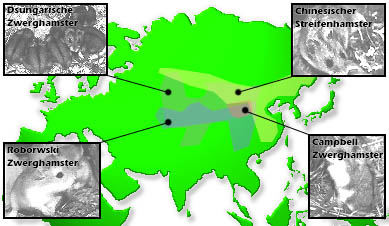
| Home: | see map |
| Age expectation: | approx. 2 years |
| Sexual maturity: | approx. 6-8 weeks |
| Gestation period: | 16-18 days |
| social behaviour: |
Solitary, possibly also in pairs crepuscular and nocturnal |
| Nutrition: | Grain, seeds, nuts, kernels, hay, herbs, vegetables and fruit, quark, hard-boiled egg, insects, water |
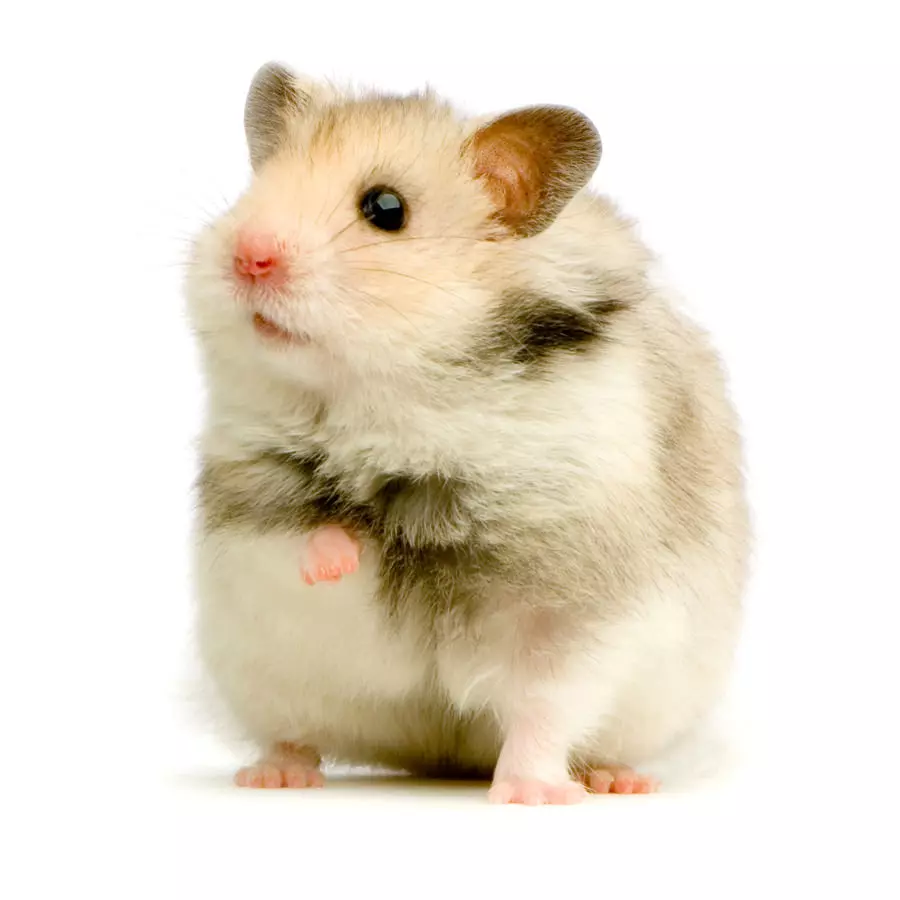
Dwarf hamster / Mongolian dwarf hamster
The little dwarf hamster is native to Mongolia and to the neighbouring regions of China and Siberia. Like all dwarf hamsters, it inhabits dry steppes in its homeland, where only sparse amounts of water are present.
Description:
The dwarf hamster reaches a total length of 6-10 cm. All species have large black beady eyes.
Keeping:
A dwarf hamster should be provided with a large cage. The cage should be set up so that the dwarf hamster can dig and also climb. The absolute minimum size for a hamster cage is approx. 100x40cm. However, the cage must definitely be equipped with shelves and climbing opportunities so that the dwarf hamster can fulfil its great urge to move. The rule is: the larger the cage is, the better. After all, we also prefer to live in a multi-room flat than in a studio!
The location of the cage should be in a place where the dwarf hamster can sleep undisturbed during the day – but where at night, with its liveliness, it won't disturb anyone.
The cage equipment includes:
- Bedding at least 15cm deep so the hamster can meet its digging needs
- Hay
- Play opportunities
- Various hiding places made of wood or cork
- Sand bath
- Hamster toilet
- Nesting material – hay or hamster wool. Under no circumstances should synthetic cotton wool be used
- Food bowl and drinking bottle
Legal requirements:
- Cage at least 60x30cm (not our recommendation!)
- Hiding places
- Digging layer 15cm
- Climbing opportunities
- Nesting material
- Gnawing objects such as softwood or fresh branches
- Single keeping (possibly group keeping)
Food:
To stay healthy, dwarf hamsters – like other living creatures – depend on a varied diet.
The ready-made food available in pet stores ensures a balanced basic diet. With supplementary food, you can bring variety to your dwarf hamster's menu.
Dwarf hamsters, unlike dwarf rabbits and guinea pigs, are not purely vegetarian. You should therefore offer them a piece of egg or a little curd from time to time. This covers their need for animal protein.
The dwarf hamster is especially happy about fresh food, such as fruit, carrots or dandelion. Make sure the fresh food is unsprayed. You should check the cage daily for spoiled fresh food, so the dwarf hamster does not eat mouldy food.
Although dwarf hamsters cover most of their fluid requirements with green food, they need fresh water daily in addition.
Breeding data:
At around two months of age, dwarf hamsters are capable of reproduction and can be used for breeding. A male and a female are put together, observed to see if they get along, and then left to their luck for a few days. Then the two are separated again.
The female is provided with enough nesting material, which is made into a nest. After a gestation period of just 16-18 days, the hamster mum gives birth to five to ten naked and blind young, each weighing all of two grams. If a female has given birth to young, it should not be disturbed during the first period, otherwise it may possibly kill its litter and eat them.
The young open their eyes at ten days. At three to four weeks, they are already independent enough to make it on their own.
Regular costs (per month):
- Food: approx. Fr. 8.--
- Bedding and hay: approx. Fr. 15.--
- Vet: The more species-appropriate and clean the keeping, the less often a visit to the vet is needed. Nevertheless, you must always expect that an animal can fall ill and then incur additional costs.
Considerations before getting one:
Due to its nocturnal activity, the dwarf hamster is not an animal for small children. Dwarf hamsters sleep during the day and only become lively in the evening, when small children have to go to bed. Repeated disturbances from sleep will result in illness and biting in dwarf hamsters over time.
Dwarf hamsters are therefore suitable at best for older schoolchildren, teenagers and working adults.
The life expectancy of the rodents is 2 years. During this time, you are responsible for this little fellow.
Before you decide on dwarf hamsters, you should definitely have read a relevant specialist book.
For all animal keeping the following applies: Children (including teenagers) must be guided, supervised and controlled by their parents. Children should know that animals are not toys!
If you have any questions or problems, our trained team at Zoo Roco is at your disposal. They can advise you professionally on all matters.
Login
Suggested products







Customers also saw


