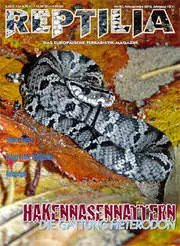
Reptilia 49 - Food animal breeding

Article no: reptilia49

CHF 11.20

Stock: 0

Ready for dispatch in 1-3 days, delivery time 7 working days

Delivery between Tuesday, 12 May and Wednesday, 13 May
Zahlungsarten
Product information "Reptilia 49 - Food animal breeding"

Reptilia 49 - Food animal breeding

Scorpion crust lizard
Spotted python
Chinese mountain dragon

Contents:

  • 2 EDITORIAL
    • 4 READER LETTERS
    • 5 MAGAZINE
    • 14 DATES
    • 18 WESTERN HERP PERSPECTIVES
      Hurricane Sale in Florida
      by B. Love
    • 20 PHOTO REPORTAGE
      Breeding food animals yourself - a problem?
      by F. Bruse & H. Werning
    • 27 REPORTAGE
      Efficient and productive cricket breeding by F. Bruse
    • 33 REPORTAGE
      Breeding the chocolate cockroach (Shellfordella tartara) by F. Bruse
    • 36 REPORTAGE
      A simple Drosophila breeding project by F. Bruse
    • 40 HERPETOFAUNA
      Notes on the Motagua lizard (Cnemidophorus motaguae) by U. Schlüter
    • 43 TRAVEL
      Herpetological observations and more from Gambia by U. Thieme
    • 51 PORTRAIT AND POSTER
      Geoclemys hamiltoni
      by H. - D. Philippen
    • 56 KEEPING AND BREEDING
      Keeping and Breeding the Chinese Mountain Agame (Japalura splendida)
      by H. Schradin
    • 68 HERPETOFAUNA
      Dendrobates pumilio
      The strawberry frog on the Bocas Islands
      by B. Schwarz
    • 72 KEEPING AND BREEDING
      The black Mexican chain snake (Lampropeltis getula nigrita in the terrarium
      by M. Thums
    • 79 REPORTAGE
      Antaresia maculosa (PETERS, 1873)
      Spotted python
      by D. Hasselberg
    • 85 CLASSIFIED ADS
    • 90 RAT & TAT
    • 93 LIBRARY
  • 104 GLOSSES
    In search of Uracentron azureum
    Part 1
    by H. Werning
Composition
Feeding recommendation
Technical details
Size information

0 of 0 reviews

Give us a rating!

Share your experience with the product with other customers.


Customers also bought

Reptilia 06 - Mimicry - The perfect deception
Reptilia 06 - Mimicry - The perfect illusion MaltaBuilding polystyrene terrariumsNutrition of tortoises Contents: Page 2 - EditorialPage 3 - Letters to the editorPage 5 - MagazinePage 11 - DatesPage 14 - Western Herp Perspectives: The Queen of Snakes, by B. LovePage 16 - Photo reportage: Mimicry, by L. AissefairePage 24 - Report: Mimicry - Saving energy through camouflage, by Dr M. GaulkePage 32 - Keeping and breeding: Like a leaf in the wind. The walking leaf Phyllum celebicum in the terrarium, by H. FischerPage 38 - Travelogue: Temples, disc-tongued frogs and reptiles – impressions of a trip to Malta, by U. SchlüterPage 43 - Photographic profile: Reptiles and amphibians in the Du Tsingy de Bamaraha nature reserve (West Madagascar), by G. Hallmann, E. Hoffmann, J. Krüger, P. Schlagböhmer and G. TrautmannPage 47 - Portrait and poster: Gastrotheca riobambae, by H. WerningPage 51 - Report: Nutrition of European tortoises, Part 2, by Dr C. DennertPage 59 - Keeping and breeding: A mini-crocodile for the paludarium – The keeled skink Tropidophorus grayi, by U. DostPage 64 - Terrarium practice: Styrofoam terrariums, by D. HasselbergPage 69 - Herpetofauna: The Bismarck Dwarf Python Liasis boa – keeping and breeding a colourful giant snake, by V. FranzPage 72 - Herpetology and culture: Snakes go to school – Part 2, by M. HallmenPage 81 - Reptilia on the road: Zoo Berlin-Friedrichsfelde, by H. WerningPage 84 - Advice and HelpPage 90 - LibraryPage 96 - Satire: Something different, by A. Scheffler

CHF 9.80

Reptilia 81 - Hognose snakes
Reptilia 81 - Hook-nosed snakes Samar cobraPantanal flatback turtleGalápagos Contents: The hook-nosed snakes of the genus Heterodon are currently experiencing an unimagined terraristic boom. Previously rather underappreciated, various very attractive colour forms have recently been bred, and this has led to a real boom. But even the normally coloured animals – and the natural spectrum of the eastern hook-nosed snake in particular covers an extremely wide range of colours – are extremely lovable terrarium pets.We present all species in detail, offer detailed breeding reports even on rarer forms, and a splendidly illustrated overview of current developments in colour variety breeding is of course also included. EDITORIAL MAGAZINE DATES PHOTOSTORY Hooked on Hogs! Hooked on hook-nosed snakes by K. Kunz KEEPING AND REPRODUCTION The Western hook-nosed snake of North America "trend snake" by B. Bumgardner HERPETOFAUNA Unleashed East! – The Eastern hook-nosed snake, Heterodon platirhinos by L. Spinner KEEPING AND REPRODUCTION Small but mighty! The Southern hook-nosed snake by K. Kunz & N. Nickel HERPETOFAUNA The Pantanal flatback turtle, Acanthochelys macrocephala – A turtle that still raises many questions by T. & S. Vinke PORTRAIT AND POSTER Gekko gecko (Linnaeus, 1758). Tokay gecko von M. Gaulke TRAVEL In the footsteps of Darwin through South America Part 4: Galápagos – The Darwin Archipelago by H. Werning KEEPING AND REPRODUCTION Keeping and breeding Samar cobra (Naja samarensis) by C. Frömberg KEEPING AND REPRODUCTION Sicarius terrosus in the terrarium by R. Hübers ANIMALS OF OUR HOME The forest lizard by R. Leptien WESTERN HERP PERSPECTIVES The big frost by B. Love LIBRARYBook review: Fläschendräger & Wijffel (2009): Anolisby U. Bartelt SUBSCRIPTION & SERVICE ALSO NEAR YOU PREVIEW BRUTKASTEN Alone among sheep. Part 1 by H. Werning

CHF 12.00

Reptilia 72 - Grasshoppers, crickets, house crickets
Reptilia 72 - Grasshoppers, Crickets, House Crickets Jamaican AnoleIndochinese Hinged TurtleSunglow Boas Contents: 2    EDITORIAL 4    REPORTAGE      Potential Dangers of Giant Snakes      by B. Akeret 13  MAGAZINE 21  DATES 24  PHOTOSTORY      Crickets and Grasshoppers      by F. Tomasinelli 32  REPORTAGE      Grasshoppers:      Defence and Survival      by F. Tomasinelli 36  KEEPING AND BREEDING      The Egyptian Migratory Locust     Anacridium aegyptium     by A. Mangoni 40  REPORTAGE      Lord of the Bugs      Visiting Europe’s Largest       Breeding Facility for Feeder Insects      by H. Werning 54  HERPETOFAUNA      The European Tree Frog (Hyla arborea)      “Frog of the Year” in the “Year of the       Frog 2008”      by A. Kwet, A. Nöllert & A. Geiger 64  KEEPING AND BREEDING      Successful Keeping and Offspring of      Cistoclemmys (galbinifrons) bouretti,      the Indochinese Hinged Turtle      by W. & K. Heuberger 73  TRAVEL/KEEPING AND BREEDING      Jamaica, its Iguanas and the      Giant Anole Anolis garmani      by T. Baum 81  KEEPING AND BREEDING      And the Sun Rises … the Sunglow Boa      by R. Ihle & J. Bergman 86  WESTERN HERP PERSPECTIVES      A Turtle Story      by B. Love 91  LIBRARY 104 BRUTKASTEN      Thoughts on the Day of Milk Suffering      by H. Werning

CHF 12.00

Reptilia 98 - Sick due to reptiles? About the [alleged] danger of salmonella
Reptilia 98 - Sick due to reptiles? About the [alleged] danger of salmonella Drosophila food animal breedingUnderwoodisaurus miliiToad-headed tortoises Contents: EDITORIALMAGAZINEDATES AROUND THE WORLD IN 5 YEARSTree creepers instead of flowersA. Pachmann WESTERN HERP PERSPECTIVES   American herp problemsB. Love REPORTAGEAttack with bioweapons: Salmonella tactics against the terrarium hobbyH. Werning ReportageSalmonella in amphibians and reptiles. The importance of terrarium animals as sources of infection for humansF. Mutschmann HerpetofaunaPhrynops. The genus of toad-headed tortoisesH. - D. Philippen ReportageIn the land of the golden ants. Splendour to the end of the worldM. Freuding Keeping and breedingThe Australian fat-tailed gecko, Underwoodisaurus miliiS. Arth & S. Baus Terrarium practiceCursed in the kitchen, loved in the terrarium: fruit fliesU. Dost Terrarium displaysLa Ferme aux Crocodiles in Pierrelatte/Southern FranceM. Dieckmann LibraryTest runTips & tricksSUBSCRIPTION & SERVICEALSO NEAR YOU TRAVELDzanga-Sangha. In search of frogs between elephants and gorillasJ. M. Dehling & D. M. Dehling PREVIEWBRUTKASTENSpecies protection reportH. Werning

CHF 12.00

Reptilia 115 - Adders for the terrarium
Reptilia 115 - Adders for the Terrarium Flamingo flowersBlue rock iguanaNew Zealand mantis Contents:Cover story: Adders for the TerrariumAdders are among the classic and most popular terrarium animals. This extremely species-rich group of snakes has produced some of the most popular reptile pets. We provide an overview of the terrarium-relevant species and focus in particular on those adders suitable for beginners, among which there are many truly perfect pets. But we also have a real beauty for advanced keepers and report on the keeping and breeding of red bamboo adders. EditorialMAGAZINEDATES WESTERN HERP PERSPECTIVESThe dark sideB. Love FotostoryEvergreens in the terrarium: AddersK. Kunz PracticeAdders. Species and tips for beginnersD. Schmidt Husbandry and breedingThai bamboo adders (Oreocryptophis porphyraceus coxi) in the terrariumM. Hornig Husbandry and breedingThe New Zealand mantis, Orthodera novaezealandiae. A praying mantis from the other side of the worldB. Fuhrmann & C. Sehorz Husbandry and breedingThe keeping and breeding of the Blue rock iguana (Petrosaurus thalassinus) in the terrariumJ. Schulz PlantsArum family in the terrarium. Part 3: The genus AnthuriumB. Akeret Husbandry and breedingFirst ever natural rearing of the critically endangered Philippine crocodiles (Crocodylus mindorensis) in Europe successfulT. Ziegler, A. Rauhaus & C. Niggemann, AG Zoological Garden Cologne Animals of our homelandThe fire salamanderR. Leptien ALSO IN YOUR AREA Service TravelOn an excursion through the Colombian Amazon rainforestJ. Cañas-Orozco PREVIEW INCUBATOR Attention – more cat contentH. Werning

CHF 12.00

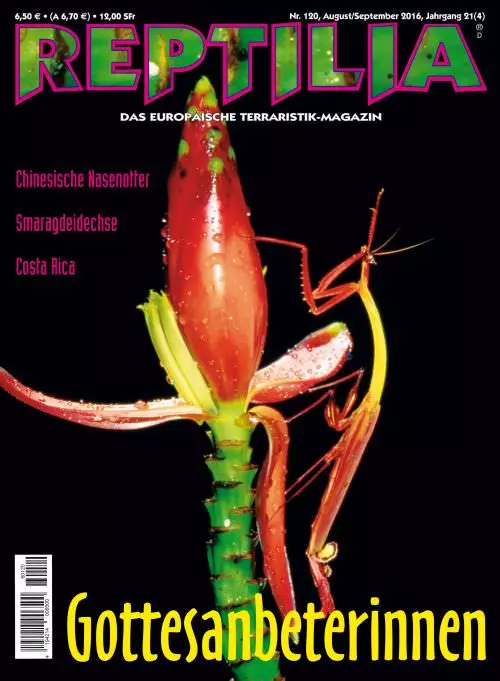
Reptilia 120 - Praying Mantises
Reptilia 120 - Praying Mantises Chinese viperEmerald lizardCosta Rica Contents: Cover story: Praying MantisesNobody can escape the fascination of praying mantises. These predatory insects with their alien appearance and martial mating habits have long secured a permanent place in terrariums. We offer an overview of mantids in breeding, the classics, and the latest trends. We also feature an unusual species from the Philippines and look to eastern Germany, where Mantis religiosa has spread. EditorialMAGAZINEDATES Photo storyThe fascination of praying mantisesK. Kunz Keeping and breedingPraying mantises. The basics of keeping in terrariumsC. J. Schwarz REPORTAGEPraying mantises on the advance in eastern GermanyN. von Lettow-Vorbeck BiologyPraying mantis, change your tune. On the challenge of identifying praying mantises using the Philippine species Creobroter meleagris as an exampleC. J. Schwarz ReportageThe Chinese viper (Deinagkistrodon acutus): a herpetological and cultural phenomenonDr. T. Eimermacher Keeping and breedingThe banded fire salamander (Salamandra salamandra terrestris).  Distribution, habits and breedingM. Rogner RreportageA display terrarium for fire salamandersR. Hoppe Animals of our homelandThe emerald lizardR. Leptien SERVICE WESTERN HERP PERSPECTIVESBut it’s a dry heatB. Love ALSO NEAR YOU TravelCosta Rica – Paradisiacal biodiversity between the Atlantic and the PacificN. Weinbeer PREVIEW INCUBATOR The breakH. Werning

CHF 12.00

Suggested products

Handbook of food plants for tortoises and other reptiles
Handbook of forage plants 2nd revised editionMarion Minch is not only a successful breeder of diverse tortoises for many years, but also an excellent connoisseur of native wild herbs. She founded and runs samenkiste.de, which is well known to many tortoise keepers and nature lovers. Her name is inextricably linked with reptile care and species-appropriate nutrition for tortoises. Her handbook of food plants summarises the most important native food plants for herbivorous and omnivorous reptiles. She not only considers tortoises, but also iguanas, spiny-tailed dragons and even chameleons. From the basics of plant biology to native wild herbs to suitable food plants for hardy tropical reptile species, this comprehensive work provides the basis for species-appropriate keeping. In the expanded and supplemented 2nd edition, the plant section is divided according to flower colour. This makes it even easier to identify wild herbs. The work has also been supplemented with a wealth of additional information and many pictures.

CHF 46.50

Geckos
Geckos in the terrarium by Astrid FalkThe book offers a comprehensive introduction to geckos and their species-appropriate keeping in terrariums. It explains what you need to think about before buying a gecko and what preparations should be made. The book describes in detail how the terrarium is technically equipped and set up. The care of the animals, their special features and behaviour, their diet, reproduction and rearing of young animals are described, as well as diseases and husbandry problems with tried and tested suggestions for prevention and treatment. Individual gecko species that are particularly suitable for keeping and breeding in terrariums are portrayed in detail in the second part of the book.

CHF 28.50

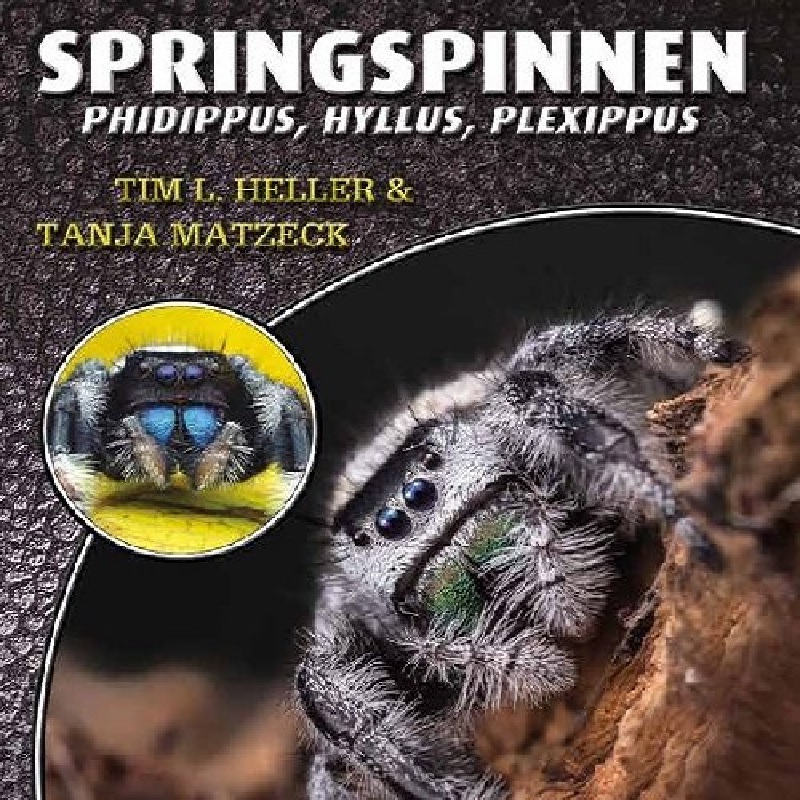
Jumping spiders Phidippus, Hyllus, Plexippus
Book Jumping Spiders - Phidippus, Hyllus & Plexippus A guide to keeping jumping spiders of the genera Phidippus, Hyllus & Plexippus. Who can resist the charm of jumping spiders? The childlike appearance of their expressive face simply leaves no one cold! In addition, their behavior is extremely exciting to observe, their colors are bright and their requirements for species-appropriate keeping are very easy to meet. No wonder these likeable jumpers are all the rage! This volume in the "Species by Species" series describes in detail what to look out for when buying and keeping them, introduces the most commonly kept species and color forms and provides plenty of tips on how to keep them successfully - so you can be sure they will breed well! Species by Species introduces you to the books in this series, which present the most popular terrarium animals. Each volume offers you detailed, practical care instructions and all the information you need to successfully breed your animals. All important questions from the required tank size to terrarium set-up, technical equipment, species-appropriate nutrition and disease prevention are answered with numerous tricks and tips. Experienced, long-standing breeders reveal how you can encourage the animals to reproduce and raise healthy young. All this in full color, generously illustrated and attractively designed - just about your terrarium animal - species by species

CHF 23.90

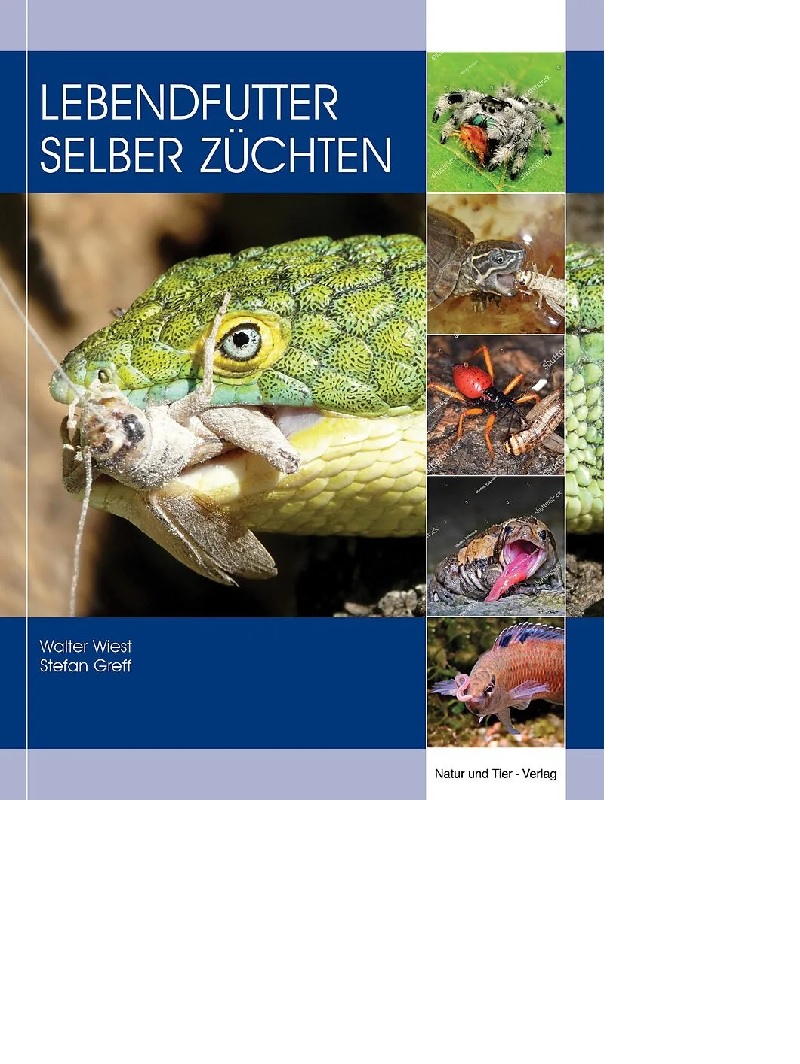
Book Breeding live food yourself
Book "Grow your own live food" - The perfect guide for pet owners Discover practical and detailed instructions on how you can easily breed food for your reptiles, birds, fish or other animals yourself in the book "Breeding live food yourself". With valuable tips on various food insects, their care and breeding, you can save money and ensure a species-appropriate diet for your pets. Contents of the book: Step-by-step instructions for breeding feeder insects Information on the best types of food for reptiles, birds and fish Care instructions and breeding conditions for various live food species Tips for sustainable and cost-effective food production Why breed your own live food? Get healthy, fresh food for your animals Save money and reduce dependence on pet shops Promote the health and well-being of your animals with species-appropriate food Whether you are a beginner or an experienced pet owner, this book provides you with everything you need to successfully breed live food yourself.

CHF 46.50

Marginata 69 - New Guinea tortoises
Marginata 69 - New Guinea tortoises – the genus ElseyaCover storyThe unrecognised beauties: New Guinea tortoises (Andreas S. Hennig)My experiences with Branderhorst's New Guinea tortoise, Elseya (Elseya) branderhorsti (Ouwens, 1914) (Andreas S. Hennig)Keeping and breeding of Rhodin's New Guinea tortoise, Elseya (Hanwarachelys) rhodini Thomson, Amepou, Anamiato & Georges, 2015 (Andreas S. Hennig)PortraitGeoemyda spengleri, Chinese serrated tortoise (Andreas S. Hennig)ReportageMacrochelys temminckii – Experiences and impressions with vulture tortoises part 2 (Reiner Praschag)KeepingAn alternative to year-round keeping of the Egyptian tortoise in the terrarium – my experiences with seasonal outdoor keeping of Testudo kleinmanni (Ricarda Schramm)EtymologySawbacks and living maps part 4: Graptemys gibbonsi, Pascagoula humpback tortoise (Holger Vetter)Classifieds & animal placement

CHF 16.50

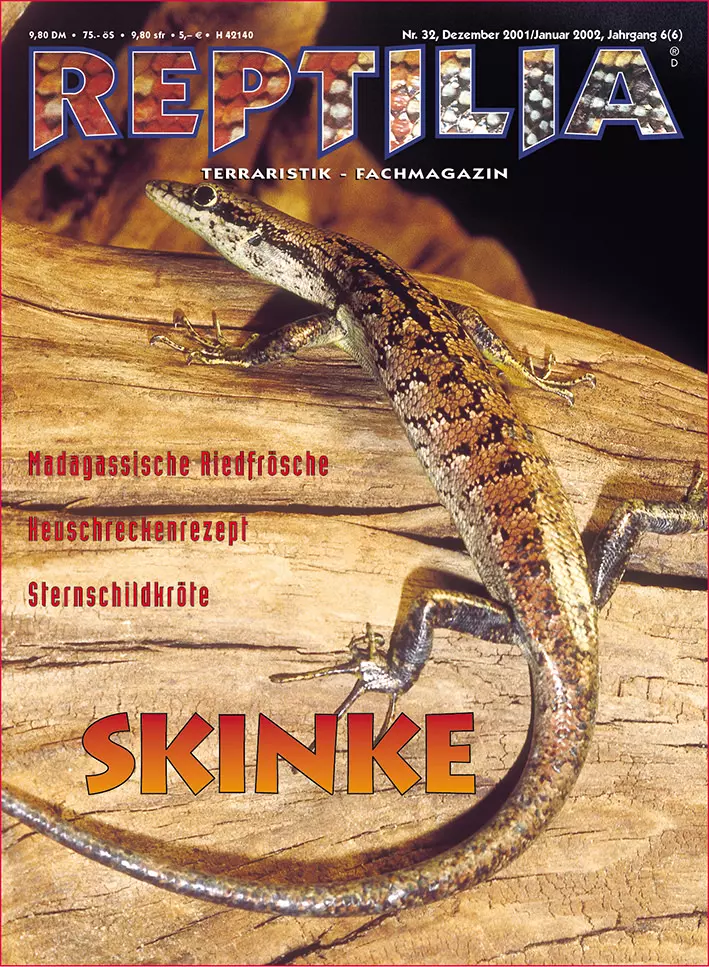
Reptilia 32 - Skinke
Reptilia 32 Skinks Madagascan reed frogsGrasshopper recipeStar tortoise Contents: 2 Editorial 3 Magazine 11 Dates 14 Western Herp PerspectivesThe value of the nature experiencefrom B. Love 16 Photo reportageSkinkby A. Hauschild 22 HerpetofaunaObservations on Eumeces (=Novoeumeces) schneideri aldrovandiifrom S. Wegner 28 Keeping and breedingOn the care and breeding of Algerian skinks (Eumeces [=Novoeumeces] algeriensis) Peters, 1864by R. Struijk 35 Keeping and breedingAustralian snail skink Cyclodomorphus gerradii Grav, 1845 – Care and breeding 41 ReportageDelicious, these grasshoppersby I. & B. Fritzsche 44 JourneyA journey to the United Arab Emirates - From the mangroves to the scree desertby R. Leptien 51 Portrait and posterElaphe quatorlineatafrom B. Trapp 56 Keeping and breedingThe Indian star tortoise Geochelone elegans (Schoepf, 1795) – a problematic tropical tortoise? Part 1: Appearance, distribution and local breeds, acclimatisation, introduction to the breeding groupby J. Bidmon 66 ReportageJapan in the year of the snakeby A. Kast & M. Mori 71 Herpetofauna The Madagascan marsh frogs of the genus Heterixalusby K. Schmidt, F. Glaw & M. Vences 80 Reptilia on the roadThe snake park "World of Snakes" in Grecia, Costa Ricaby R. Fenske 87 Classifieds 91 Advice and action 94 Library 104 GlossOur author Dr Spechtby H. Werning

CHF 9.80

Reptilia 09 - Ornate tortoises
Reptilia 09 - Ornate tortoisesThe snake in the bibleGhost frogsCultural successorContents:Page 2 - EditorialPage 3 - Letters to the editorPage 5 - MagazinePage 16 - Western Herp Perspectives: The origin of our interest, by B. LovePage 18 - Photo reportage: Ornamental and decorative tortoises, by M. RognerPage 24 - Report: What to do with large tortoises, by E. MeierPage 28 - Keeping and breeding: Ornamental tortoises of the genus Chrysemys, by Dr U. ThiemePage 33 - Report: Reptiles and amphibians as cultural successors, by Dr M. GaulkePage 39 - Portrait and poster: Boa constrictor, by W. WenglerPage 43 - Keeping and breeding: Keeping and breeding ghost frogs, by C. ProyPage 48 - Keeping and breeding: Paleosuchus trigonatus, by K. HirschfeldPage 51 - Keeping and breeding: Peculiar care animals: Pug-headed iguanas, by U. SchlüterPage 55 - Herpetofauna: Salamanders of the family Plethodontidae in Costa Rica, by J. EhmckePage 59 - Herpetofauna and culture: The snake in the Bible, by Dr C. ThiedePage 68 – Reptilia on the road: La ferme aux crocodiles, by T. Wiegmann and V. SteffenPage 71 - LibraryPage 74 - Advice and actionPage 80 - Incubator: A chat from the sewing box, by Prof. Dr W. Böhme

CHF 9.80

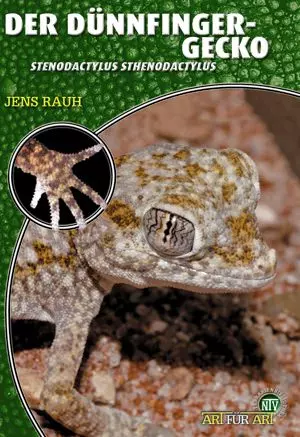
The thin-fingered gecko
All about the thin-fingered geckos by Jens Rauh 64 pages Format: 14.8 x 21 cm numerous colour photos Paperback Author Jens Rauh Contents: Foreword Species description Relationship Legal regulations Distribution and habitat Behaviour/Lifestyle Where do I buy my thin-fingered gecko? Transport and quarantine Socialisation The terrarium    The technique The facility Climate Care work Nutrition Health Requirements for breeding Mating behaviour Pregnancy and egg-laying Incubation Egg development and hatching Rearing the young Further information Further and used literature

CHF 21.90

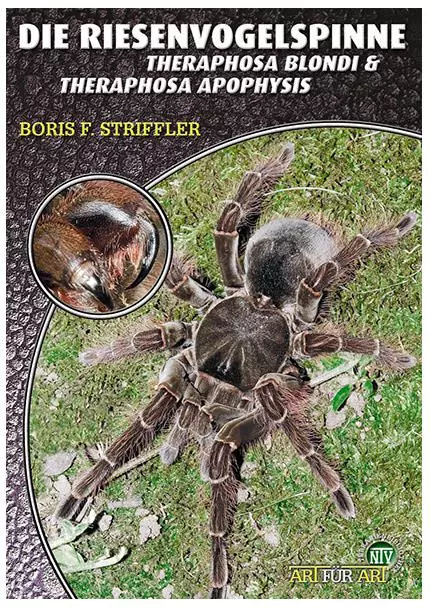
Giant tarant spiders
The book about the giant tarantulas Theraphosa blondi and Theraphosa apophysis 64 pages many colour photos Theraphosa blondi and Theraphosa apophysis Author Boris F. Striffler Publisher NTV In this book, the author explains everything about the two giant tarantulas. It describes how to keep and care for these large eight-legged creatures, as well as the terrarium and how to handle these animals. The following is described: Systematics and body structure The fascinating biology: From the life of giant tarantulas All information on species-appropriate keeping: from suitable terrariums to equipment and technology to feeding Successful breeding: Mating stimulation, various methods for egg laying and rearing the young Solutions to problems: How to avoid the most common mistakes in care and how to help sick animals

CHF 21.90

Bugs No. 07 - Colorful bird spiders
Bugs No. 07 - Colourful tarantulas Journey: Thailand and BorneoCockroaches: Deropeltis paulinoiRearing substrate: Flake SoilContents:Tarantulas are gloomy grey-brown? Not at all! Many species display fantastic, bright colours! We introduce you to the most beautiful representatives and show you how to keep and breed them using two species as examples.The colourful theme continues: Necroscia annulipes, one of the most colourful stick insects currently to be found in our terrariums, is presented. You can find out everything you need to know to keep them successfully in this issue of Bugs.Our travel report takes you to the forests of Thailand, where, for example, a lot of brightly coloured praying mantises live.For cockroach lovers we have an article about Deropeltis paulinoi – the authors report in detail about the breeding of this impressive species.In addition, of course, a number of other exciting topics are addressed, so that there will be something for fans of various invertebrate groups. Plus practical tips and news from the world of science and much more ...Table of contents EditorialFacetsDatesFlown in Cover storyColourful splendour on eight legs Blue is beautiful! FledgedA journey to the praying mantises and grasshoppers of Thailand and Borneo Keeping & BreedingAbout the breeding of the privet hawk moth PracticeFlake Soil – Quality offensive in beetle breeding Keeping & BreedingTurquoise blue stick insect CultureCockroaches in the mouth Keeping & BreedingVelvet cockroaches – Noble terrarium inhabitants Kids CornerA chirping and chirping Book scorpionAlso in your neighbourhoodService & ImprintPreview

CHF 12.00

NTV, Life with bearded dragons
NTV Life with Bearded Dragons ISBN: 978-3-931587-72-7 Liz Palika 208 pages 72 illustrations Format: 16.8 x 21.8 cm Contents: You simply have to like bearded dragons. Their somewhat bizarre appearance, their endearing nature and their uncomplicated care put these mini dragons right at the top of the popularity scale. Liz Palika not only vividly describes their successful care and breeding, but also shows these attractive animals from a completely new, surprising and very personal perspective.  What you need to consider when choosing and purchasing a bearded dragon What kind of animal is a bearded dragon, how does it "work"? Keeping bearded dragons appropriately as pets: The right terrarium, furnishings and technology Body language and behaviour Successful breeding: Requirements, sex diagnosis, incubation of the eggs and rearing of the young Training bearded dragons Problem solutions: Prophylaxis and therapy of illnesses Lots of very personal tips & tricks from the author's wealth of experience

CHF 28.90

Reptilia 64 - Web spiders
Reptilia 64 - Web spidersColour variations of the web pythonAmerican tree frogChamaeleo montiumContents: 2 EDITORIAL 3 MAGAZINE 12 DATES 16 WESTERN HERP PERSPECTIVESThe thing with the rubbishFrom B. Love 18 PHOTO REPORTAGEWeb spiders and their amazing survival strategiesBy F. Tomasinelli 26 REPORTAGEThe thousand uses of spider silk - from catching prey to brood careBy F. Tomasinelli 31 KEEPING AND REPRODUCTIONBiology and breeding of hunting spiders of the genus CupienniusBy F. Tomasinelli 35 ARACHNOFAUNAThe European Tarantulas - Introduction to the genus Lycosa in Western EuropeBy E. Biggi & F. Tomasinelli 40 TRAVELWestern emerald lizards(Lacerta bilineata) on the Atlantic coast in BrittanyBy W. & Y. Lantermann 44 TRAVELWith harpoon and machete - the hunt for moor caimans in the AmazonasBy P. Ulmer 51 PORTRAIT AND POSTERMacropisthodon flavicepsBy A. Gumprecht & D. Trautmann 56 KEEPING AND REPRODUCTIONThe breeding of the American tree frog, Hyla cinerea (SCHNEIDER 1799), in the aquarium of Cologne ZooBy K. van der Straeten, D. Karbe, S. Olbort & T. Ziegler 64 KEEPING AND REPRODUCTIONKeeping offspring of the mountain chameleon, Chamaeleo (Trioceros) montiumBy T. Paechl 70 REPORTAGEUnknown diversity: colour and pattern variations of the reticulated python(Python reticulatus)By K. Wöllner 75 HERPETOFAUNAHydromedusa maximiliani - The Brazilian snake-necked tortoiseBy F. L. Souza 80 HUSBANDRY AND REPRODUCTIONCare and breeding of the Peruvian leaf-fingered gecko Phyllodactylus reissi (PETERS 1862)By U. Schlüter 87 FAQ - FREQUENTLY ASKED QUESTIONSAnacondasBy L. Dirksen 94 LIBRARY 104 BRUTKASTENHigh mountain hallucinations, part 2By H. Werning

CHF 11.20