Tillandsias for desert terrariums

Article no: FT-01992

CHF 3.90

Stock: 1

Available, delivery time: 1-3 days

Delivery between Tuesday, 5 May and Wednesday, 6 May
Zahlungsarten
Product information "Tillandsias for desert terrariums"

Tillandsias - decoration for steppe & semi-desert terrariums

Tillandsias belong to the bromeliad family and originate from subtropical Central and South America. Like many bromeliads, they live epiphytically on trees and rocks. Their roots serve almost exclusively as an adhesive organ.

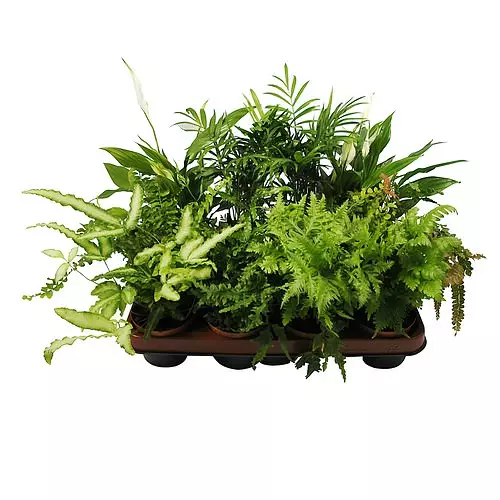
The plants are delivered assorted by us according to stock - this means you will not receive the whole assortment shown, but as many "pieces" as you order

Tillandsias absorb the necessary nutrients and water through their leaves. Their distribution extends across many regions in different climate zones, e.g. tillandsias thrive in ever-humid rainforests, cooler mountain forests, and some species even in semi-deserts.

Tillandsias are relatively undemanding plants, which makes them easy to care for. Tillandsias require a bright location, but one that is protected from direct sunlight, especially in summer. Tillandsias thrive very well at room temperature.

In winter, tillandsias should not be exposed to temperatures below 15°C.
Tillandsias are best sprayed with soft water 2 to 3 times a week. A special tillandsia fertiliser is available for fertilising, which contains all the important nutrients for your tillandsias to thrive.
Tillandsias are, with optimal care, relatively little susceptible to diseases and pests.
Looked after in this way, you will enjoy your plants for a long time.

Tillandsias delight with unusual flowers and forms of leaves.
In most cases, you can also tell from the colour of the leaves what the plant needs.

As a rule of thumb:
Grey leaves - more light, less water.
Green leaves - lots of water, more warmth, less light.

Tillandsias are ideally suited for steppe and semi-desert terrariums. Even bearded dragons do not eat the plants.
We offer you only tillandsias from cultivation, so not from the wild.

Composition
Feeding recommendation
Technical details
Size information

13 of 13 reviews

4.38 out of 5 stars


62%

23%

15%

0%

0%


Give us a rating!

Share your experience with the product with other customers.


15 February 2026 11:33

Really great quality, nice selection

Really great quality, nice selection. Fast and secure dispatch. Great.

13 October 2021 10:48

Top

Super nice plants and fast delivery, gladly again!

30 April 2021 05:07

Very nice plants

Very nice plants at a favourable price and delivered quickly.

19 April 2021 13:04

Beautiful plants

Very nice plants I have ordered 9. 5 different varieties. 1 of them was only a stem with 4 leaves. Otherwise very good and fast delivery. Always happy to order again

8 March 2021 10:23

I ordered 2 pieces, what a pity

I ordered 2 pieces, too bad I got 2 almost identical :(

22 February 2021 10:21

Beautiful plants

super vigorous plant

28 December 2020 19:55

Super service.

Everything went really well. The quality was excellent, all the plants survived.

17 December 2020 06:51

Super quality

With the exception of one plant, I received super beautiful and good quality plants. Even the one that was slightly scrawny at the beginning has recovered well.

15 October 2020 19:34

two of the 9 plants were brownish at reception

two of the 9 plants were already brownish in the root area when I received them-hopefully they will recover.

18 September 2020 11:22

OK

OK

Customers also bought
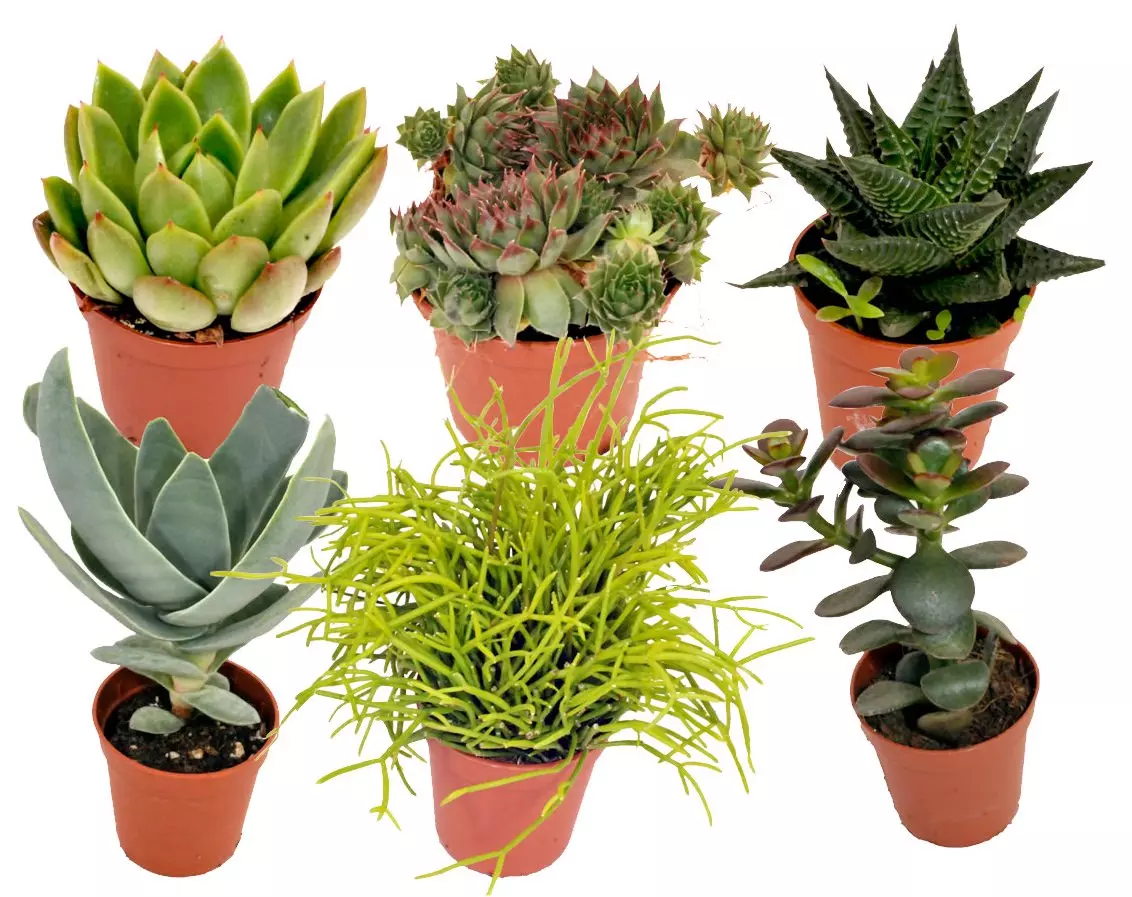
Succulent small - Dry terrarium
Succulent small for dry terrarium small and robusts ideal for desert terrariums To the natural design assorted and mixted The plants are delivered by us sorted according to the stock. You will not receive the whole assortment shown, but as many pots as you order.

CHF 4.90

Mealworms (Tenebrio molitor)
Contents Food animals: approx. 50g tin
Mealworms - Tenebrio molitor The mealworm (Tenebrio molitor) is one of the oldest commercially bred feeder animals. They are relatively easy to breed. For birds in small quantities also for reptiles The mealworm is actually the beetle larva of the meal beetle. It hatches from an egg and grows to a size of approx. 25 mm after moulting several times. Eventually the beetle larva pupates, from which a beetle emerges again. Mealworms are among the oldest commercially bred feeder animals. They are relatively easy to breed and are produced in large quantities. Mealworms are actually pests which are mainly known from grain mills, as the larvae prefer to feed on flour or its waste products. As it is not possible to use insecticides in mills, an infestation is difficult to control. Mealworms are a classic food for soft-feeding birds. Hundreds of tons of these beetle larvae are produced throughout Europe every year for this purpose. A bird's stomach is well adapted to this type of food. A mealworm consists largely of a hard, chitinous shell and, due to its fairly simple diet, contains few nutrients. The stomach of a reptile, on the other hand, is not well adapted to these conditions. If too many or only mealworms are fed to reptiles, deficiency symptoms or obesity can occur. You can also see from the animals' faeces that mealworms are only poorly digested. Feeding mealworms with vegetables or fruit before feeding only has the effect of a certain vitaminization, which could also be achieved by dusting the beetle larvae with a vitamin preparation. The high fat content of mealworms is another reason why the larvae should only be given to reptiles as supplementary food. For many bird lovers, however, they represent the staple food of their favourites and this is mainly what they are bred for. At temperatures below 10 degrees C. the animals become motionless but are not dead. This can be utilised for storage. At temperatures of 6-8 degrees C. the animals can be stored for several weeks without food.Order by Sunday evening - delivery on ThursdayOrders received by Sunday evening will be sent by A-Post on Wednesday or Thursday.Please provide a recipient address where the parcel can be delivered.We accept no responsibility for parcels that are delivered late or collected late. The live feeder animals in the shop are only available at this price on Wednesdays - prices per tin are otherwise Fr. 1.00 per tin higher, as we also feed and care for the feeder animals.  Even with the greatest care, it can happen that feeder animals die due to temperature fluctuations or unpredictable events. We accept no liability for this.

CHF 3.90

Ferns - wet terrarium
Ferns for wet terrarium assorted and mixted for wet terrairums A great variety for all wetterrarien! The plants are delivered by us sorted according to the stock. You will not receive the whole assortment shown, but as many pots as you order.

CHF 6.50

Amazonas Repti Fantasy Plant 007
Size (1): 40cm | Size (6): 40cm
Amazonas Repti Fantasy Plant 007 Artificial plants Realistic replica Natural hiding places Including suction cup for attachment 60cm

CHF 9.90

Nekton MSA Mineral Supplement Preparation
Variant: 40g | Variant (1): 40g
Nekton MSA Highly effective mineral supplement for birds, reptiles and amphibians Nekton MSA supports metabolism and provides the bones with essential nutrients. Vitamin D3, macro- and trace elements, as well as amino acids, are present in a high-quality mineral mixture that effectively prevents deficiency symptoms, especially during breeding and rearing. Nekton MSA has positive effects on eggshell fragility, immune defence and bone development in young animals are the key factors for success. Nekton MSA is not water-soluble therefore it is recommended to mix Nekton into soft food or bird grit. Strengthens the skeletal system Prevents rickets Ideal for breeding and rearing Prevents eggshell fragility Composition: Dicalcium phosphate, silicic acid Nutritional additives per kg: 10,000 IU vitamin D3, 3,000 mg iron (iron(II) sulphate), 1,255 mg zinc (zinc sulphate), 1,255 mg manganese (manganese(II) sulphate), 250 mgcopper (copper(II) sulphate), 100 mg iodine (calcium iodate). Feeding guide:For reptiles: 0.25g Nekton MSA per kg body weight daily or 1.5g once a week. Suitable for dusting the food of live feed animals.For birds: 1g Nekton MSA per kg body weight daily.

CHF 5.50

Desert locust (Schistozerca gregaria) medium
Contents Food animals: approx. 13stk / Dose
Desert locust (Schistozerca gregaria)The desert locust (Schistozerca gregaria) is one of the largest commercially bred food animals. Females reach a total length with wings of over 75 mm in some cases. popular food animal for reptiles and amphibians larger than the migratory locust medium The desert locust is one of the largest commercially bred food animals. Females reach a total length with wings of over 75 mm in some cases. Males usually remain somewhat smaller. This means that desert locusts are up to 30% larger than, for example, the migratory locust (Locusta migratoria). The animals are pink-grey in colour after moulting. Over the next 6-10 days, the colouring changes to a strong yellow, especially in the males. However, the animals have the most beautiful colouring and patterning during the juvenile and subadult stage. Here, the animals are also coloured lemon yellow with a black pattern. It is precisely this colouring that arouses the prey drive in many reptile species, which makes the desert locust particularly popular with many terrarium keepers.Unfortunately, the desert locust is not as productive as the migratory locust and rearing the animals takes up to 2/3 longer. On the other hand, it can be bred almost all year round, as it is not too demanding on special types of food.The desert locust is an excellent food insect because it can usually survive shipping without damage, even in extreme heat and cold, and can survive for up to 2 weeks after shipping without the addition of food.Desert locusts are generally accepted by all lizards. Experience has shown that they are particularly favoured by large lizards such as bearded dragons, water dragons, basilisks, varans, ruffed lizards etc.. They are particularly popular with many species of chameleon, as they are particularly attracted to the yellow colouring of juvenile and sub-adult animals.Order by Sunday evening - delivery on ThursdayOrders received by Sunday evening will be dispatched by A Mail on Wednesday or Thursday.Please enter a recipient address to which the parcel can be delivered.We accept no responsibility for parcels that are delivered late or collected late.The live crickets in the shop are only available at this price on Wednesdays - the prices per tin are otherwise Fr. 1.00 per tin higher, as we also feed and care for the crickets. Even with the greatest care, it can happen that feed animals die due to temperature fluctuations or unpredictable events. We accept no liability for this. 

CHF 4.50

Suggested products

New
Palm fronds
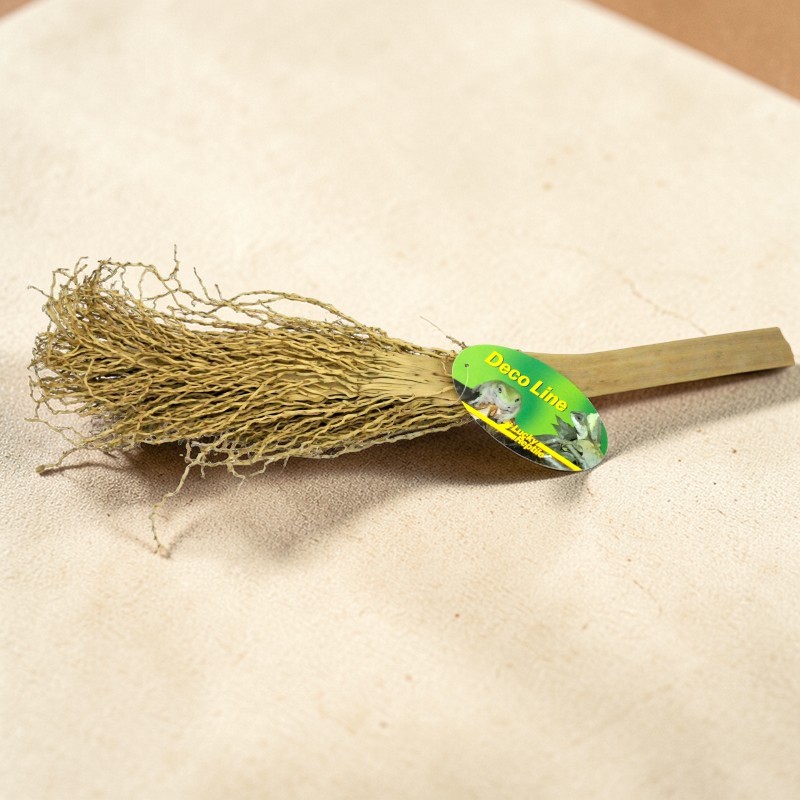
Lucky Reptile palm fronds / palm torch (approx. 30-40 cm)Natural decoration, climbing aid and hiding place all in one: Lucky Reptile palm fronds are a decorative enrichment for dry and tropical terrariums. Whether on the floor as a hiding place or slightly raised as a climbing and structural element - they blend in naturally, create retreats and are very well accepted by many terrarium animals.Product benefits at a glanceVersatile use: hiding place, structuring, climbing elementSuitable for dry & tropical terrariumsNatural look: decoratively enhances the terrariumAnimal-friendly: provides cover and promotes a safe environmentPractical size: approx. 30-40 cmIdeas for useAs floor decoration for more cover and resting places (e.g. for geckos, skinks, young animals)Clamped between roots/branches as an additional climbing routeIn more humid setups as a natural structural element for terrarium design

CHF 3.90

New
Tillandsia fertiliser
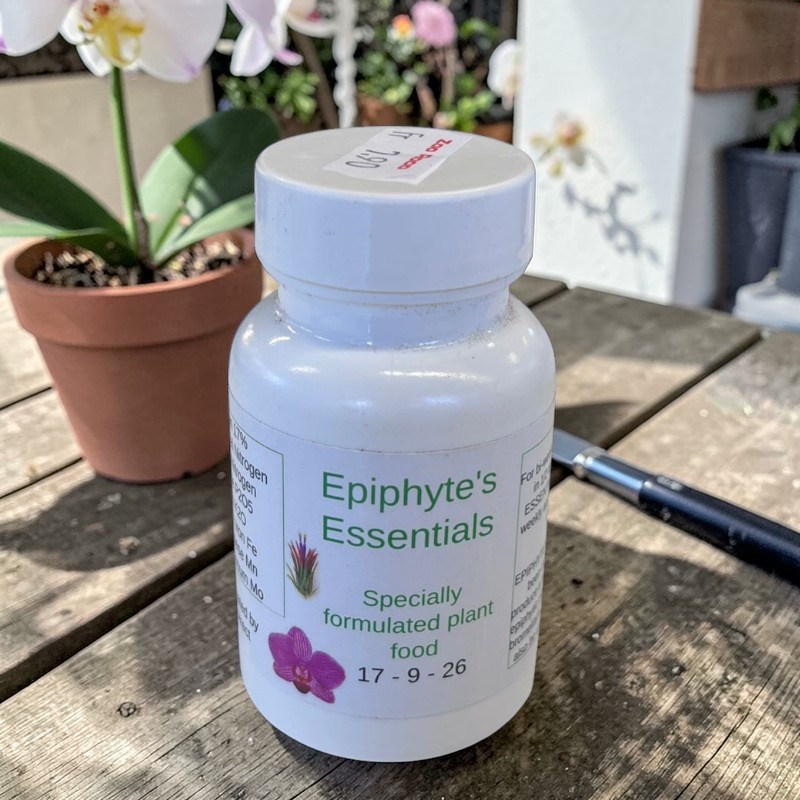
Epiphyte's Essentials - Epiphyte's Delight fertilizer Epiphyte's Delight was developed with a clear goal in mind: healthy, rapid growth for epiphytes - plants that grow without soil. This powder for mixing contains a fertilizer with a carefully balanced nitrogen content that reliably nourishes and visibly supports your plants.The source of nitrogen is particularly important for tillandsias, orchids and other epiphytes: many fertilizers contain a high proportion of urea. The problem is that epiphytes cannot use urea effectively because it first has to be converted into usable forms of nitrogen by soil bacteria - bacteria that simply do not exist without a substrate. Epiphyte's Delight has therefore been formulated to contain mainly nitrate nitrogen. This is immediately available and can be directly absorbed and used by the plants - ideal for daily care and strong development.Your advantages at a glanceSpecially developed for epiphytes (e.g. tillandsias, orchids)Predominantly nitrate-nitrogen - directly available, fast-actingPromotes healthy, rapid growth thanks to a balanced nutrient supplyAlso suitable for other plants - for a quick growth spurtMix powder with water and spray on plantsInstructions for useThis fertilizer is not only suitable for epiphytes, but can also be used for many other plants if a rapid growth response is desired.

CHF 7.90

Micro terrarium planted with carnivorous plants
VivoVerde Micro Terrarium with carnivorous plantsThis micro terrarium is a modern, compact solution for anyone who wants to keep carnivorous plants easily at home - all year round. Thanks to the LED light in the lid and adjustable ventilation, you can create the right conditions even in an office, apartment or small space. Each terrarium is unique and is suitable for beginners and enthusiasts alike - also ideal as a gift.Product information:Micro terrarium incl. 5 carnivorous plants (composition may vary) Glass container, 2 liter volume Round cover with integrated LED plant lighting Adjustable ventilation to regulate the humidity inside Complete substrate for carnivores included With special volcanic soil (for a structured, airy plant bed) Ideal for small areas: Home, office, shelf or desk Supports a stable microclimate through light and adjustable humidity Perfect as a gift, as it is immediately ready for use and visually appealing Suitable for beginners (compact, clearly arranged) and collectors (decorative, unique look)Scope of delivery: Glass container, 2 liter volumeLighting: 3.8 W plant lamp, 5 V, switchable light intensity Power supply: USB-A (recommended 1000 mA), charger not included Features: lid with LED, movable ventilation, substrate for carnivoresThe VivoVerde Micro-Terrarium from Aqua-Art brings the fascinating world of carnivorous plants into a format that fits into everyday life. Whether at home, in the office or as an eye-catcher on the sideboard: the compact terrarium (2 liters) is made for small spaces and allows you to keep terrarium plants at home - regardless of the season. Particularly practical: each set is unique and therefore looks like a small, living decorative object.The micro terrarium is equipped with a glass container and a round cover with integrated LED lighting to provide your plants with good conditions. The energy-saving plant lamp (3.8 W, 5 V) offers a switchable light intensity and ensures that your carnivores get enough light even if the location is not directly next to a sunny window. For the power supply, use a safe USB-A power supply (1000 mA recommended, not included) or a USB-A port on the computer. A crucial point with carnivorous plants is the right substrate. Therefore, the terrarium contains a complete substrate that is adapted to carnivores, including special volcanic soil. This plant bed supports an even moisture level and creates a structure in which the plants can gain a good foothold. The movable ventilation cover also allows you to regulate the humidity inside - depending on how humid you want your biotope to be. This promotes a climate that encourages healthy growth. The set is suitable for enthusiasts who want a decorative mini-ecosystem, as well as for beginners who want to get started without a lot of set-up work. You will receive a complete system with five carnivorous plants that can be used immediately - also ideal as a gift for anyone looking for something special.Zoo Roco tip:To keep your plants beautiful for a long time, keep the humidity stable via ventilation and avoid strong temperature fluctuations directly next to heaters or in draughts. If possible, use low-mineral water (e.g. rainwater or osmosis water) for carnivores. VivoVerde Tropical Rain is recommended as a supplement for spraying (available separately) - practical if you want to specifically increase the humidity in the terrarium.

CHF 159.00

Nepenthes ampullaria red - carnivorous plant
Aqua Art Nepenthes ampullaria 'Red'Compact, red ground pots for the humid terrariumNepenthes ampullaria 'Red' forms a particularly large number of amphora-shaped ground pots in attractive shades of red, giving it the appearance of a dense "carpet of pots". It is ideal for warm, very humid terrariums and paludariums with bright, indirect light.Characteristics and requirements:Origin (species): Southeast Asia; natural distribution from Thailand to western Malaysia and Maluku to New Guinea, among othersHabitat: humid lowland habitats, including (swamp) forestsTemperature: warm; often approx. 21-24 °C in the terrariumLight: bright to very bright, preferably indirect/diffuse (no prolonged blazing sun)Water: As low in minerals as possible (rain/osmosis water)Lowland Nepenthes with numerous potsPots typically urn/amphora-shaped, approx. 2-10 cm long in natureRequires high humidity (70-90%)Warm climate: as a lowland species, rather constantly warmVery decorative in humid setups because many pitchers are visible at the same timeExciting plant to observe: pitcher formation and coloration clearly react to light and climateNo fertilization necessary; nutrient-poor substrate is expressly desiredNepenthes ampullaria 'Red' is a tropical pitcher plant that looks particularly impressive in humid lowland biotopes. Instead of only forming individual pitchers on long tendrils, this species develops many pitchers in the lower area - often in dense groups directly at the base of the plant. It is precisely this "pitcher carpet" effect that makes it so popular in terrariums, paludariums or warm, humid plant showcases.In the wild, Nepenthes ampullaria is widespread in Southeast Asia and grows predominantly in humid, tropical lowland habitats, including swamp and rainforest areas. Accordingly, it appreciates conditions that are constantly warm and very humid. High humidity (often in the range of around 70-90% or more) and temperatures in the warm lowland spectrum of around 22-26°C are considered a good orientation.For Nepenthes, "lowland spectrum" simply means the climate profile of lowland species - i.e. conditions similar to those in tropical lowland and swamp areas. "Spectrum" does not mean a hard fixed value, but a range of temperatures/humidity in which these plants grow reliably and form pitchers.The plants like bright light, but not burning midday sun. Many cultivation instructions recommend very bright, but diffuse or indirect light over longer periods of time (e.g. under plant light or in a well-shaded greenhouse) so that leaves and pitchers remain healthy and the plant reliably "pitches" (produces pitchers)Water quality is particularly important for everyday care: if possible, use water that is low in minerals (rain or osmosis water). The substrate should be airy, acidic and low in nutrients - typical Nepenthes mixtures are often based on sphagnum and structural components so that the roots remain moist but do not suffocate.Zoo Roco tip:If Nepenthes ampullaria 'Red' makes few pitchers at first, this is usually a sign of too low humidity or too little light. First increase the humidity (e.g. in the terrarium/with good ventilation) and provide bright, indirect light. Water consistently with rain/osmosis water - depending on the region, tap water is often too rich in minerals for carnivores.

CHF 15.90

Drosera capensis albino - carnivorous plant
Aqua Art Drosera capensis 'Albino' - bright cape sundew as an in vitro plantDrosera capensis 'Albino' has a particularly bright appearance: instead of red tentacles, it has predominantly green catch leaves with clear, sticky drops and forms white flowers. As an in vitro plant, you can start it cleanly in a cup - ideal for very bright, moist biotopes in terrariums or plant shelves. Characteristics and requirements:Albino form: hardly/no red pigments, light-colored tentacles and sticky traps with glittering catching drops (sundew principle)Origin: South Africa, Cape region (Cape of Good Hope area)Size: depending on conditions, usually approx. 5-20 cm in heightLight: full sun or strong plant light 10-14 hrs/dayHumidity:optimal approx. 65-75 %Temperature: ideal approx. 22-32 °CStriking color contrast to red carnivoresSupports the natural reduction of small flying insects (e.g. fungus gnats/small mosquito species) with trapping leavesEasy to care for: focus on light + constant humidity, no fertilization necessaryNo dormant period necessaryDrosera capensis 'Albino' is the Cape sundew for anyone who loves carnivores but is looking for a particularly bright, elegant look. In contrast to many classic Cape sundew forms, 'Albino' shows hardly any red pigments: The plant appears predominantly green, the catching droplets shine clearly and the flowers appear white. This provides a nice contrast in terrariums, paludariums or on bright windowsills - especially next to reddish species or colored hardscape elements. The catching technique is typical of sundews: sticky drops sit on the tentacles to which small insects adhere. This is not only exciting to watch, but also fits perfectly into nutrient-poor biotopes because Drosera supplements its low nutrient requirements with prey. Fertilizing is not necessary - on the contrary, too many nutrients are usually the quickest route to problems for carnivores.Three points are crucial for successful cultivation: plenty of light, constant humidity and suitable substrate/water. Aqua Art recommends full sun or an equally strong plant light with around 10 to 14 hours of illumination per day. This keeps the plant vital and reliably forms catching droplets. The following applies to the climate: A humidity of approx. 65-75 % is ideal and the plant prefers to grow at 22-32 °C. This makes it particularly suitable for well-lit, humid terrariums or warm indoor rooms with stable conditions.Quality counts when watering: use water that is as low in salt and minerals as possible (e.g. rain or distilled water) and keep the substrate permanently moist. As an in vitro plant, you get a clean start in a practical cup - this is ideal if you value controlled conditions and want to keep your terrarium as free of "roommates" as possible.Zoo Roco tip:If your Drosera hardly shows any "dew", it is usually due to insufficient light or air that is too dry. First increase the light intensity (not just the hours) and ensure that the substrate is constantly moist. After opening the in-vitro cup: carefully rinse the gel, place in carnivorous substrate and gradually acclimatize to full sun or strong light for 1-2 weeks.

CHF 9.90

Drosera capensis - carnivorous plant
Aqua Art Drosera capensis - Sundew for terrarium & WabiKusaDrosera capensis (Cape Sundew) fascinates with long catch leaves that form glittering sticky drops to catch small insects. As an in vitro plant, it starts clean and compact - ideal for bright, humid setups such as paludariums, carnivorous terrariums or Wabi-Kusa.Product features:Cultivated in vitro (sterile in a pot)Carnivorous plant with sticky trapping leaves (sundew principle)Suitable for humid terrariums/paludariums and very bright locationsRobust and also suitable for beginnersImportant advantages:Exciting observation effect: trapping leaves shine and react to preySupports a near-natural microclimate in humid terrarium setupsNo fertilization necessary - the plant covers its needs by catching small insectsInformation:Origin (species): Cape region / South Africa; grows in nutrient-poor, permanently moist habitats (e.g. swamps, banks, streams)Size/growing height: approx. 5-20 cm (depending on conditions)Temperature requirements: approx. 10-35 °C; as frost-free as possible in winter (guideline: not below approx. 5 °C)Air humidity: at least approx. 50 % recommendedLight: bright to sunny (for strong coloration and good catching drops)Water/substrate: soft/low-lime (e.g. rainwater/osmosis water), acidic, nutrient-poor substrate; permanently moist to wet Drosera capensis, the Cape sundew, is a real classic among carnivorous plants - and for good reason: the long, narrow catch leaves are covered with many fine tentacles that form glistening adhesive droplets. These droplets attract small insects and hold on to them so that the plant can supplement its low nutrient requirements. At the same time, Drosera capensis is comparatively uncomplicated to care for and is therefore also attractive for beginners . The species originates from the Cape region of South Africa, where it grows in permanently moist, nutrient-poor areas such as swamps, on banks and along watercourses. You can easily replicate this principle at home: The decisive factors are plenty of light and a constantly moist to wet, acidic and nutrient-poor substrate. Soft, low-lime water (e.g. rainwater or osmosis water) is recommended for watering. Fertilizing is not necessary.In suitable conditions, Drosera capensis typically grows to a height of around 5 to 20 cm. It does particularly well in bright, humid terrariums, paludariums or similar humid setups where the catching droplets are formed stably. A humidity level of around 50 % is a good guideline, although the plant is particularly reliable in a constantly humid environment.Drosera capensis is pleasantly tolerant when it comes to temperature requirements: a range of approx. 10-35 °C is suitable for cultivation. In the cooler months of the year, it should be kept frost-free; as a guide, temperatures should not fall below approx. 5 °C in winter. This will keep the plant vital and allow it to sprout vigorously again in spring.Zoo Roco tip:For in vitro plants, it is worth acclimatizing them gently: rinse the gel carefully, place them in a carnivorous substrate and keep them in a very bright place for the first 7-14 days, but only gradually give them extreme midday sun. If the catching drops decrease, this is usually an indication of too little light or too dry air - first increase the light intensity and ensure that the substrate is constantly moist.

CHF 9.90

Dionaea muscipula Ring carnivorous plant
Aqua Art Dionaea muscipula "Ring" - InVitro Venus flytrap with red trapsThe Dionaea muscipula "Ring" is a fascinating Venus flytrap with a red-colored trap interior and traps up to approx. 3 cm. As an in vitro plant, it comes neatly in a cup and is ideal for bright locations or the micro terrarium.Product features:Cultivated in vitro (sterile in a cup) Red-colored trap surfaces, traps up to approx. 3 cm Light: full sun or strong plant lighting, approx. 10-14 hours/dayExciting observation plant: the typical snapping mechanism provides "wow" momentsClean start thanks to InVitro (no "stowaways" such as snails/algae in the cup) Strong coloration with lots of light - ideal as an eye-catcher on the plant shelf or in the terrariumInformation: Botanical name: Dionaea muscipula "Ring"Trap length: up to approx. 3 cm Temperature (growth range): approx. 20-30 °C Humidity/substrate: permanently moist substrate recommendedOrigin (species): East coast USA, especially North & South CarolinaWith the Venus flytrap Dionaea muscipula "Ring", you can bring one of the best-known carnivorous plants into your home - as a cleanly cultivated in vitro plant from Aqua Art. The variety is characterized by red-coloured trap surfaces; the traps can reach up to around 3 cm under good conditions. Especially in combination with plenty of light, the plant is particularly decorative and becomes an exciting eye-catcher - whether in a bright living room, on a plant shelf or in a matching micro terrarium.Two things are particularly important for healthy growth: light and constant humidity. Aqua Art recommends full sunlight or equivalent plant lighting of around 10 to 14 hours per day. This keeps the plant vital and allows it to develop its coloration better. The substrate should not be allowed to dry out. The plant grows best in a suitable carnivorous substrate.Humidity: A permanently humid environment in the substrate is more important than "tropical air". Many keepers manage without a closed terrarium - however, in very dry heating air, the Venus flytrap often benefits from slightly increased humidity (e.g. in an open container or a well-ventilated terrarium).Temperature: A growth range of approx. 20-30 °C is recommended. The Venus flytrap goes into hibernation and can also be kept outdoors.Note on "nutrition": We recommend spraying with "TropicalRain" and advise against additional feeding with insects. This makes everyday care pleasantly uncomplicated: you concentrate on light, humidity and a suitable location.Zoo Roco tip:Gently repot InVitro plants first after opening the cup: wash out the gel, place in suitable carnivore substrate and place in very bright light for the first 1-2 weeks, but not immediately in full midday sun. And very important: do not deliberately trigger traps - this costs the plant energy that it would rather put into growth.Customers also searched for Venus flytrap InVitro, Dionaea muscipula, carnivorous substrate, carnivorous plants, micro terrarium, plant light, Drosera, Nepenthes, Pinguicula, TropicalRain Aqua Art

CHF 9.90

Dionaea muscipula red-green carnivorous plant
Aqua Art VivoVerde Dionaea muscipula "Red Green" - red-green Venus flytrapThe "Red Green" Venus flytrap impresses with its red-colored trap surfaces and the typical snap shut mechanism. It needs a lot of light and a permanently moist, suitable carnivore substrate to produce vibrant colors.Product characteristics:Origin: Dionaea muscipula originates from the coastal regions of the south-eastern USA, particularly North Carolina and South Carolina.Traps with bordeaux red colorationThe Venus flytrap grows as a flat rosette and, depending on the conditions, reaches a diameter of around 20 cm. The traps of this variety are up to approx. 3 cm long (in good light).High light requirement: full sun or plant light, approx. 10-14 hours/day Humidity: A permanently moist substrate is particularly important. A slightly higher humidity is advantageous, but not a must - With sufficient light and correct watering, the plant can also be kept in a normal living room. Very dry heating air should be avoided if possible. be avoided if possible.Temperature requirements: The plant feels comfortable at around 20-30 °C during the growing season. The species is generally seasonal and can also tolerate cooler temperatures during a dormant phase.Eye-catching due to clear red coloration with sufficient lightExciting observation plant for the home or terrarium thanks to the movable trapsWell suited for controlled keeping in a micro terrariumSupplied in an in vitro cupThe Venus flytrap (Dionaea muscipula) is one of the most fascinating carnivores of all - and the "Red Green" variant sets a particularly attractive accent: its traps are burgundy-red in color (under optimal conditions) and reach a size of up to around 3 cm. This makes the plant a lively eye-catcher on the windowsill, on the plant shelf or in a suitable terrarium.For the red coloration to really develop, light is the most important factor. The manufacturer recommends full sunlight or equivalent plant lighting and a lighting duration of around 10 to 14 hours per day. If you offer your Dionaea this bright location, it will usually reward you with vital traps and more intensive coloration.The right substrate and a constantly moist environment are just as important. The plant thrives best in a suitable carnivorous substrate (Aqua Art recommends the right substrate from its own range) and in a permanently moist environment. TropicalRain" is ideal for watering and feeding; at the same time, additional feeding with insects is not recommended. This makes care pleasantly uncomplicated for many keepers: they can concentrate on light, moisture and the right medium - and the plant can focus on growth and trap formation.Zoo Roco tip:Place the Venus flytrap as brightly lit as possible and keep the substrate consistently moist - these are the two adjusting screws that are most decisive for vitality and coloration. Important in everyday life: Do not trigger traps "for fun" (this costs energy). If you keep them under plant light, 10-14 hours of lighting per day is a very good guideline.Customers also searched for: Carnivores, carnivorous plant, Dionaea muscipula, Venus flytrap red, micro terrarium, terrarium plants, carnivore substrate, plant light, Drosera, Nepenthes

CHF 9.90

Plant fertilizer Nutri Caps 10 capsules
BioArt Nutri Caps 10 fertilizer capsules for healthy plants The BioArt Nutri Caps are practical fertilizer capsules that are inserted directly into the BioArt soil and provide your plants with targeted nutrients. Each capsule delivers the optimal amount of nutrients directly to the roots - for healthy growth and strong plants. Product details: Contents: 10 fertilizer capsules Targeted nutrient supply: Directly to the roots Optimized for BioArt soil: Perfectly matched to the substrate Easy to use: Insert the capsule into the soil and you're done Supports strong growth, healthy leaves and strong flowers Why BioArt Nutri Caps? Targeted fertilization saves time, prevents over-fertilization and ensures that your plants receive exactly the nutrients they need. This keeps them vital, healthy and strong. Zoo Roco tip: Use the Nutri Caps directly after repotting or when there is a visible growth spurt. This way, your plants will receive the nutrients exactly when they need them most.

CHF 9.90

Test tubes - 4 pieces
Hanging wooden test tube holder - for plants or bird foodThis stylish test tube set with wooden hanger is a real all-rounder for the home and garden. With its four transparent tubes, it offers numerous possible uses:As a decorative plant holder for offshoots, cuttings or small flowering plantsas a creative feeding station for birds in the aviaryas a holder for dried flowersThe transparent jars are securely embedded in a natural wooden strip and can be easily removed and cleaned. The jute cord for hanging gives the design a charmingly rustic look and makes the set a real eye-catcher in the window, on the wall or on the balcony.Product benefits at a glance:4 jars for growing young plants or as feeders for birdsCleaning brush included for easy careHanging construction with sturdy jute cordWooden strip with a natural look - ideal for any interiorVersatile use - decorative and functionalMaterial: glass, wood, juteDimensions: L 22.2 x D 4.5 x H 13 Whether as a mini garden or creative bird bar - this test tube set combines functionality with natural design.

CHF 12.90

Double pack of Xaxim sheets
🌿Double pack of Xaxim sheets 30x30x2.5 cmSoft plantation Xaxim from New Zealand for terrariums.The Xaxim sheets 30x30x2.5 cm made from sustainable, soft plantation Xaxim from New Zealand are the ideal choice for natural terrarium designs. Xaxim, the giant fern from New Zealand, provides a perfect basis for the growth of mosses, ferns and other epiphytic plants - particularly popular for back walls in tropical terrariums. Thanks to its soft structure, the sheets are particularly easy to work with and can be attached to back walls with terrarium silicone.Regular watering soon results in a lively, green wall - a real eye-catcher in any tropical terrarium.✅ Product details at a glance:Dimensions: 30 x 30 x 2.5 cmMaterial: Soft plantation Xaxim from sustainable cultivationApplication: Perfect as a terrarium back wall or side panelBiologically active: Promotes the growth of mosses & ferns in high humidity conditionsEasy to install: Easy to attach to back walls with terrarium siliconePackaging: Dust-free & cleanly shrink-wrapped in a pack of 2🌿Turn your terrarium into a living, tropical biotope with the Xaxim post 50x4x4 cm - natural, sustainable and visually unique.

CHF 79.00

Double pack of Xaxim posts
🌿Double pack of Xaxim posts 50x4x4 cmSoft plantation Xaxim from New Zealand for terrariums.The Xaxim post 50x4x4 cm made from sustainable, soft plantation Xaxim from New Zealand is the ideal choice for natural terrarium designs. Xaxim, the giant fern from New Zealand, provides a perfect basis for the growth of mosses, ferns and other epiphytic plants - particularly popular for back walls in tropical terrariums. Thanks to its soft structure, the post is particularly easy to work with and can be attached to back walls with terrarium silicone.Regular watering soon results in a lively, green wall - a real eye-catcher in any tropical terrarium.✅ Product details at a glance:Dimensions: 50 x 4 x 4 cmMaterial: Soft plantation Xaxim from sustainable plantationsApplication: Perfect as a terrarium back wall or side panelBiologically active: Promotes the growth of mosses & ferns in high humidity conditionsEasy to install: Easy to attach to back walls with terrarium siliconePackaging: Dust-free & cleanly shrink-wrapped in a pack of 2🌿Turn your terrarium into a living, tropical biotope with the Xaxim post 50x4x4 cm - natural, sustainable and visually unique.

CHF 49.00

Customers also saw

New
Tillandsia fertiliser
Epiphyte's Essentials - Epiphyte's Delight fertilizer Epiphyte's Delight was developed with a clear goal in mind: healthy, rapid growth for epiphytes - plants that grow without soil. This powder for mixing contains a fertilizer with a carefully balanced nitrogen content that reliably nourishes and visibly supports your plants.The source of nitrogen is particularly important for tillandsias, orchids and other epiphytes: many fertilizers contain a high proportion of urea. The problem is that epiphytes cannot use urea effectively because it first has to be converted into usable forms of nitrogen by soil bacteria - bacteria that simply do not exist without a substrate. Epiphyte's Delight has therefore been formulated to contain mainly nitrate nitrogen. This is immediately available and can be directly absorbed and used by the plants - ideal for daily care and strong development.Your advantages at a glanceSpecially developed for epiphytes (e.g. tillandsias, orchids)Predominantly nitrate-nitrogen - directly available, fast-actingPromotes healthy, rapid growth thanks to a balanced nutrient supplyAlso suitable for other plants - for a quick growth spurtMix powder with water and spray on plantsInstructions for useThis fertilizer is not only suitable for epiphytes, but can also be used for many other plants if a rapid growth response is desired.

CHF 7.90

Succulent small - Dry terrarium
Succulent small for dry terrarium small and robusts ideal for desert terrariums To the natural design assorted and mixted The plants are delivered by us sorted according to the stock. You will not receive the whole assortment shown, but as many pots as you order.

CHF 4.90

Desert locust (Schistozerca gregaria) medium
Contents Food animals: approx. 13stk / Dose
Desert locust (Schistozerca gregaria)The desert locust (Schistozerca gregaria) is one of the largest commercially bred food animals. Females reach a total length with wings of over 75 mm in some cases. popular food animal for reptiles and amphibians larger than the migratory locust medium The desert locust is one of the largest commercially bred food animals. Females reach a total length with wings of over 75 mm in some cases. Males usually remain somewhat smaller. This means that desert locusts are up to 30% larger than, for example, the migratory locust (Locusta migratoria). The animals are pink-grey in colour after moulting. Over the next 6-10 days, the colouring changes to a strong yellow, especially in the males. However, the animals have the most beautiful colouring and patterning during the juvenile and subadult stage. Here, the animals are also coloured lemon yellow with a black pattern. It is precisely this colouring that arouses the prey drive in many reptile species, which makes the desert locust particularly popular with many terrarium keepers.Unfortunately, the desert locust is not as productive as the migratory locust and rearing the animals takes up to 2/3 longer. On the other hand, it can be bred almost all year round, as it is not too demanding on special types of food.The desert locust is an excellent food insect because it can usually survive shipping without damage, even in extreme heat and cold, and can survive for up to 2 weeks after shipping without the addition of food.Desert locusts are generally accepted by all lizards. Experience has shown that they are particularly favoured by large lizards such as bearded dragons, water dragons, basilisks, varans, ruffed lizards etc.. They are particularly popular with many species of chameleon, as they are particularly attracted to the yellow colouring of juvenile and sub-adult animals.Order by Sunday evening - delivery on ThursdayOrders received by Sunday evening will be dispatched by A Mail on Wednesday or Thursday.Please enter a recipient address to which the parcel can be delivered.We accept no responsibility for parcels that are delivered late or collected late.The live crickets in the shop are only available at this price on Wednesdays - the prices per tin are otherwise Fr. 1.00 per tin higher, as we also feed and care for the crickets. Even with the greatest care, it can happen that feed animals die due to temperature fluctuations or unpredictable events. We accept no liability for this. 

CHF 4.50

Bromeliads medium - wet terrarium
Bromeliads medium - wet terrarium - a wonderful plant! 1 Bormeliads from the picture for wet terrariums assorted - mixed medium The plants are delivered by us sorted according to the stock. You will not receive the whole assortment shown, but as many pots as you order.

CHF 16.90

Micro terrarium planted with carnivorous plants
VivoVerde Micro Terrarium with carnivorous plantsThis micro terrarium is a modern, compact solution for anyone who wants to keep carnivorous plants easily at home - all year round. Thanks to the LED light in the lid and adjustable ventilation, you can create the right conditions even in an office, apartment or small space. Each terrarium is unique and is suitable for beginners and enthusiasts alike - also ideal as a gift.Product information:Micro terrarium incl. 5 carnivorous plants (composition may vary) Glass container, 2 liter volume Round cover with integrated LED plant lighting Adjustable ventilation to regulate the humidity inside Complete substrate for carnivores included With special volcanic soil (for a structured, airy plant bed) Ideal for small areas: Home, office, shelf or desk Supports a stable microclimate through light and adjustable humidity Perfect as a gift, as it is immediately ready for use and visually appealing Suitable for beginners (compact, clearly arranged) and collectors (decorative, unique look)Scope of delivery: Glass container, 2 liter volumeLighting: 3.8 W plant lamp, 5 V, switchable light intensity Power supply: USB-A (recommended 1000 mA), charger not included Features: lid with LED, movable ventilation, substrate for carnivoresThe VivoVerde Micro-Terrarium from Aqua-Art brings the fascinating world of carnivorous plants into a format that fits into everyday life. Whether at home, in the office or as an eye-catcher on the sideboard: the compact terrarium (2 liters) is made for small spaces and allows you to keep terrarium plants at home - regardless of the season. Particularly practical: each set is unique and therefore looks like a small, living decorative object.The micro terrarium is equipped with a glass container and a round cover with integrated LED lighting to provide your plants with good conditions. The energy-saving plant lamp (3.8 W, 5 V) offers a switchable light intensity and ensures that your carnivores get enough light even if the location is not directly next to a sunny window. For the power supply, use a safe USB-A power supply (1000 mA recommended, not included) or a USB-A port on the computer. A crucial point with carnivorous plants is the right substrate. Therefore, the terrarium contains a complete substrate that is adapted to carnivores, including special volcanic soil. This plant bed supports an even moisture level and creates a structure in which the plants can gain a good foothold. The movable ventilation cover also allows you to regulate the humidity inside - depending on how humid you want your biotope to be. This promotes a climate that encourages healthy growth. The set is suitable for enthusiasts who want a decorative mini-ecosystem, as well as for beginners who want to get started without a lot of set-up work. You will receive a complete system with five carnivorous plants that can be used immediately - also ideal as a gift for anyone looking for something special.Zoo Roco tip:To keep your plants beautiful for a long time, keep the humidity stable via ventilation and avoid strong temperature fluctuations directly next to heaters or in draughts. If possible, use low-mineral water (e.g. rainwater or osmosis water) for carnivores. VivoVerde Tropical Rain is recommended as a supplement for spraying (available separately) - practical if you want to specifically increase the humidity in the terrarium.

CHF 159.00

Flumi - Natural fresh food - Tradecantia
Flumi - Natural fresh food (Tradecantia) The Flumi food traffic light can be hung in the animals' enclosure and is an ideal food supplement for our animals. suitable for all rodents and rabbits also a great snack for birds tortoises and bearded dragons also love this plant and even cats like to nibble on this plant but also simply a decorative plant in the home supplied in a 14 cm pot with suspension (this can be easily removed) grown without chemicals Care: Water 1-2 times a week depending on humidityWe make every effort to ensure that our plants arrive at your doorstep healthy and undamaged. Despite the utmost care, it is possible that plants may be slightly damaged during postal delivery or due to other unforeseen circumstances. This includes brown leaves as well as broken branches. We accept no liability for this.

CHF 9.90

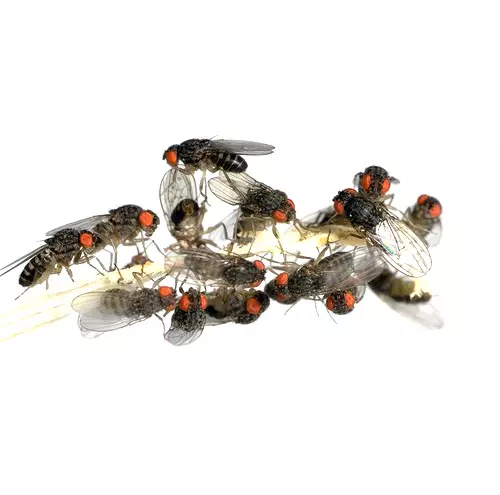
Drosophila - fruit flies, large
Contents Food animals: 1/2 liter
Fruit flies (Drosophila melanogaster) large Drosophila, also known as fruit flies, are the smallest flies that are commercially bred as food animals. flightless for amphibians, small reptiles and young spiders also for small ornamental birds Fruit flies are the smallest flies that are commercially bred as food animals.However, these flies were originally bred for genetic research, as the reproduction duration of the flies is very short. In order to handle the animals more easily, specimens with crippled wings were bred out. As a result, the flies have lost their ability to fly. Drosophilas are often fed to amphibians, small offspring of reptiles and young spiders, but also to small ornamental birds. Order by Sunday evening – delivery on ThursdayOrders received by Sunday evening will be dispatched by A Mail on Wednesday or Thursday.Please provide a recipient address where the parcel can be delivered. Even with the greatest care, it can happen that feed animals die due to temperature fluctuations or unpredictable events. We accept no liability for this.We accept no responsibility for parcels that are delivered late or collected late.

CHF 5.90